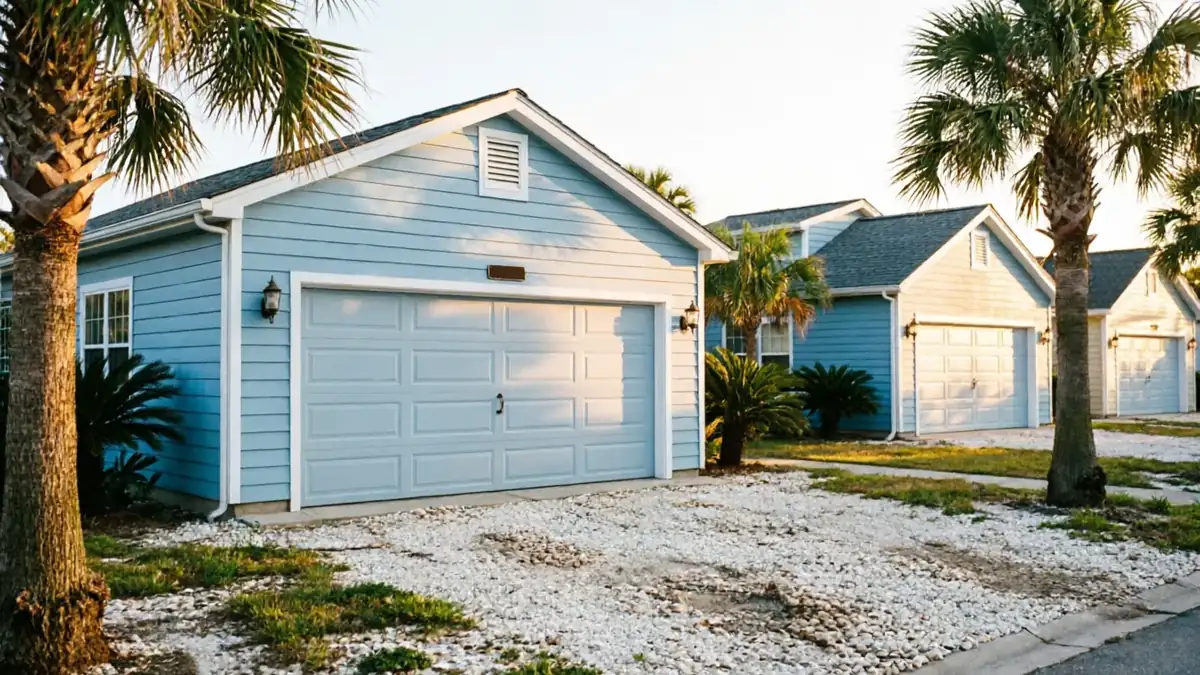
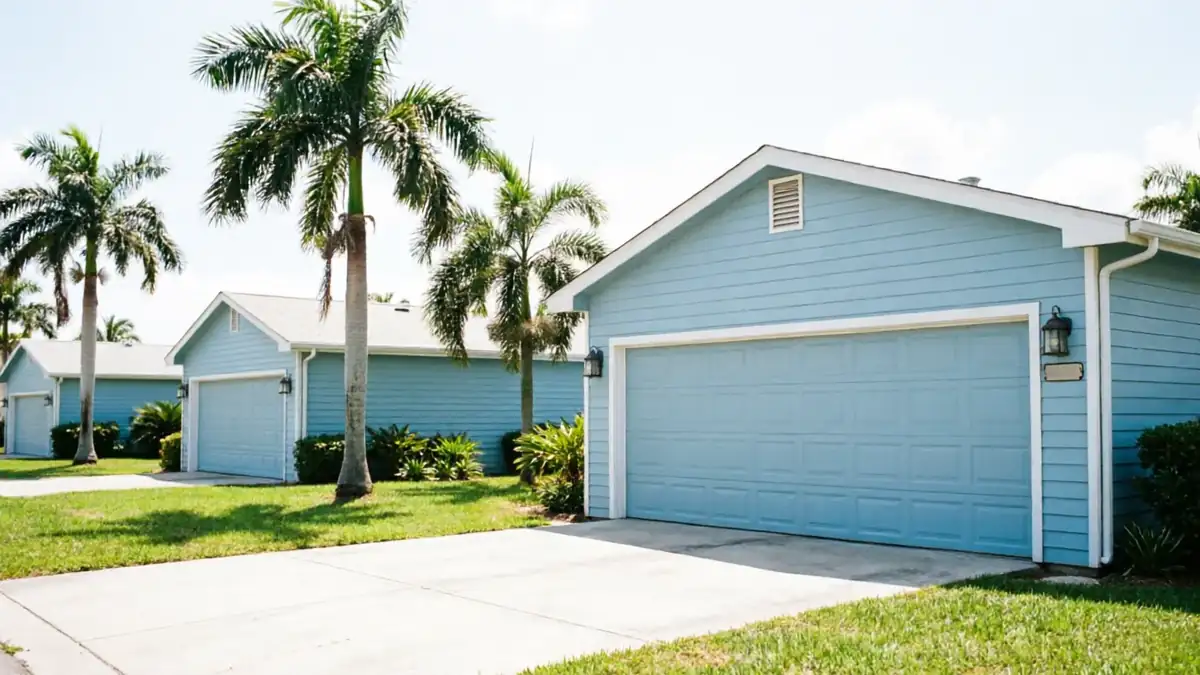
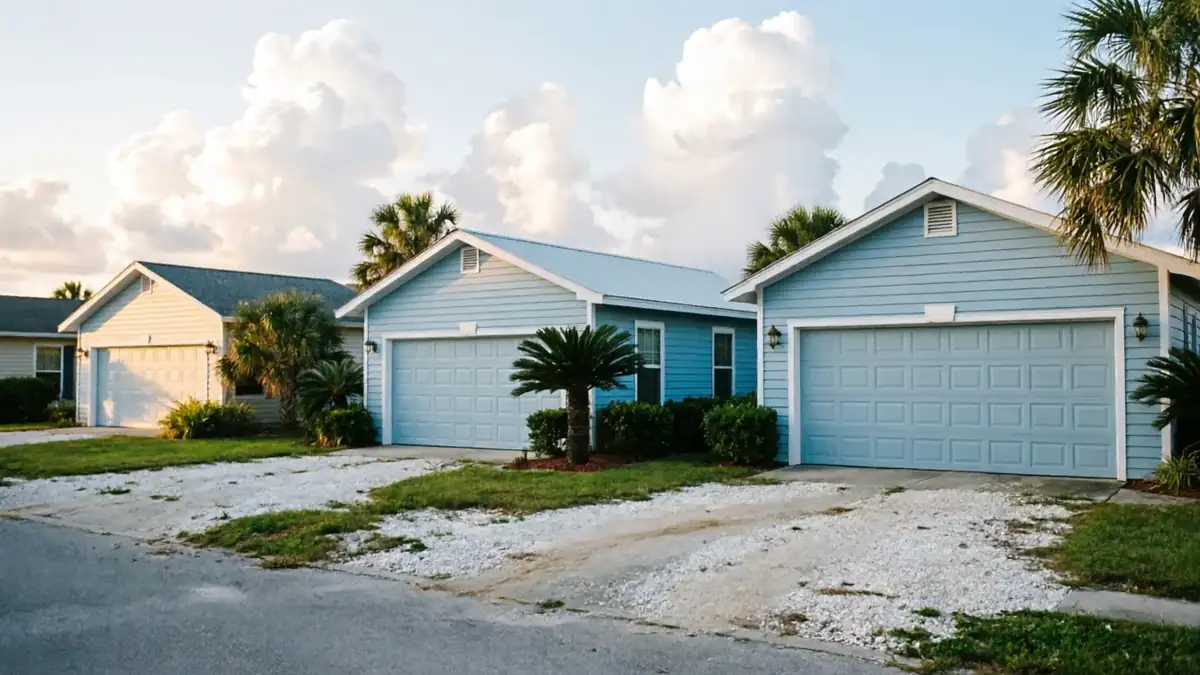
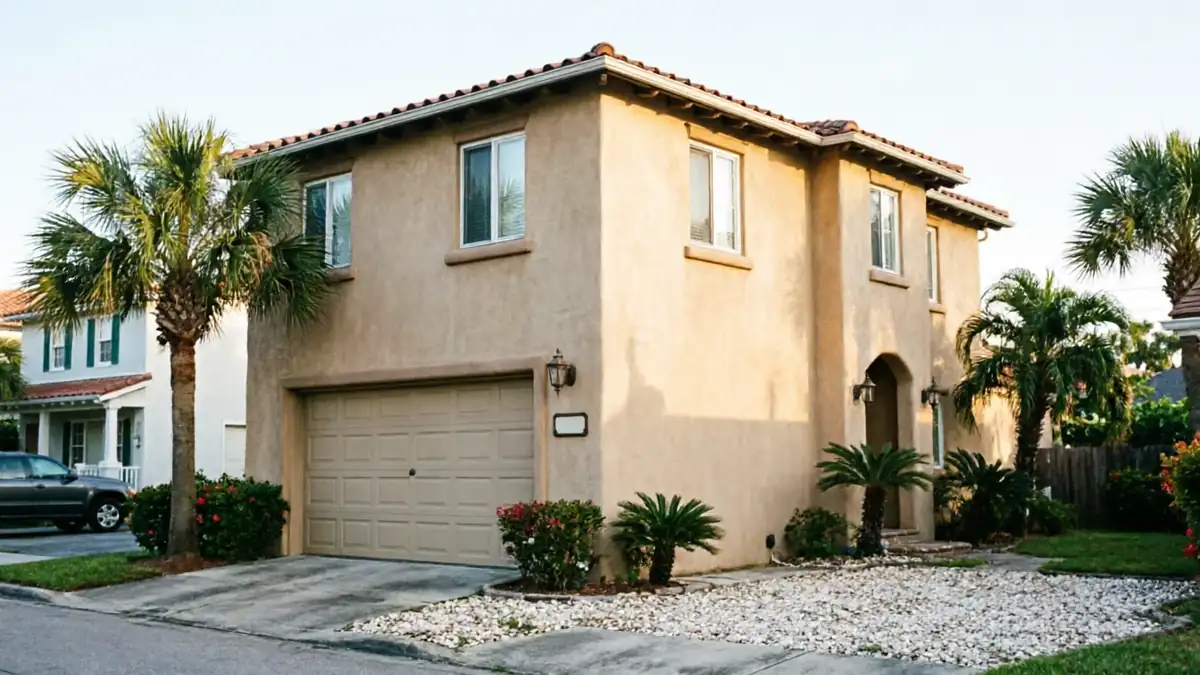
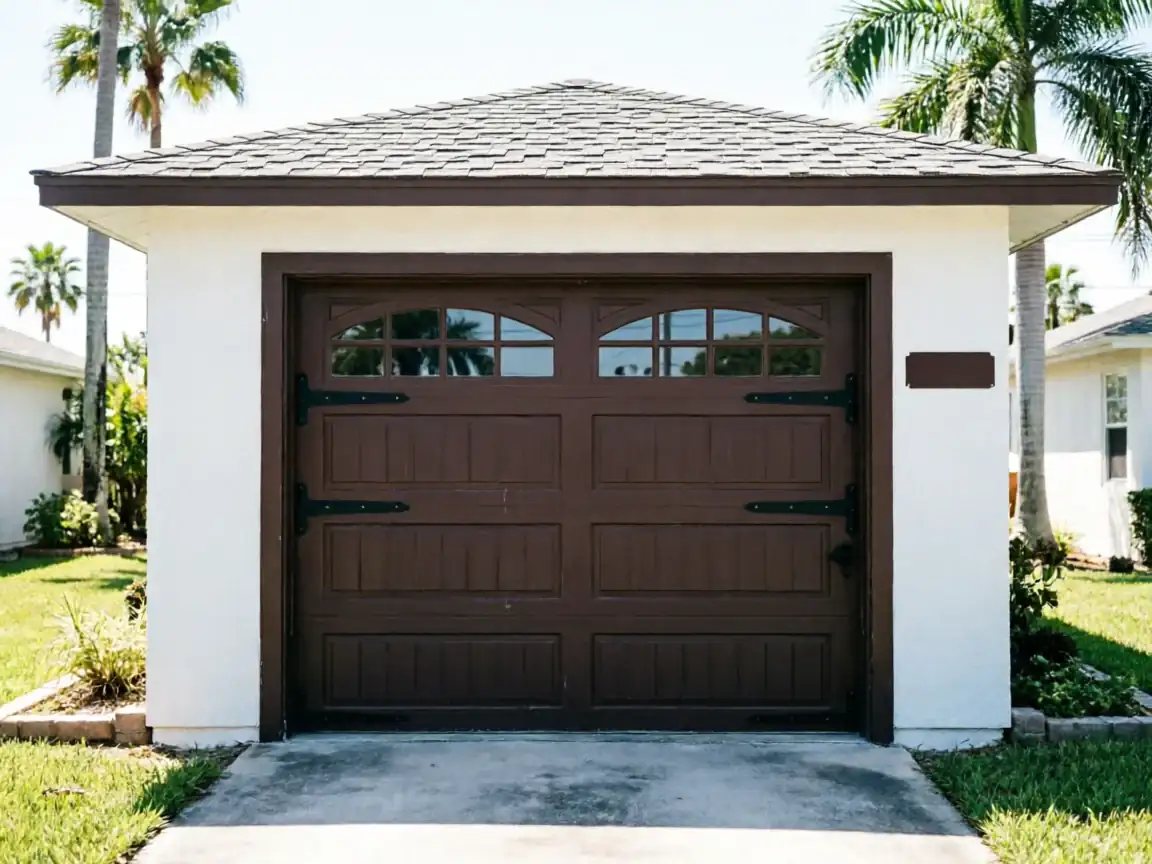
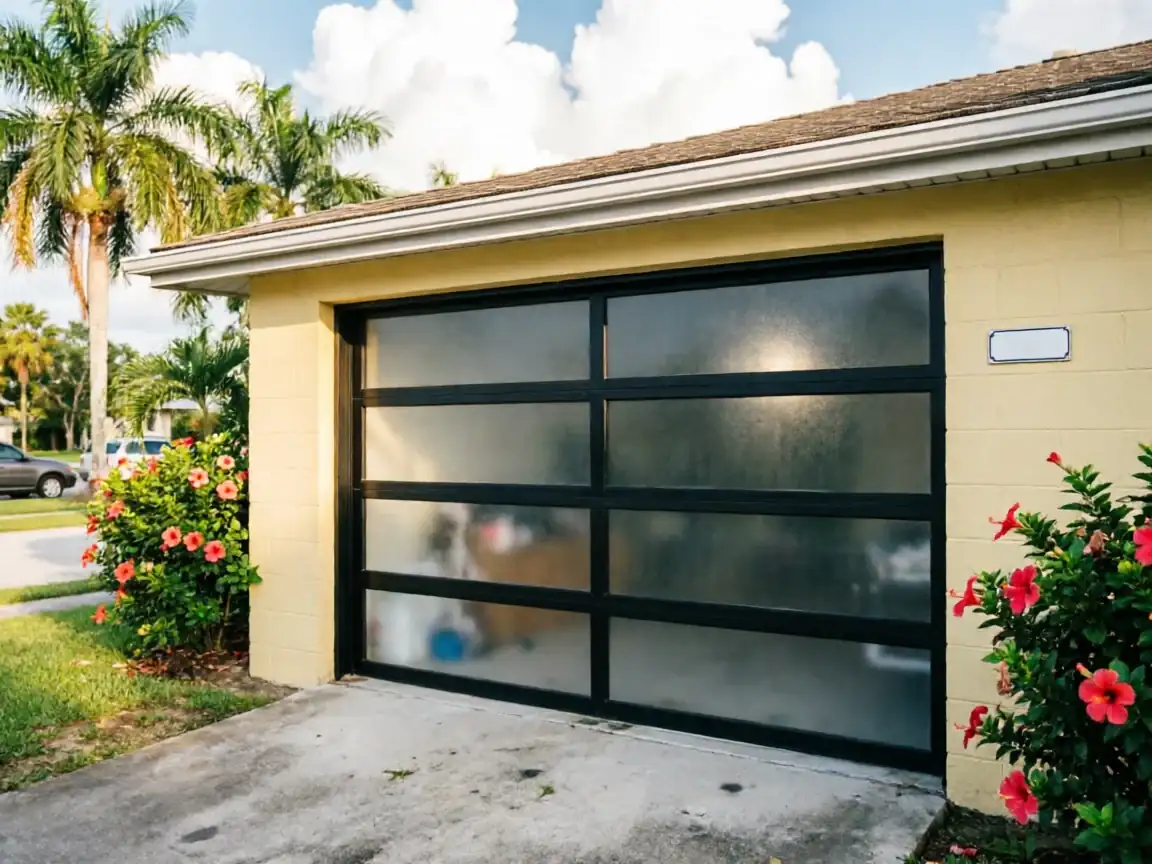
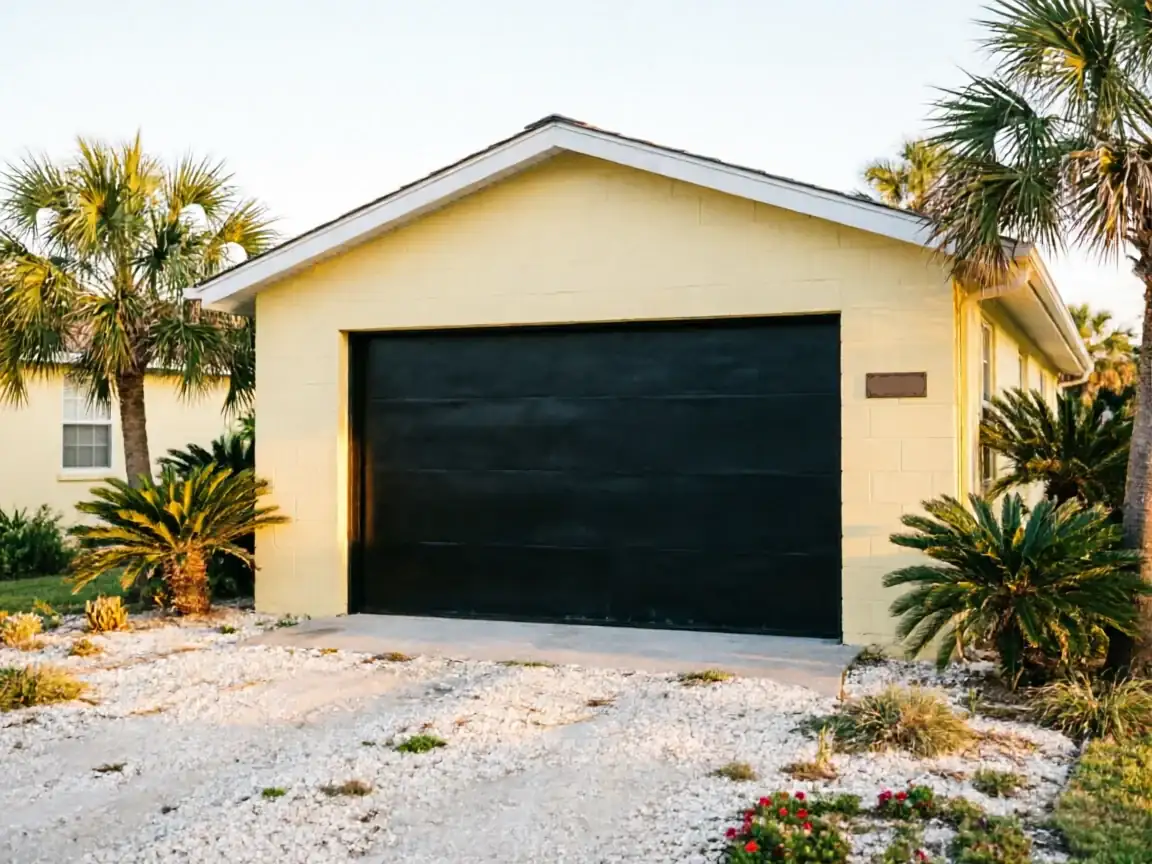
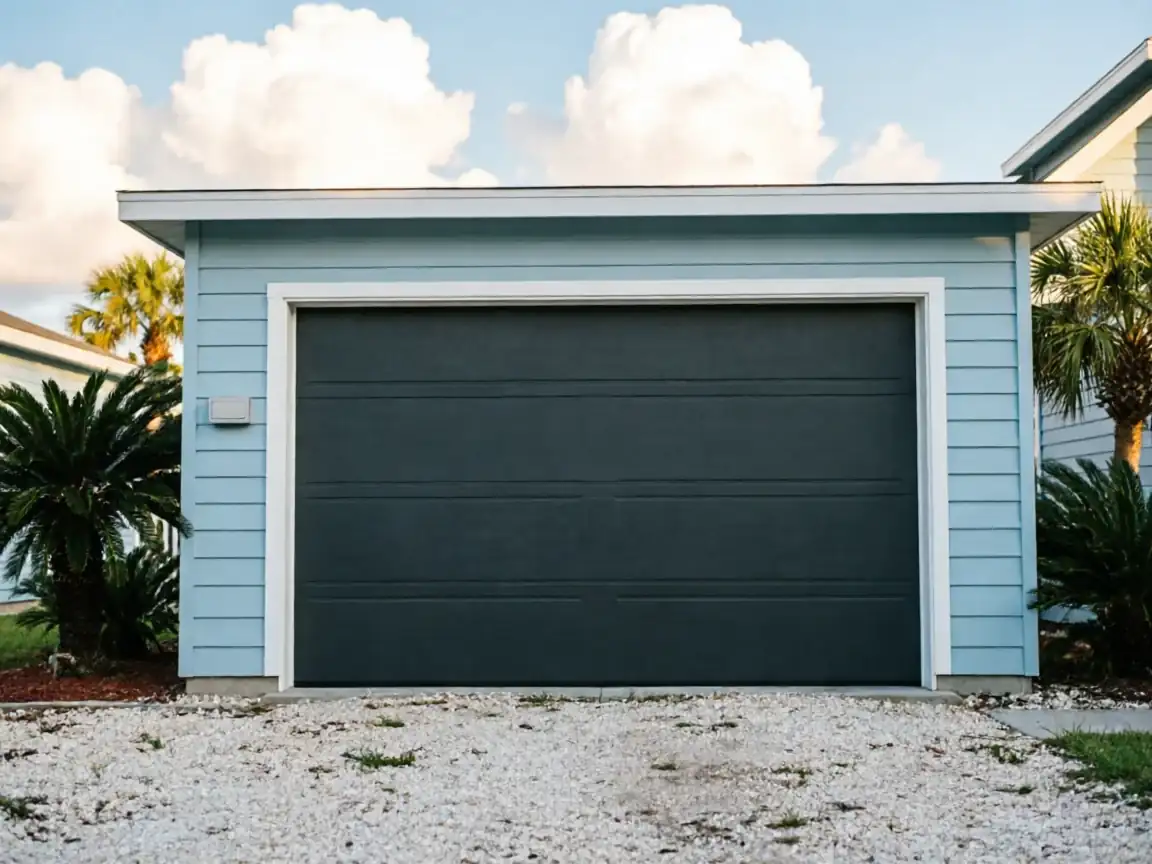
Wellington homes mostly date to the mid-1990s, newer than the 1978 median across our service area. Here's what that means for springs, openers, and panels.
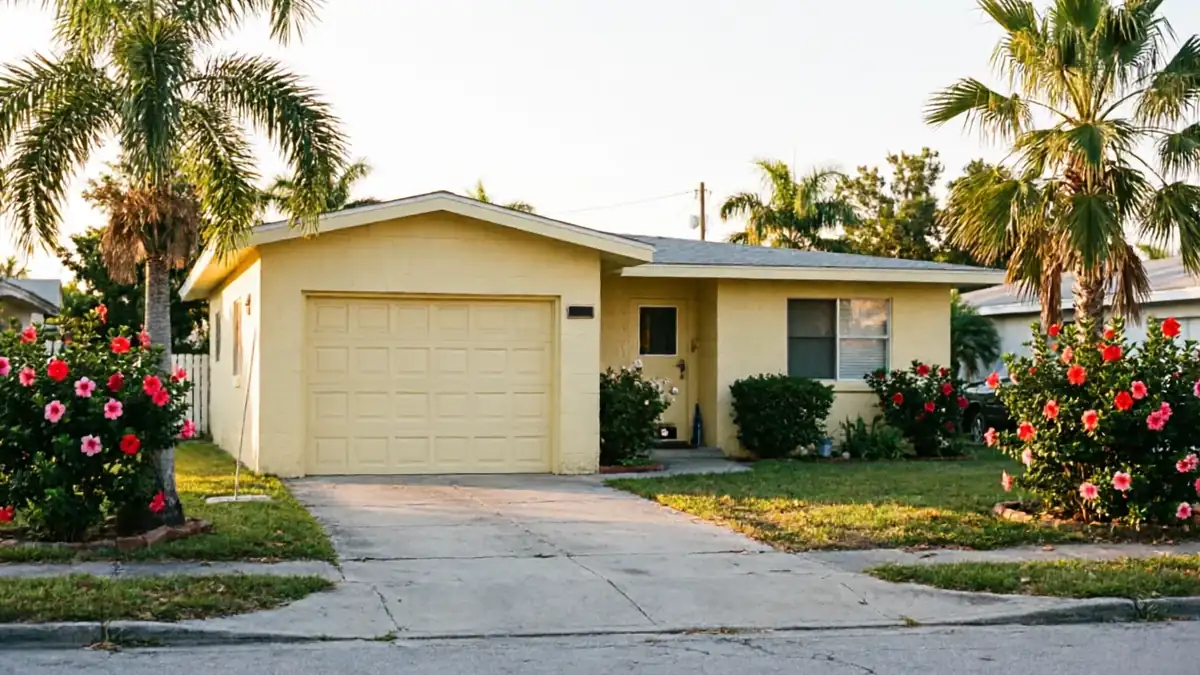
Wellington sits about 11 miles from our West Palm Beach base, and the housing stock out here runs newer than most of the area we cover. The median build year here is 1995, well past the 1978 median across the wider service area. That gap matters more than it sounds like it should. A house built in the mid-90s was framed for garage doors with extension or torsion springs matched to steel sectional panels and chain or belt-drive openers from that era - not the older side-mounted torsion setups and one-piece doors you still find on streets dated closer to that 1978 mark elsewhere in the coverage area. When we get a call from Wellington, we're usually working on hardware that's 25-30 years old, not 50-plus. That changes what fails first: it's less about seized original hardware nobody stocks, more about openers reaching the end of their circuit board life, springs that have cycled tens of thousands of times, and rollers that were fine plastic in 1995 but are due now. The climate band here is mild temperate, so we're not fighting frost heave or extreme cold snaps - humidity and salt air do the slow work on fasteners and springs instead.
What Was Built Here
Across the full service area, the housing stock spans 1965 to 2021 with that 1978 median, and most of it clusters in 1960s-70s construction across 21 named communities. Wellington doesn't fit that pattern. With a median build year of 1995, the neighborhood is a solid generation newer than the typical street we work on elsewhere in the coverage map. That means fewer original 1970s doors still limping along, and more garages that got their first opener and door replacement somewhere in the 2000s or 2010s, now due for a second one. Wellington also carries 21,604 households and a median income of $110,294 - noticeably higher than the $92,382 median across the full 120,625-household service area. In practice that tends to show up as more owners opting for insulated steel doors, smart openers, and full replacements rather than patch repairs, though we don't assume that for any specific house - we quote what's actually on the garage.
Older vs Newer Streets
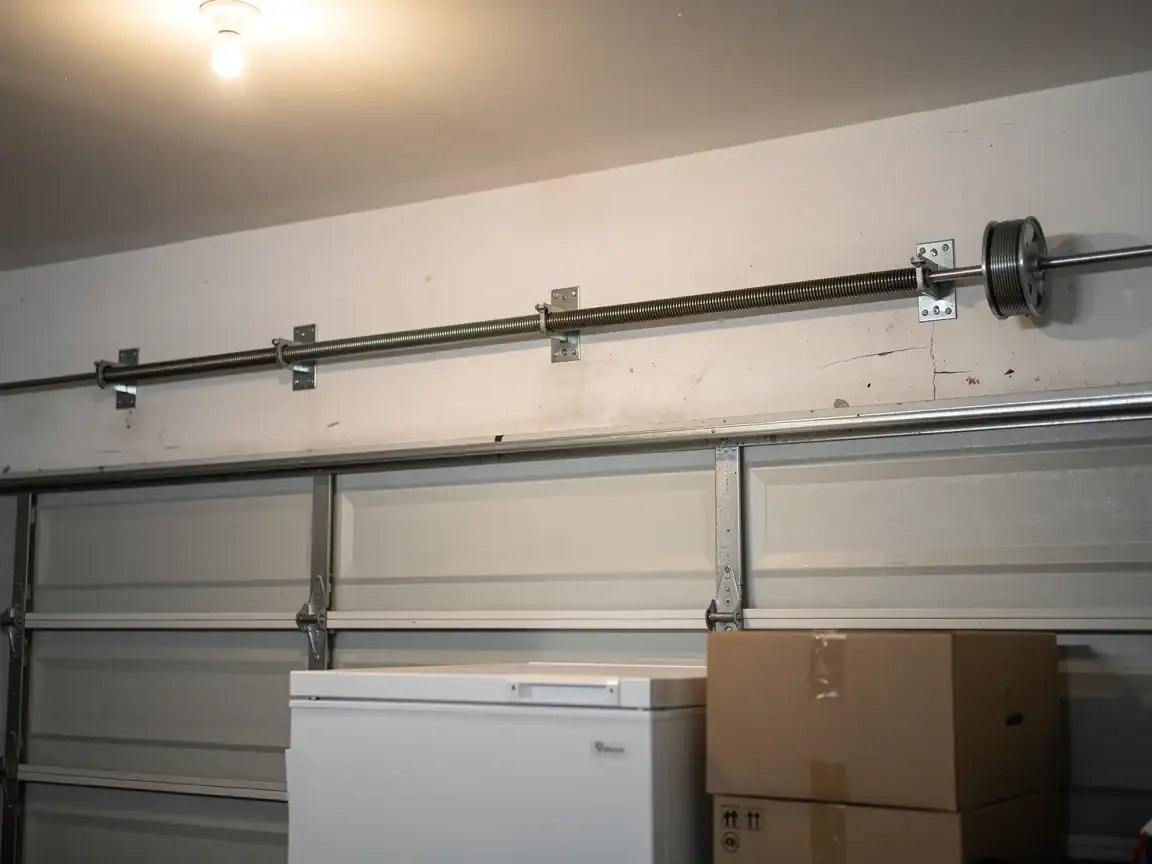
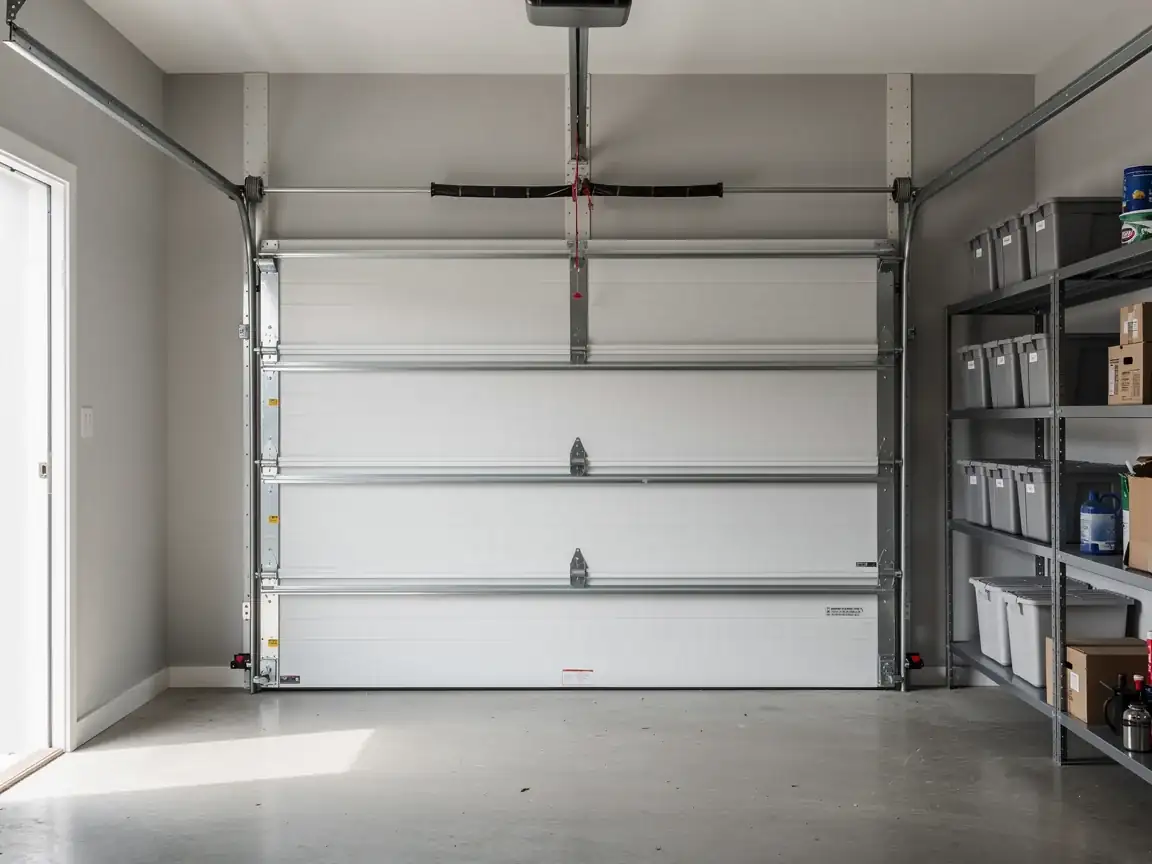
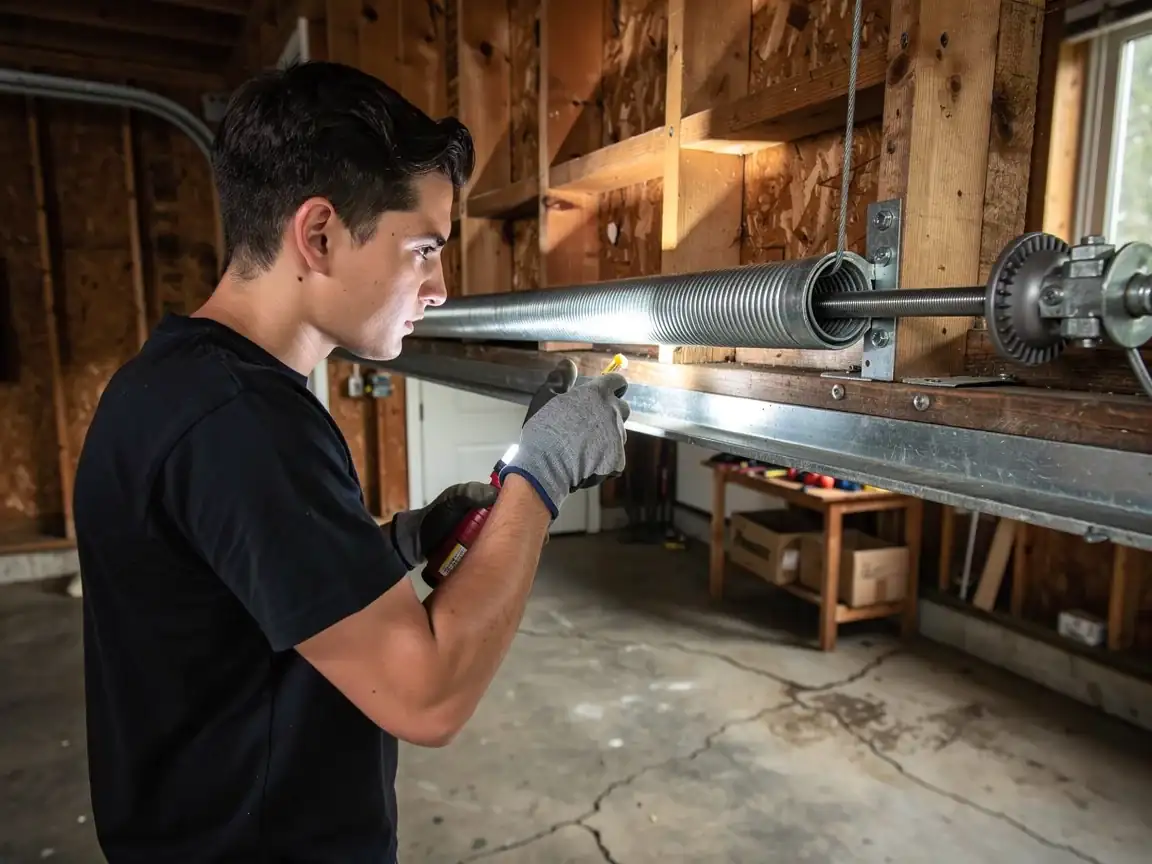
Even within Wellington, not every block was built the same year, and a 1995 median means plenty of houses sit on either side of it. The older pockets, closer to that city-wide 1978 median, are more likely to still have galvanized torsion springs on worn bearing plates and openers with no battery backup or rolling-code security - original gear that's outlived its design life. The newer streets, built well past 1995, are more likely running belt-drive openers with basic smart-home tie-ins that are now a decade or so old themselves, where the common failure is a dying logic board or a worn drive belt rather than anything mechanical on the door. We don't guess which category a house falls into from the address alone. The actual tell is on the spring winding cone, the opener's model plate, and whether the track still has its factory alignment - that's what tells us whether we're repairing a 90s torsion system or diagnosing a 2000s-era opener board.
Common Jobs Here
The jobs we run most in Wellington track with that mid-90s median build year: torsion spring replacement on doors that have hit their cycle count, opener swaps where the original chain-drive unit has outlived its gears, and roller and hinge replacement on panels that have been opening twice a day for close to thirty years. We also see a fair number of cable and drum jobs - not because the cable itself is old, but because the original ones rarely get swapped until they fray. One honest limitation: if a door's track or frame has shifted out of square, which happens on some of the older sections as a house settles, a straight spring or opener swap won't fix the underlying lean, and we'll tell you that up front instead of billing for parts that won't solve it. We travel out from West Palm Beach for every call here - there's no local depot, so we schedule the trip, not a drop-in.
How it works
From “it’s stuck” to “it’s fixed”
1
Tell us what’s wrong
Describe the symptom - won’t open, loud bang, opener runs but the door won’t move.
2
On-site diagnosis
A technician tests the door under power and by hand and finds what actually failed.
3
Clear, up-front plan
You get the fix that’s needed and what drives the cost - before any work starts.
4
Repaired & tested
The repair is done, the door is set true and tested, and the work area left clean.
Not sure which repair your door needs in West Palm Beach, FL? Describe what it’s doing - every job starts with a diagnosis.
Are Wellington garage doors older or newer than the rest of the area you serve?
Newer, on average. Wellington's median build year is 1995, compared with 1978 across the full service area we cover from West Palm Beach. That means openers and spring systems here are generally a couple of decades younger than what we find on older streets elsewhere in the coverage map.
Do you have a crew based in Wellington?
No. We run out of West Palm Beach, about 11 miles away, and schedule the trip out for every Wellington job. There's no local depot here, so we book a window rather than offering a walk-in drop-off.
Does Wellington's climate cause garage door problems?
The area sits in a mild temperate band, so we're not dealing with frost or hard freezes affecting hardware. The slower issue is humidity and salt air working on fasteners, springs, and exposed metal over years, which matters more than temperature swings.
Why would a newer opener still need replacing?
Openers installed in the 2000s or 2010s are now old enough that circuit boards and drive belts reach end of life even if the door panel itself is fine. A newer build year doesn't mean the opener installed back then is still current.
Ready to get your garage door sorted?
Tell us what it’s doing and where you are in West Palm Beach - we’ll take it from there.