The Cost of This Job
What a new door runs here depends on what's already in the opening more than anything else
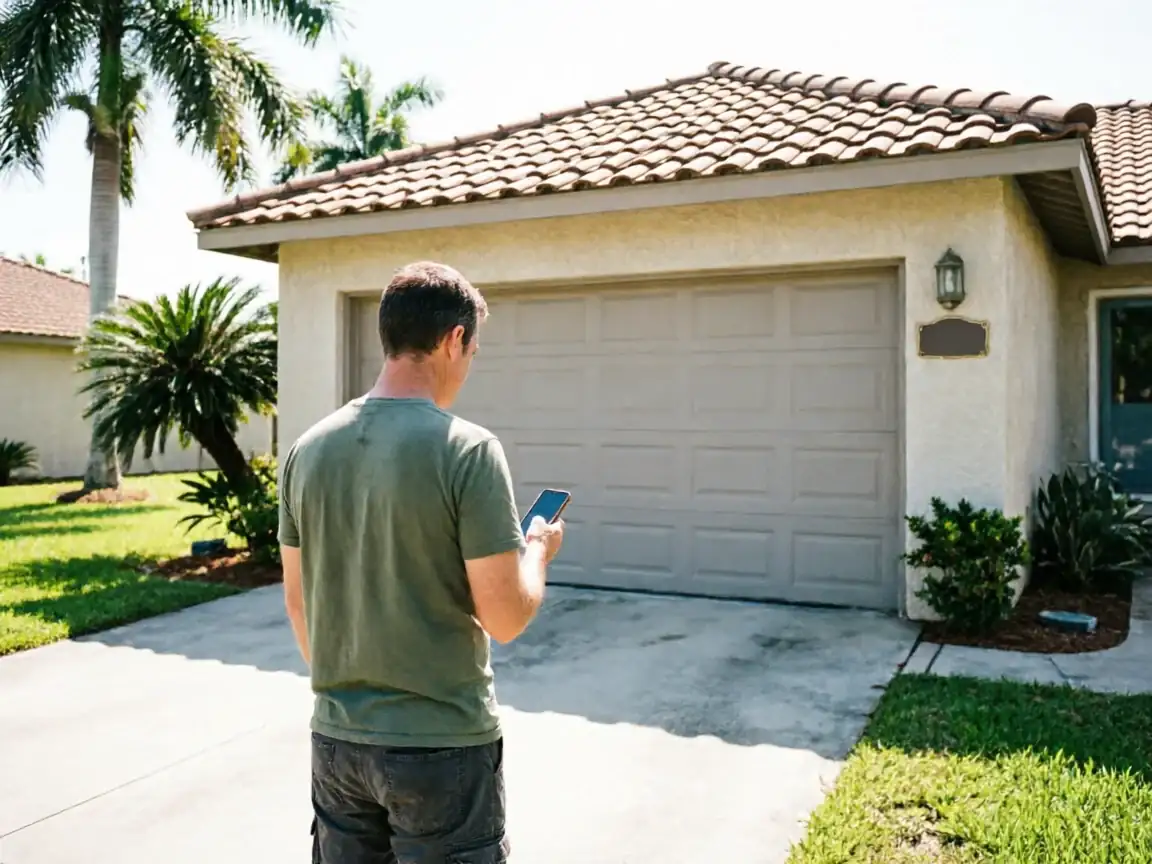
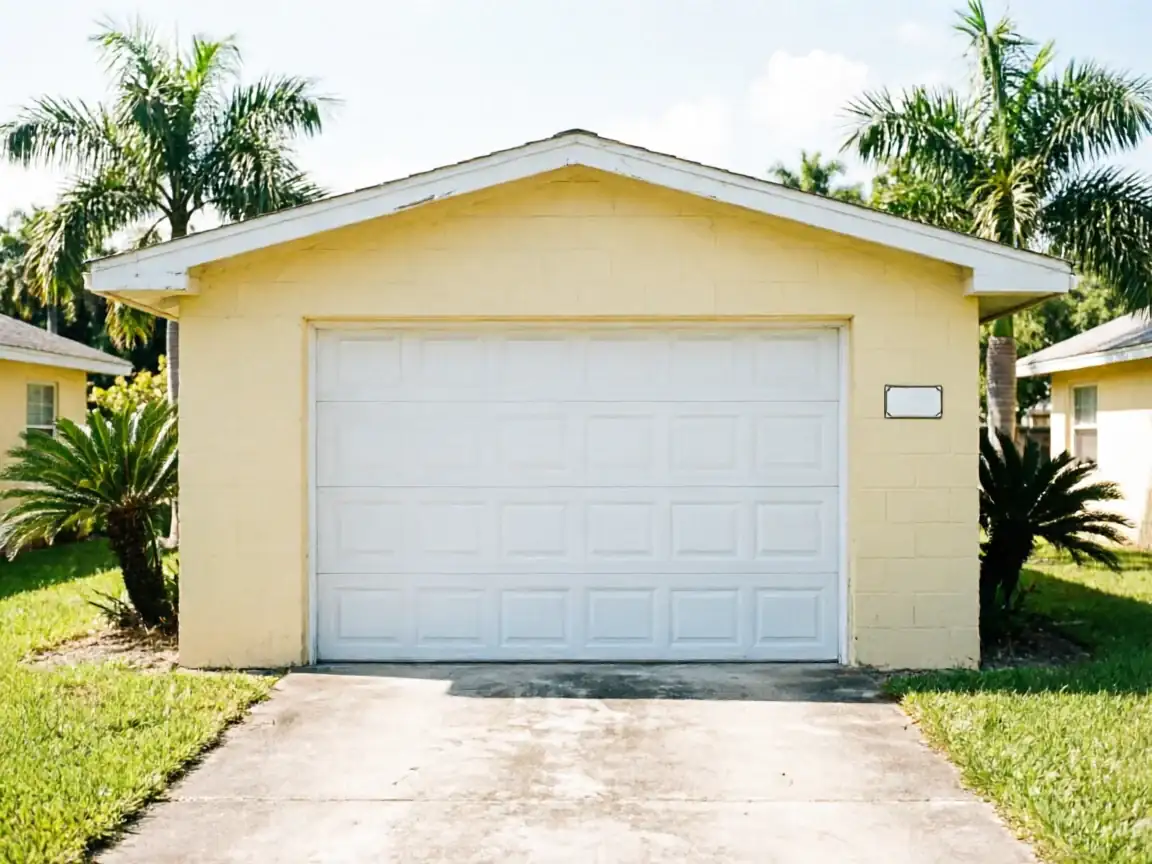
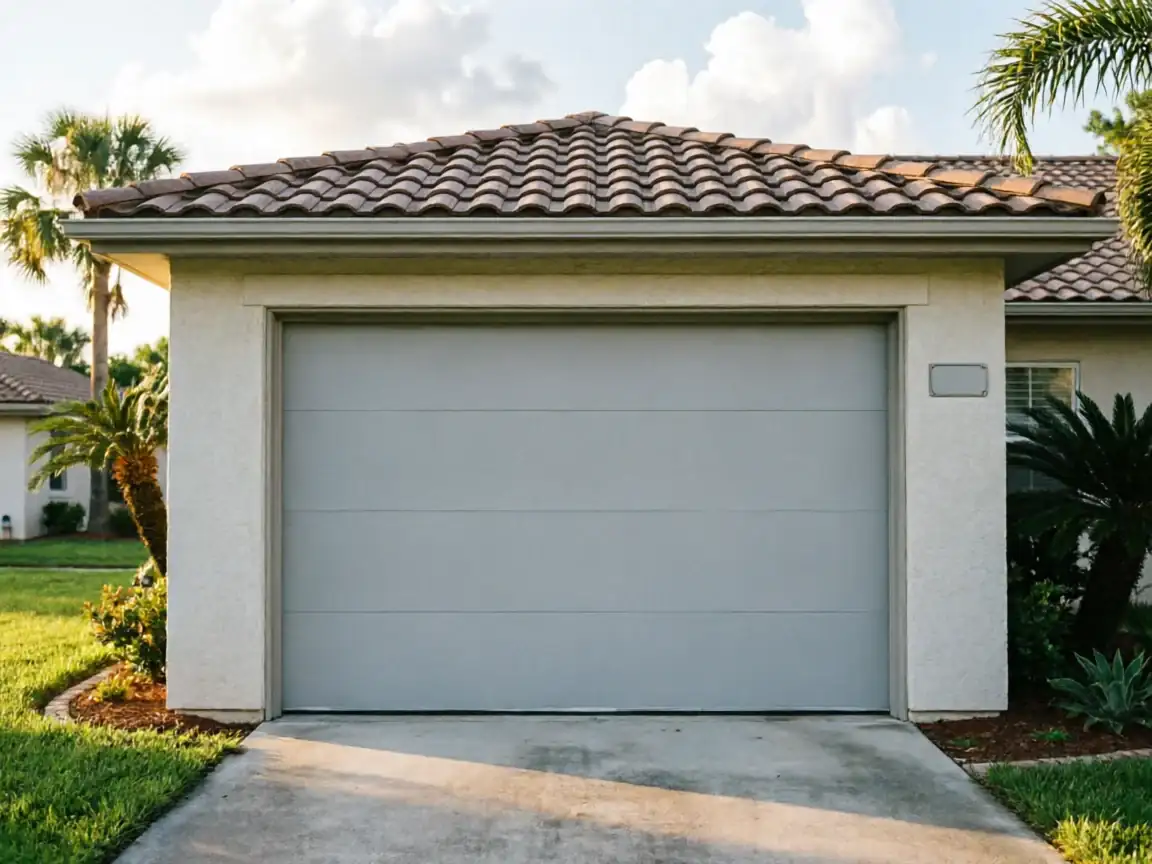
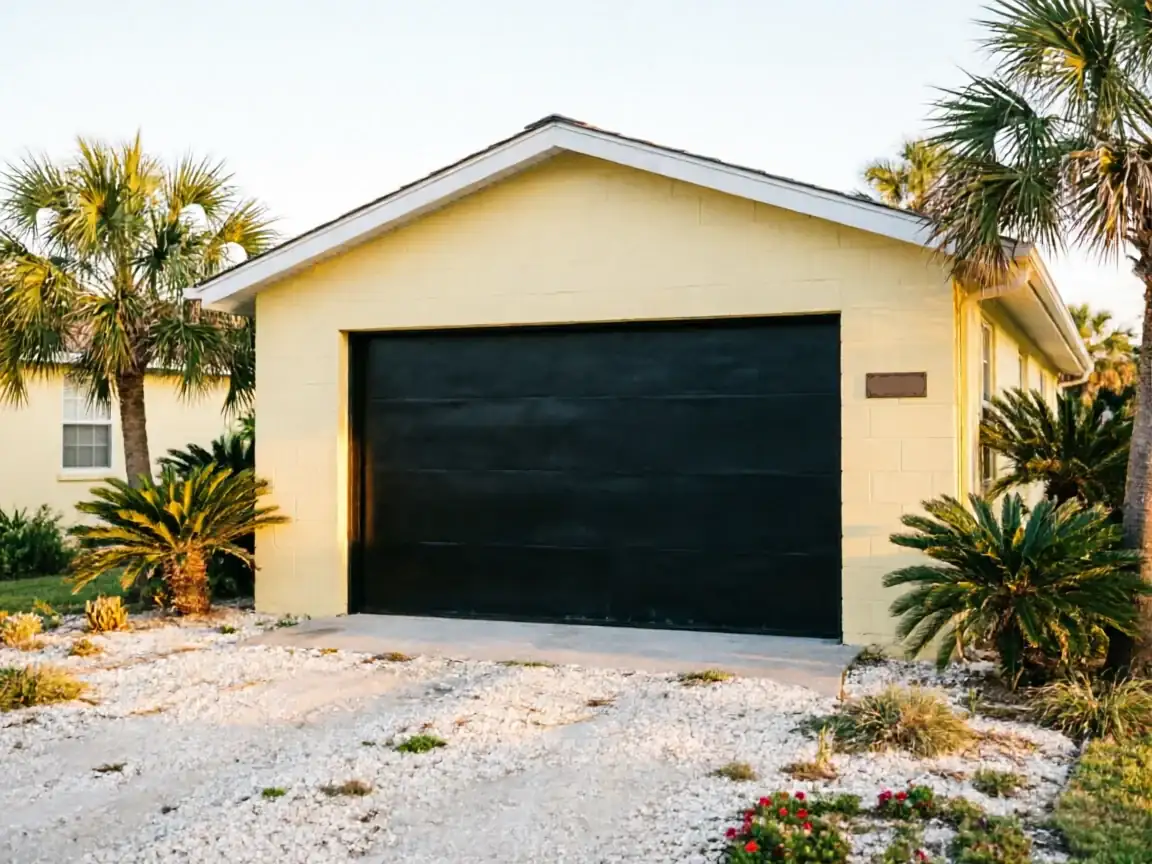
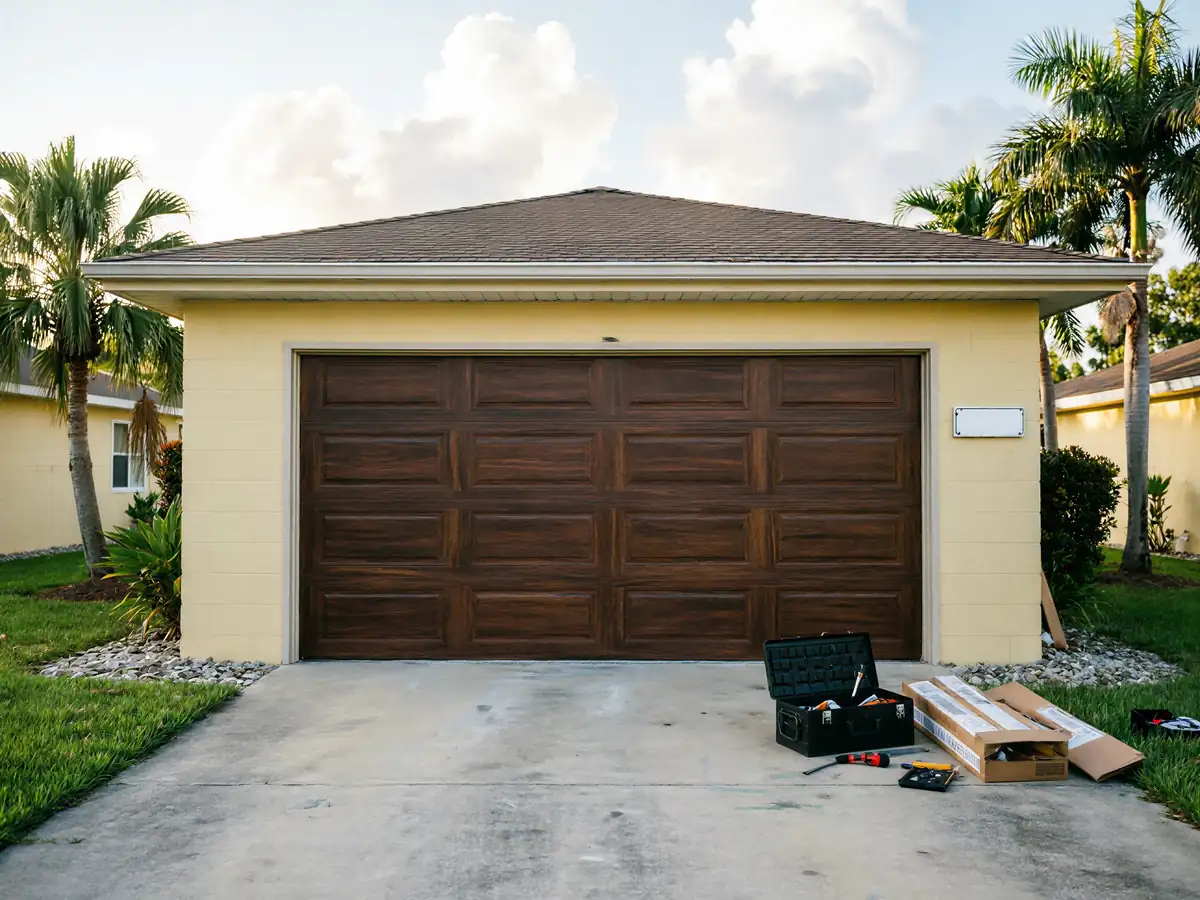
A lot of the housing stock across this service area went up between 1965 and 2021, with the median closer to 1978, so openings vary a lot by subdivision. A 1970s-era opening often needs new jamb framing or a header check before a door goes in square, where a 2000s build usually just needs the old door pulled and the new one set. We don't quote a flat number over the phone for that reason - we look at the opening first.
We won't tell you a steel door is the only answer if your HOA or your budget says otherwise
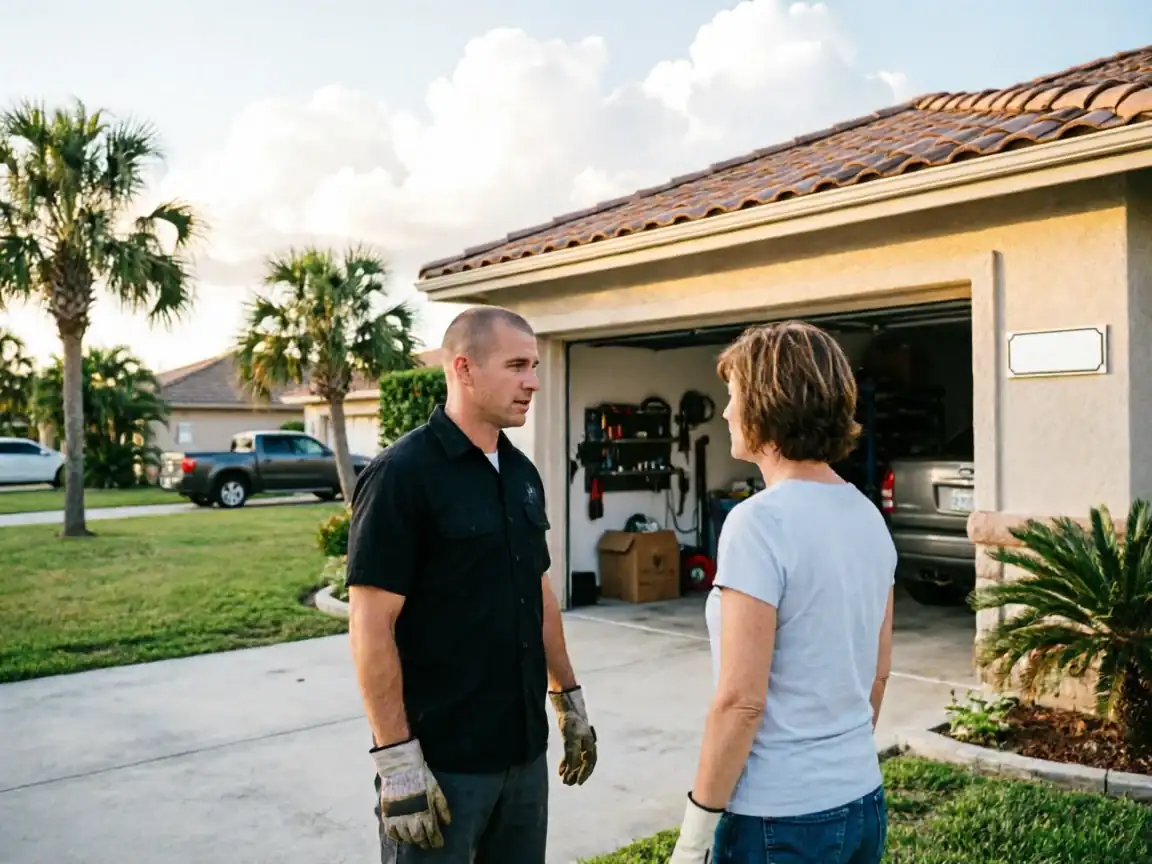
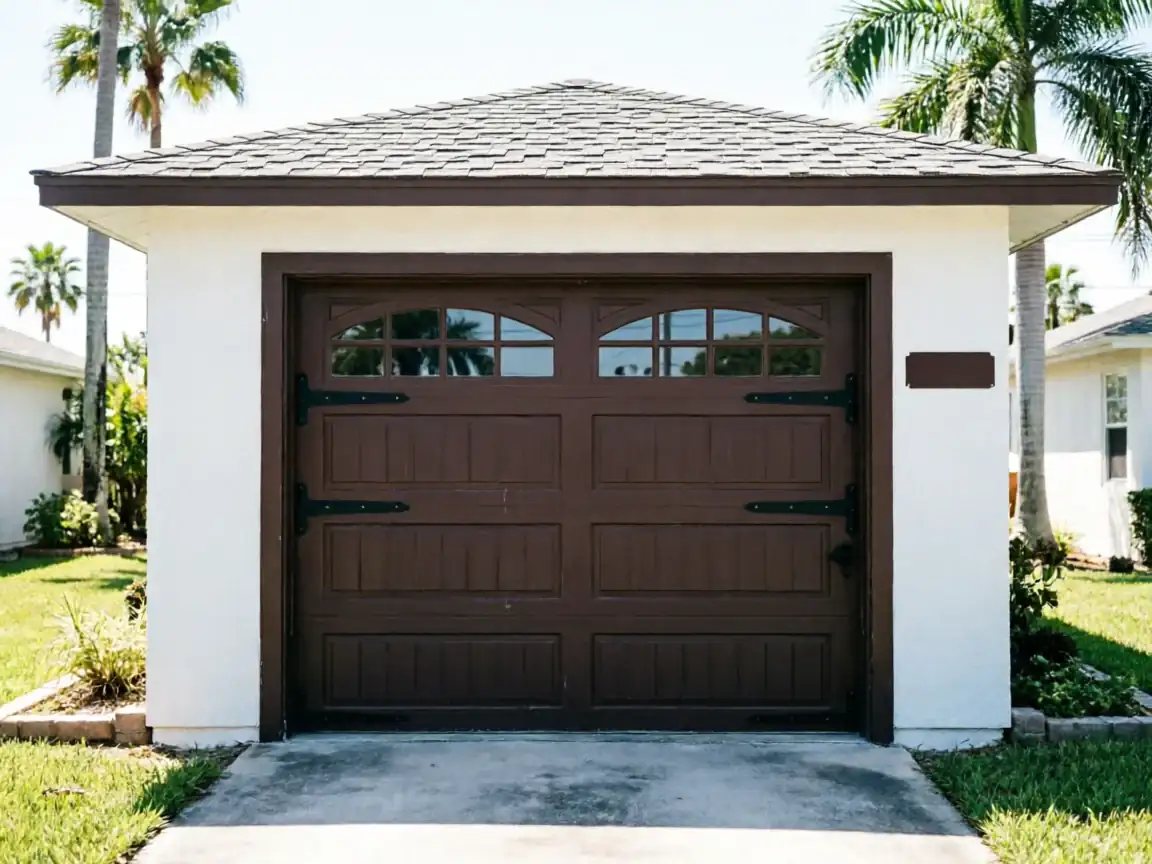
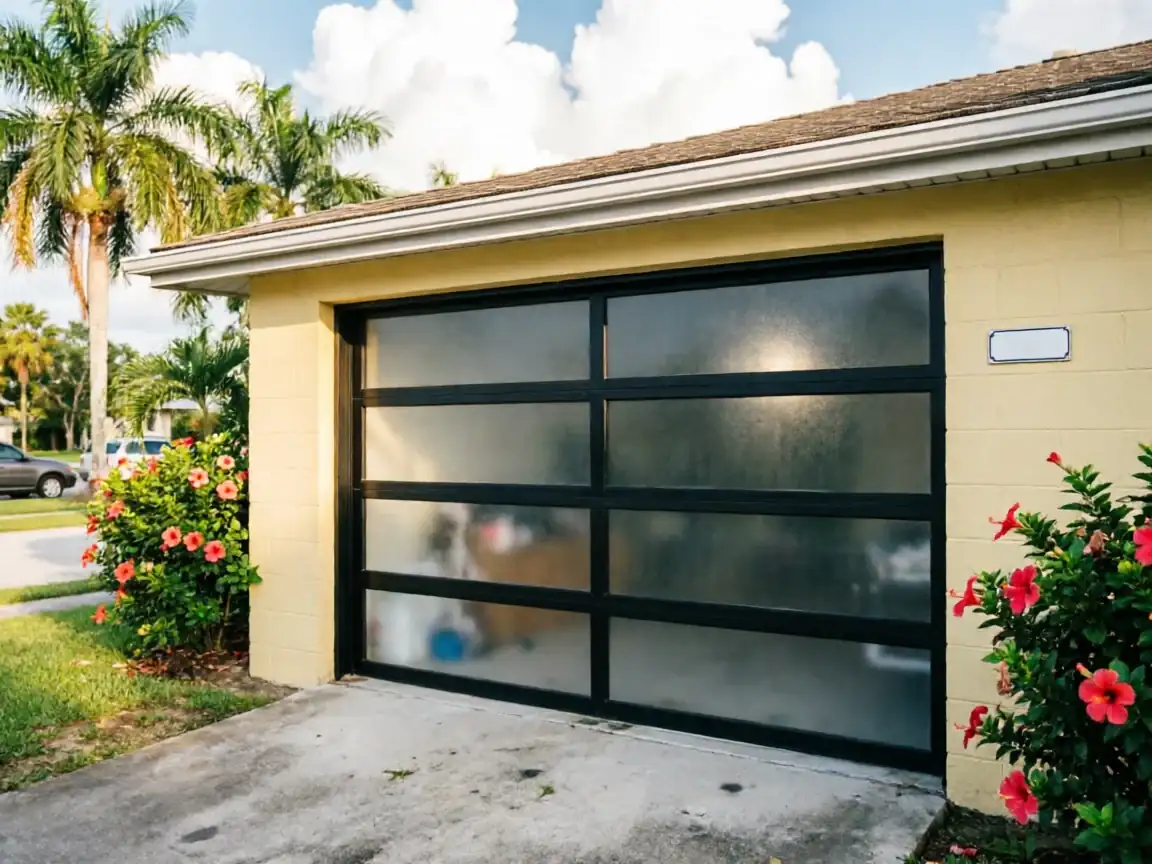
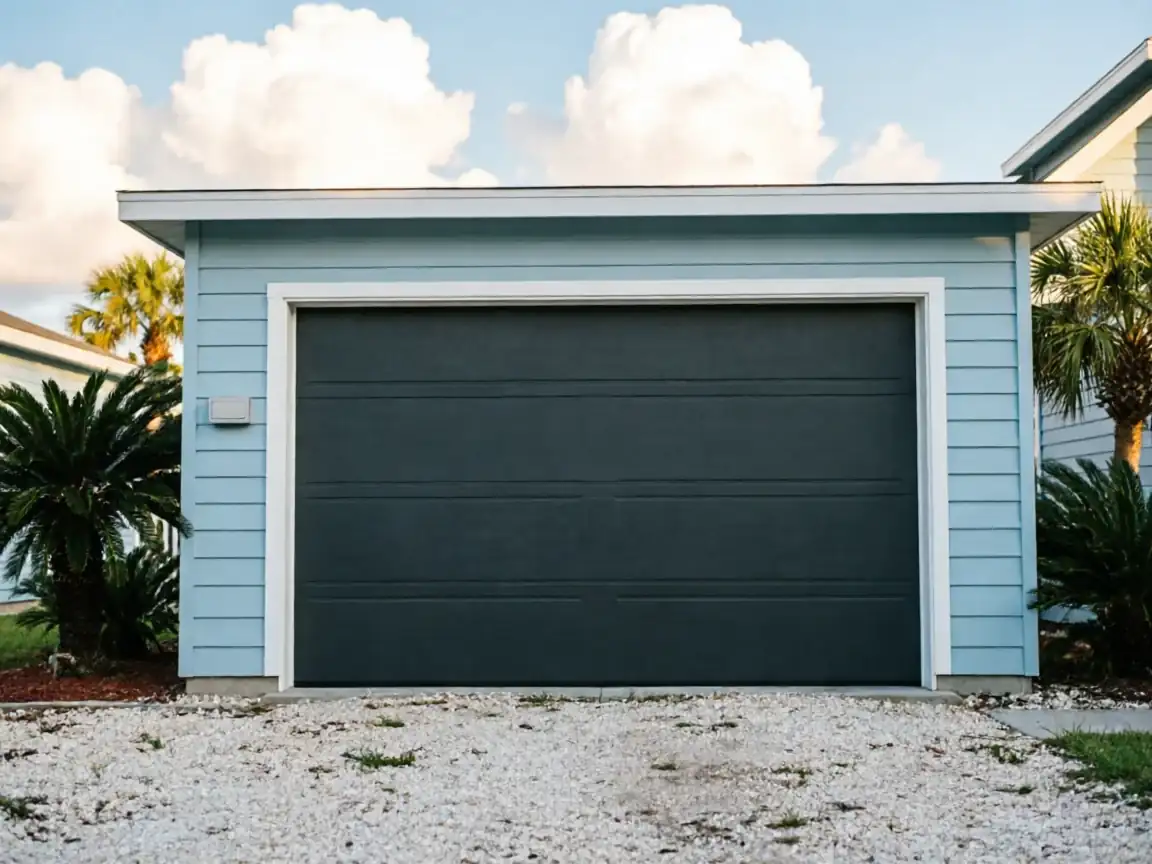
And we won't push a premium insulated door on a detached garage that isn't climate controlled. With median household income in the area at $92,382, we see a real mix of jobs - some owners replacing a tired builder-grade door with another builder-grade door, others upgrading to heavier gauge steel or glass-panel doors. Both are legitimate. The honest limitation: if your tracks or opener are also shot, replacing just the door without addressing those usually means a second call within a year. We'll say so before we leave, not after.
Parts We Carry
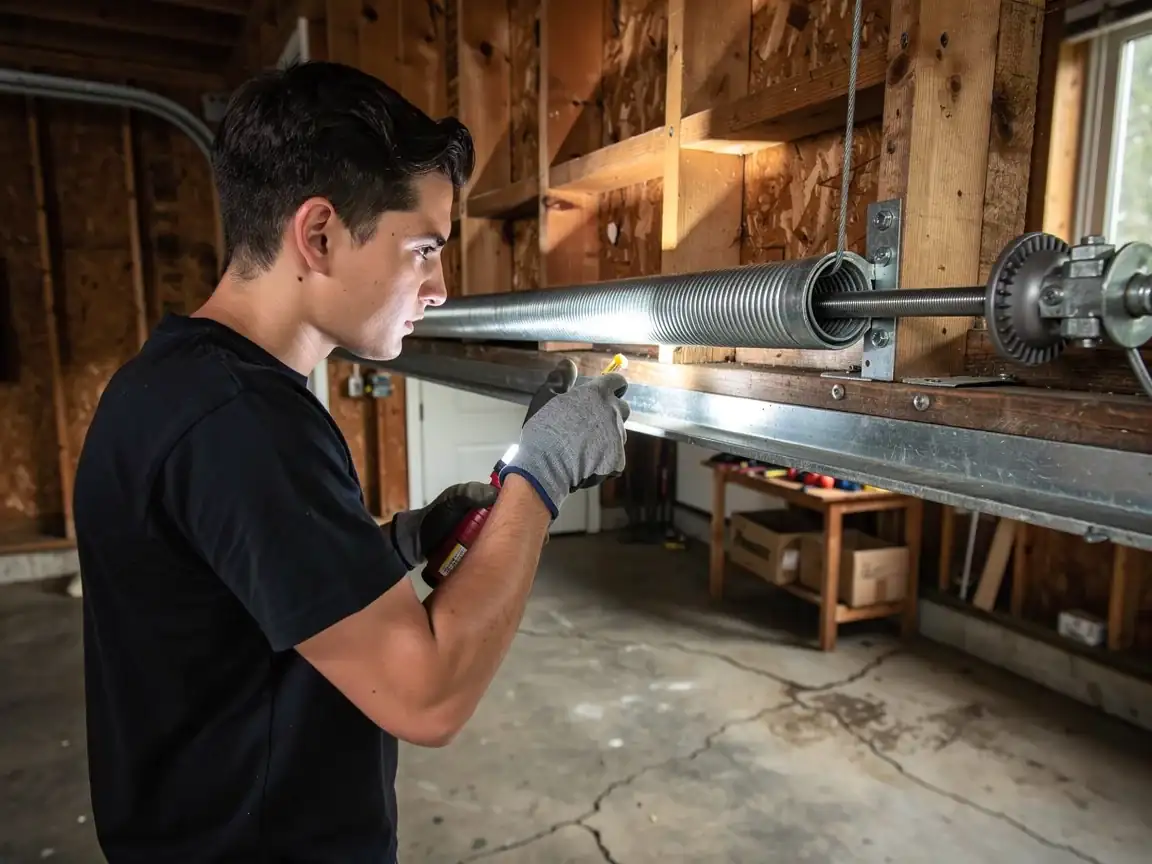
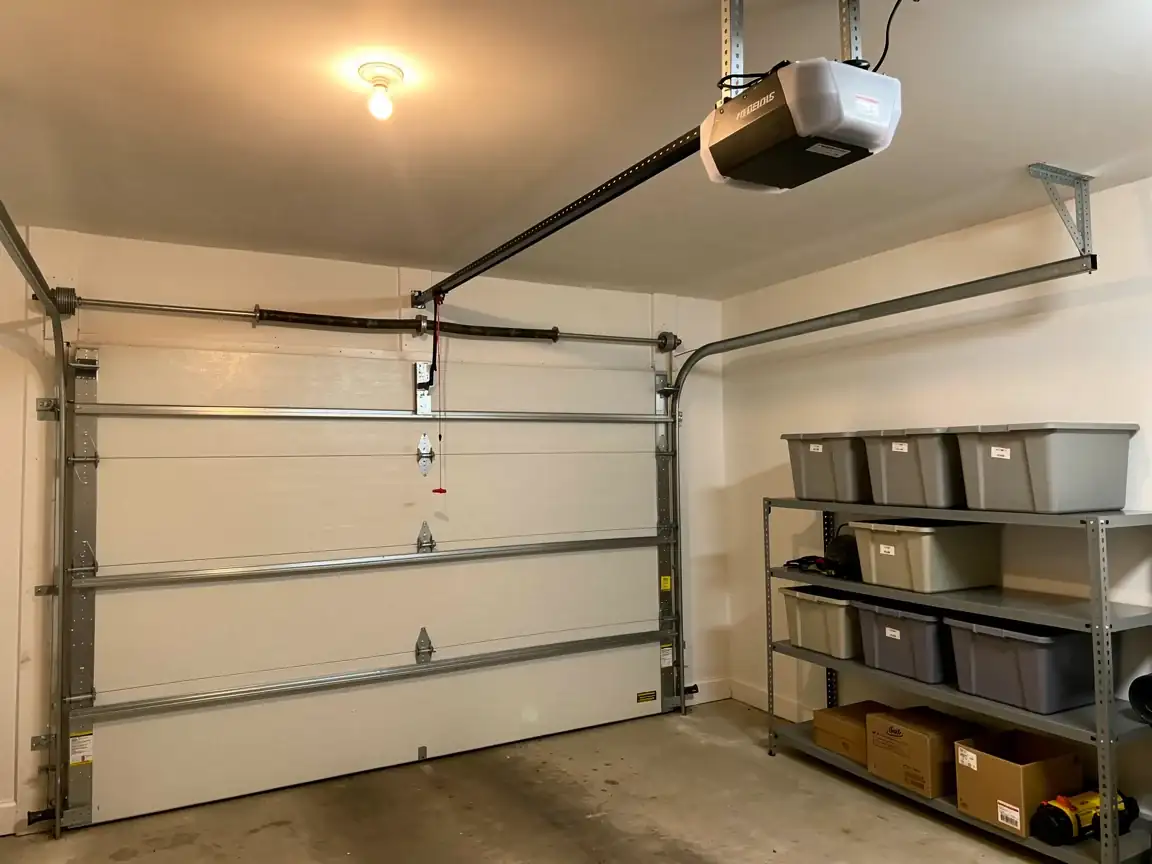
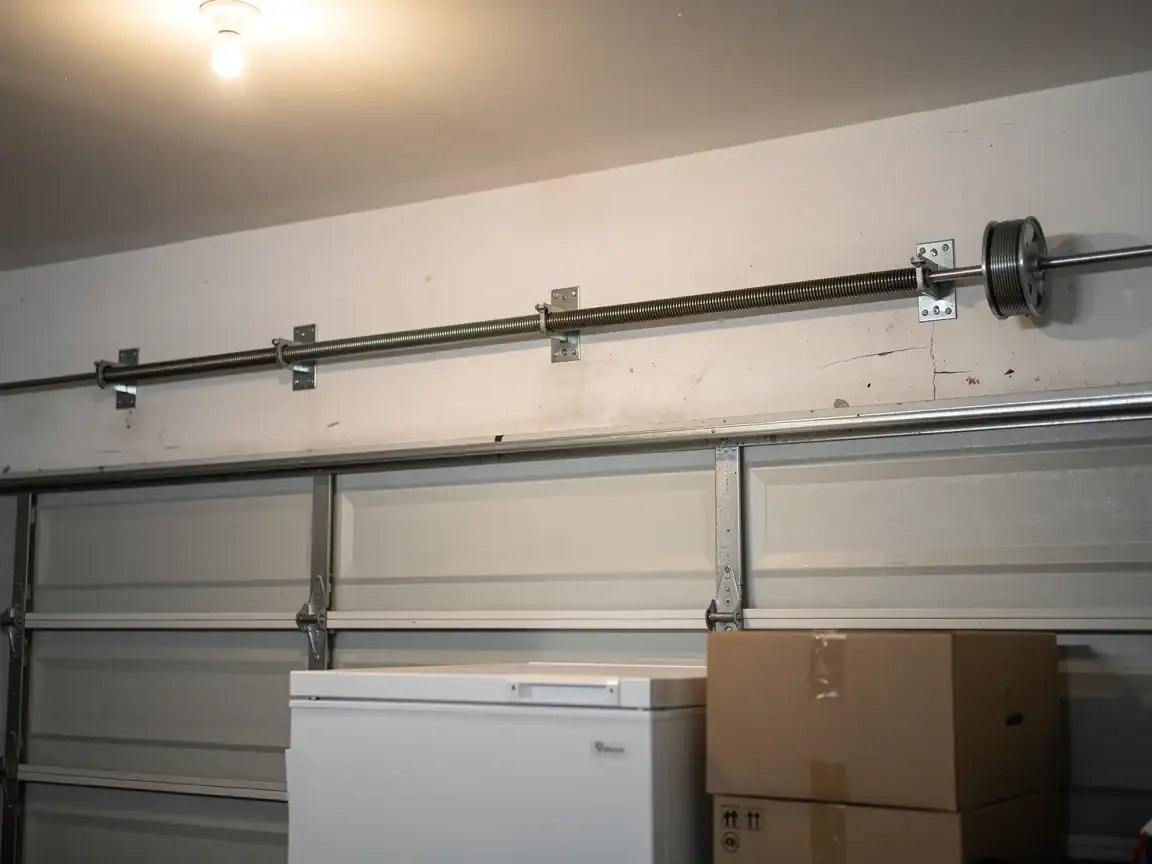
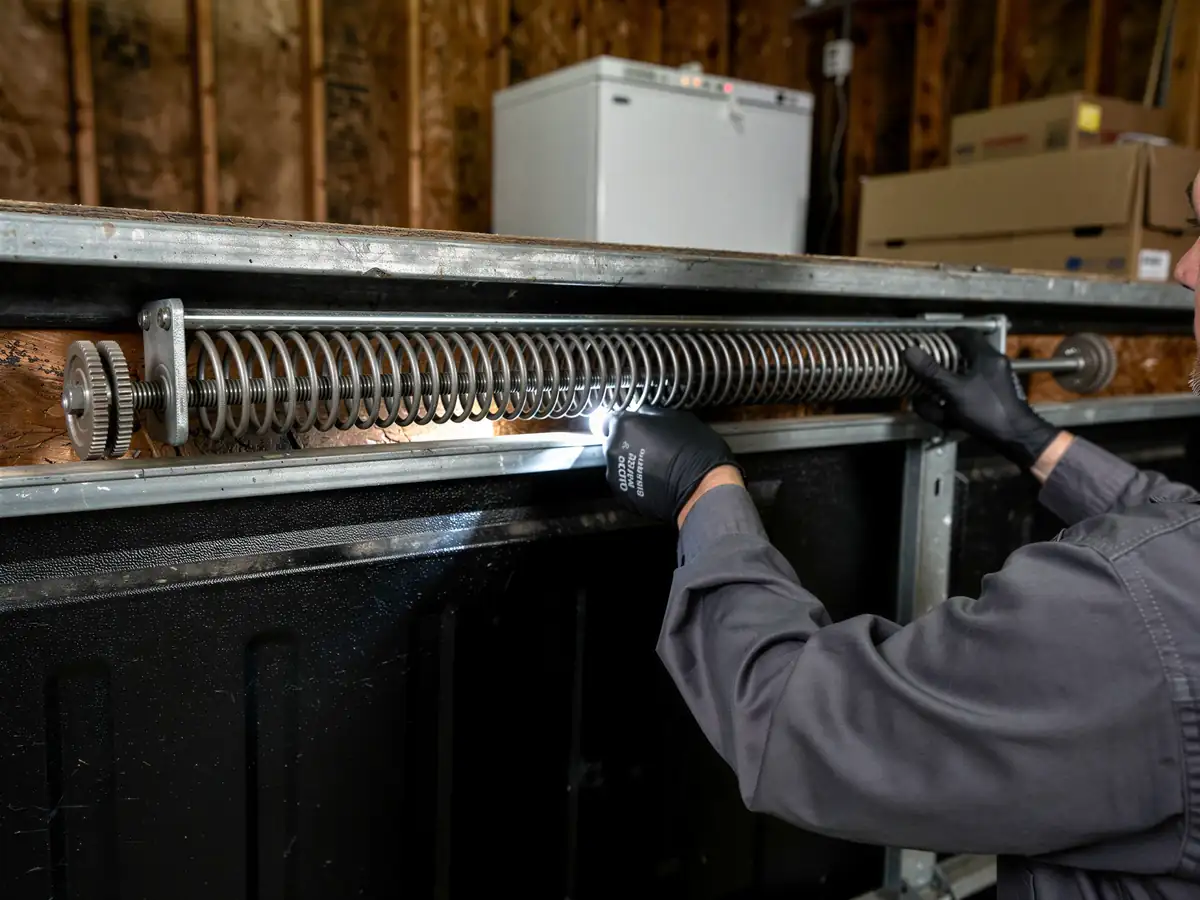
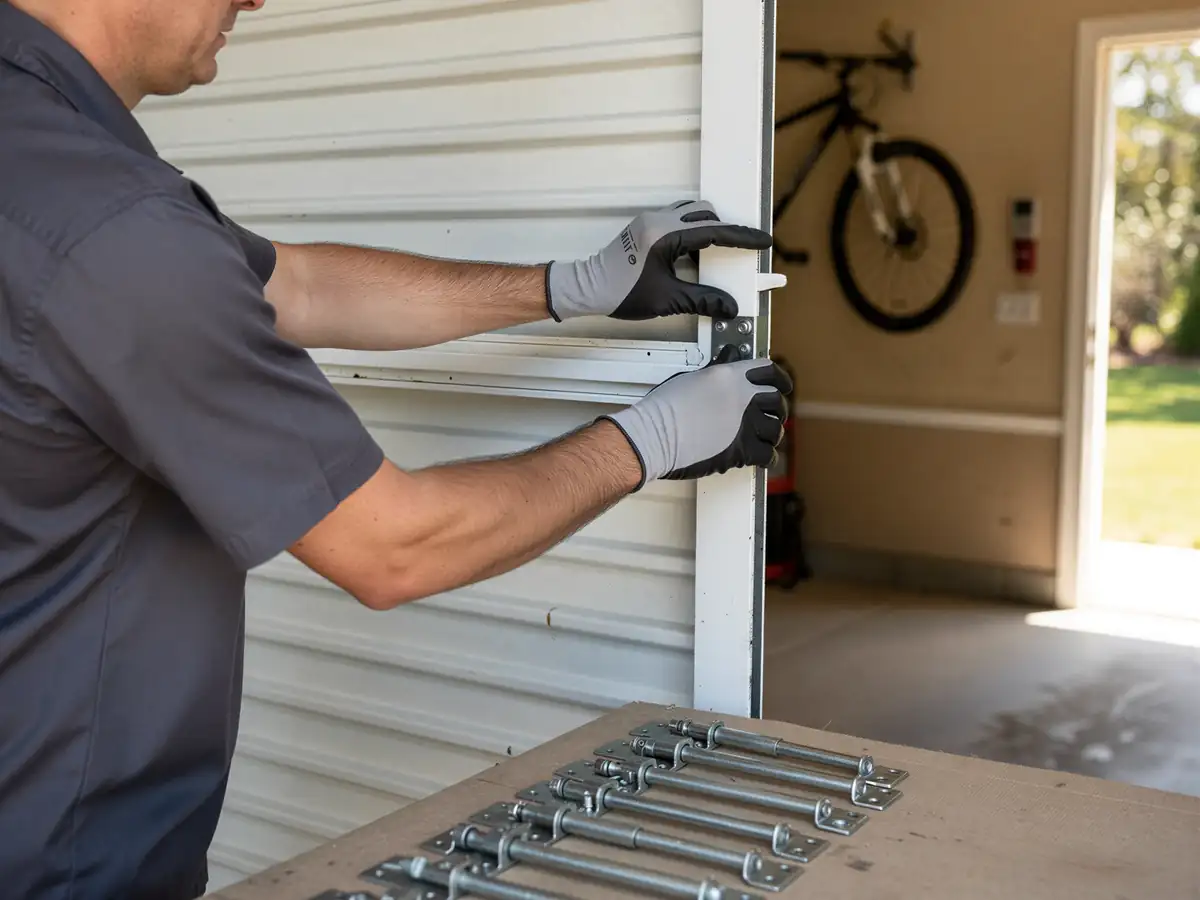
We stock standard torsion springs, rollers, and galvanized track sections sized for the door widths common in this area's 1960s-70s single and two-car garages, plus the hardware that goes with wider, newer openings built after 2000. Panels and sections for older doors can be a longer lead item if the original manufacturer discontinued the line - that happens more often on homes from the 1965-1980 range than on newer builds, and we'll tell you up front if a full door replacement is faster and cheaper than chasing a matching panel.
Because the climate here runs mild temperate with sustained humidity rather than hard freezes, we lean toward galvanized and stainless hardware over standard zinc-plated parts, which corrode faster near the coast. That's a stocking decision based on what fails here, not a generic upsell.
How It Shows Up
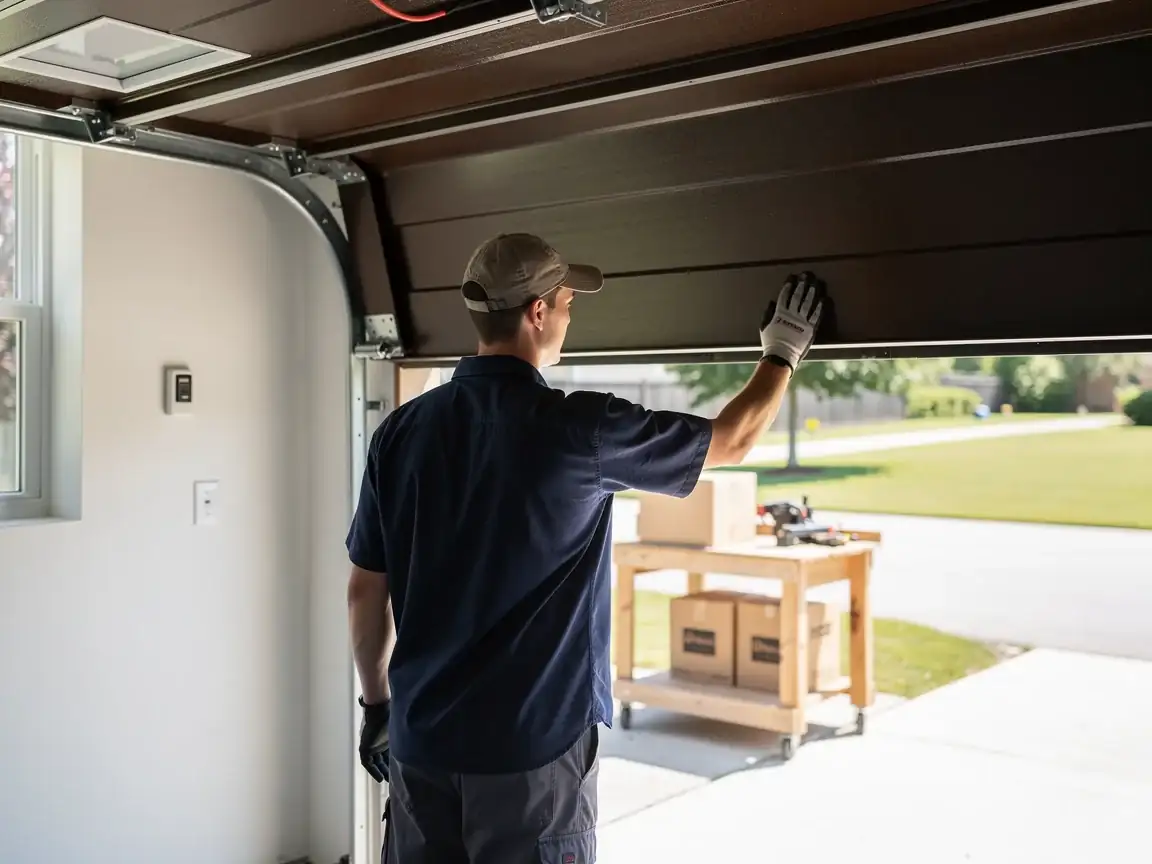
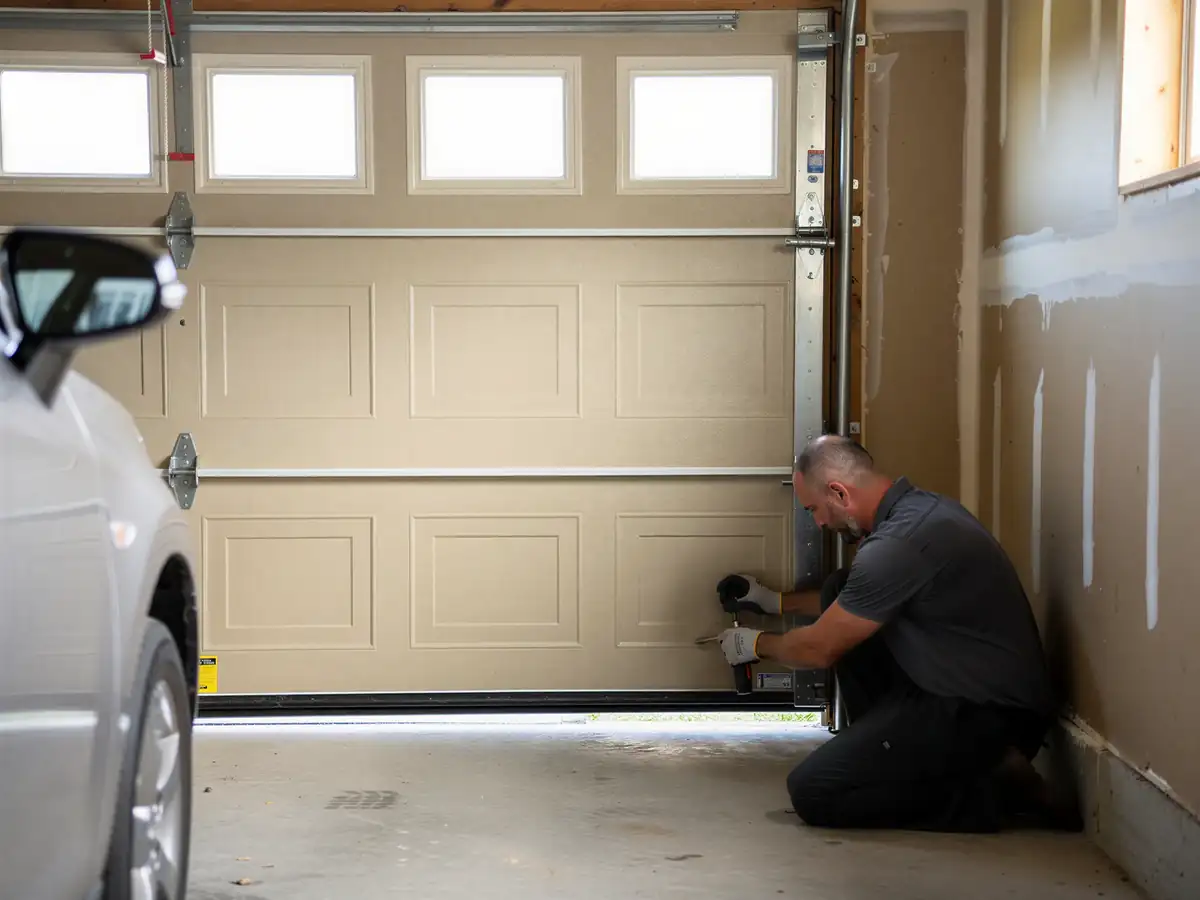
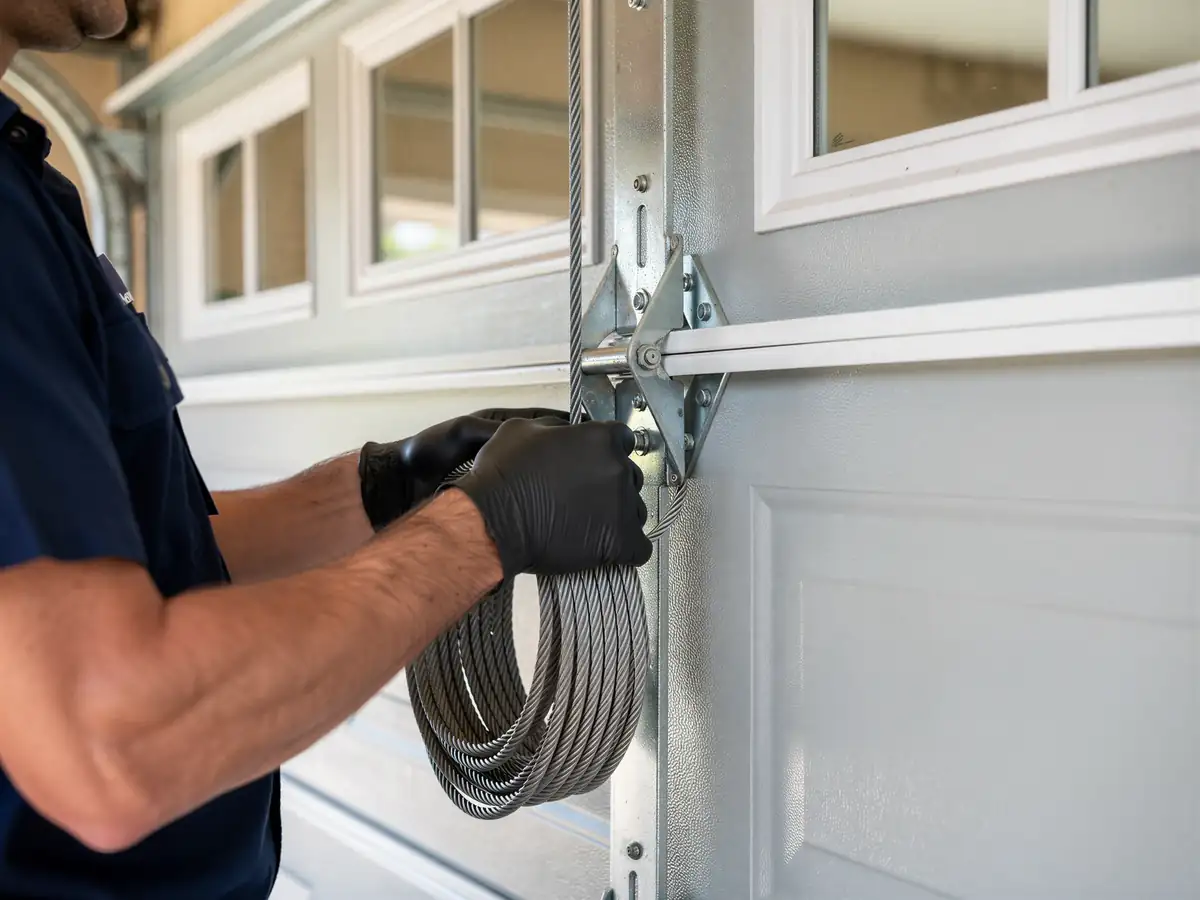
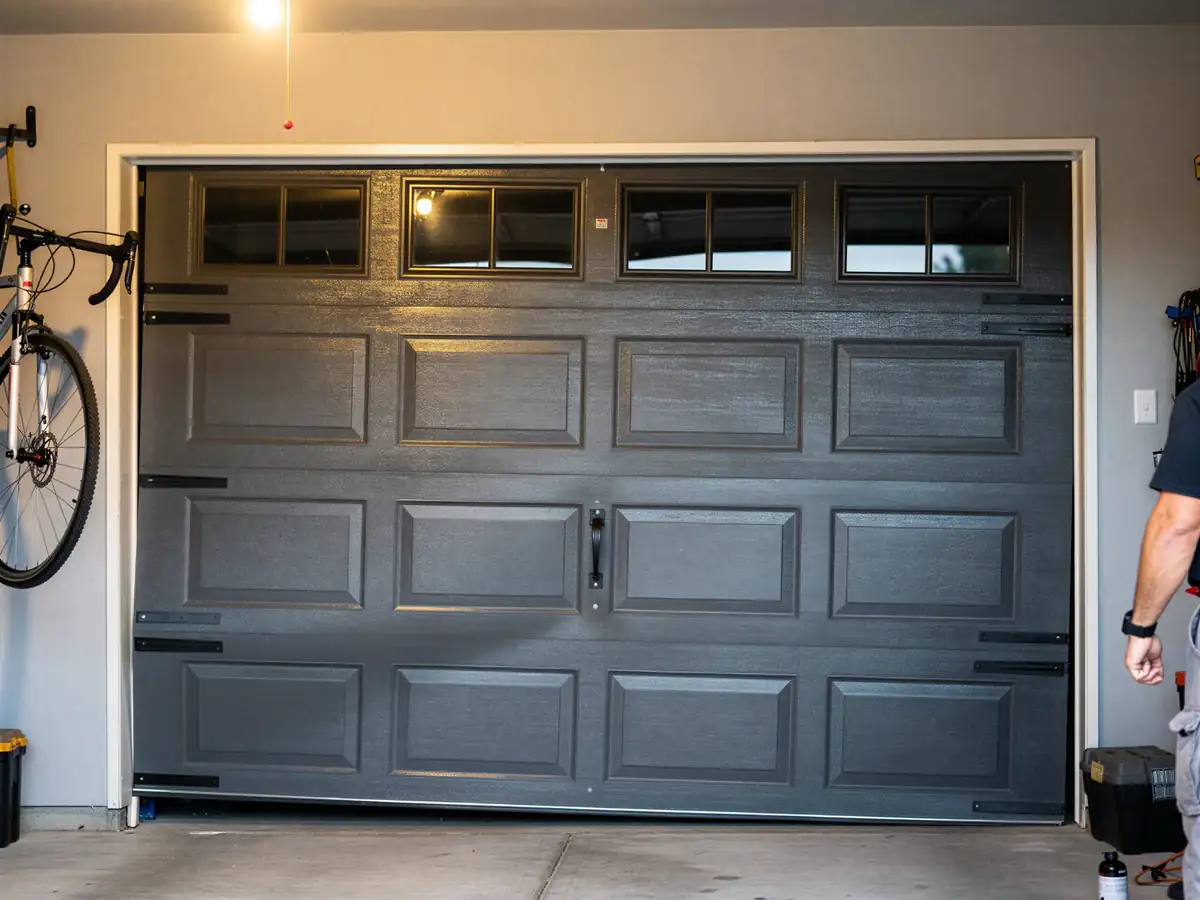
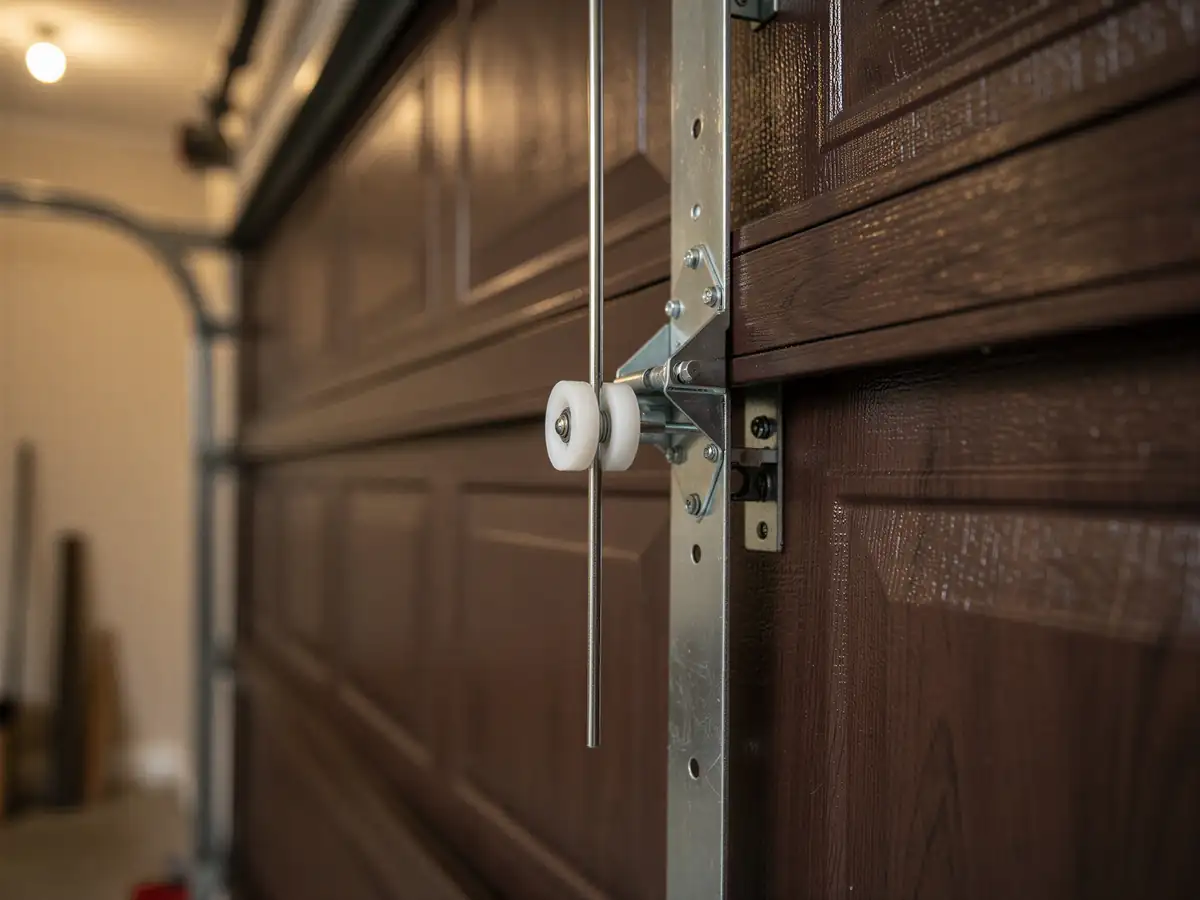
On older openings - the 1960s and 70s stock that makes up a lot of the housing in this service area - the most common installation issue is a door that's structurally fine but mounted on hardware that was never rated for today's heavier insulated panels. You'll see it as a door that sags at the center rail or an opener that strains and reverses on the way up. On newer construction built after 2000, the problems we see at install time are different: openings framed slightly out of square, or code-required wind-load bracing that wasn't specified when the garage was built.
Either way, a straight install without checking the opening's age and condition just moves the problem down the road a few months.
What Causes It Around Here
West Palm Beach sits in a mild temperate band
But mild doesn't mean dry - the humidity and salt air moving in off the coast work steadily on steel hardware, springs, and fasteners, especially within a few miles of the water in places like Palm Beach Shores or Palm Beach itself. Houses built in the 1965-1978 window, which is a big share of what's out there, often still have their original track mounting hardware even after a door replacement, because whoever did that earlier swap just hung a new door on old brackets. That's the single biggest driver of early installation failure we see: new door, old hardware, mismatched load rating.
Newer builds closer to Westgate and Riviera Beach tend to come with better factory bracing
But we still check wind-load rating on every install, because a door that isn't rated for it won't hold up to what this coast throws at it over a few seasons.