What Was Built Here
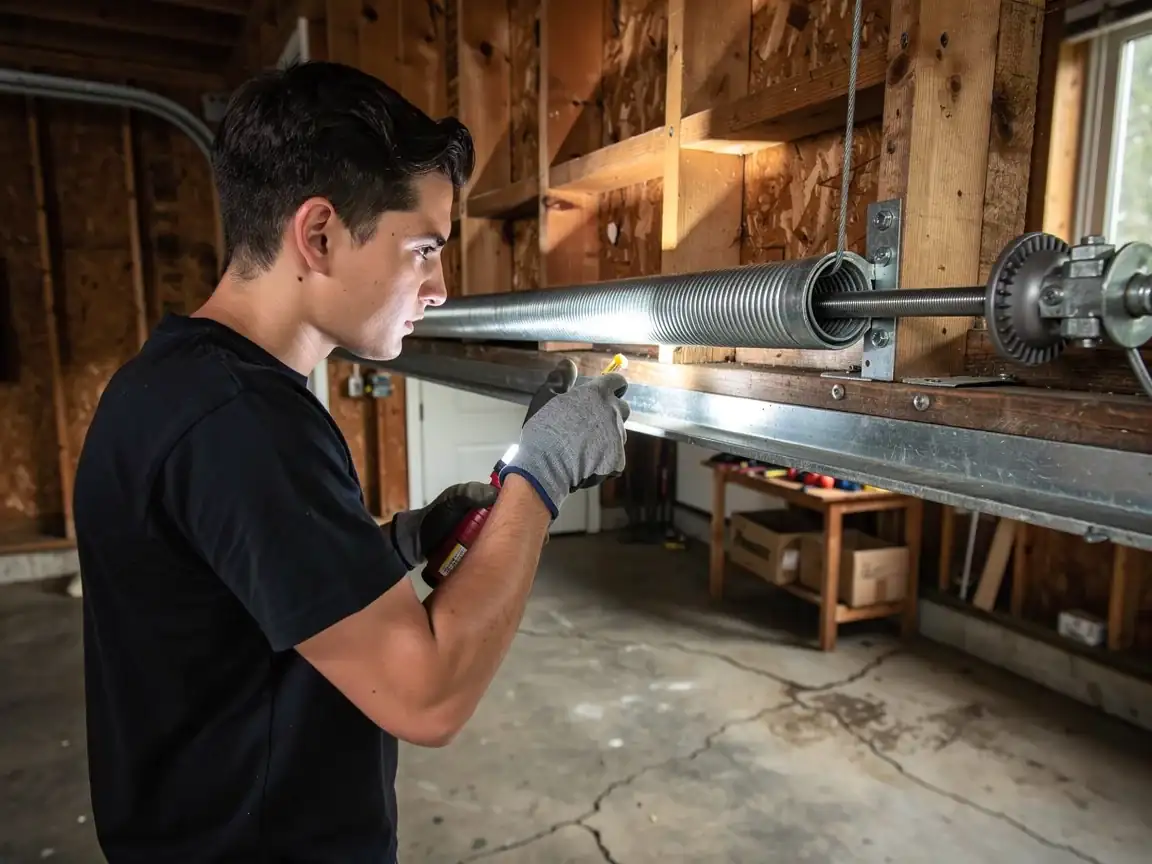
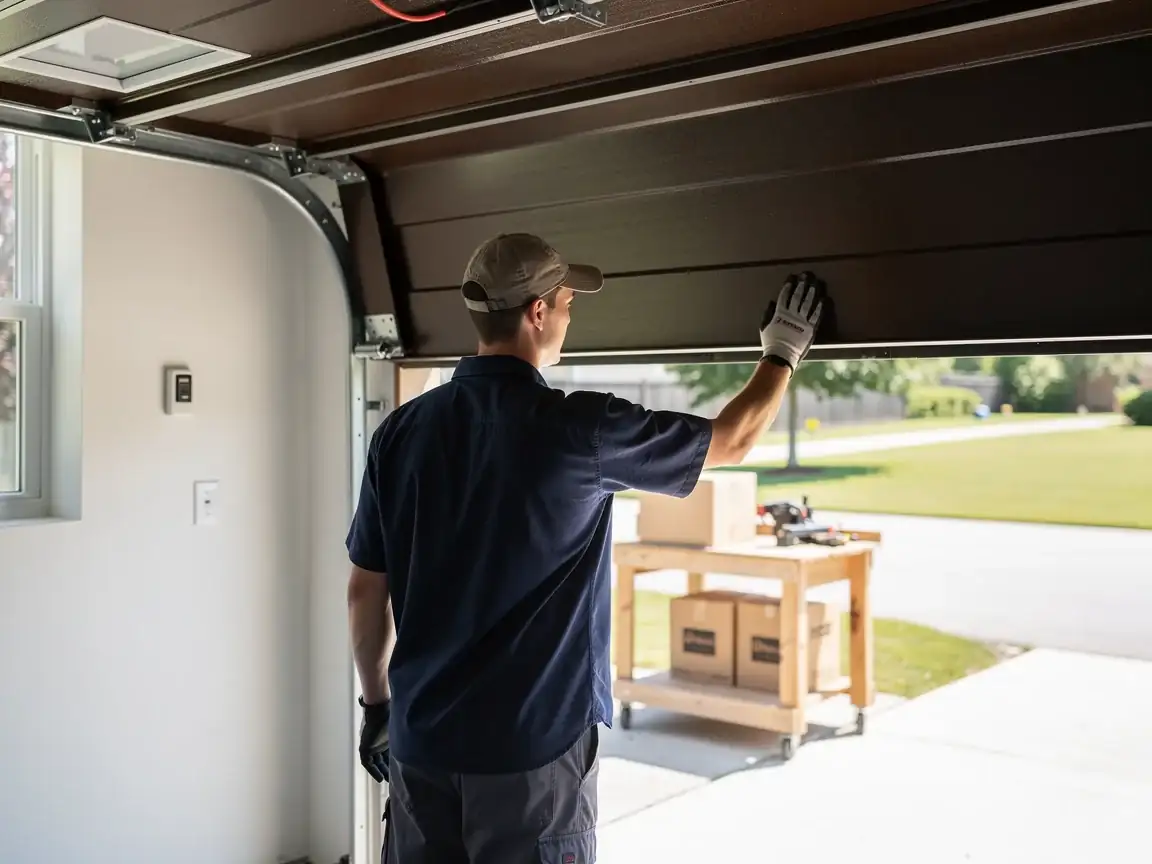
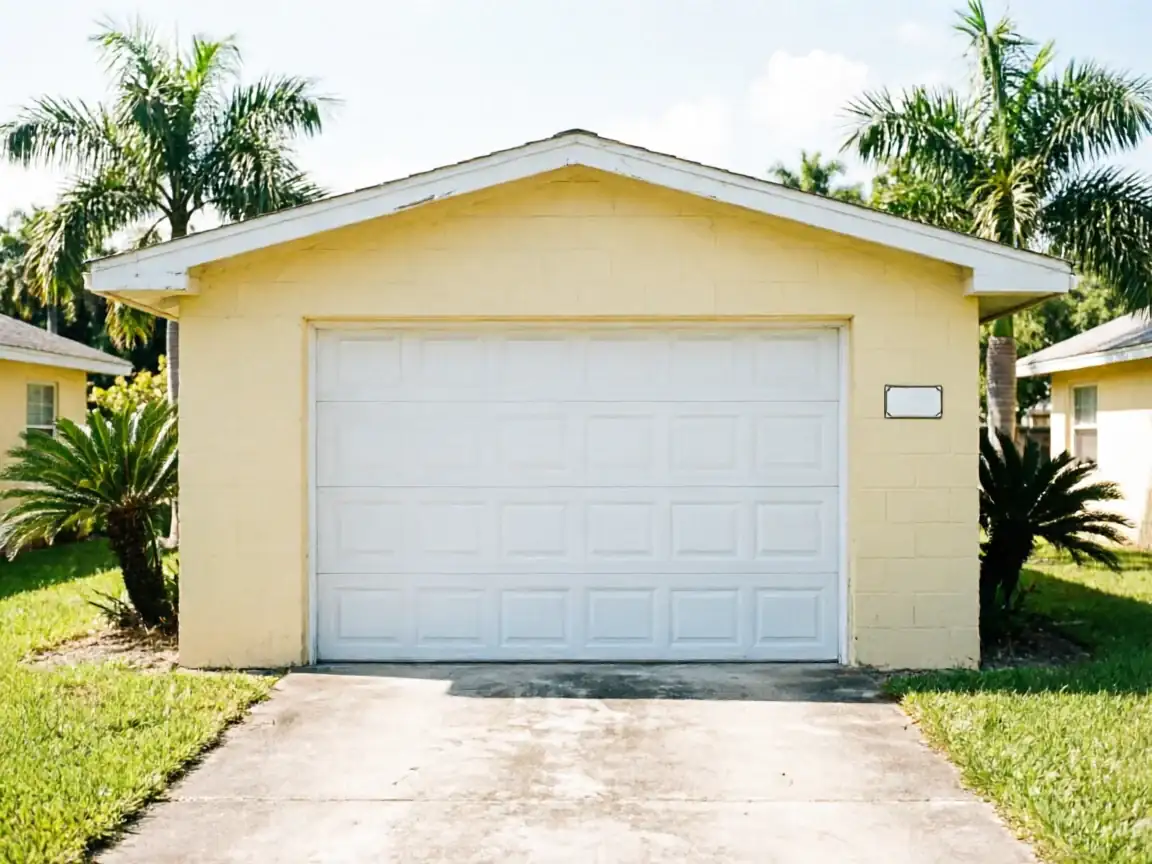
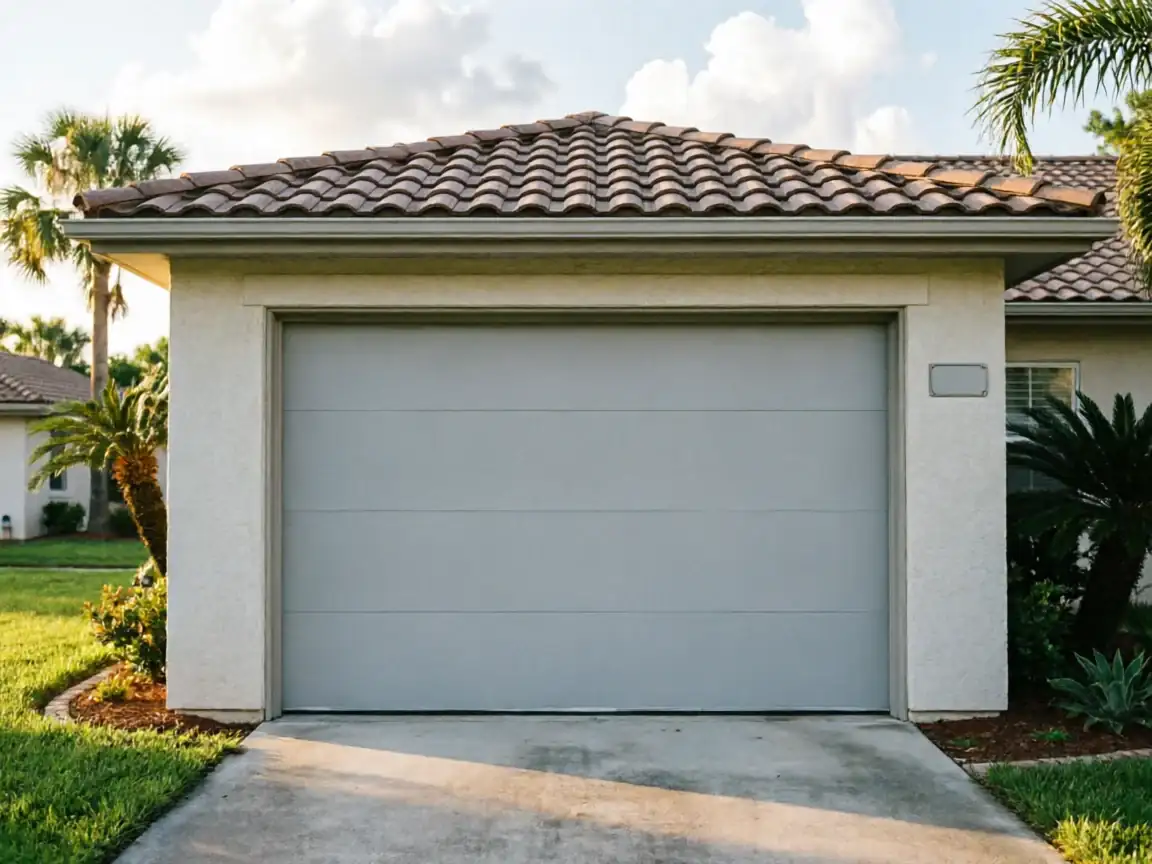
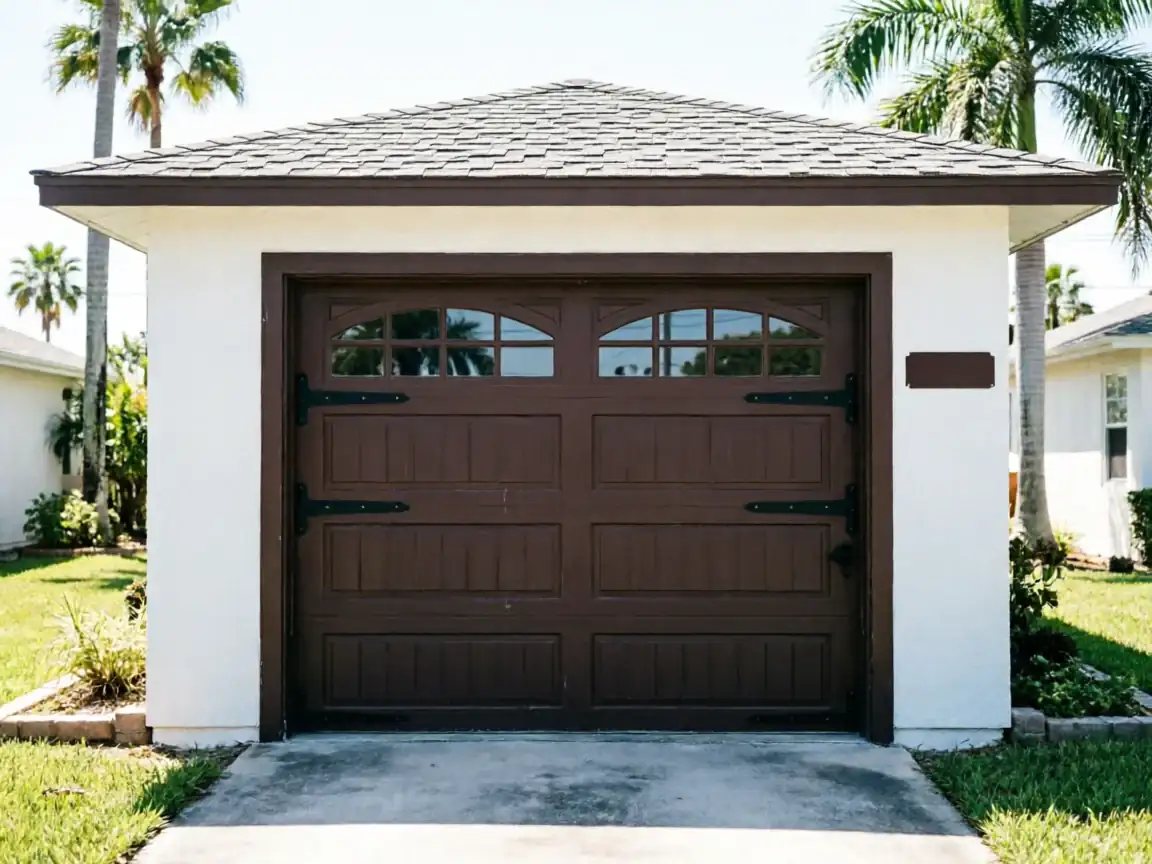
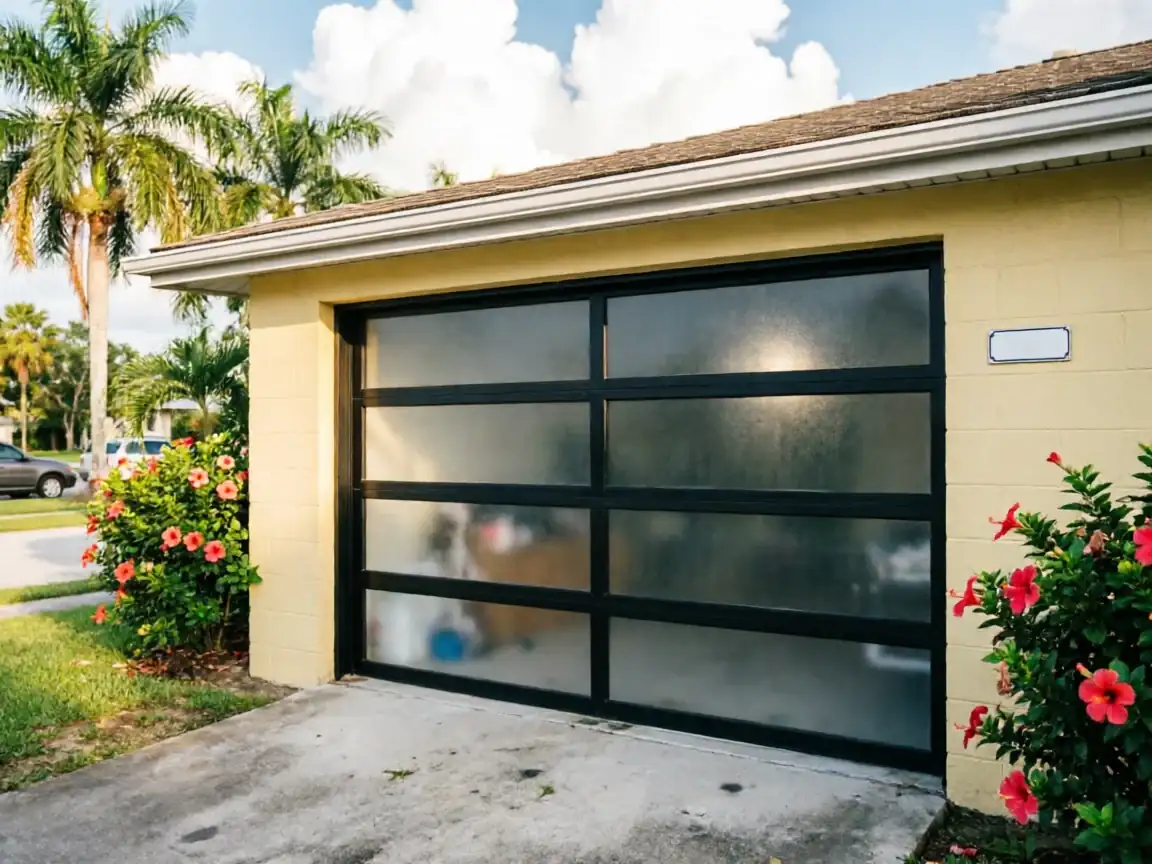
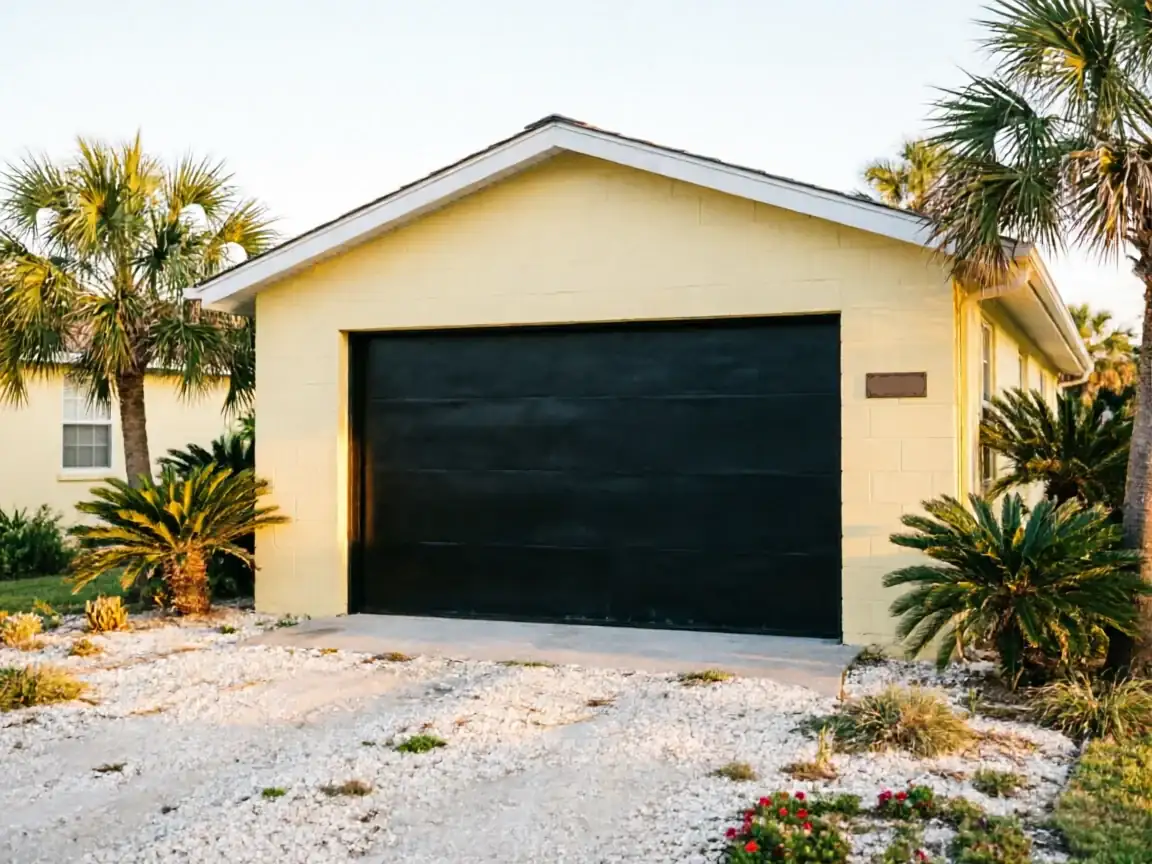
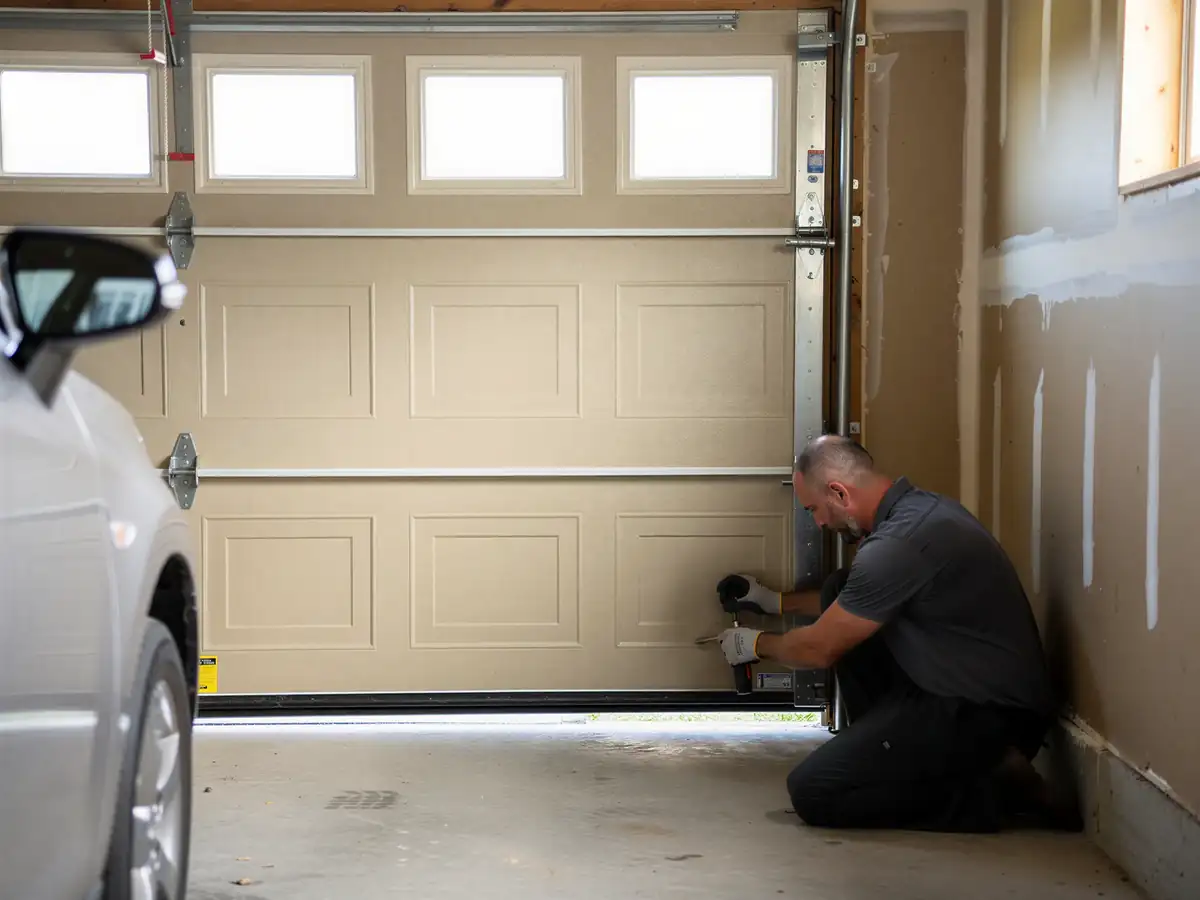
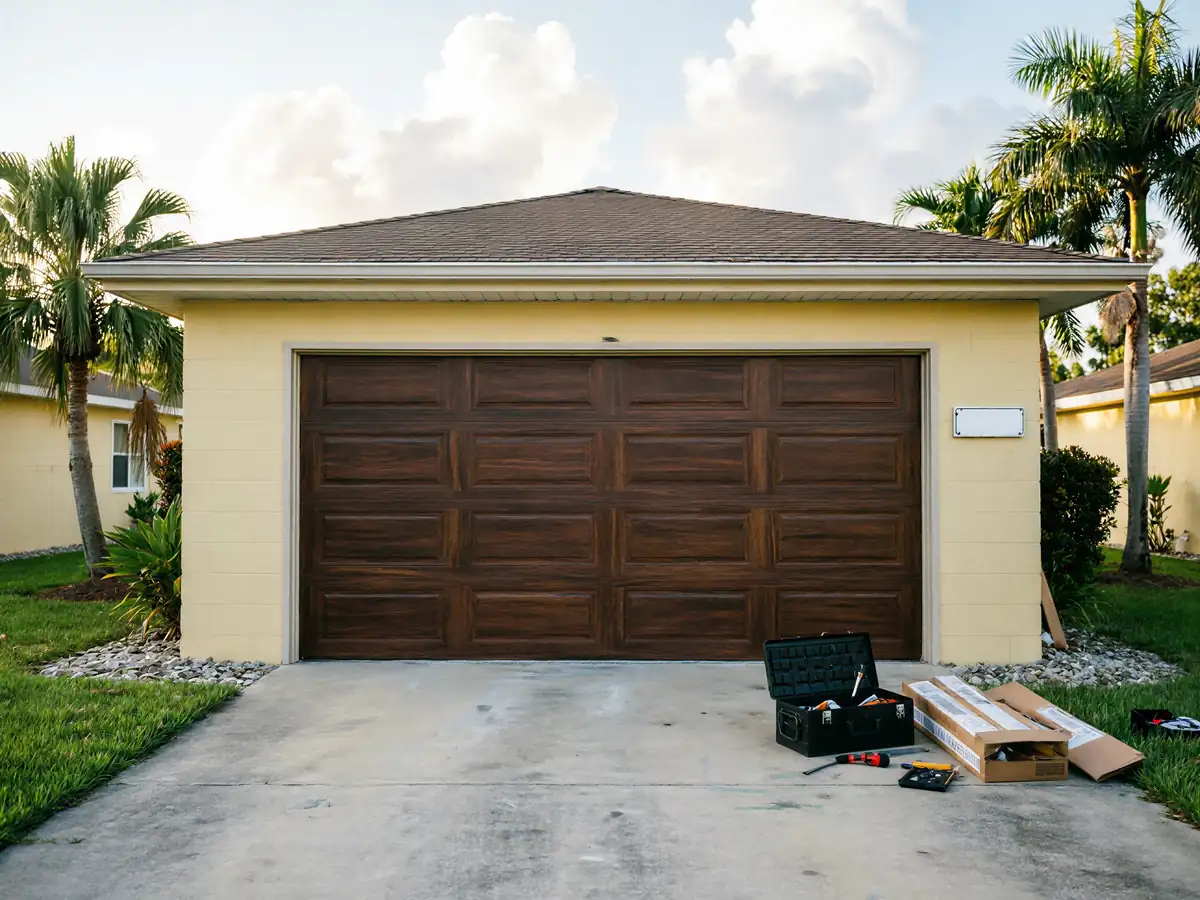
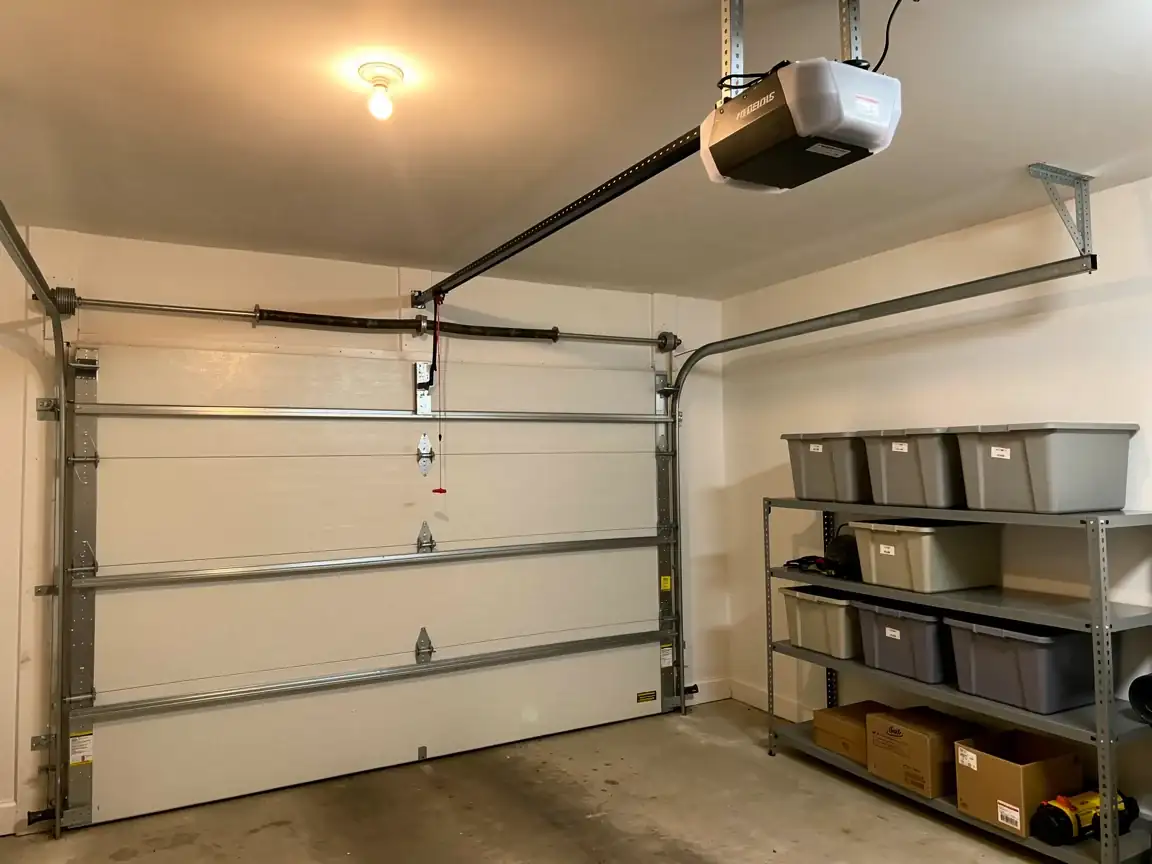
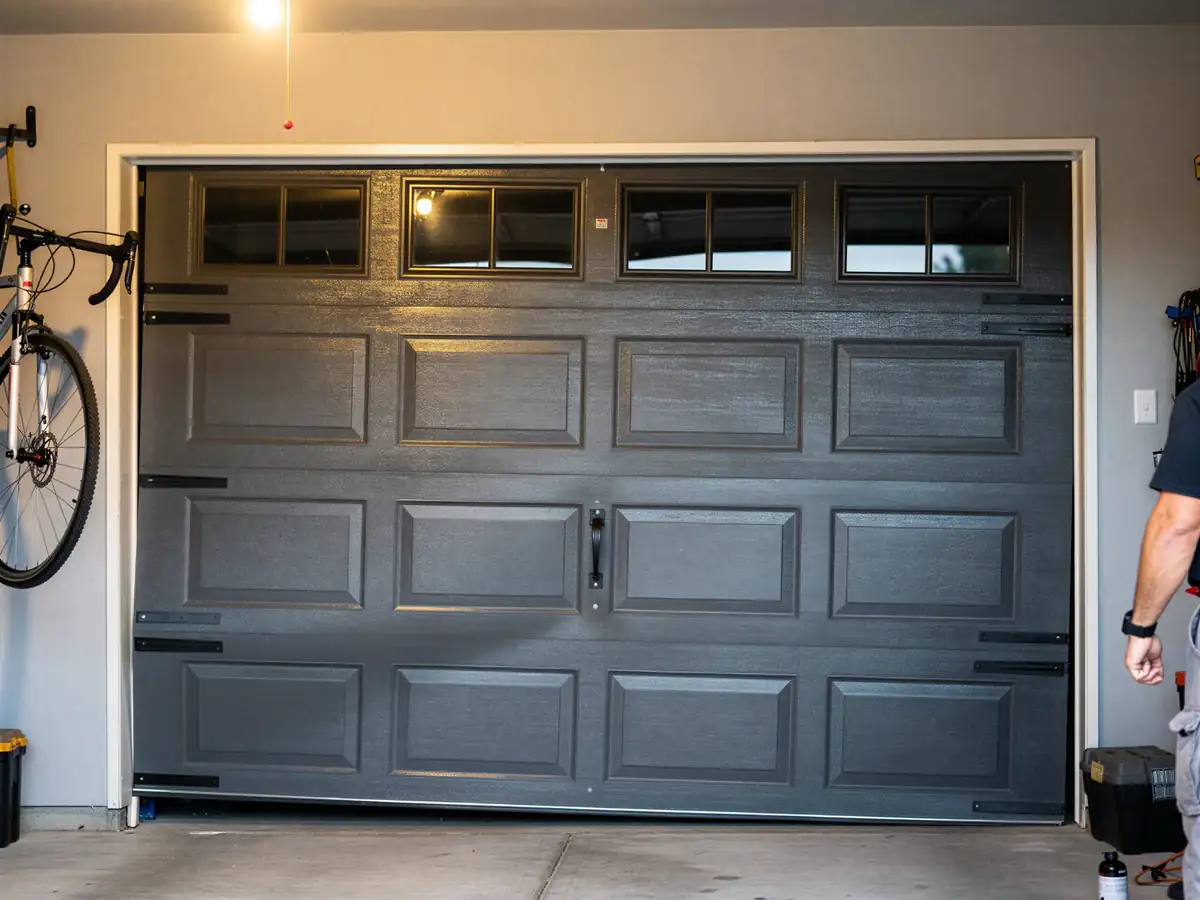
With a median build year of 1987, Greenacres skews later than much of the broader service area, where the overall mix runs from 1965 up through 2021 with a median around 1978. That decade-plus gap shows up in the hardware. Houses from this era typically shipped with wider garage openings built for two-car doors, sectional steel panels instead of older wood or single-piece styles, and torsion spring systems mounted on a center bearing plate above the door rather than side-mounted extension springs. Openers from this period, if original, are chain-drive units long past any reasonable service life. With roughly 15,411 households in Greenacres, there's a fair concentration of houses that hit this same age range together, which means a lot of original springs and openers aging out around the same window rather than spread evenly over decades.
Older vs Newer Streets
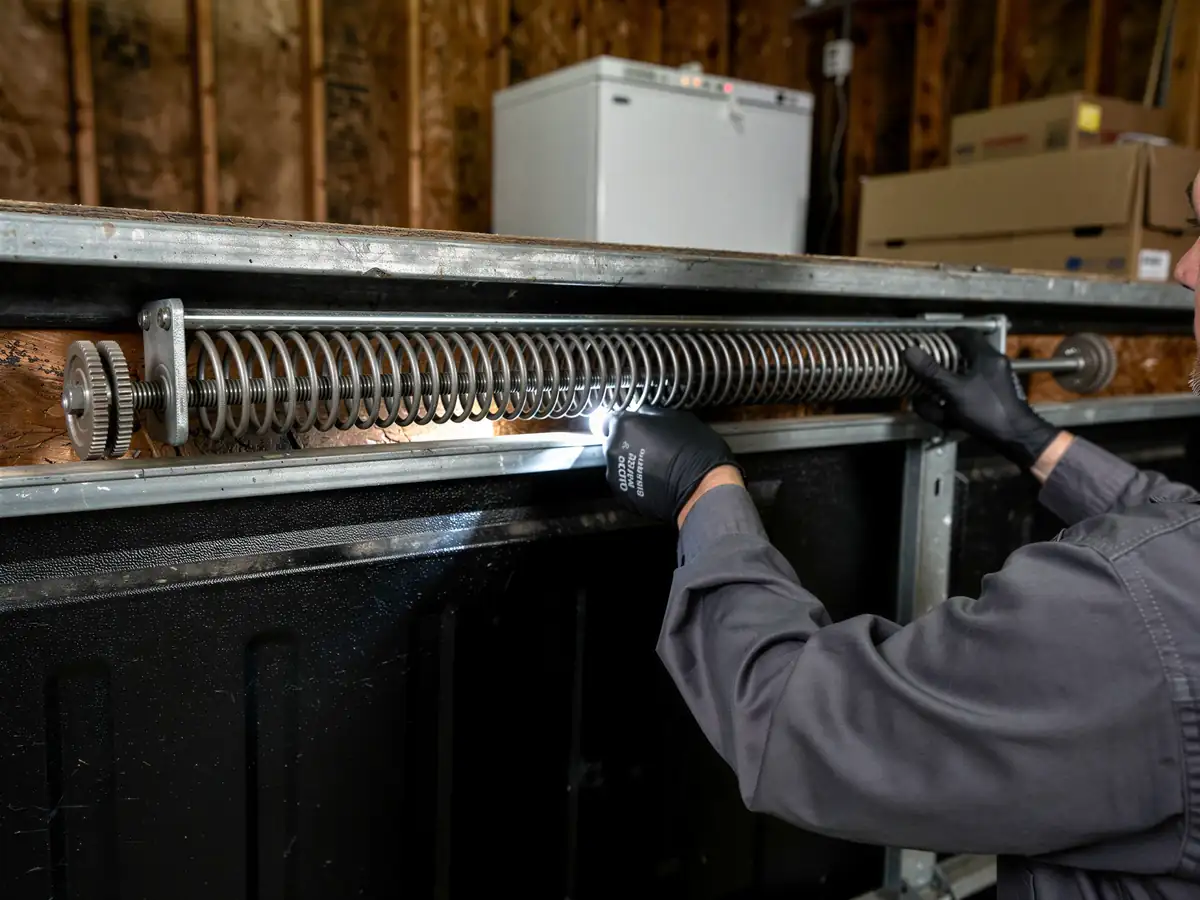
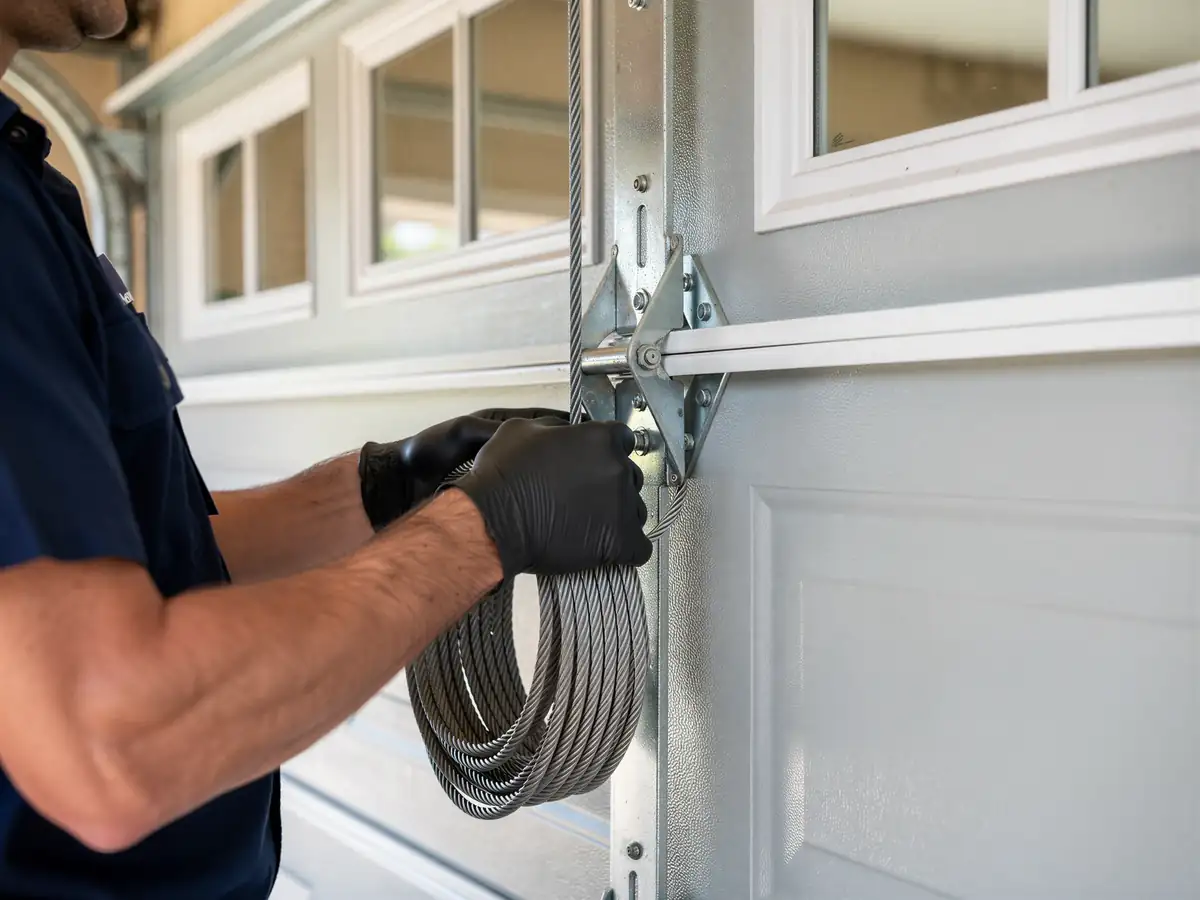
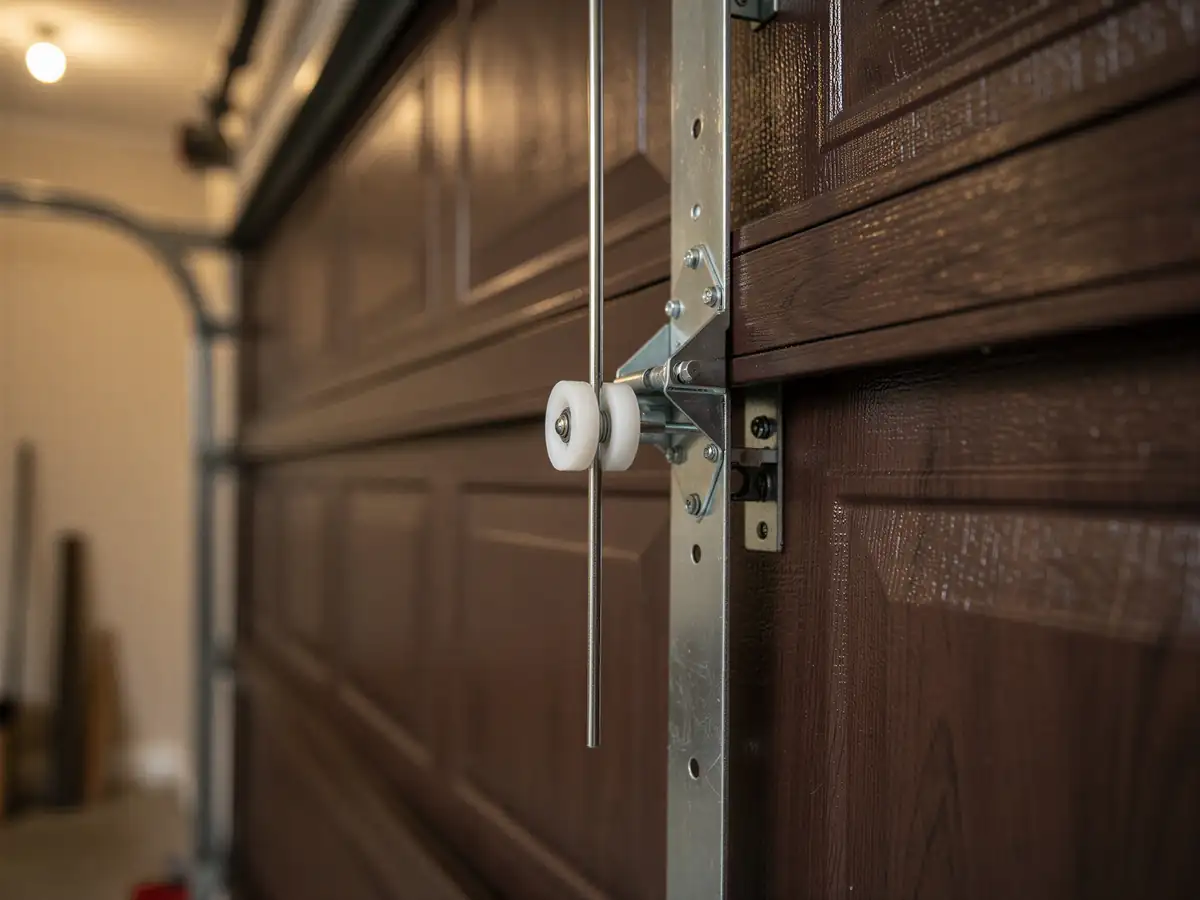
Not every block in Greenacres dates to the same stretch. Streets that went in earlier, closer to the edges of the broader 1965-2021 build range, are more likely to still have an extension-spring door - the kind with springs stretched along the horizontal tracks instead of wound above the opening. Those need different safety cables and different spring hardware than a torsion setup, and mixing the two up is a common mistake we see from one-size-fits-all repairs. Newer construction, closer to or past that 1987 median, is almost all torsion-spring sectional doors from the start. If you're not sure which you have, it's usually visible at a glance: springs running along the tracks mean extension, a single spring (or two) on a shaft above the door mean torsion. Climate-wise, the area sits in a mild temperate band, so we're not dealing with freeze-thaw cracking or extreme heat warping panels the way colder or desert regions do - wear here tends to come from cycle count and age, not weather stress on the metal itself.