What Was Built Here
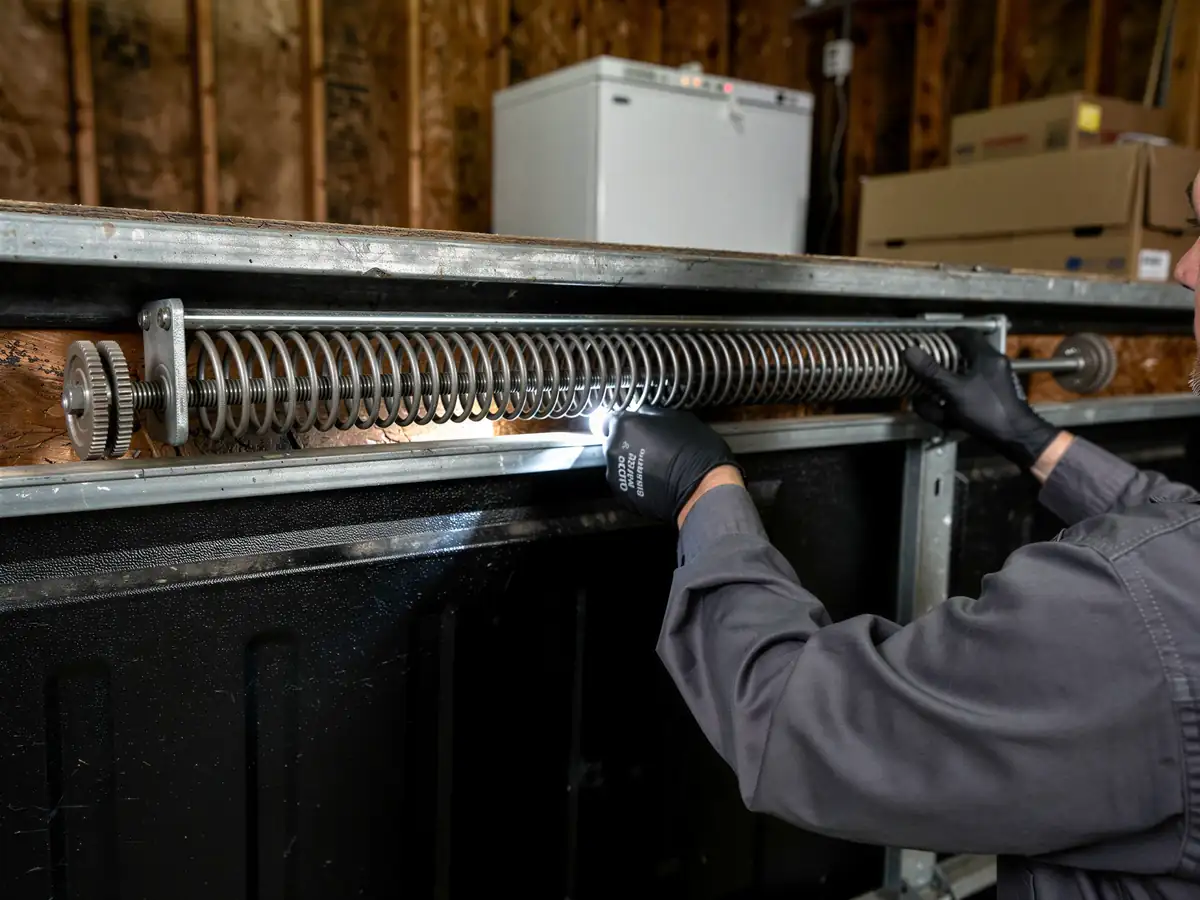
With roughly 8,727 households in the area and a median income of $59,602, Palm Springs is a working, owner-occupied community rather than a newer planned development. That combination matters for the kind of repair calls we get: more people here are deciding whether to fix an older opener and spring setup versus pay for a full replacement, and the answer depends heavily on what's actually failing. A chain-drive opener from the 1980s or 90s is usually worth keeping if the motor still runs quiet and the issue is a worn sprocket or a sensor out of alignment. A cracked frame or a door that's been reinforced with mismatched hardware over the years is a different conversation. We don't push a full replacement when a spring swap and a tune-up will carry the door another decade.
Older vs Newer Streets
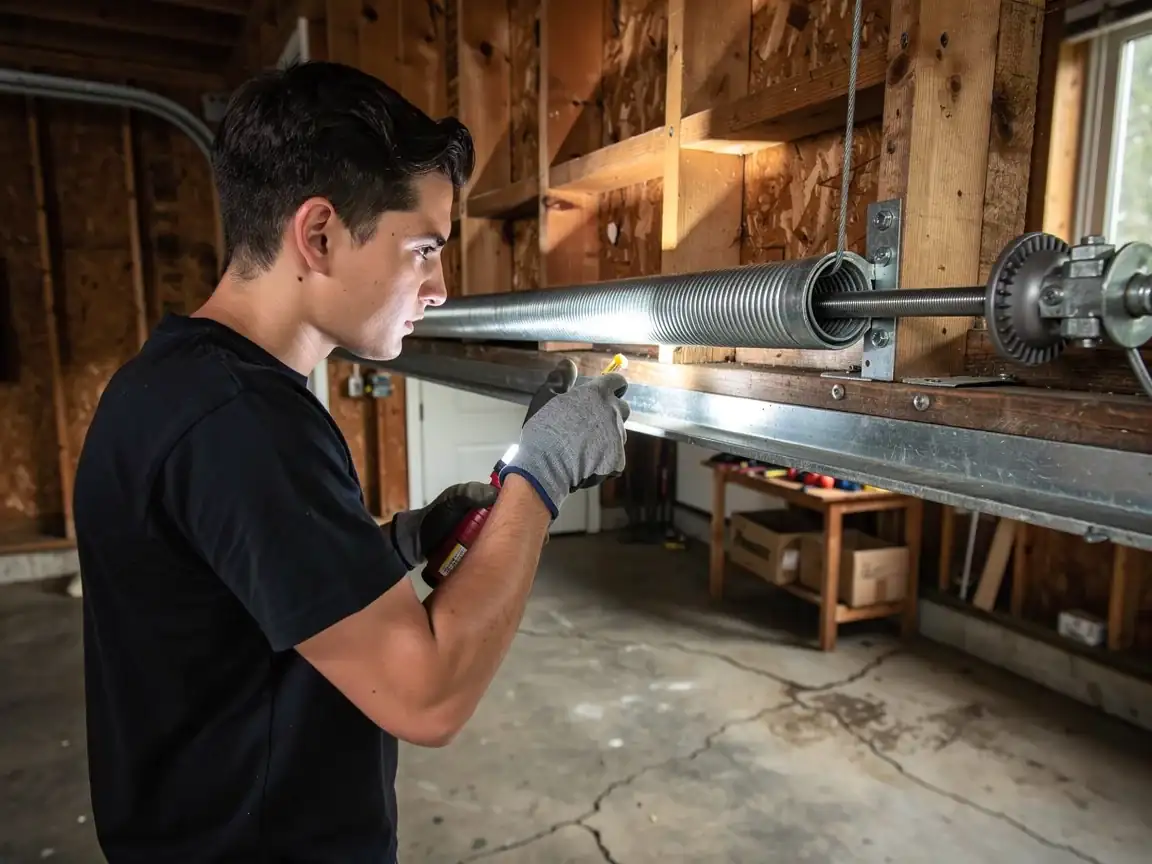
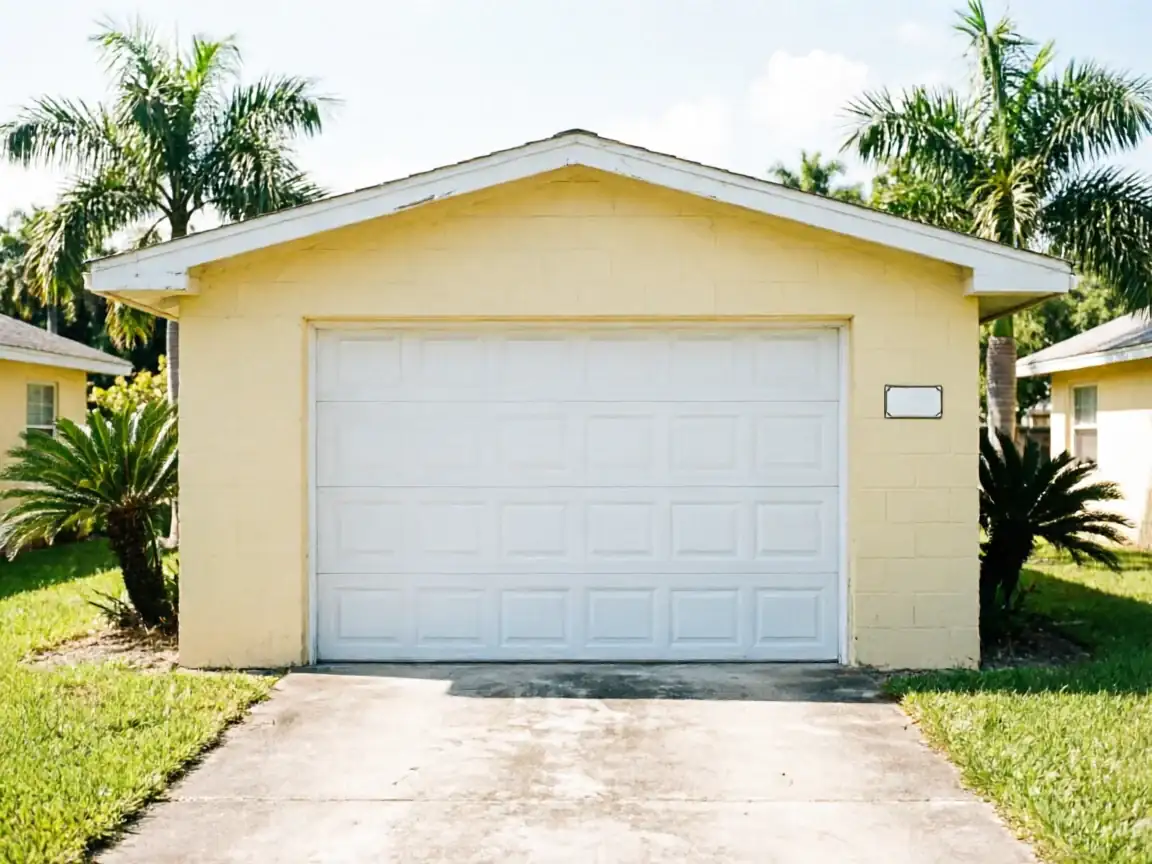
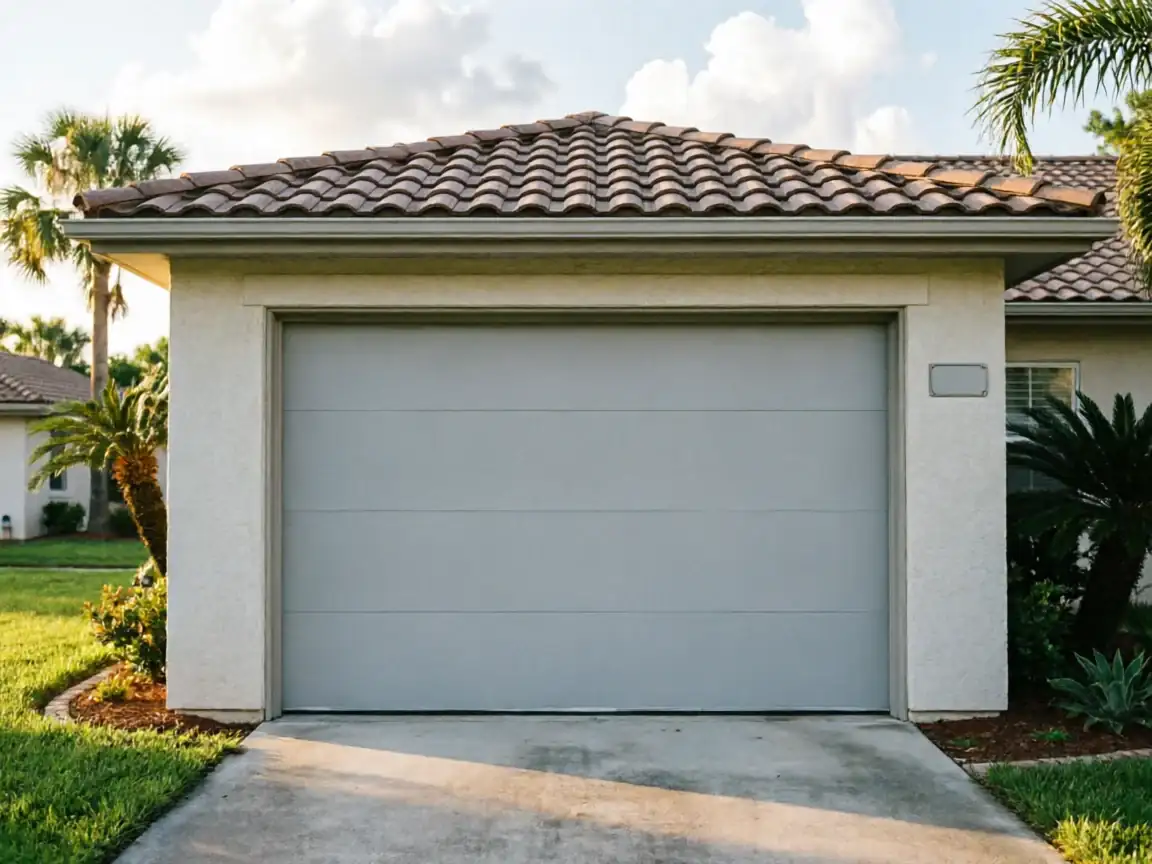
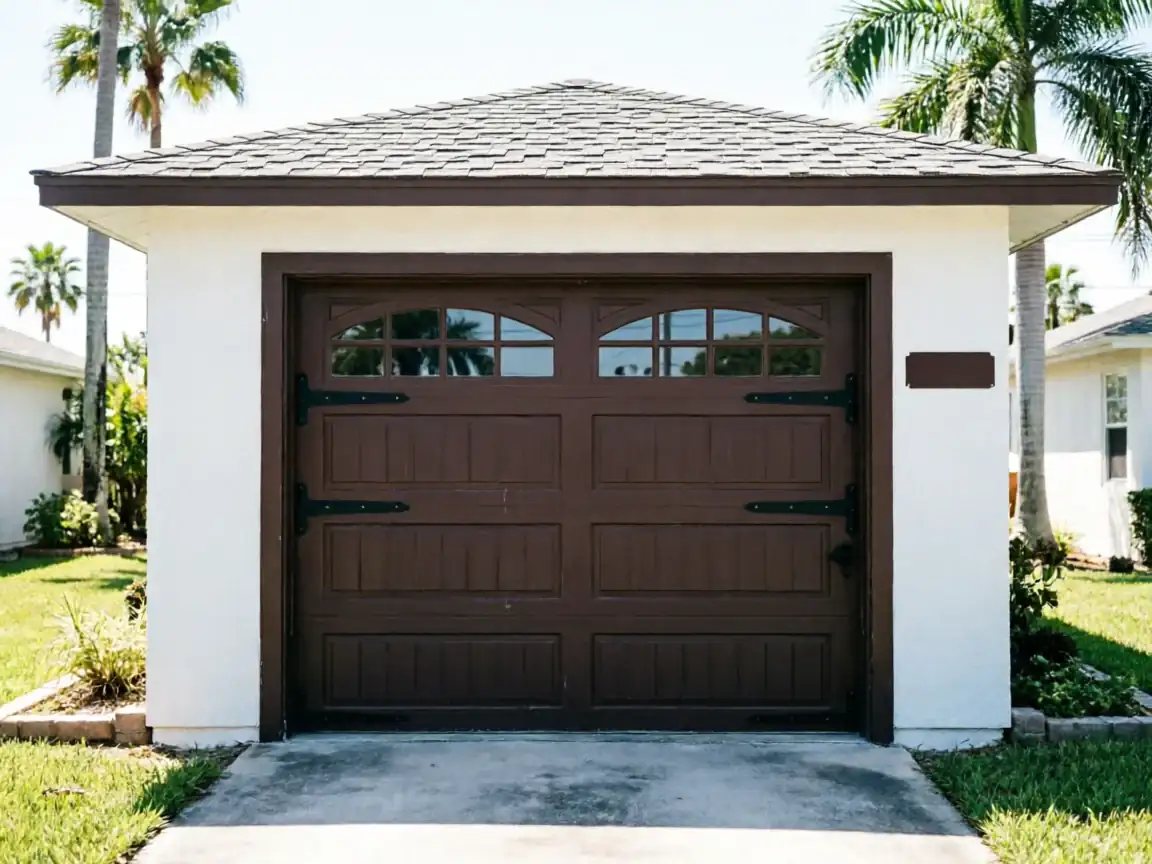
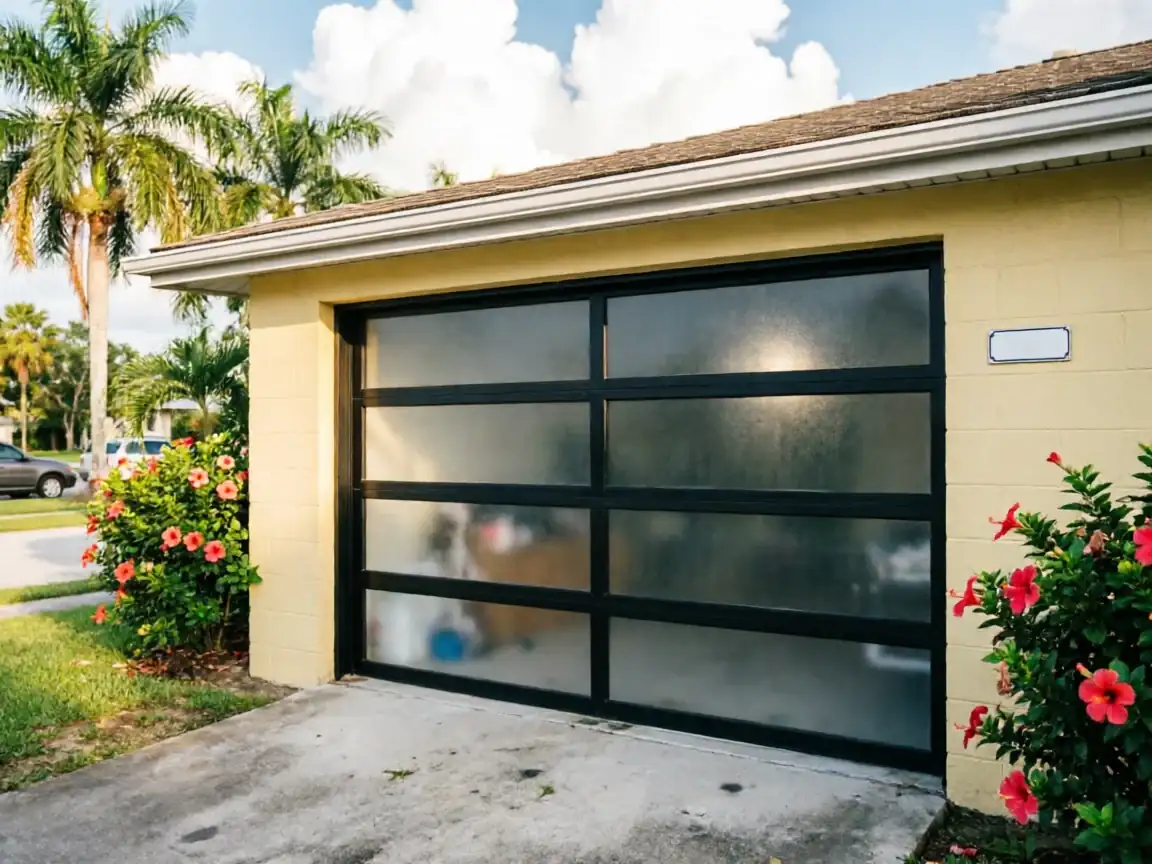
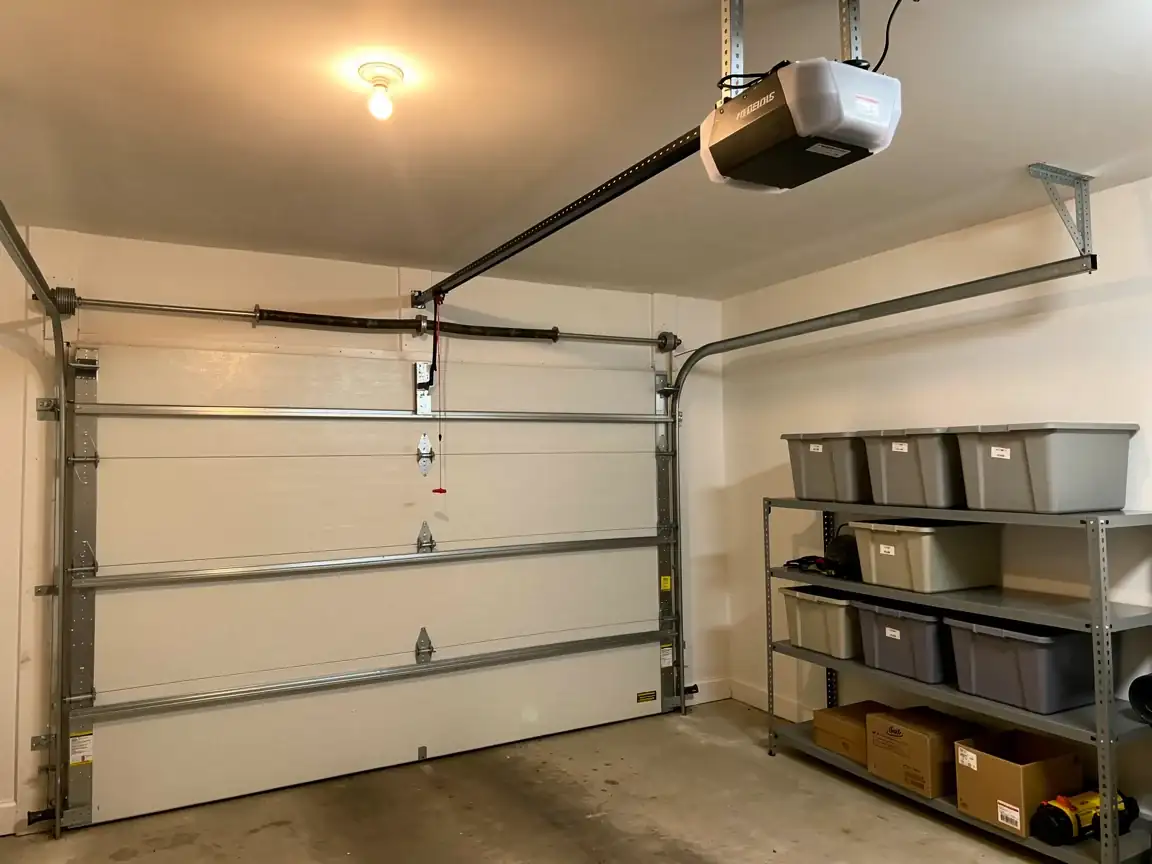
Because the housing stock across this part of the county runs from the 1960s through more recent builds, Palm Springs itself skews older, with that median build year sitting at 1978. On the older streets, you'll still find one-piece doors on side-mounted torsion hardware, or early sectional doors with a single center spring - both designs that newer manufacturers don't stock replacement parts for off the shelf anymore. We carry the common cross-reference parts, but a true original spring diameter sometimes means a short wait on a special order rather than a same-visit fix. Newer construction and remodeled homes in the same area tend to have standard sectional doors with torsion springs sized to current code, which is a faster, more straightforward repair with parts we have on the truck.