Panel Replacement for West Palm Beach Garage Doors
Panel damage on West Palm Beach homes built from the 1960s through the 1990s needs hardware that matches the original track width. Here's what that job involves.
We can't quote a number here without seeing the door, because panel replacement cost swings on three things: whether we can match your existing panel style, how many panels are damaged, and whether the track and rollers took damage along with the panel. A single bottom panel on a door that's still in production is a different job than trying to source a match for a door built in the 1970s or 80s, which is common in this area given how much of the housing stock dates back that far. If we can't match the discontinued panel, the honest move is to replace the full door rather than patch one section with a mismatched piece - that's the limitation worth knowing before you call around for quotes. We'll tell you straight whether a patch job makes sense or whether you're better off putting that money toward a full door. Get a number for your specific door and we'll walk you through why it lands where it does, not just what it is.
Parts We Carry
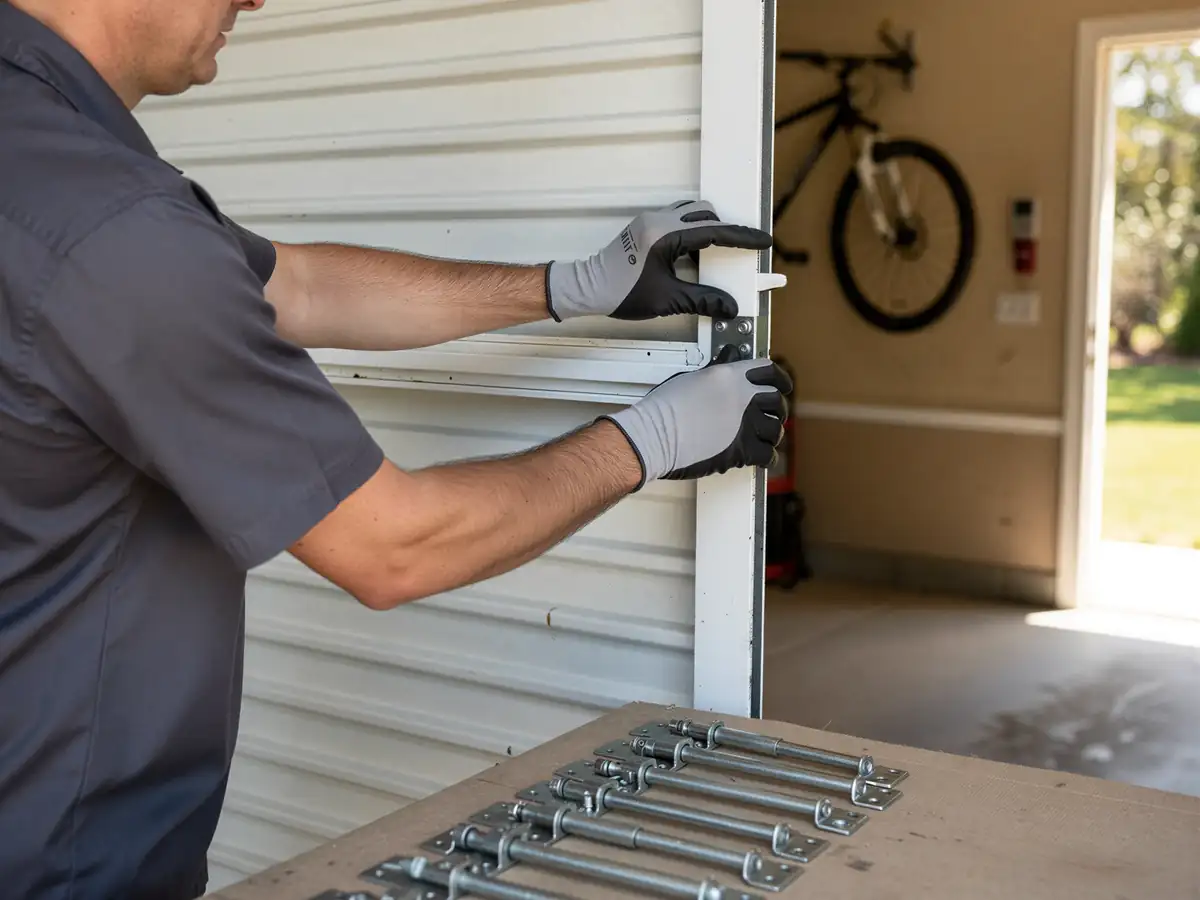
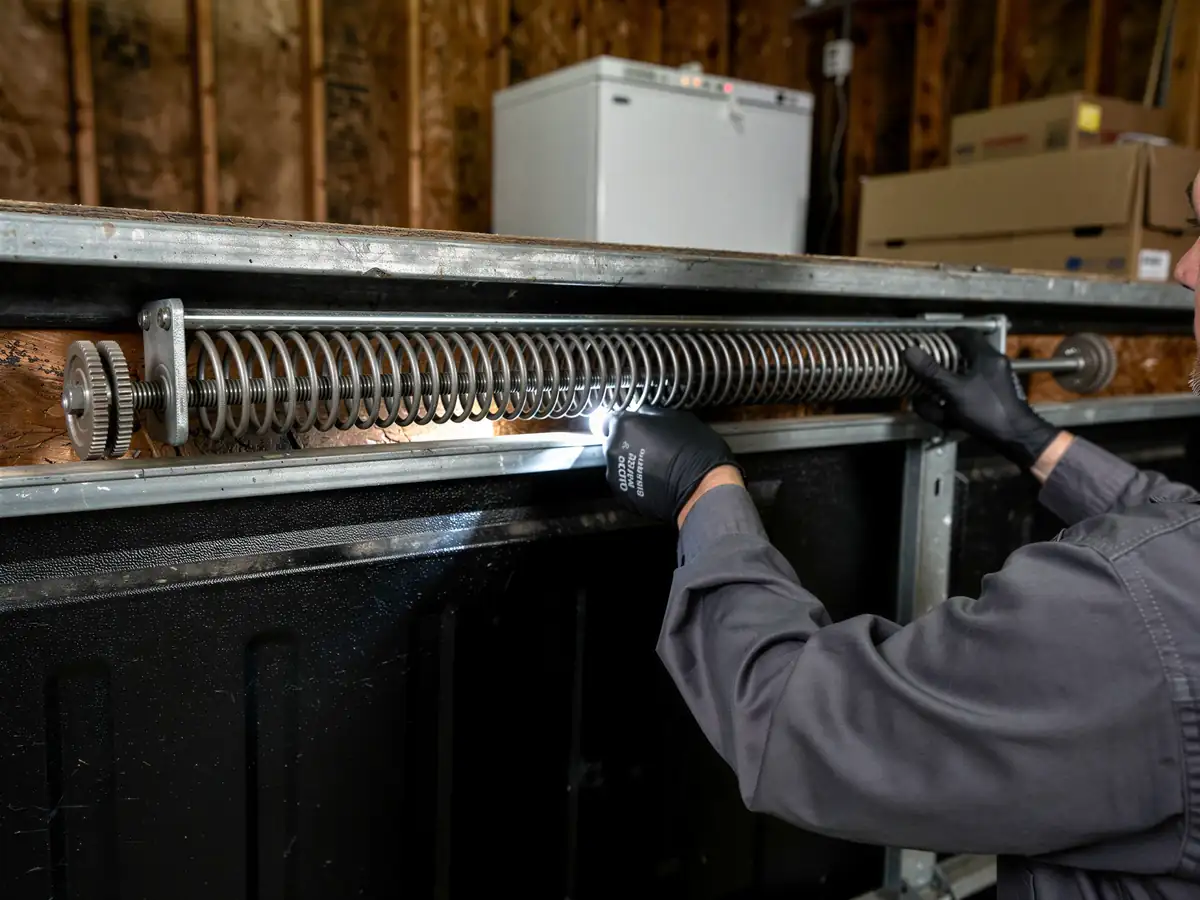
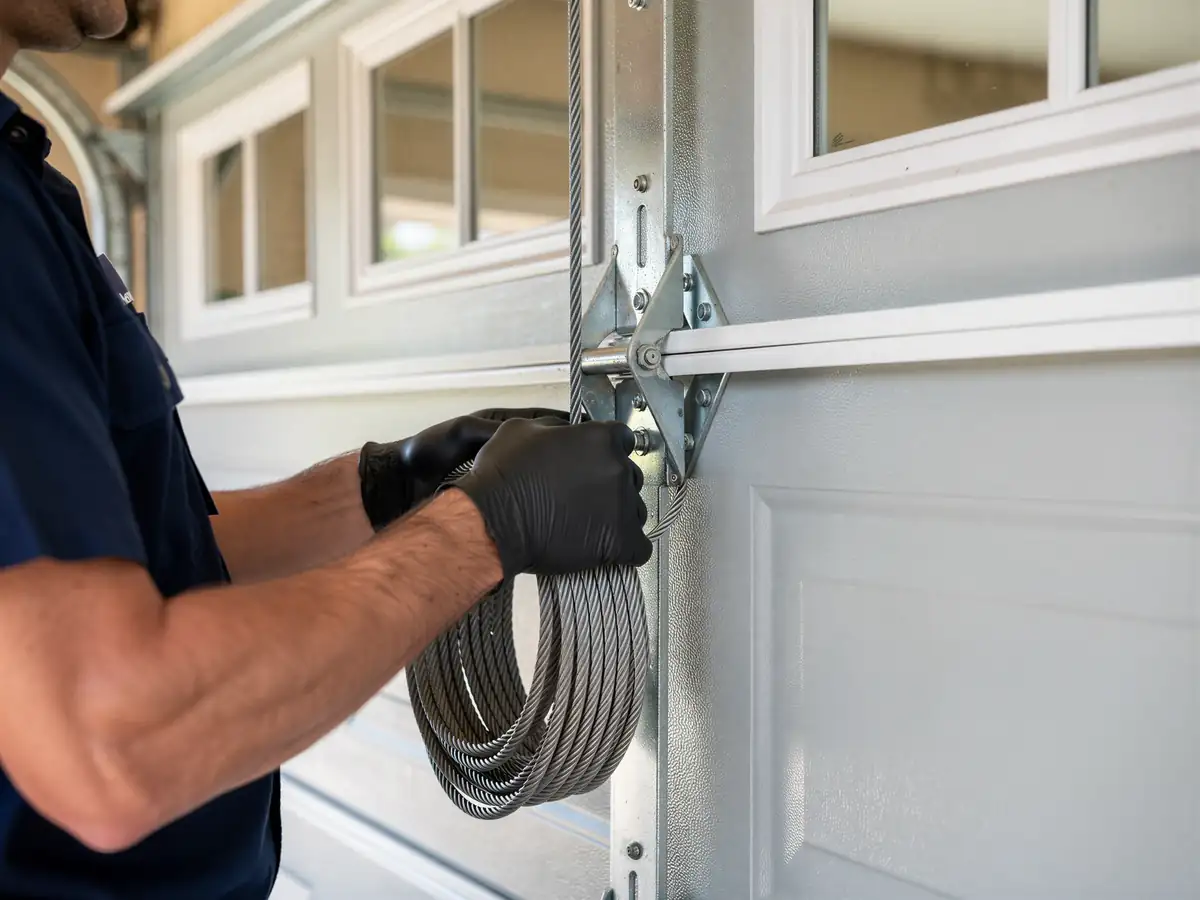
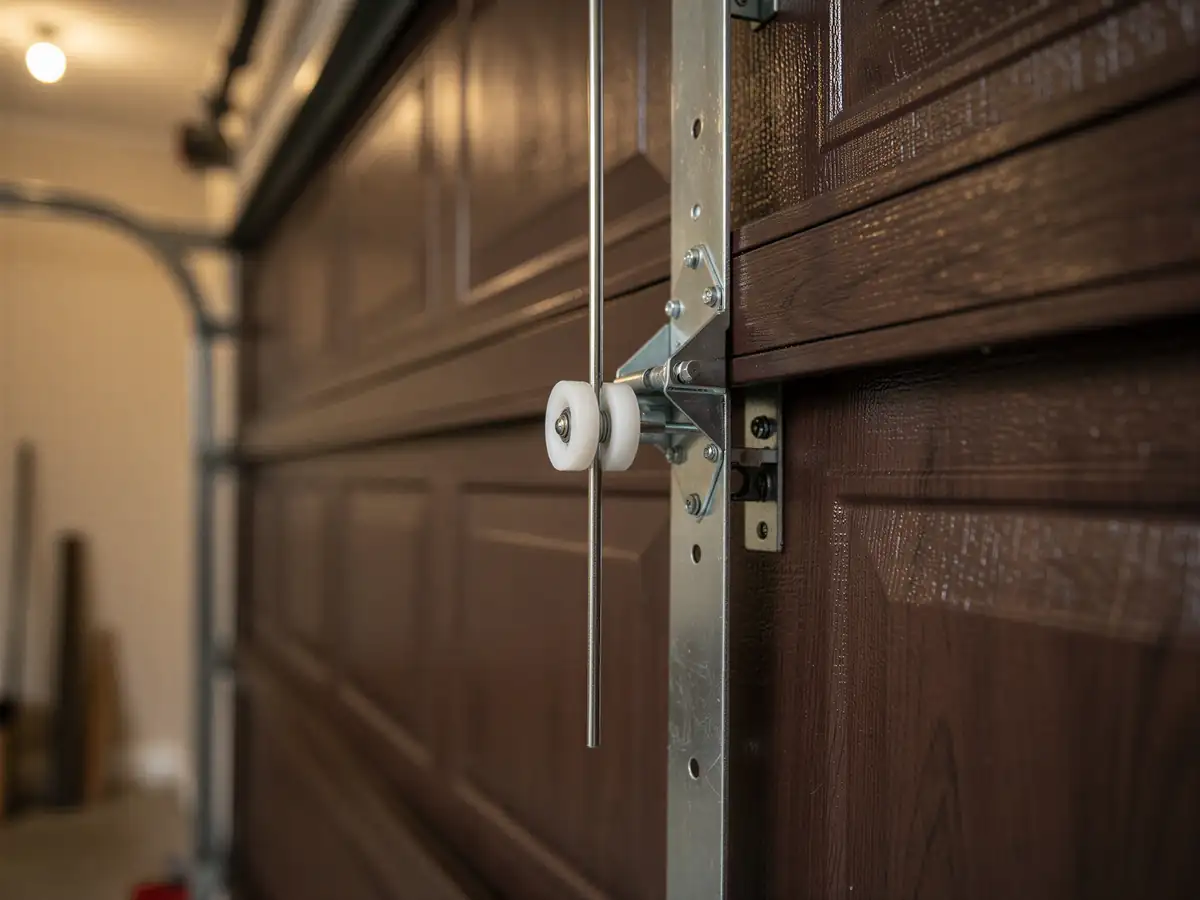
We stock common panel sections, end stiles, and the hinges and rollers that connect them, sized for the torsion and extension hardware found on doors installed across this service area's housing stock, most of which dates from the 1960s through the 2000s. For older doors - the ones from the 1960s and 70s that make up a big share of homes out here - panel profiles and track widths often don't match anything currently manufactured, which means a full door swap instead of a single-panel repair. We carry standard steel and aluminum sections in the widths used on raised-panel and flush doors from that era, plus the fasteners and seals that go with them. What we don't carry is custom wood panel stock or discontinued decorative inserts - those are special-order items with lead times outside our control, and we'll tell you that up front rather than string you along.
How It Shows Up
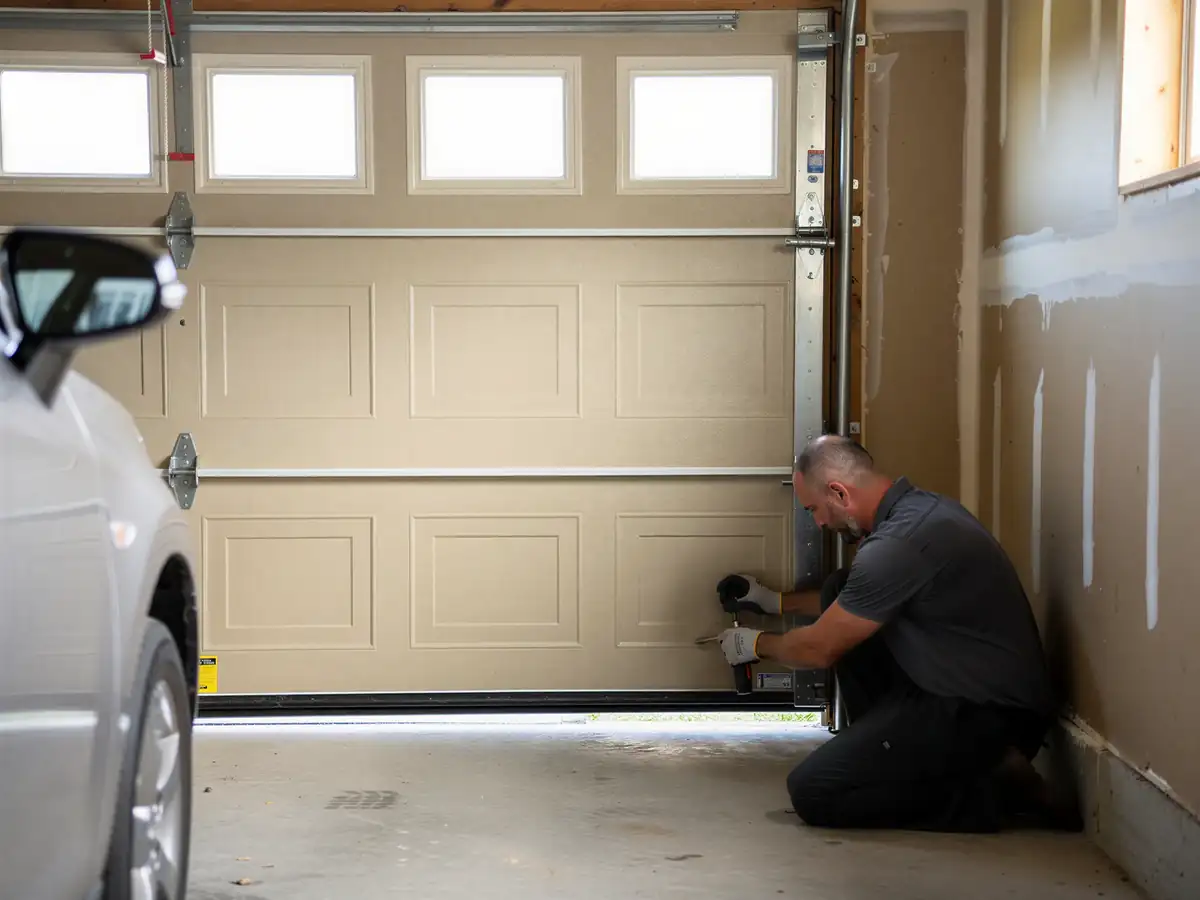
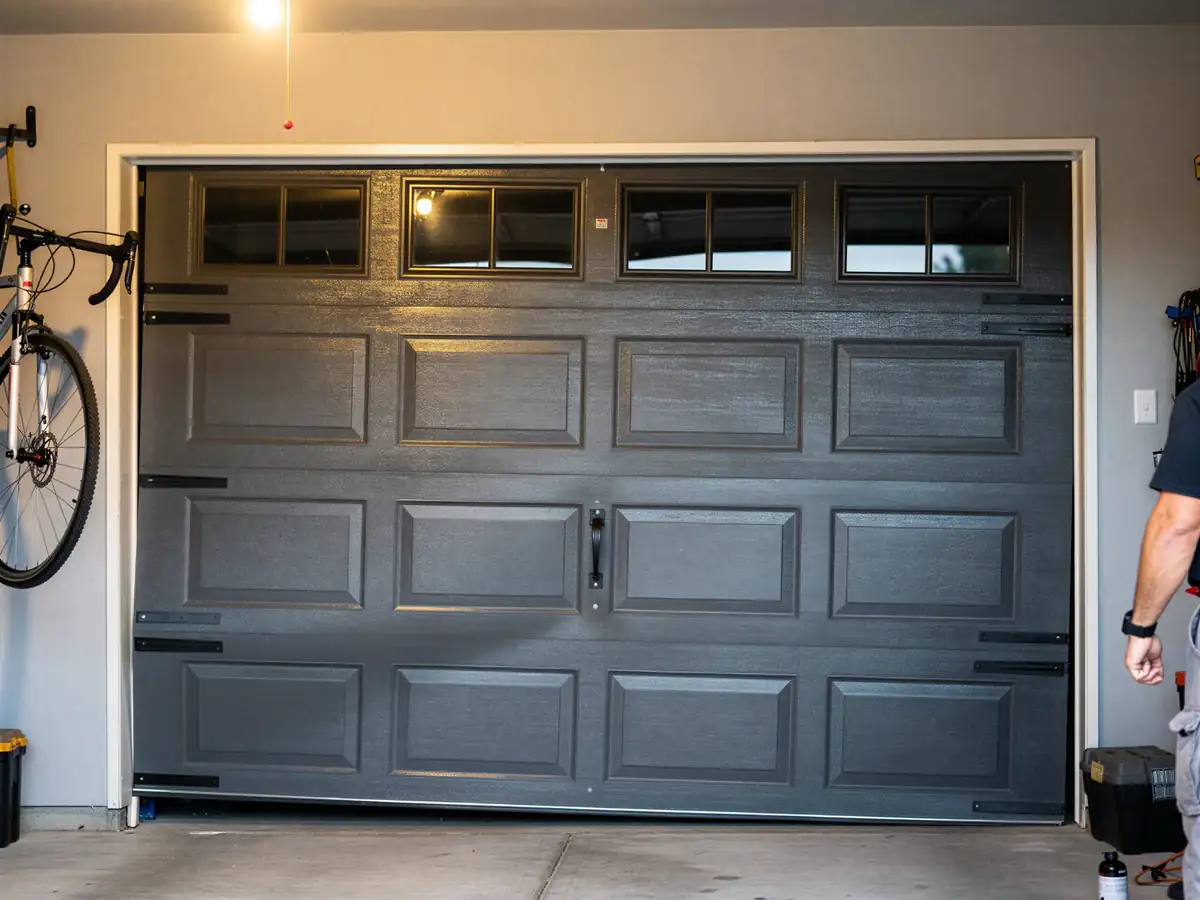
Panel damage here usually starts as a dent or crack near the bottom section, where cars clip the door or where salt-laden air works on seams over years in this mild, humid coastal climate. You'll notice it first as a panel that doesn't sit flush, a gap at the bottom seal, or a door that binds partway up because a bent panel is dragging against the track. On older doors common across this area's 1960s-70s housing, thinner steel panels from that period dent more easily and corrode along the bottom edge faster than newer doors with thicker gauge steel. Sometimes the damage is cosmetic and the door still runs fine; other times a bent panel has pushed the track out of alignment, and running the opener on a misaligned track is what turns a $150 panel job into a spring and track repair too. If your door is still operating, don't force it - call before you keep cycling it.
What Causes It Around Here
Most of what we see traces back to two things: age of the door and the climate it's been sitting in. With median home construction around 1978 across this service area and a lot of stock built in the 1960s and 70s, a large number of doors have steel panels thinner than what's made today, and three or four decades of coastal humidity does real work on seams and bottom edges even without a direct impact. Add the mild temperate climate - no hard freeze to crack panels, but steady moisture and salt air instead - and corrosion along the bottom section is a slower, quieter failure mode than a dramatic dent from a car bumper. Garage doors that face west or get direct afternoon sun also see more warping on vinyl-backed panels over time. None of this means every older door needs replacing tomorrow; plenty of 1970s doors are still structurally sound. But when a panel on one of these doors takes a hit, it rarely flexes back - it stays bent, and that's usually when the call comes in.
How it works
From “it’s stuck” to “it’s fixed”
1
Tell us what’s wrong
Describe the symptom - won’t open, loud bang, opener runs but the door won’t move.
2
On-site diagnosis
A technician tests the door under power and by hand and finds what actually failed.
3
Clear, up-front plan
You get the fix that’s needed and what drives the cost - before any work starts.
4
Repaired & tested
The repair is done, the door is set true and tested, and the work area left clean.
Not sure which repair your door needs in West Palm Beach, FL? Describe what it’s doing - every job starts with a diagnosis.
Sometimes. If your door is a common model still in production, yes. If it's an older door from the 1960s-70s housing stock common in this area, the panel profile or track width may be discontinued, and matching one panel isn't possible - in that case we'll talk through a full door replacement instead of a mismatched patch.
Is a dented panel just cosmetic or a real problem?
Depends on the dent. If it's shallow and the door still runs smooth and seals at the bottom, it's mostly cosmetic. If the panel is pushed inward enough to drag on the track or break the seal, it's affecting how the door operates and should get looked at before you keep running the opener on it.
Why does panel damage show up more on older West Palm Beach homes?
A lot of homes in this service area were built in the 1960s and 70s, and doors from that era typically used thinner steel panels than what's made now. Decades of coastal humidity work on the seams and bottom edges, so panels that have held up fine for years can suddenly dent or corrode through.
Do you replace just the bottom panel or the whole door?
We replace whatever section is damaged when a matching panel is available. When the door's old enough that panels are discontinued, patching one section with mismatched steel isn't something we recommend - we'll tell you if a full door makes more sense than a partial repair.
Ready to get your garage door sorted?
Tell us what it’s doing and where you are in West Palm Beach - we’ll take it from there.