What to Check
Start with the spring, not the opener
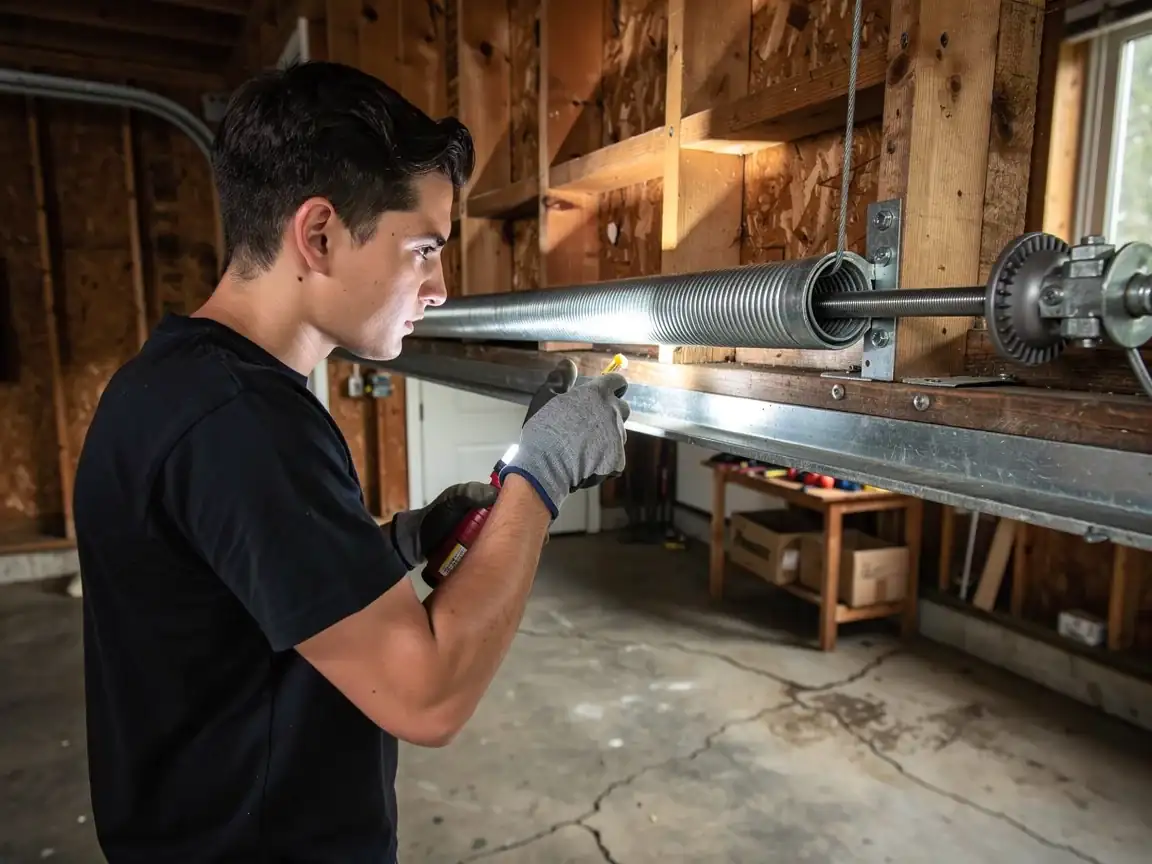
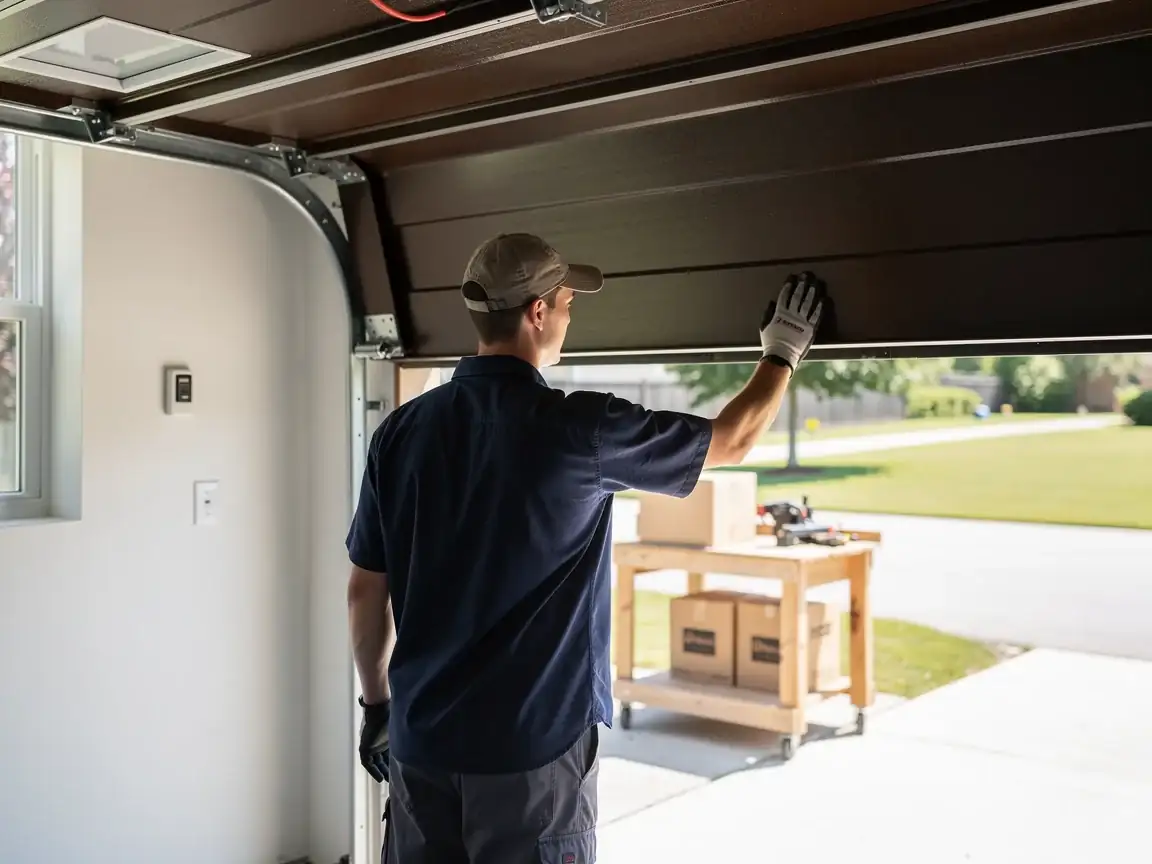
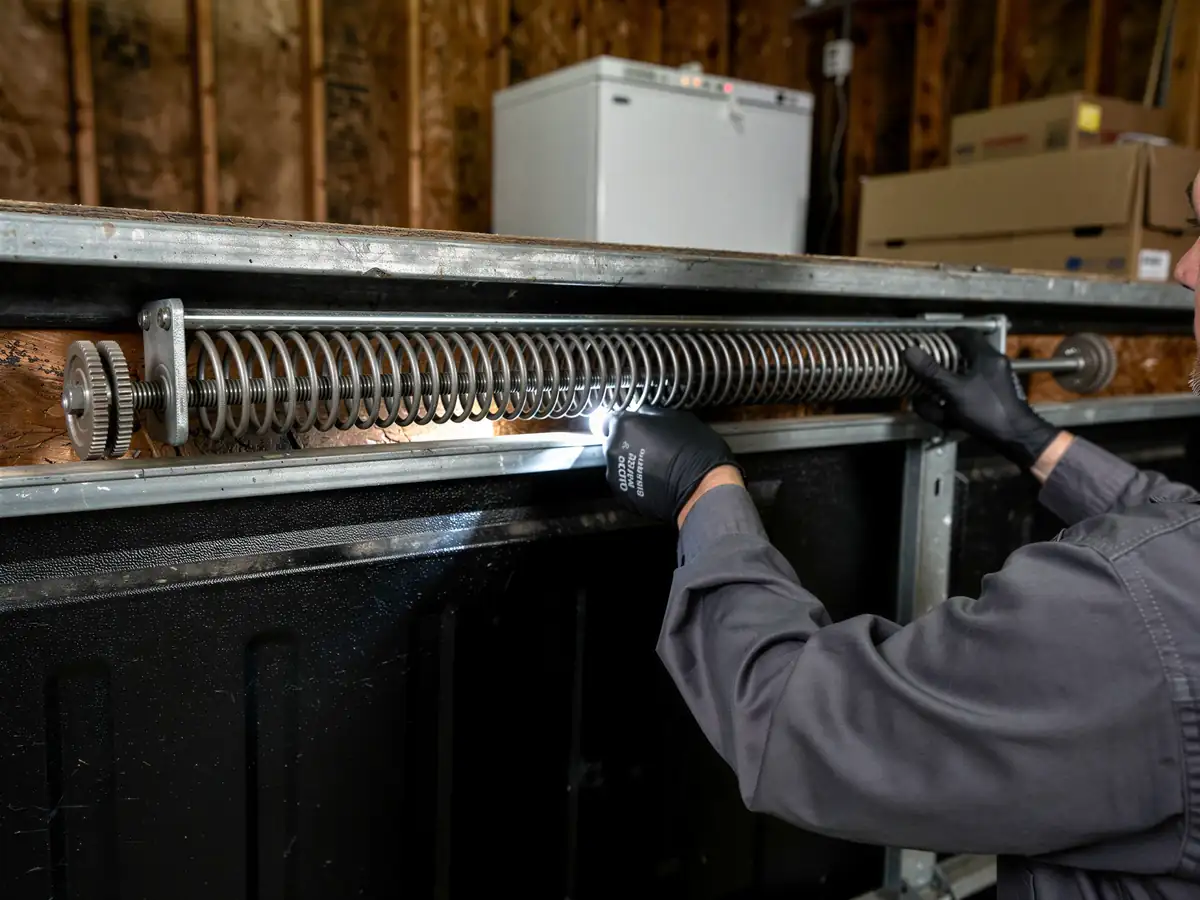
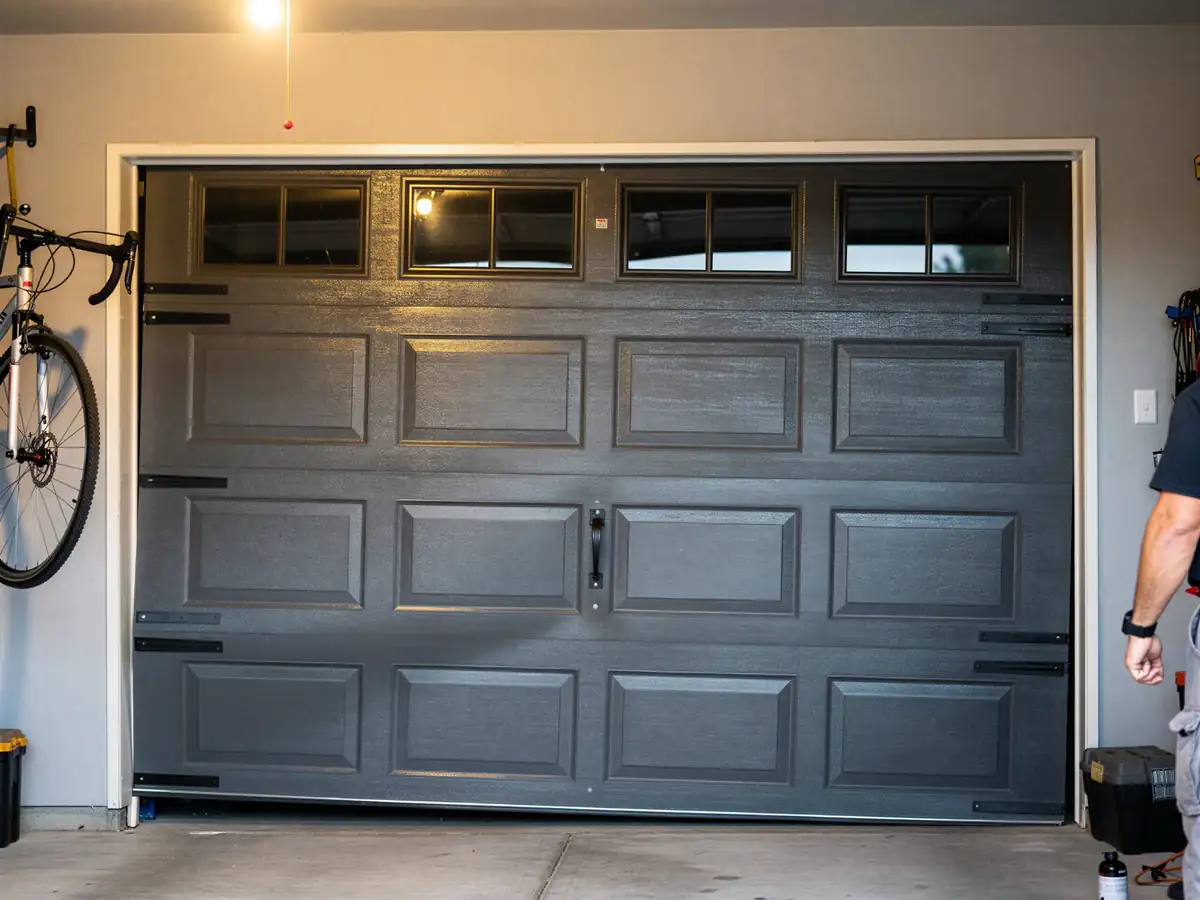
On a door from the 1960s or 70s stock that makes up most of the neighborhoods around here, the torsion spring has usually outlived two or three openers already. Pull the manual release and lift the door by hand. If it's heavy and drops fast, the spring is done, not the opener - a $30 part problem wearing a $300 opener-replacement disguise.
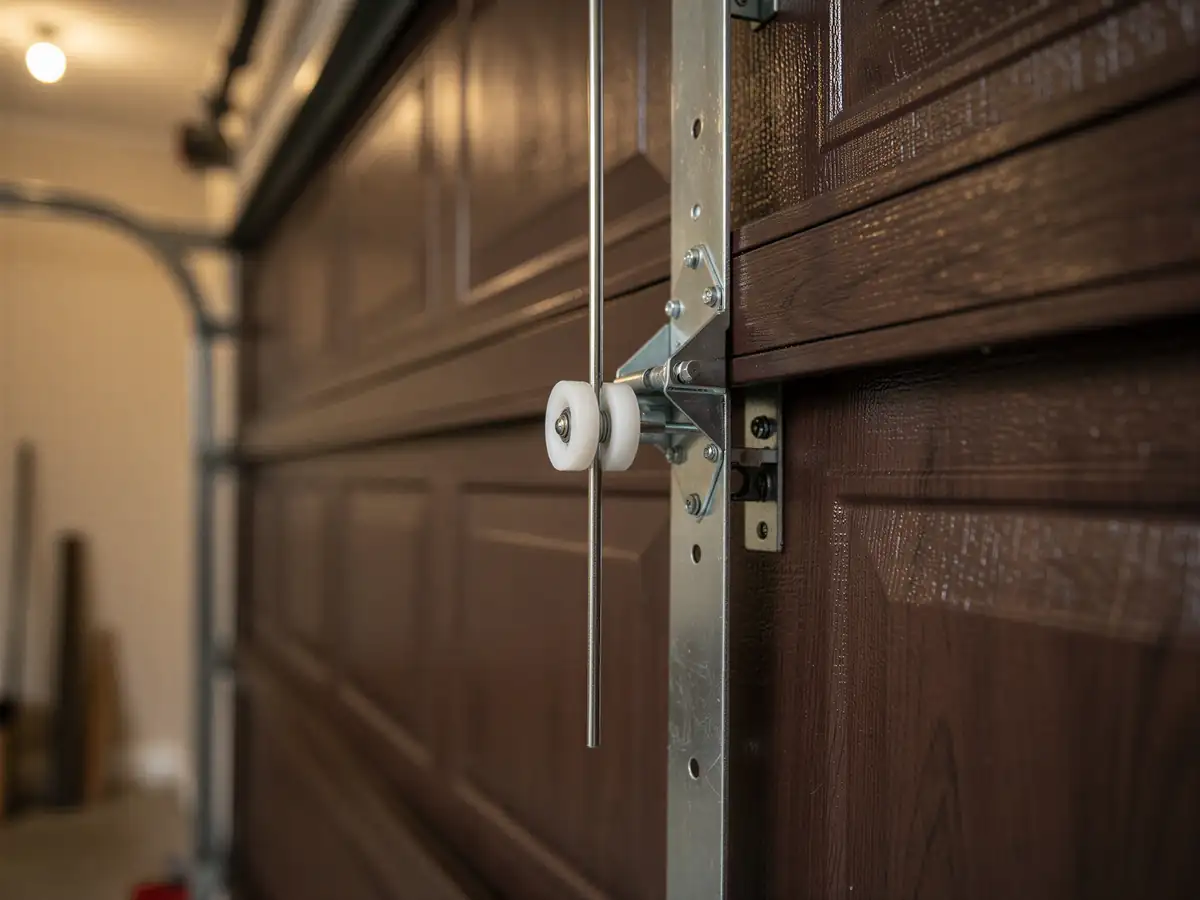
Next check the track alignment and the rollers
Houses built in this area between 1965 and 2021, with the median landing around 1978, often still run steel rollers on bent or rusted track. If the door shudders or binds a few inches up, that's track, and track is cheap to true up or swap.
Last, check the bottom panel and the weatherstrip
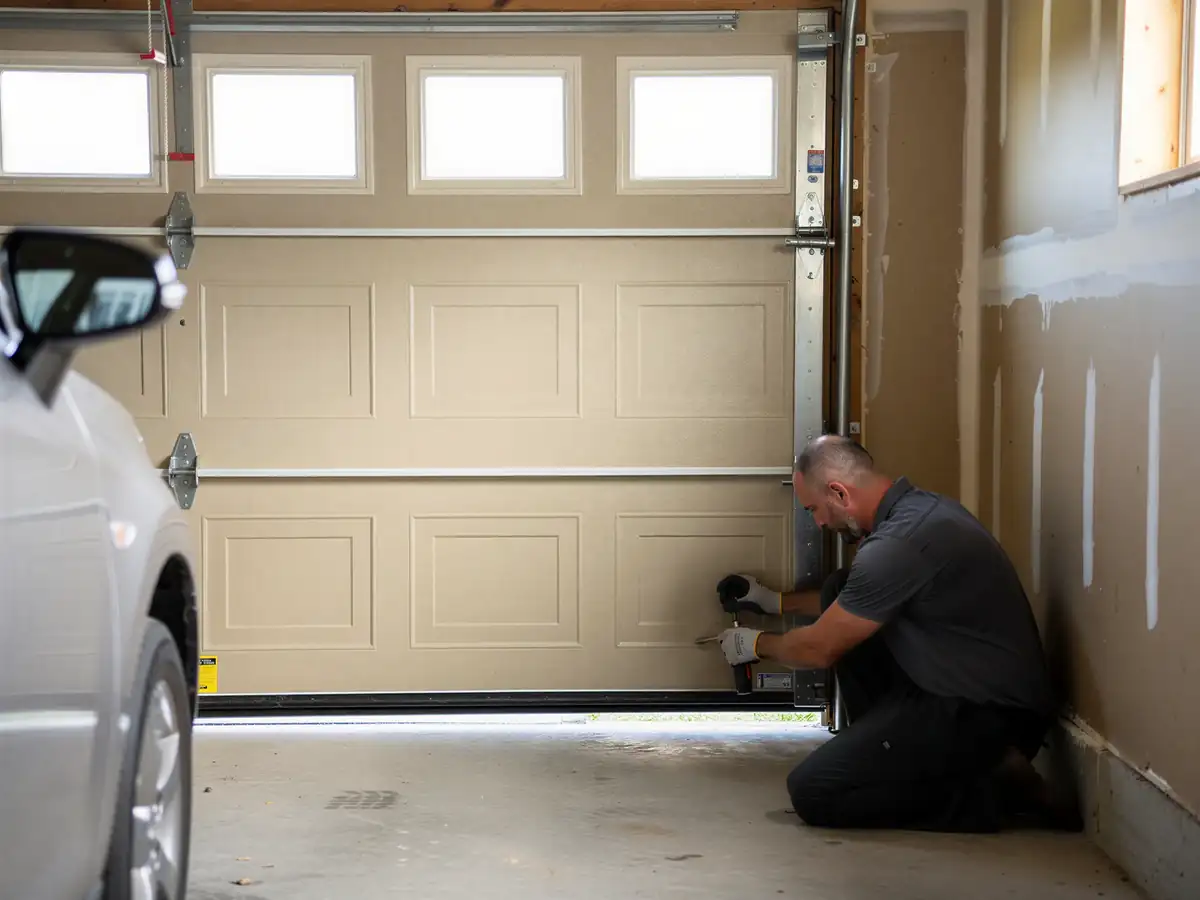
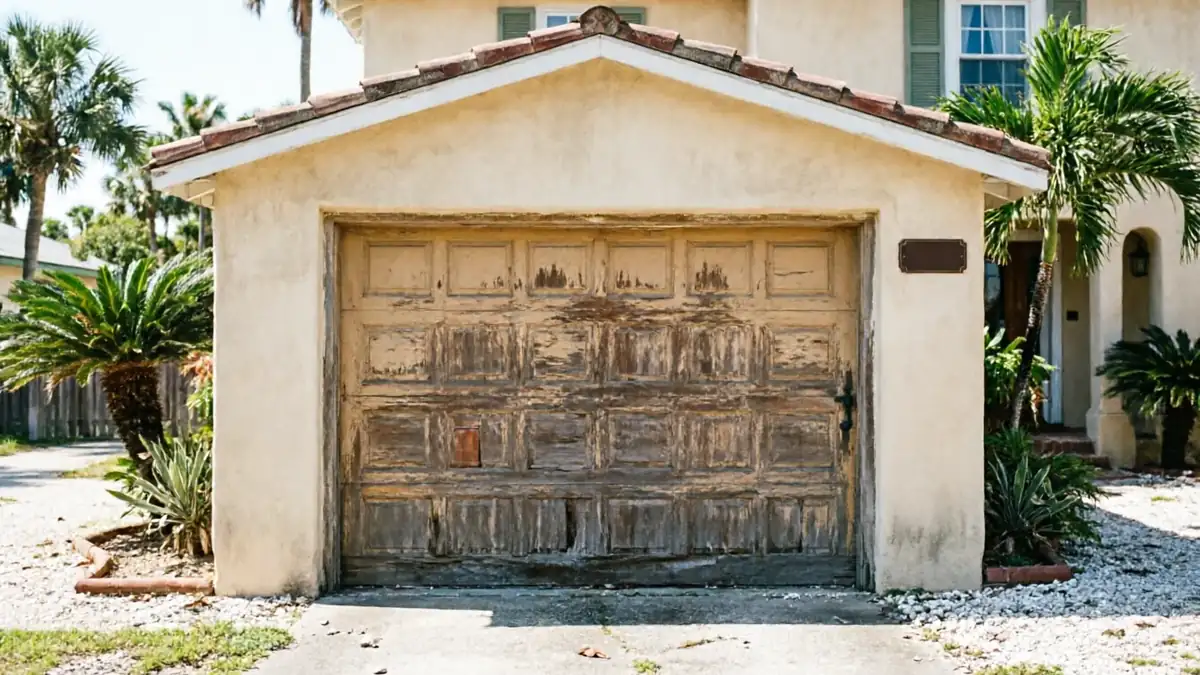
In a mild temperate climate like ours there's no deep freeze to crack vinyl, but humidity and salt air off the coast still eat at unpainted steel edges and fasteners over a few decades. Surface rust on the bottom panel is cosmetic until it isn't - once it's through the steel, that panel is replacing, not patching.
The Situation
With 46,915 owner-occupied houses out of 120,625 households across this service area, a lot of garages here are original to houses built well before anyone thought twice about insulated doors or quiet-drive openers. The median household income locally, $92,382, means most owners can afford a full replacement without financing gymnastics - but that doesn't mean every old door needs one.
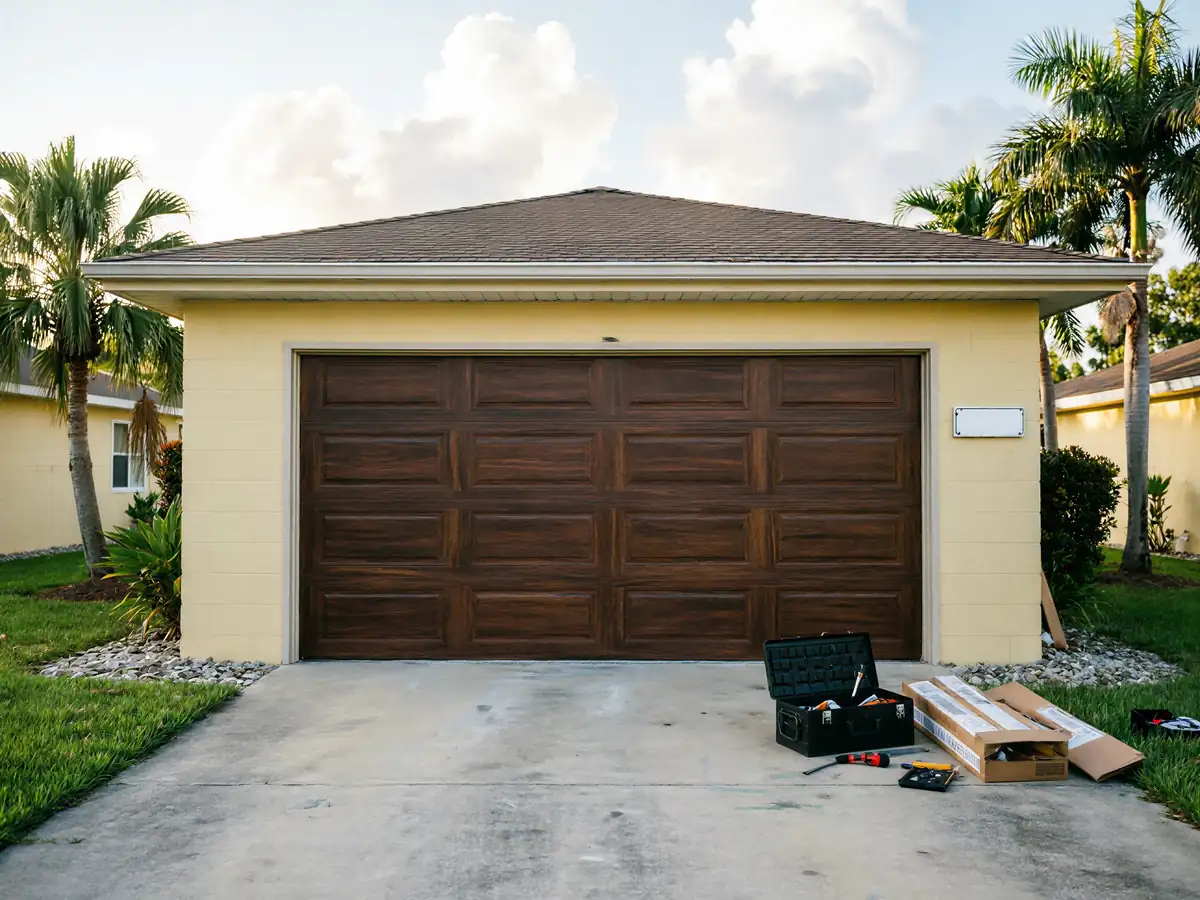
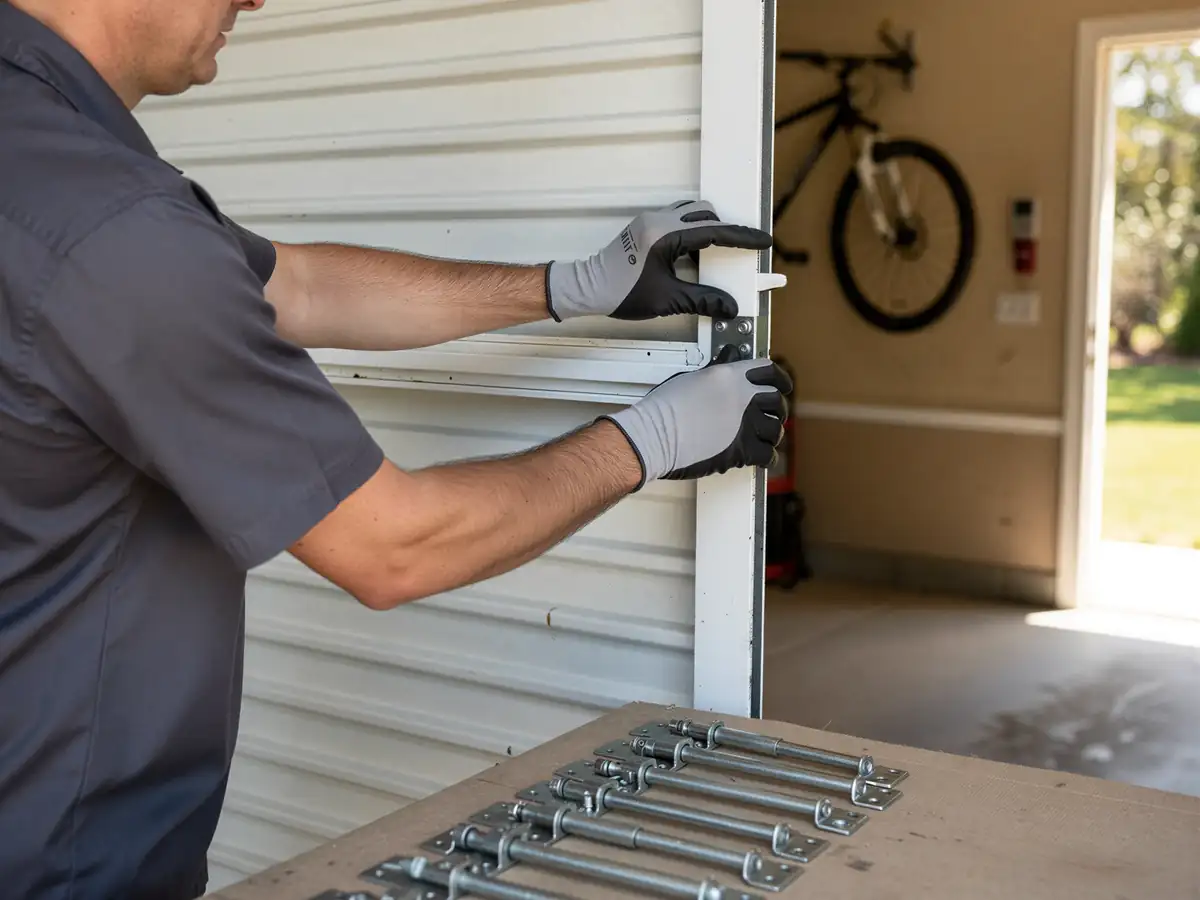
The honest split: a door itself, if it's steel and the panels are sound, often outlasts two or three openers and plenty of spring cycles. What actually fails first on houses from the 1960s-70s stock is the hardware around the door - springs, cables, the galvanized track, and old-style non-insulated steel that's thinner than what's sold today. If the panels are straight and the only complaint is noise or a slow open, you're fixing hardware, not buying a door.
We don't push replacement on a door that's still square and running on good track just because it's forty years old. A lot of these older single-layer steel doors are actually simpler to service than the double-wall insulated doors that came later, since there's less to go wrong inside the panel.
Leaving It Alone
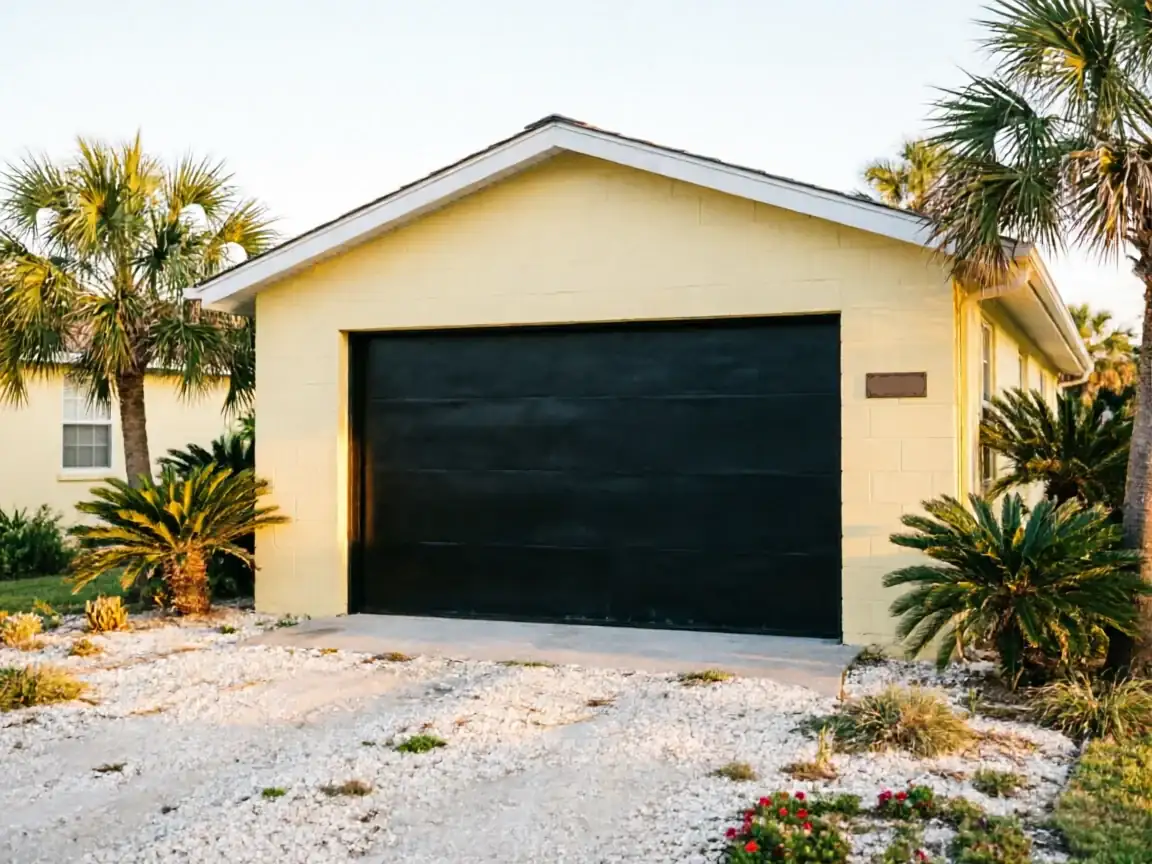
Here's the limitation worth saying plainly: if your door is original to a house built in the late 1960s or early 70s and the track, hinges, and rollers are original too, we're not going to tell you a spring swap will make it like new. At some point the steel itself has thinned from decades of salt-air corrosion, and no amount of hardware work fixes that. If the panels are visibly bowed or rusted through at the bottom corners, putting a new spring on it just moves the next failure to a different part.
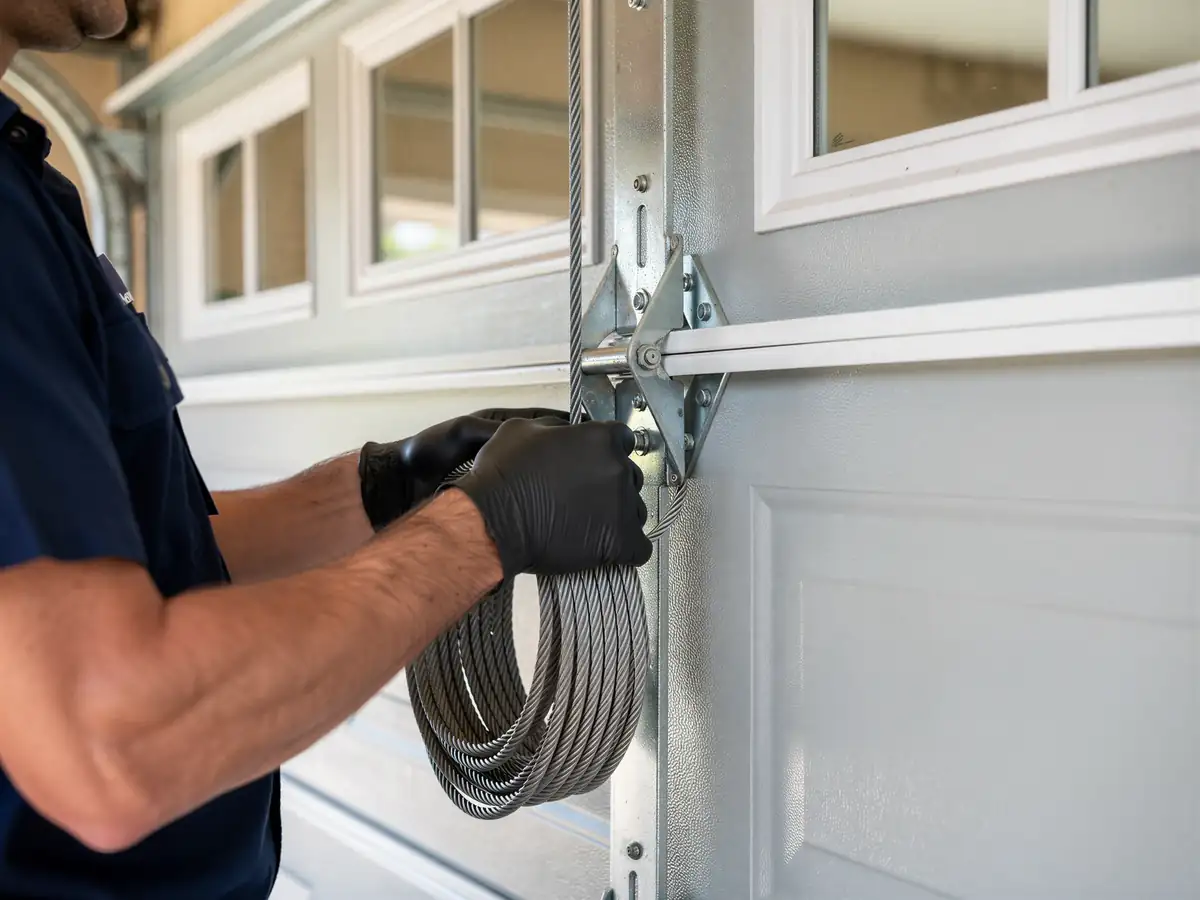
We also won't chase a door that's been patched three times already - new hinges this year, new rollers two years ago, a cable before that. At some point the labor on a door this old costs more over eighteen months than replacing it once. We'll tell you that number instead of quietly billing you for it in pieces.
And we don't carry every obsolete part. Doors from that era sometimes used hardware sizes nobody stocks anymore, so a same-day fix isn't always possible - we'll say so up front rather than promise a part we don't have on the truck.
What the Weather Here Does to It
This is a mild temperate climate, not a freeze-thaw one
So you won't see the cracked concrete aprons or frozen track that wreck doors up north. What you get instead is slower and sneakier: humidity and salt air working on steel fasteners, hinges, and the bottom edge of the panel, year after year, without a hard season to mark the damage.
On a door from the 1965-2021 stock in this area
Especially anything close to the median 1978 build year, that means corrosion usually shows up first at the bottom roller brackets and the track lag screws, long before the panel itself looks bad. If your door sticks on humid mornings and frees up by afternoon, that's not the opener struggling - that's moisture in the track channel, and it's worth clearing and lubricating before it pits the steel.
There's no hard freeze here to split a wood jamb or bow a steel track overnight
Which is the one mercy of this climate for older doors. The tradeoff is a slow, steady corrosion clock instead of a sudden one - which means regular hardware checks matter more here than a dramatic once-a-decade repair.