What to Check
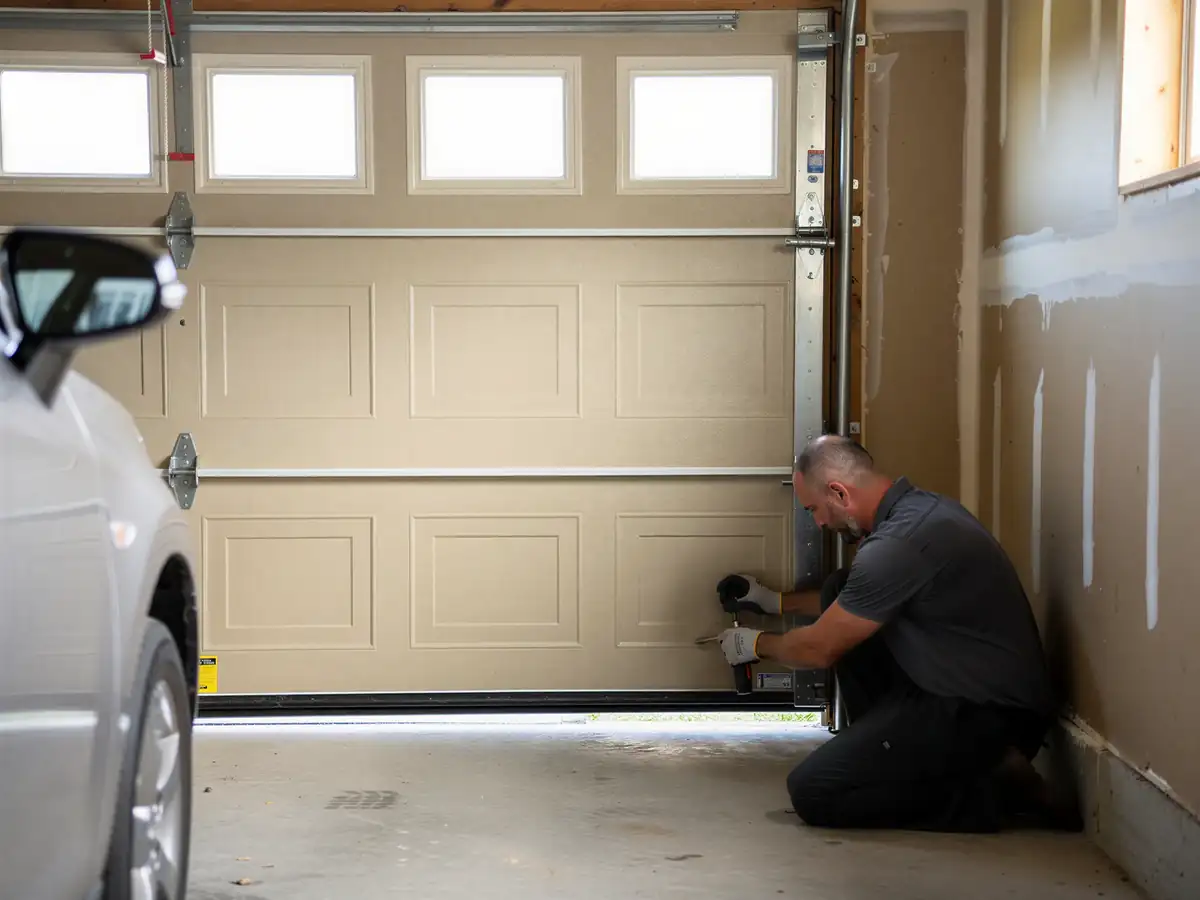
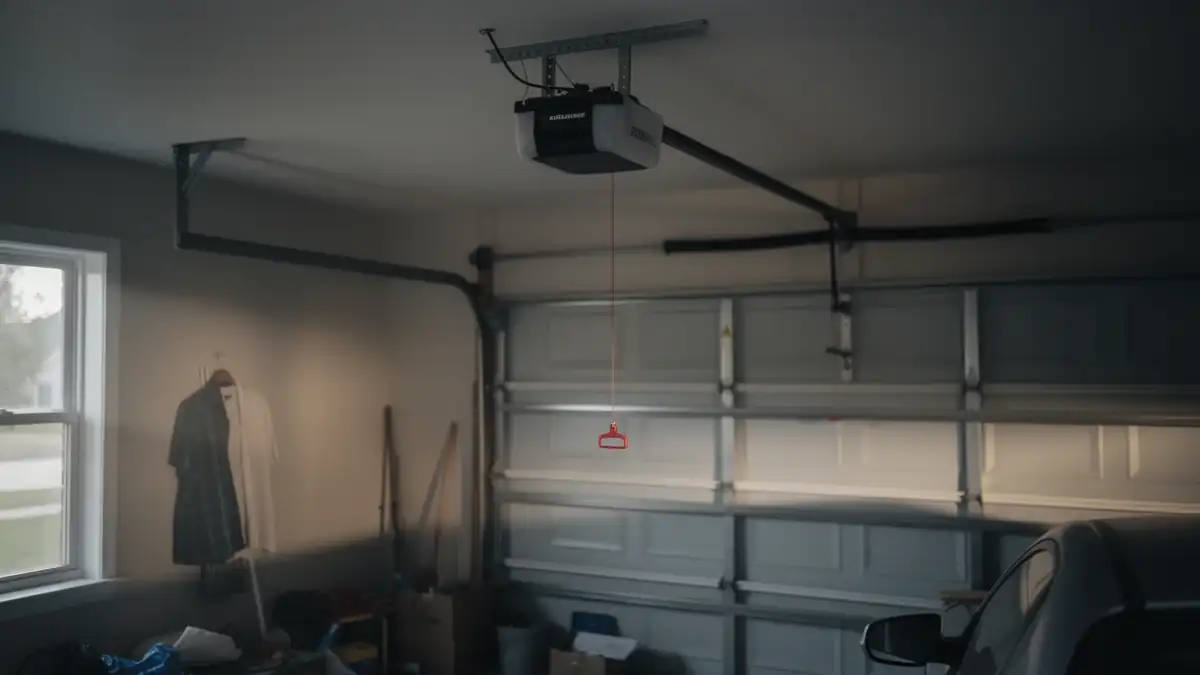
Start with the manual release cord, the red one hanging from the trolley
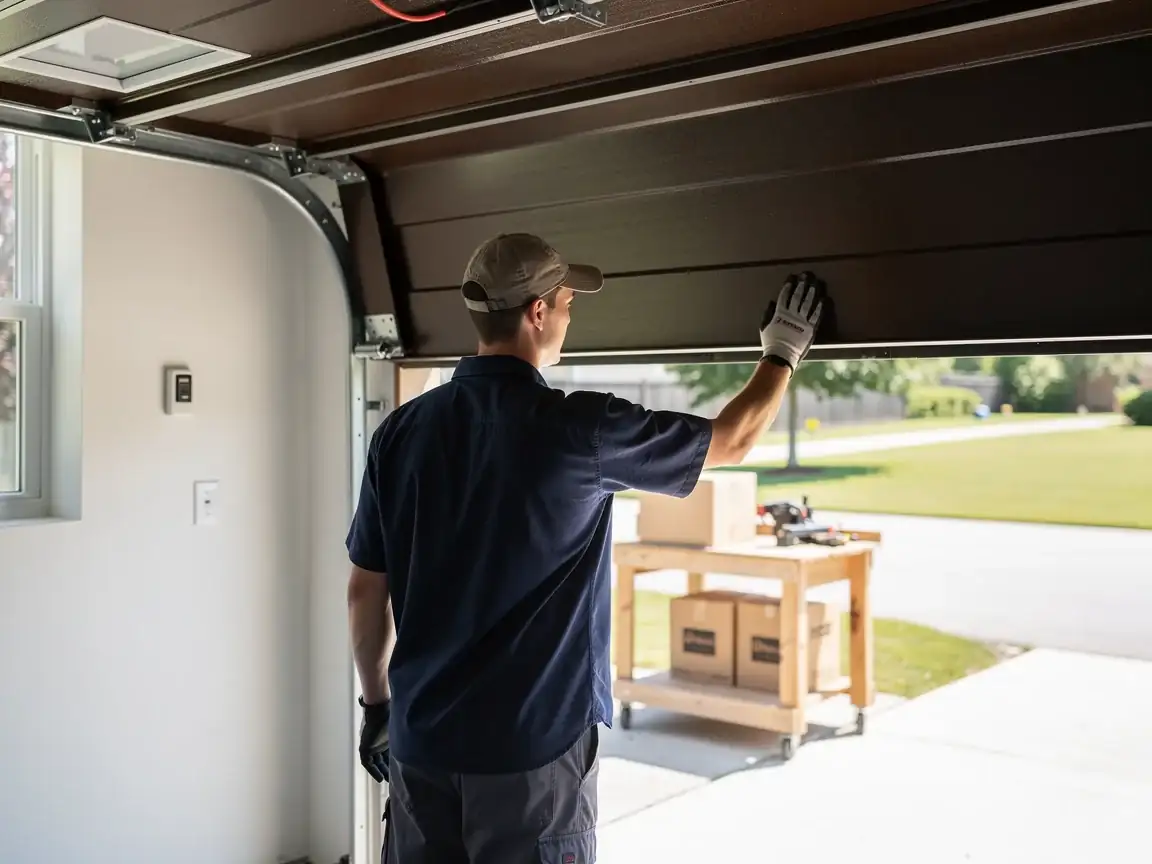
If you've never pulled it, do it once with the door closed so you know what it feels like before you need it in the dark. Across this service area, 120,625 households and 46,915 owner-occupied houses mean a lot of openers that were installed under the original builder spec and never touched again. That matters because older chain-drive units don't have a battery backup built in - if the power cuts, the door is dead weight until someone pulls that release and lifts it by hand.
- 120,625 households
- 46,915 owner-occupied
Check the opener's label for a model number and a manufacture date if you can find one
Given that the median home here was built around 1978, with the broader stock spanning 1965 to 2021, you've got a wide mix of generations on these walls - some with battery backup standard, most without. If yours doesn't list a backup battery option on the housing, assume it doesn't have one. Also look at the wall switch wiring. A loose connection there can mimic a power-cut failure even when the circuit is fine, and it's worth ruling out before you blame the grid.
The Situation
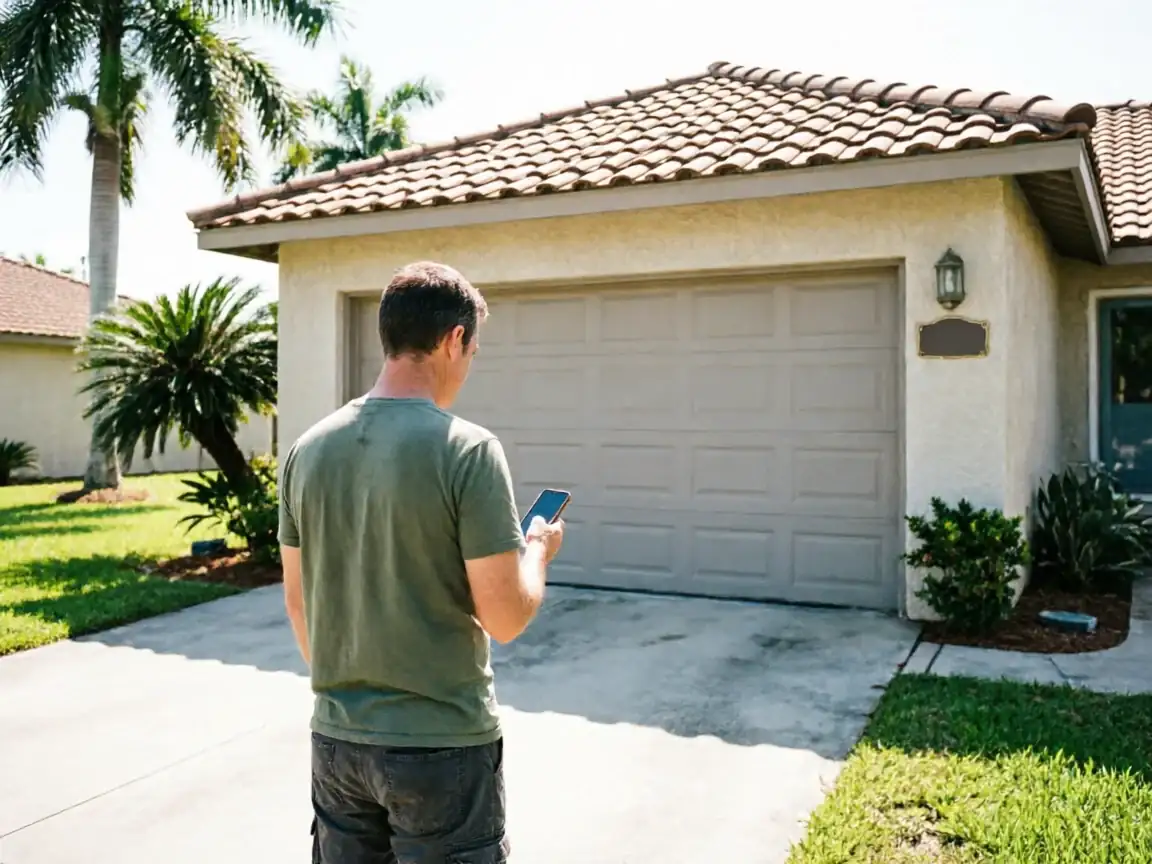
West Palm Beach's housing stock is mostly 1960s and 70s build across the 21 named communities in this area, from Westgate four miles out to places like Royal Palm Beach and Wellington further west. That means a huge share of the openers in these garages are not the newer units with lithium battery backup standard - they're the generation before it, bought and installed decades ago, upgraded maybe once if at all.
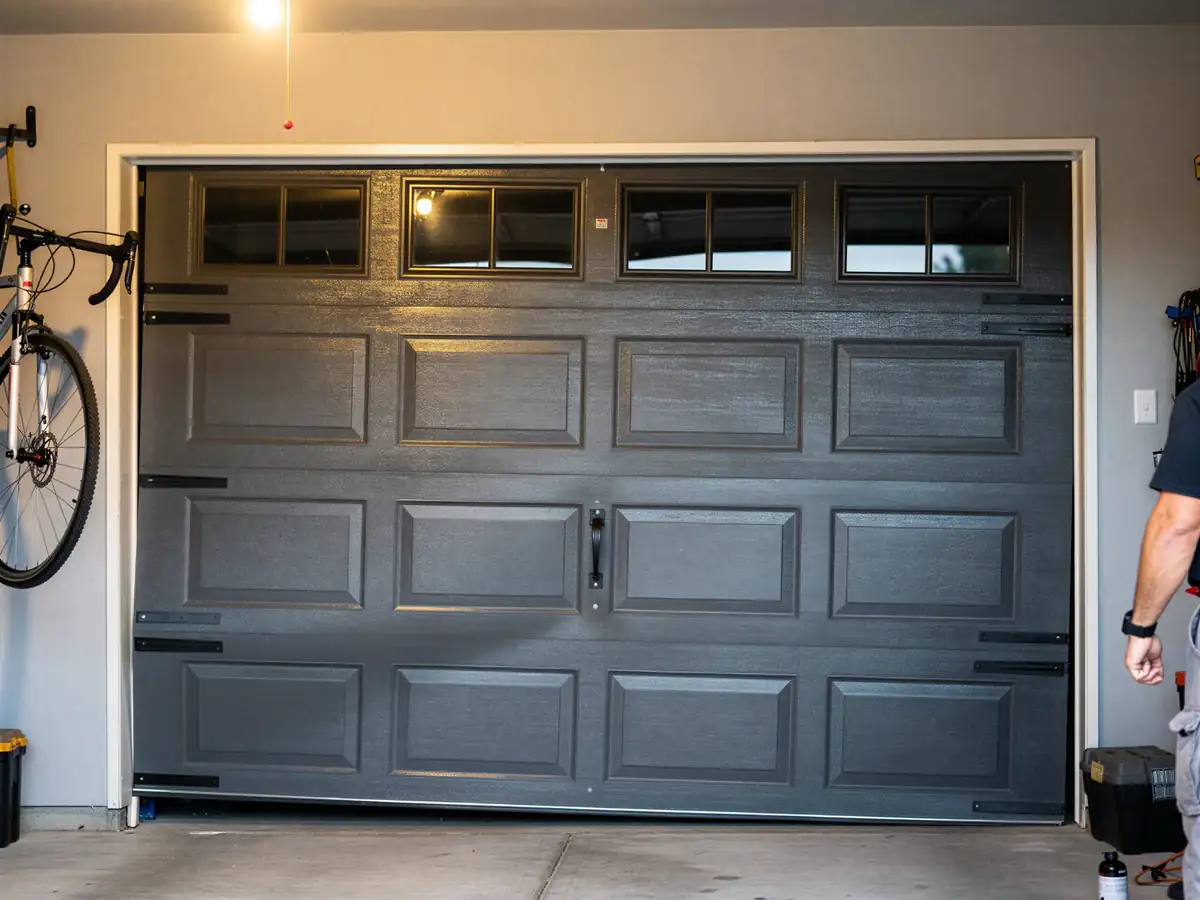
When power cuts, those older units stop cold. No soft landing, no backup cycle, nothing. The door sits wherever it was when the lights went. For a household with one car trapped inside or one trying to get out, that's not a minor inconvenience, it's the only way in or out of the garage until someone manually disengages the trolley. With median household income here at $92,382, plenty of owners can afford to add a battery-backup unit, but the fact that it's affordable doesn't mean it's been done. Most garages we see still run on the opener that came with the house.
Leaving It Alone
If your opener still runs fine and you've never lost power long enough to notice, there's a real argument for leaving it alone. A working chain-drive opener from the 1980s or 90s isn't broken just because it lacks a battery. We're not going to tell you to replace a unit that does its job every day just to add a feature you might use twice a year.
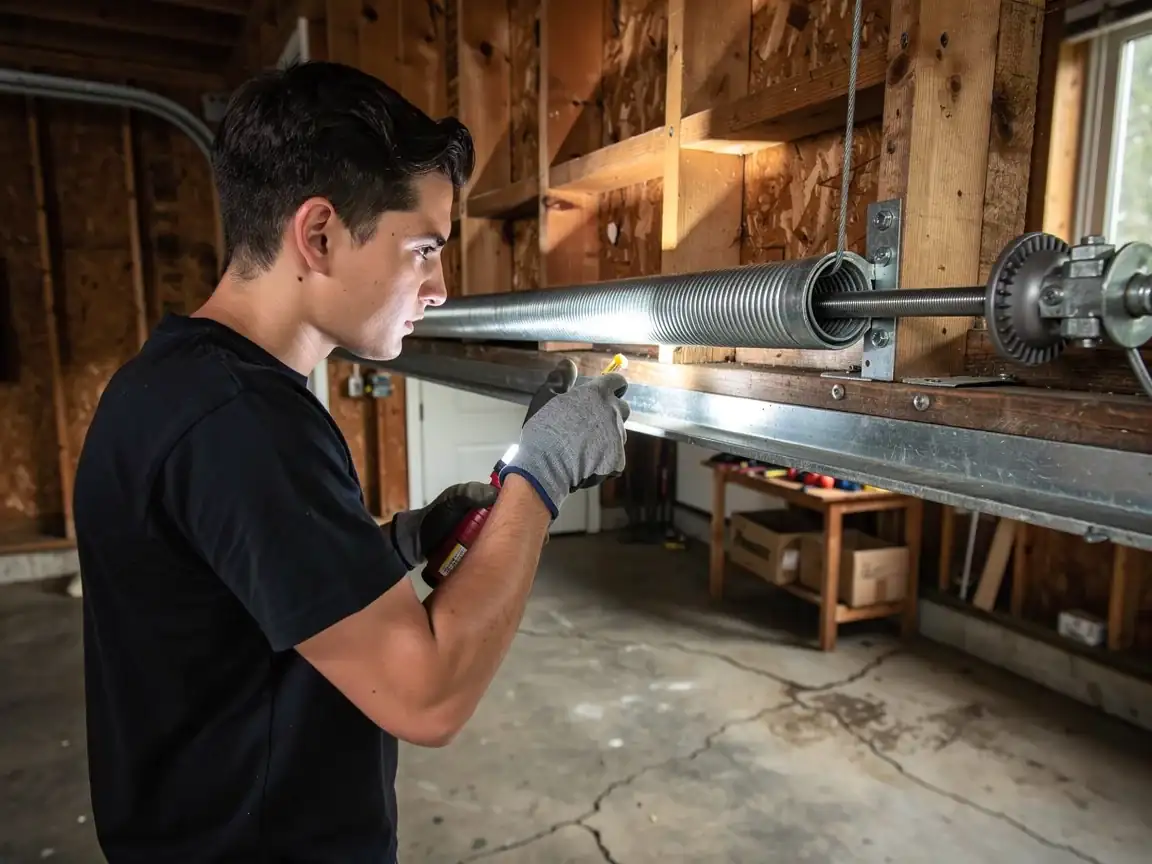
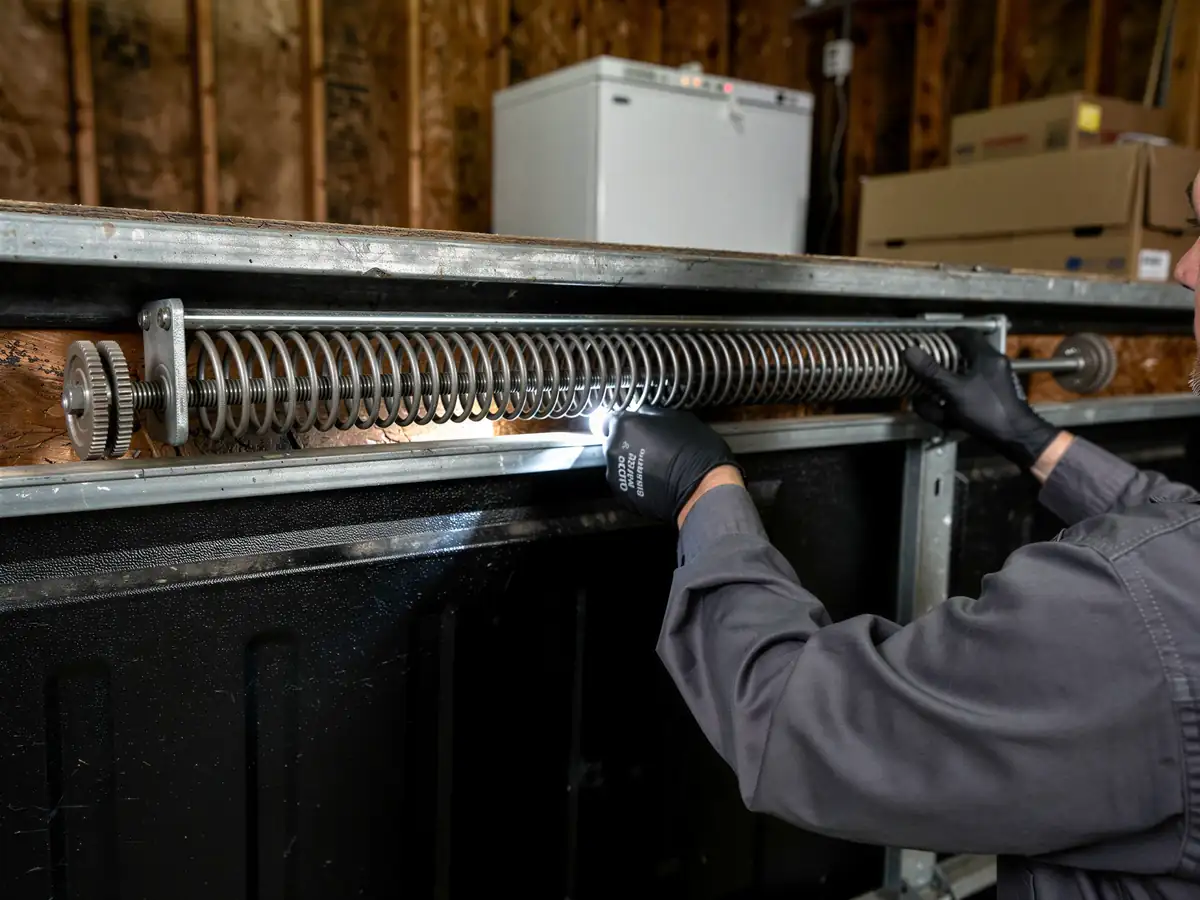
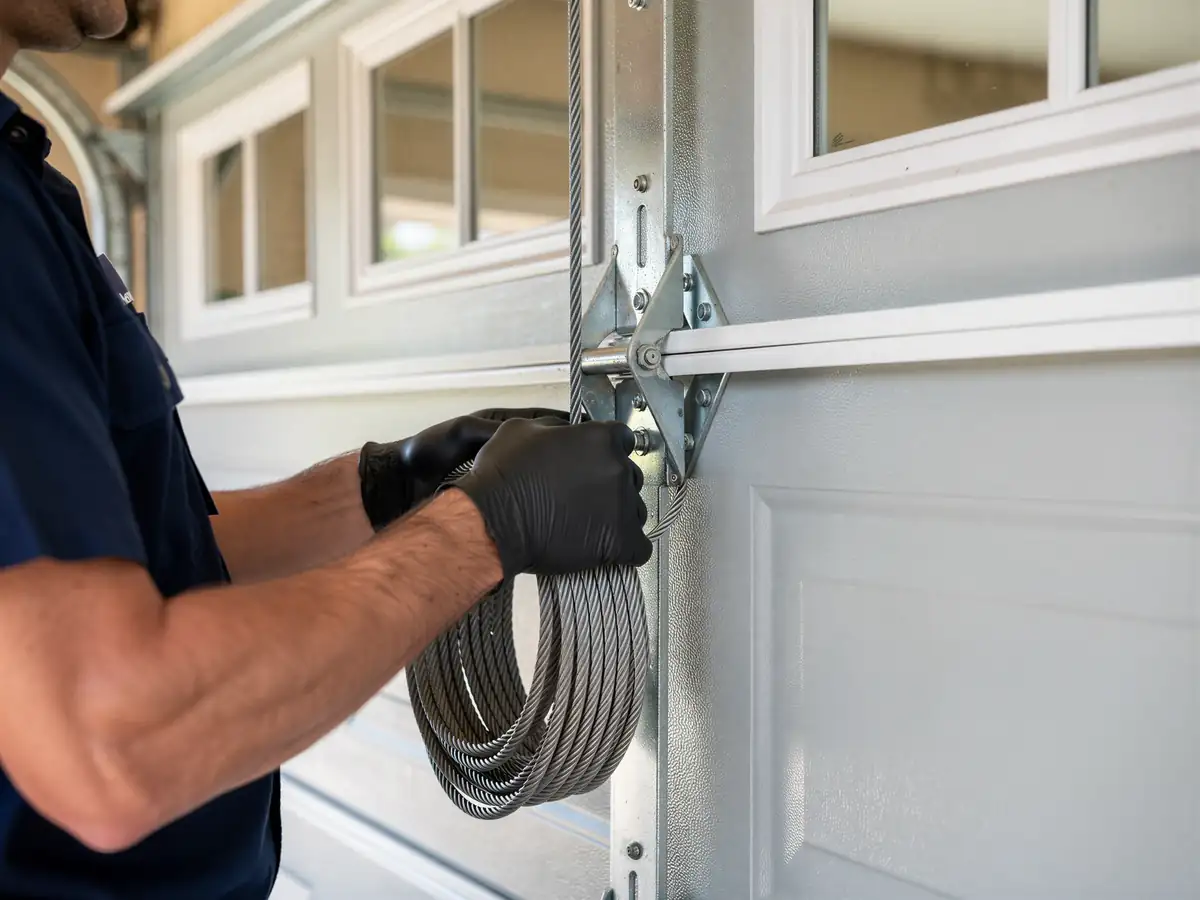
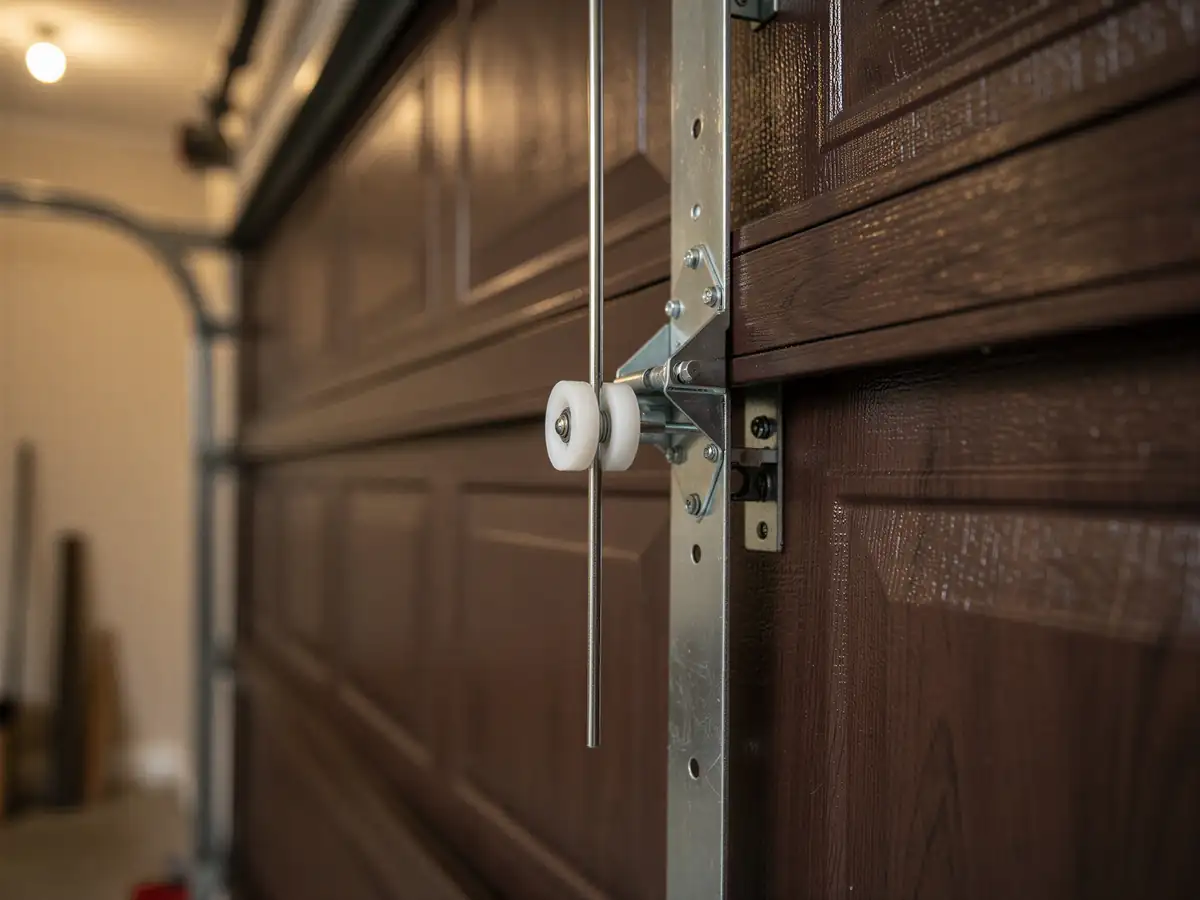
Where it stops being fine: if you've already pulled the manual release during an outage and the door was heavy, hard to lift, or didn't stay up on its own. That's not an opener problem, that's a spring or cable problem wearing a power-cut disguise, and no battery backup fixes a spring that's about to go. We'll tell you straight if what you're describing is an opener issue or a door-balance issue - they get confused for each other constantly, and fixing the wrong one wastes your money.
What the Weather Here Does to It
West Palm Beach sits in a mild temperate band
No hard freezes, no winter seizing up a track the way it does up north. That's the good news for the mechanical side of the door. The bad news is what that same climate does to the electronics. A logic board in an opener here sits in humidity essentially year-round, not for a few weeks of thaw. Corrosion on contacts and connectors happens slower than storm damage but adds up the same way, especially in openers installed before sealed circuit boards became standard.
We don't have wind or storm-frequency data to hand you here
So we're not going to guess at how often outages hit this specific grid. What we can tell you is that an opener's response to a power cut has nothing to do with the weather event itself and everything to do with whether it has a battery backup and whether its board has held up under constant humidity. Those are the two things worth checking before hurricane season, not after.