How It Shows Up
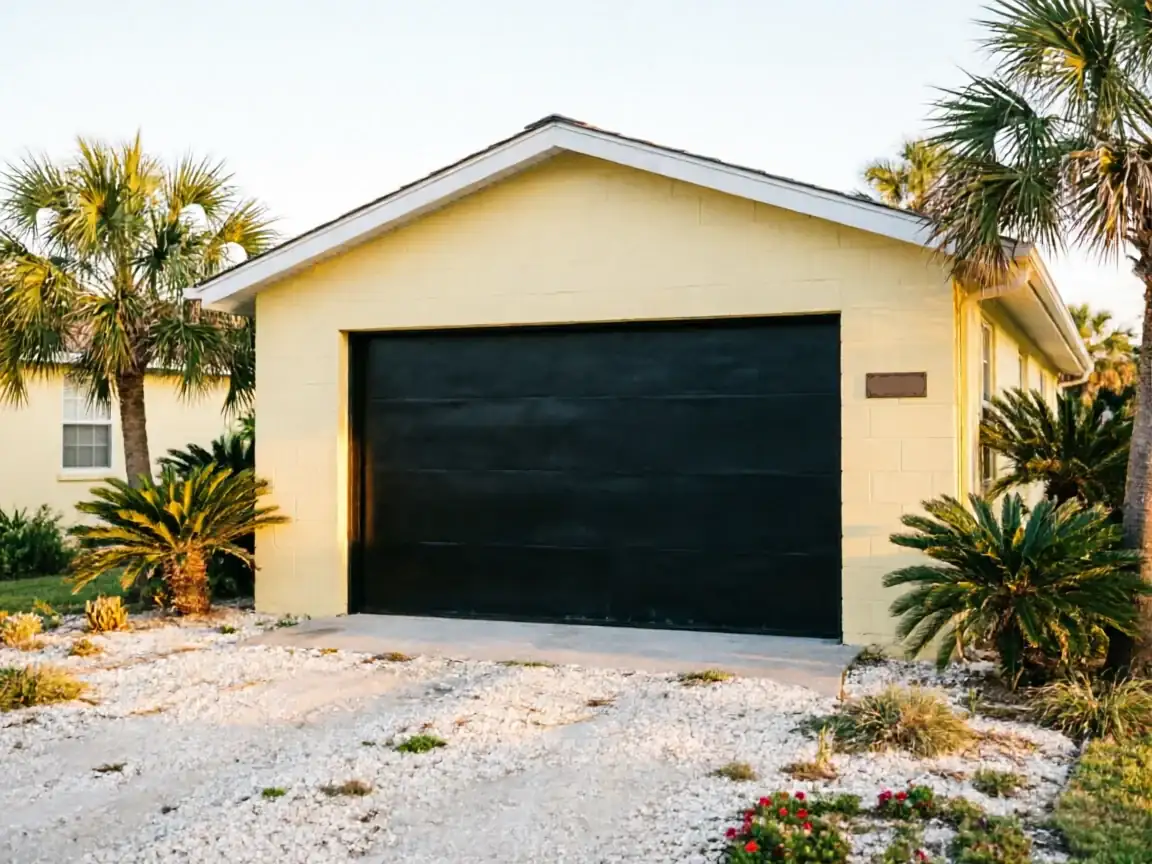
Most garage doors in Wellington went up after 1995
Nearly two decades newer than the 1960s and 70s stock that makes up much of the rest of the service area we cover. That gap matters more than people think. A door built to the Florida code update of the mid-90s was engineered for higher wind load from the start, which means heavier gauge steel, factory-installed reinforcement struts, and torsion springs sized for that extra weight.
What fails here tends to be the moving parts, not the panel itself
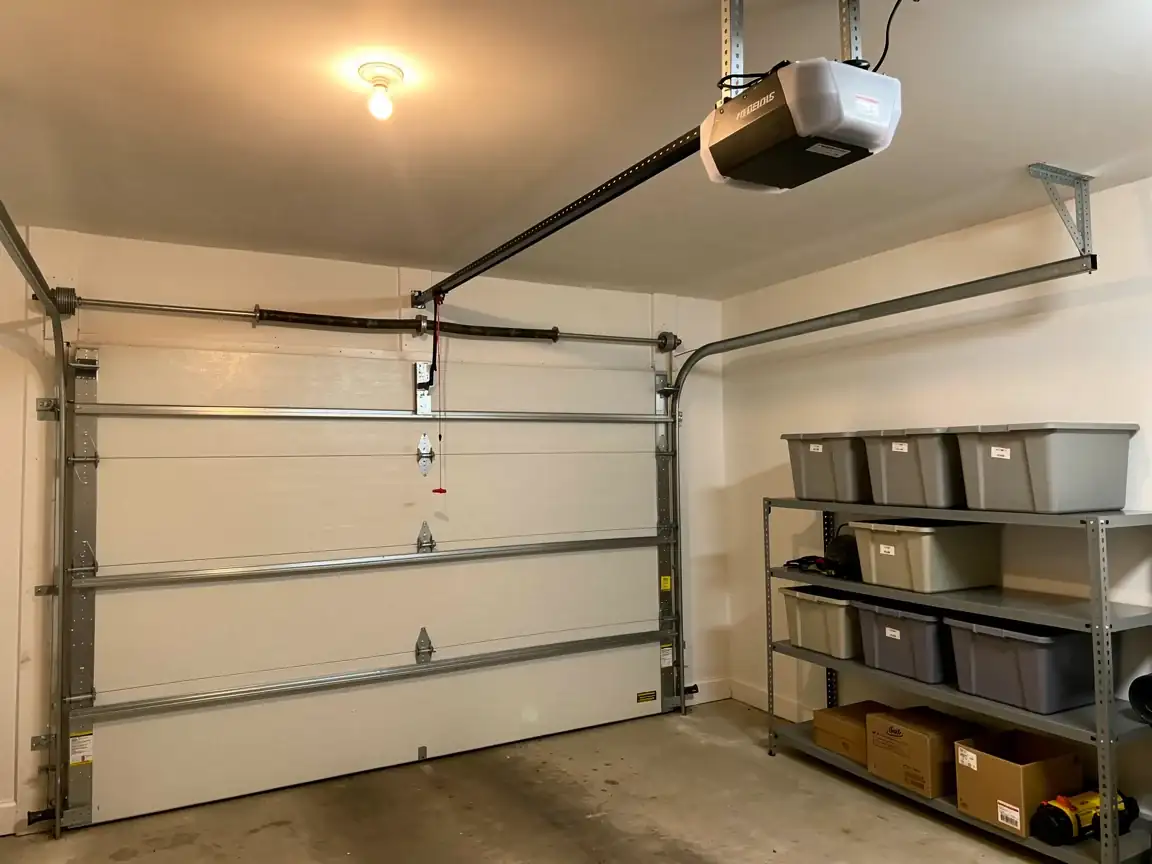
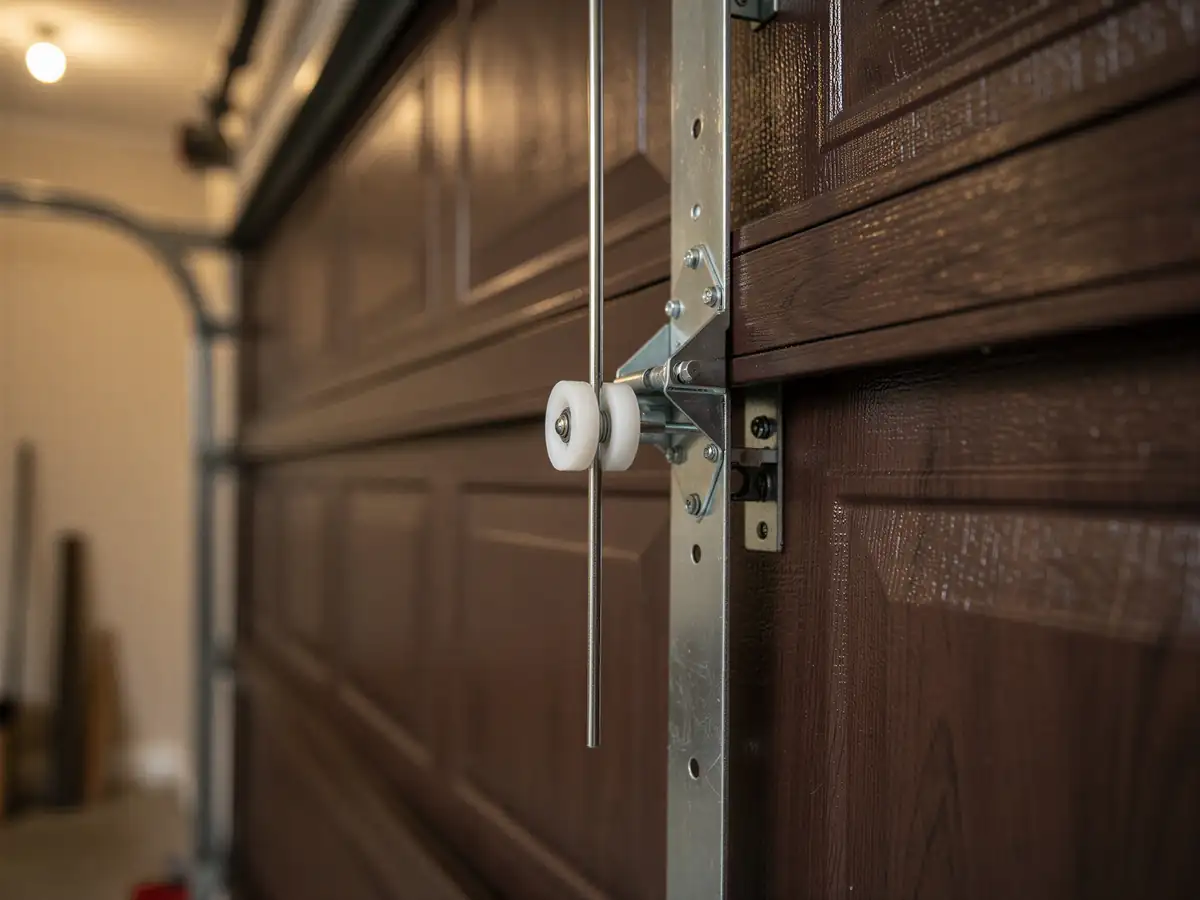
Openers from that era are hitting the age where circuit boards and logic sensors start to drop out, not the door itself. We also see galvanized rollers and track hardware pitting from years of coastal humidity, even on doors that are otherwise sound. The door isn't the weak link in most Wellington calls. The electronics and the small steel parts around it are.
Getting It Booked In
We run the job from West Palm Beach, about 11 miles in. That's a straightforward drive out, no detours through older neighborhoods with narrower access or tight setbacks, which keeps the trip predictable once a call is scheduled.
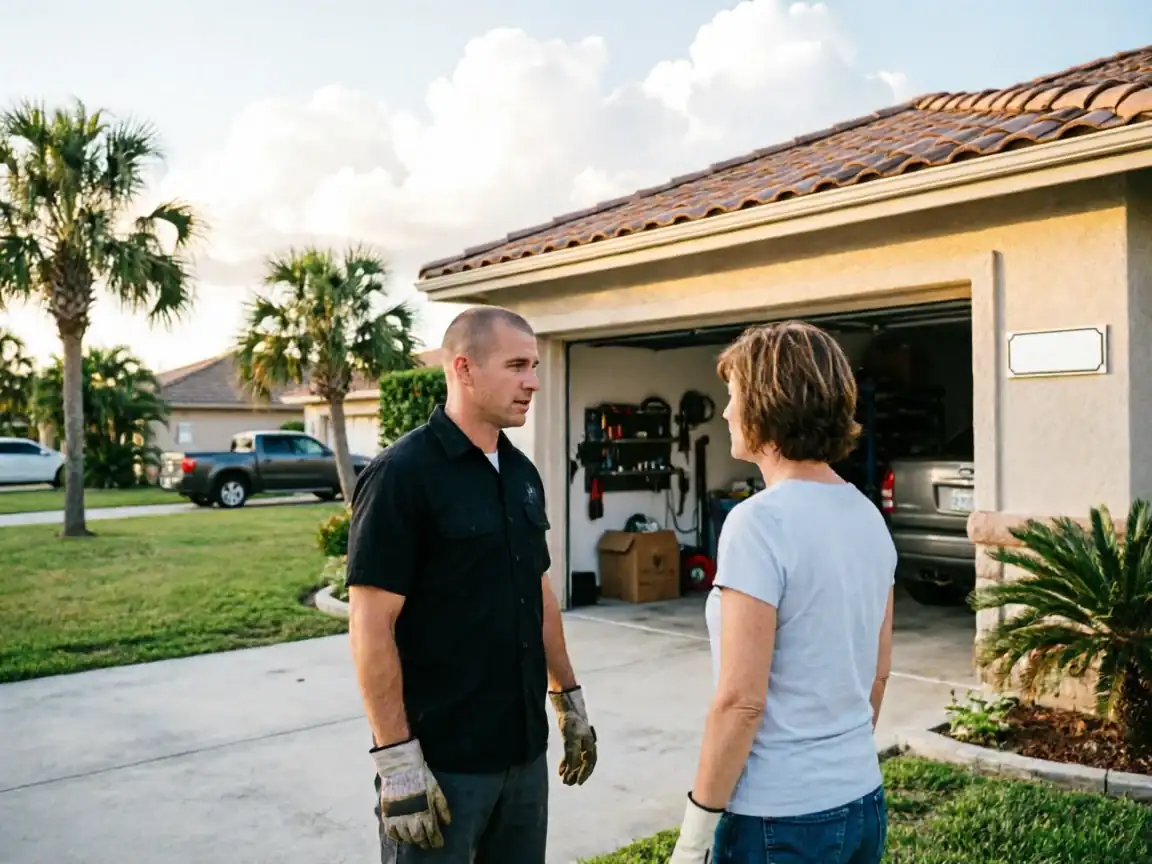
When you call, tell us the door's age if you know it and whether the opener is original to the house or was swapped at some point. On a 1995-era build, knowing whether you're on the first opener or a replacement changes what we bring on the truck. We don't keep a local branch in Wellington, so what we load before we leave West Palm Beach is what we have on hand for the visit.
The Complications
With a median household income of $110,294 in this part of the service area, we see more owners choose full replacement over patch repairs when a door is already showing its age. That's a real choice, not just a preference. A 30-year-old steel door with a tired opener and pitted rollers can often be repaired piece by piece, but once two or three systems are failing at once, replacement starts to cost about the same as the repairs would have, and you get a door built to current wind code.
The other complication is humidity, not cold. Wellington sits in the mild temperate band, so we're not dealing with freeze-thaw cracking in the track or brittle springs from winter temperature swings. We're dealing with corrosion creep on hardware that's been sitting in salt-tinged, humid air for two or three decades. It's slower damage, but it's steady, and it tends to hit the hinges and roller stems before anyone notices a problem with the door's swing.
How We Fix It
For openers from the mid-90s through the 2000s
The first move is usually the logic board or the safety sensor pair, not the motor itself. Motors on these units tend to outlast the electronics around them. We test both before replacing either, because swapping a board when the real fault is a misaligned sensor eye just moves the cost around without fixing anything.
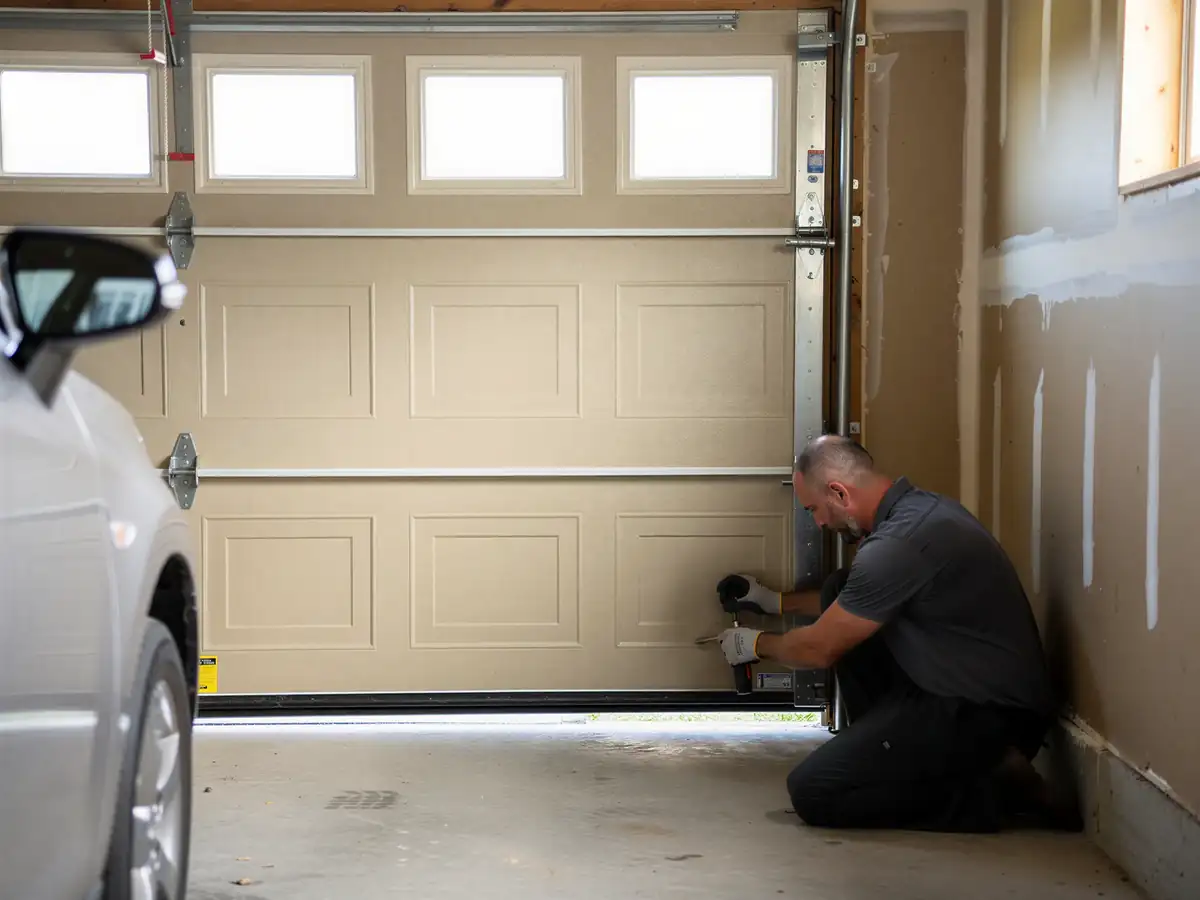
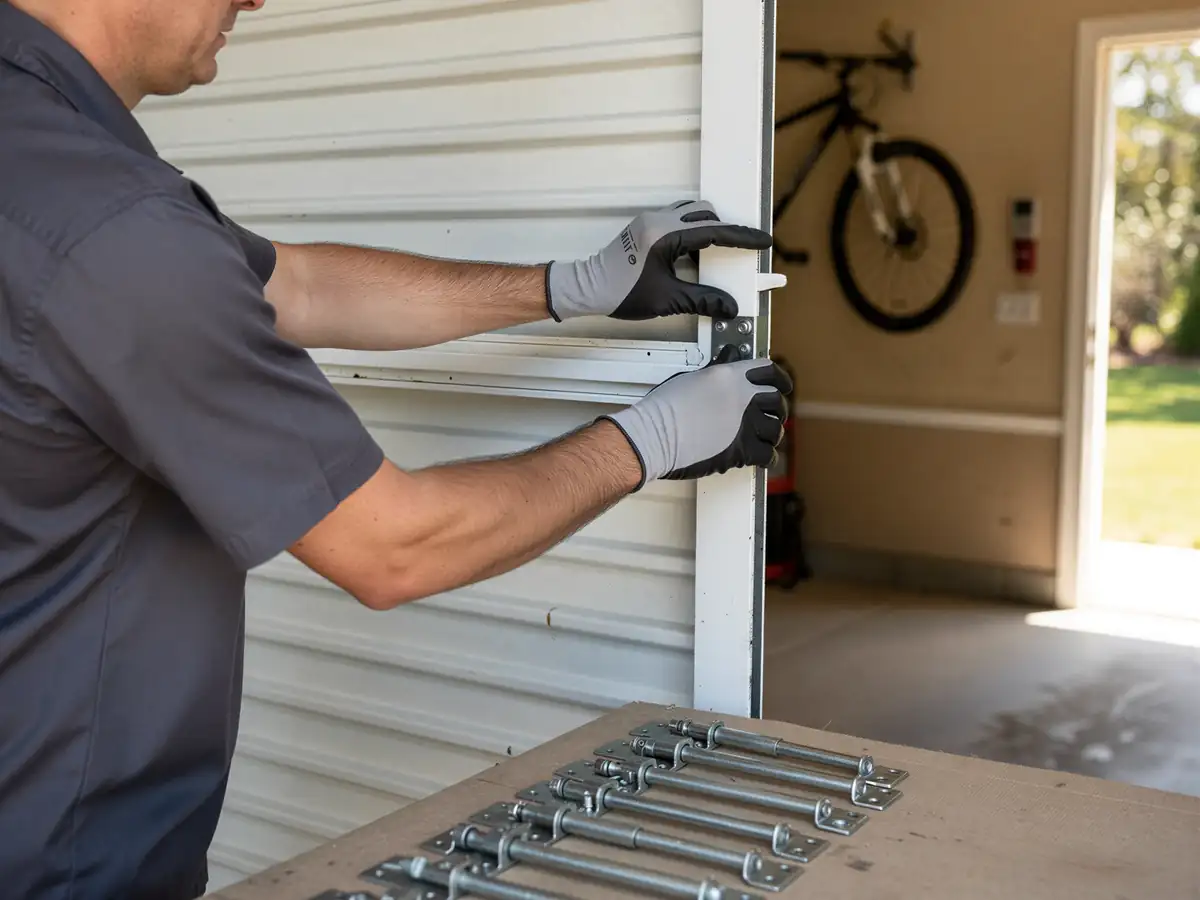
For hardware corrosion, we replace rollers and hinges in sets rather than one at a time
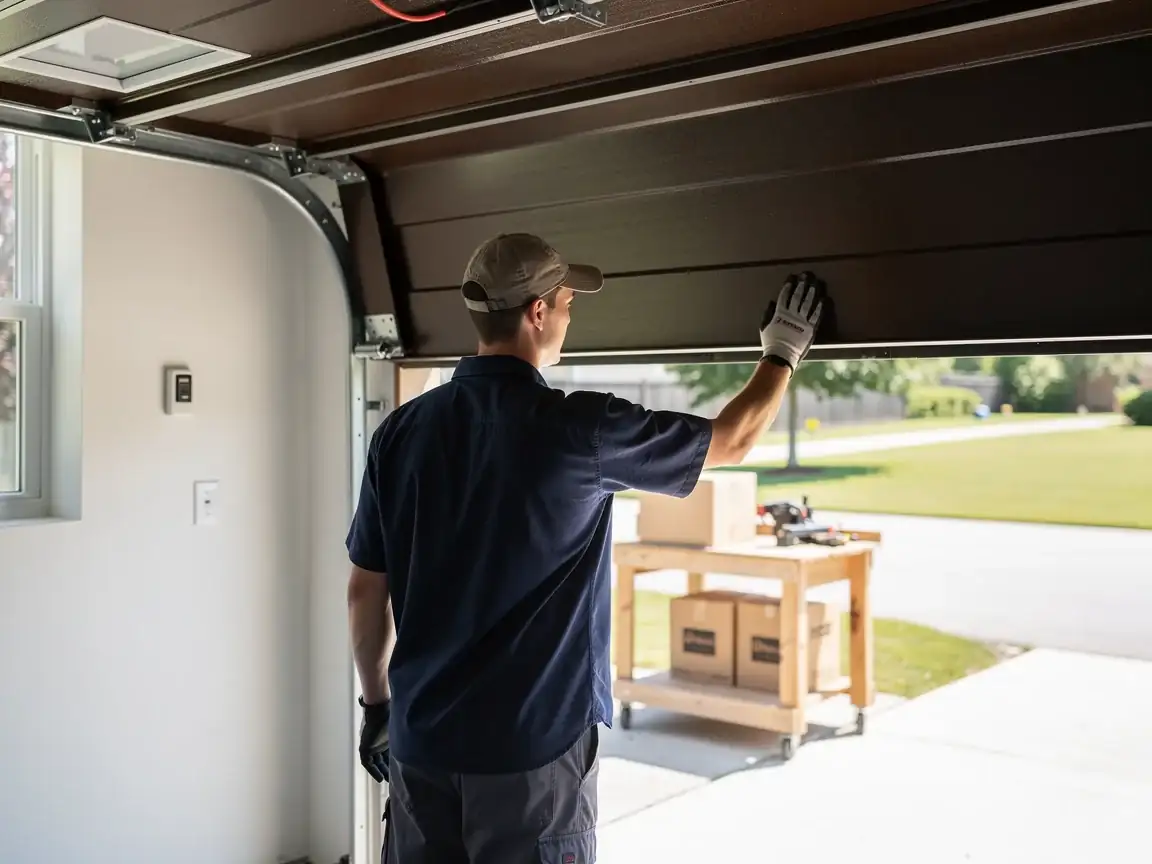
A door with three good rollers and one seized one will still run rough, because the seized one drags and throws uneven load onto the track on that side. Torsion springs on doors this age are usually still within their rated cycle life, so we check wind, tension, and wear before recommending a spring swap rather than defaulting to one.
The DIY Question
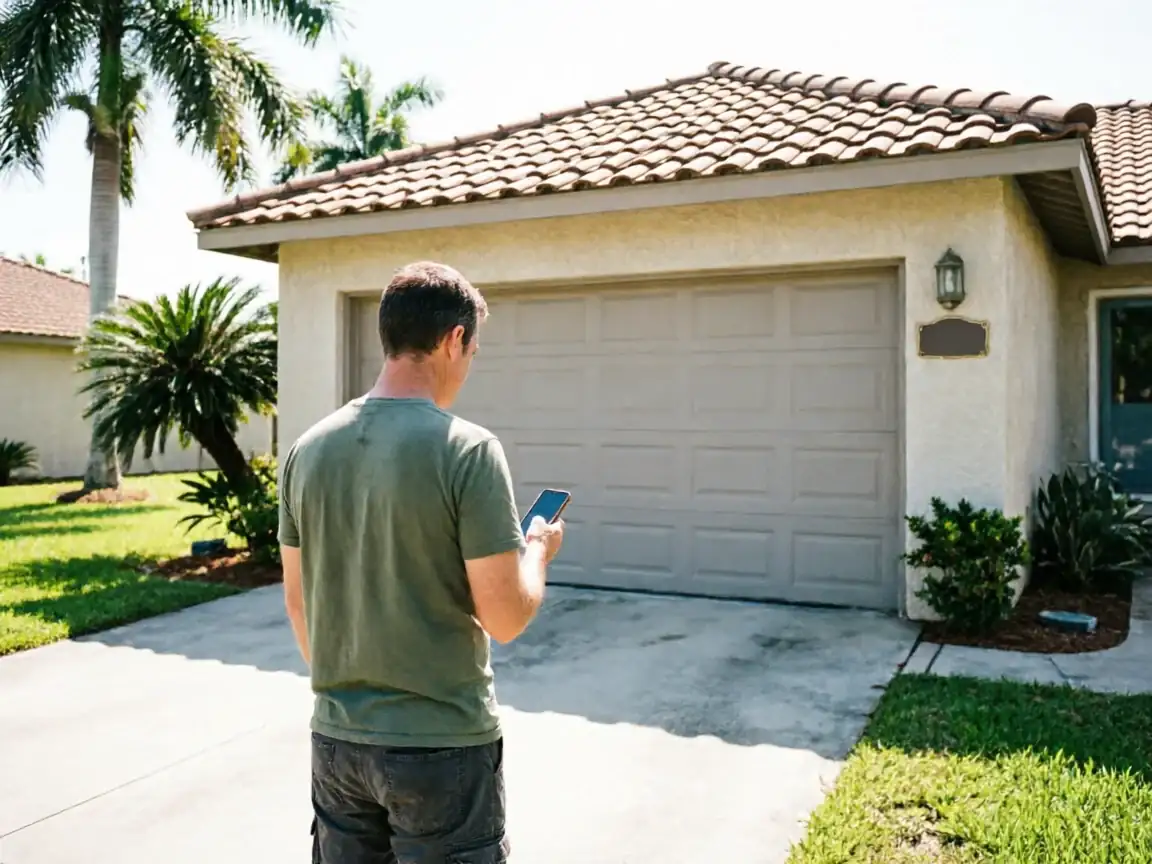
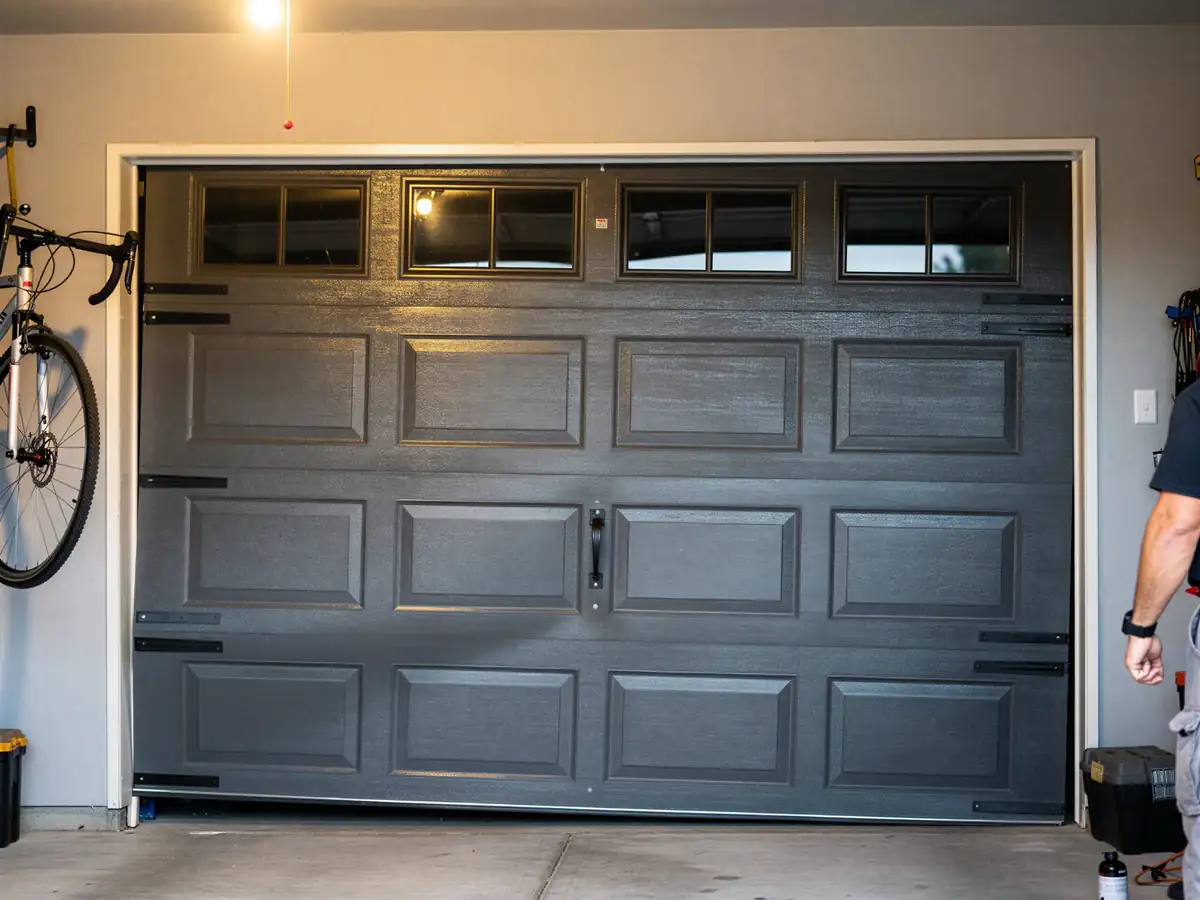
Opener sensor alignment is one of the few things worth trying yourself before calling. If the door reverses before it touches the floor, or won't close at all, check that the two small sensor eyes near the bottom of the track are pointed at each other and that nothing - a bike, a storage bin - is breaking the beam. That fixes a surprising number of calls we'd otherwise get for free.
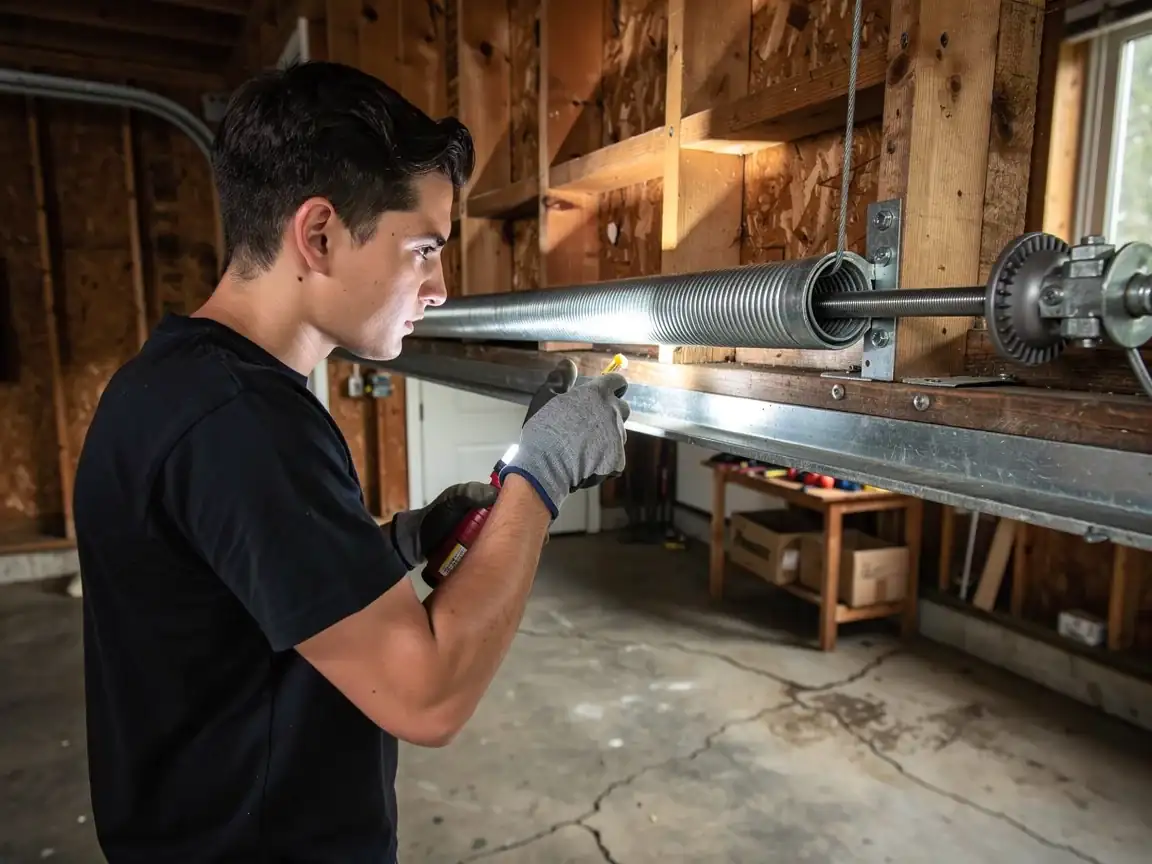
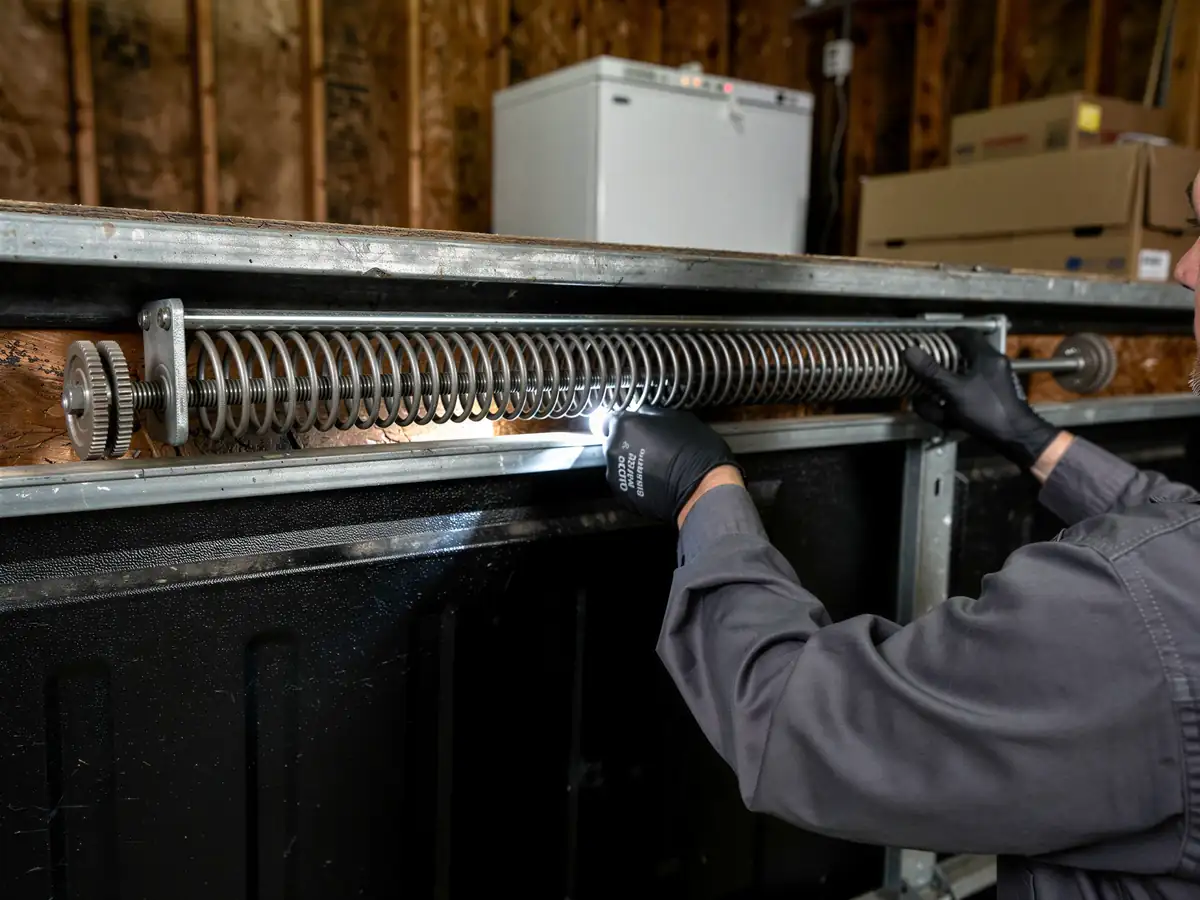
What we don't recommend doing yourself: anything involving the torsion spring itself. These springs are wound under enough tension to cause serious injury, and on a newer, heavier door built to current wind code, that tension is higher than on an older, lighter door. If the spring is broken or visibly stretched, that's a call, not a weekend project.
Parts We Carry
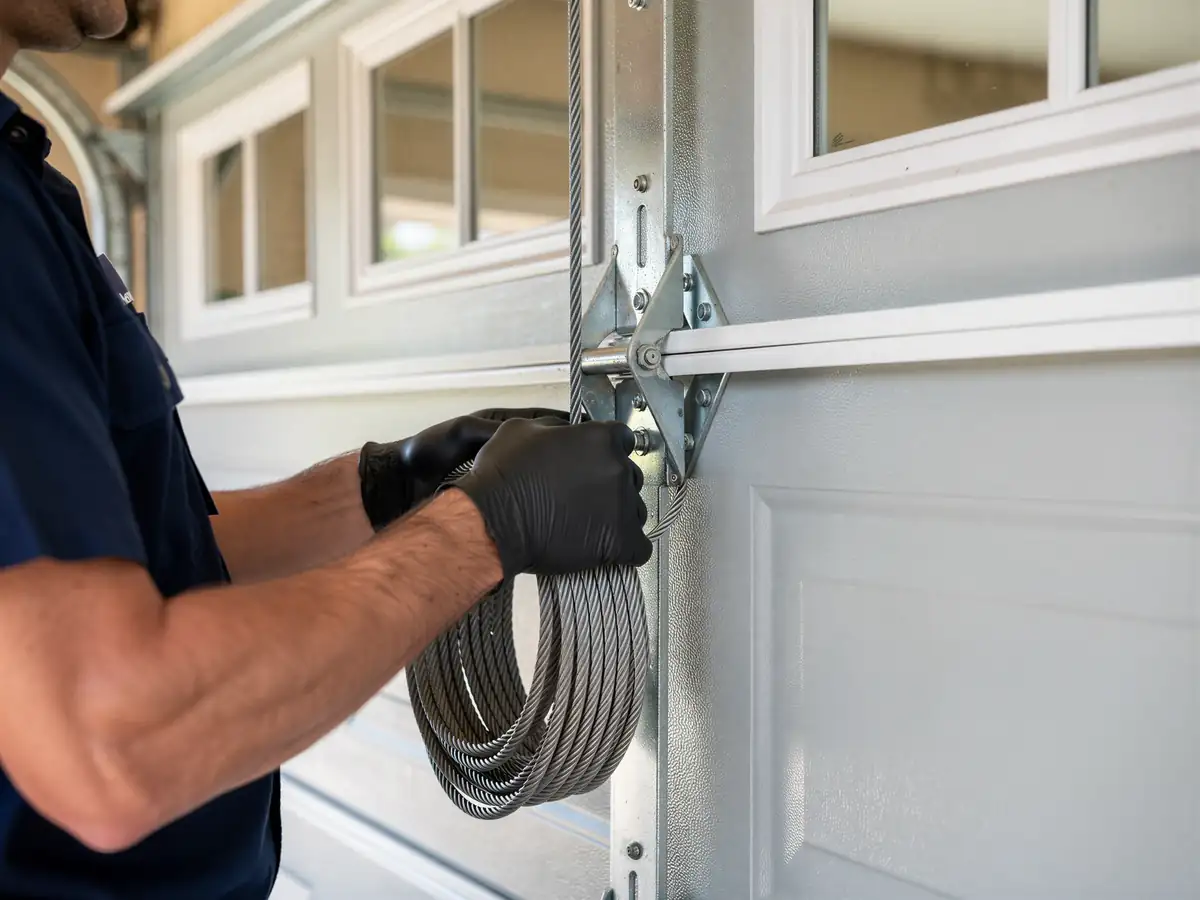
We stock standard torsion springs sized for mid-90s and newer sectional doors, galvanized rollers and hinge sets, and common opener sensor pairs that fit the openers most often installed in this build era. What we don't always have on the truck is a board for an obsolete opener model that hasn't been manufactured in years - those can mean a short parts wait, and we'll tell you up front if that's the situation rather than guess at a timeline.
We also carry weatherstripping and bottom seals suited to a humid, salt-air climate rather than a freeze-prone one, since that's what actually wears out first on doors in this part of the service area.