The Cost of This Job
We don't post a flat number for cable repair because the job changes with what's attached to the cable
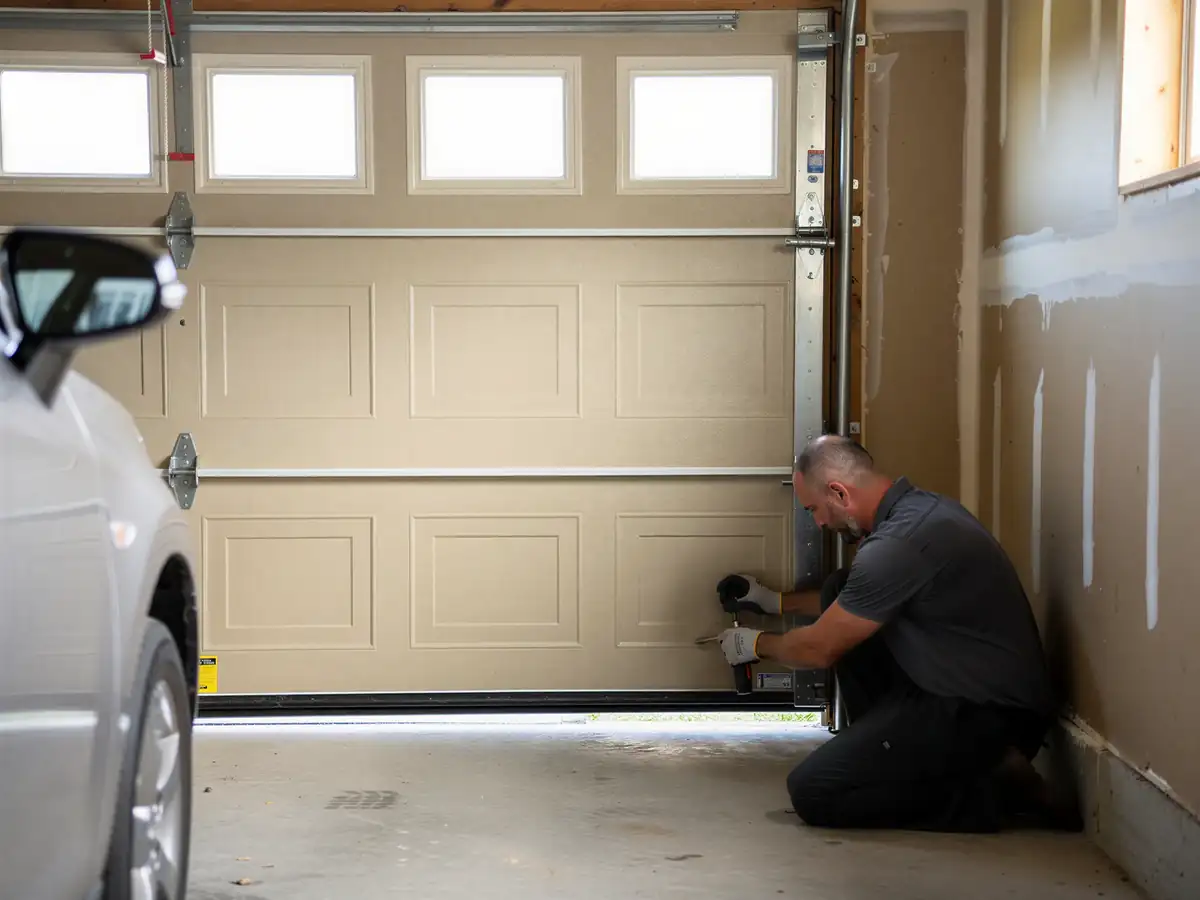
A snapped lift cable on a single door with a working spring is a short visit. A frayed cable on a double door where the drum is also chewed up, or where the opener has been fighting a bad cable for weeks, is a longer one. What we can tell you is what drives the price up or down: whether both cables need replacing (if one is frayed, the other is usually close behind and we'll say so), whether the drums or the bottom brackets took damage, and whether your door is a standard size or an oversized one common on the newer builds east toward the water.
Across this service area median household income runs close to $92,382
And most of the double-cable jobs we see land in a range that reflects two cables, two drums if needed, and labor rather than a single part swap. We'll give you the number before we start, not after. If a tech opens your door and finds a spring also near the end of its cycle count, we'll tell you that too rather than send you back out in a month.
- $92,382 median household income
Parts We Carry
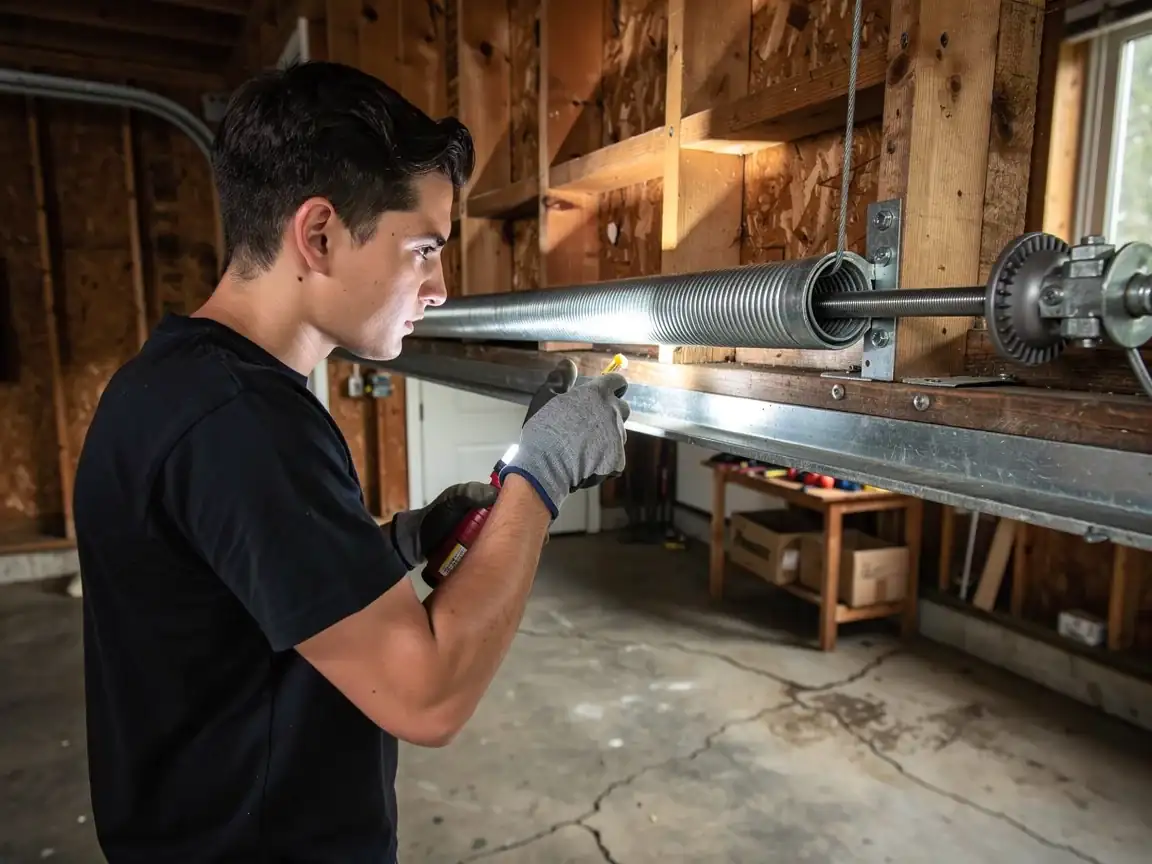
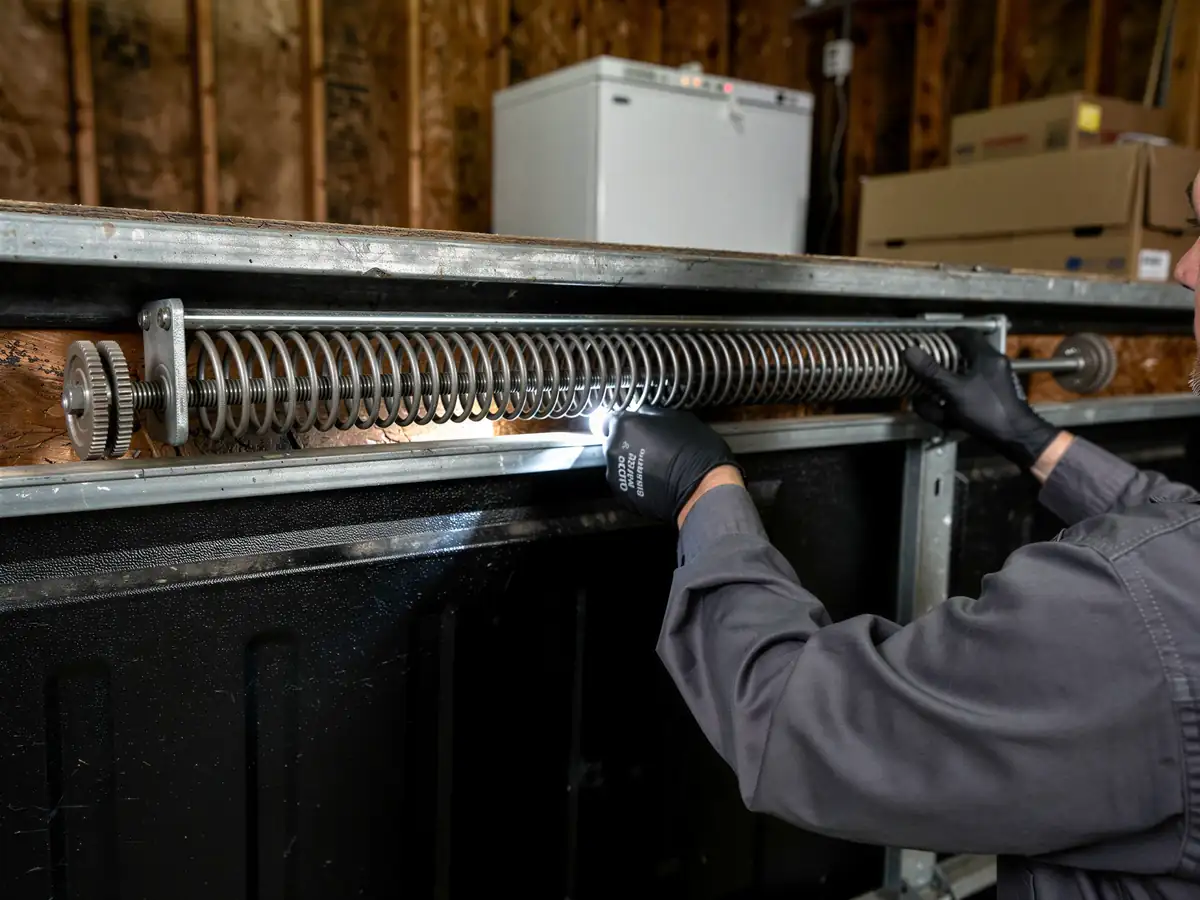
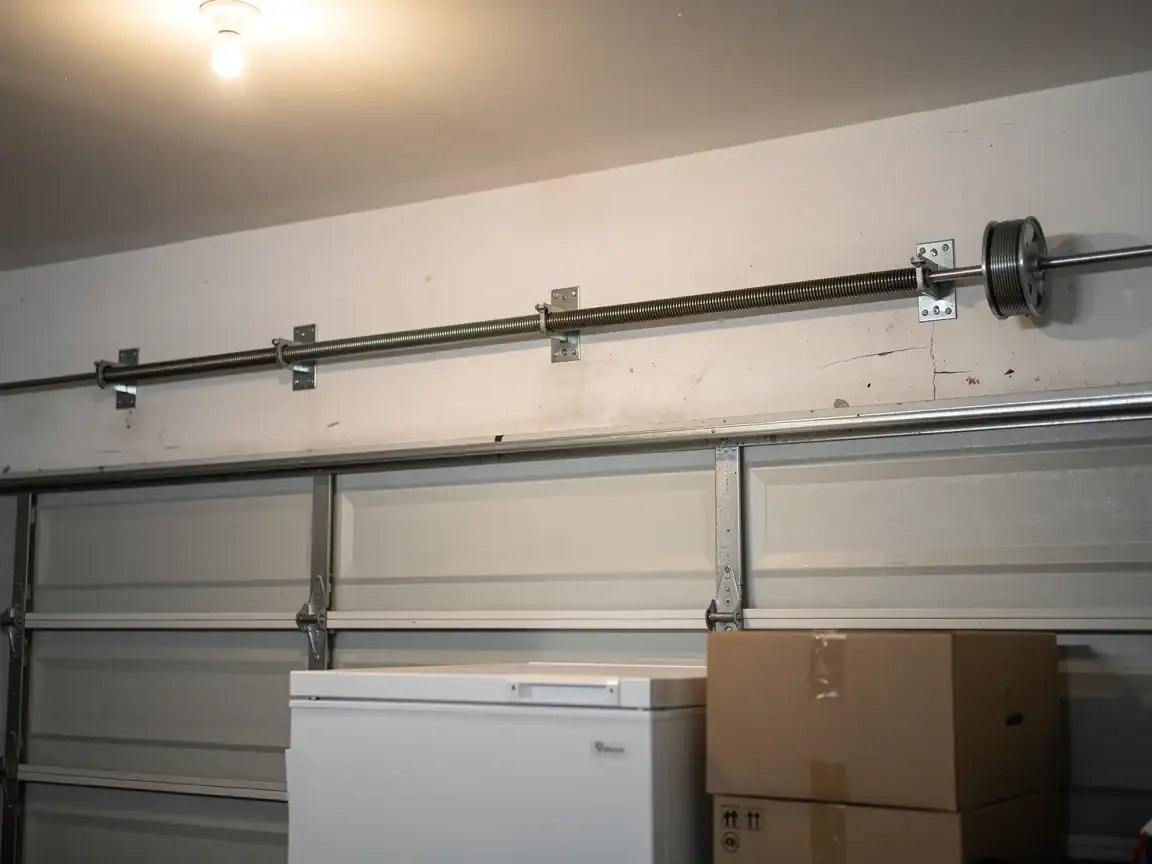
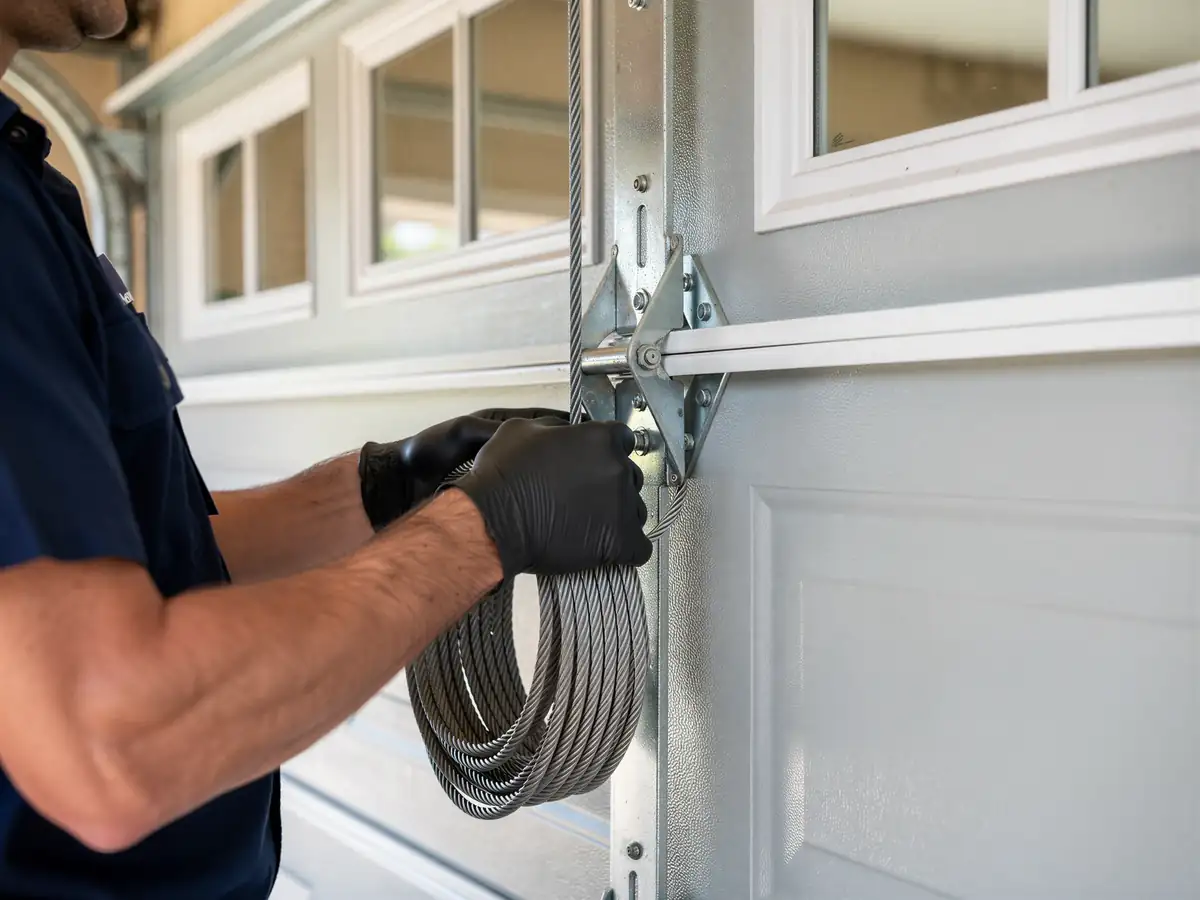
We stock galvanized lift cables in the sizes that fit the torsion and extension setups found on houses built from the mid-1960s through the 2000s across this area, plus the aluminum and steel drums they wind onto. We carry both 1/8-inch and 7×19 strand cable, which covers the lighter residential doors and the heavier insulated or double-car doors you find on the larger lots further inland.
What we don't stock on the truck: cable for oversized commercial doors or custom European hardware. Those get ordered, and we'll tell you the lead time up front rather than quote a same-day fix we can't deliver. If your door takes a specialty part, we'd rather say so on the phone than on your driveway.
How It Shows Up
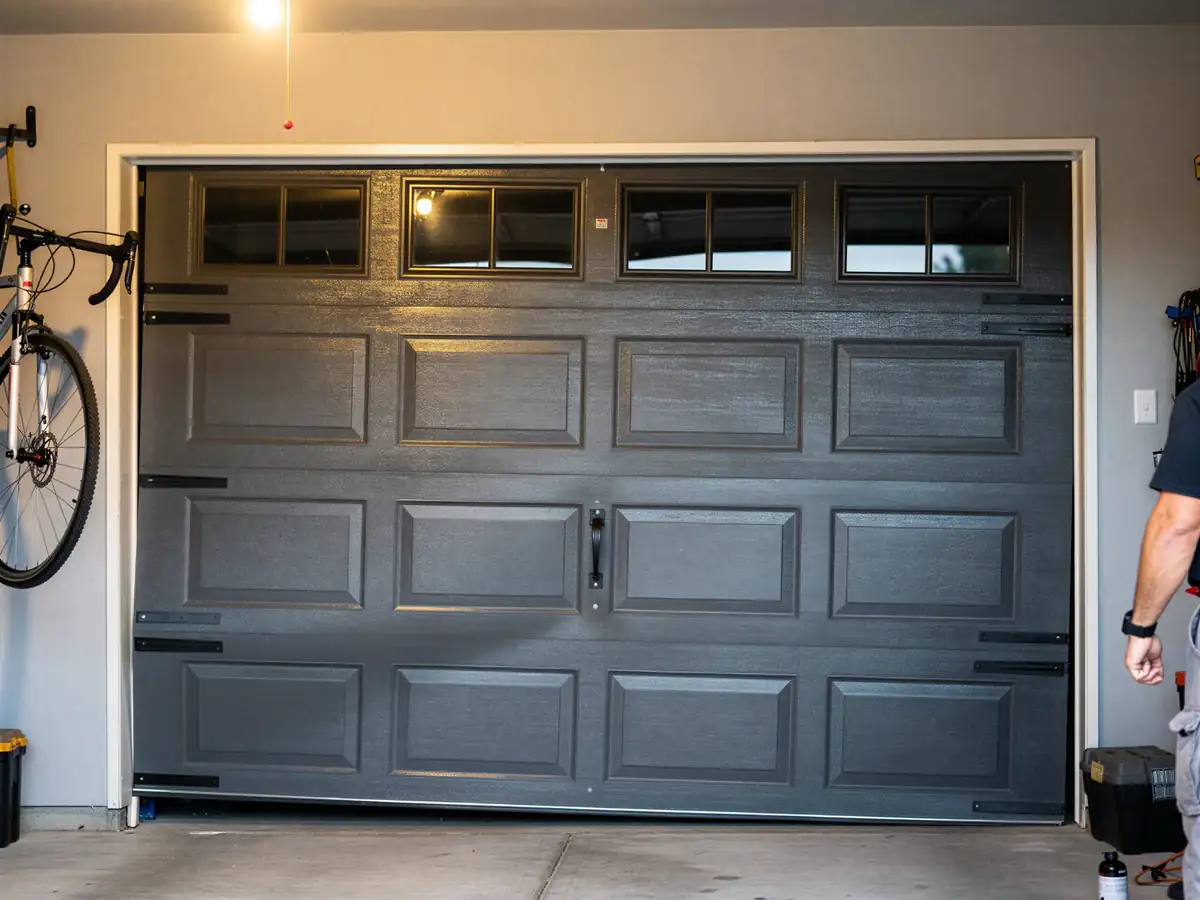
A cable going bad rarely snaps without warning. You'll usually hear it first: a popping or clicking sound as the door travels, especially near the top or bottom of the run, which is the cable catching on a drum groove that's starting to wear unevenly. The door may start to hang crooked, lower on one side than the other, because one cable has stretched or frayed more than its partner. Some owners notice the opener straining harder than it used to, or the door reversing partway through a close cycle because the safety sensors read the uneven travel as an obstruction.
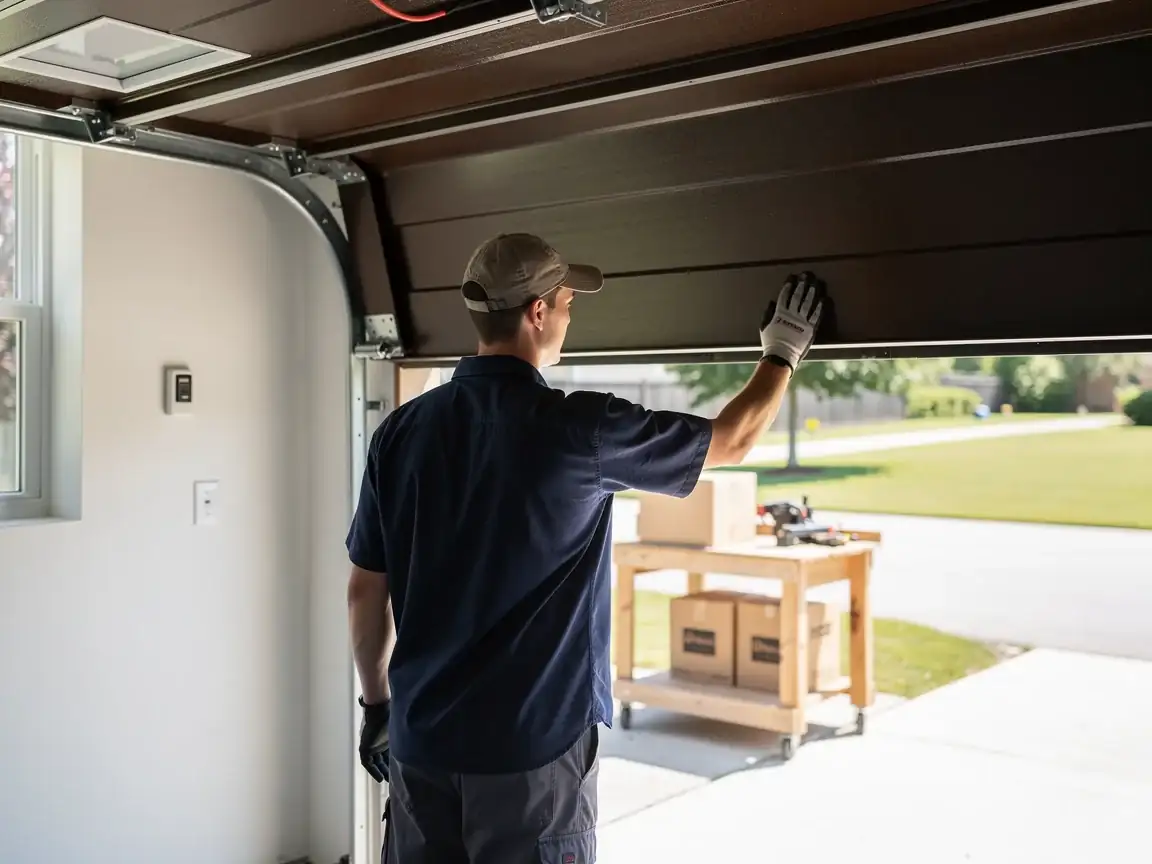
If a cable actually breaks while the door is up, the door will drop, fast, on the side with the failed cable. It's not subtle. If that happens, don't try to force the door down or up by hand, and keep the opener off until someone's looked at it. A broken cable on one side almost always means we check the other side too, not because it's required but because cables on the same door see the same stress and usually fail close together in age.
What Causes It Around Here
Most of the housing stock in this service area went up between 1965 and 2021
With a median build year around 1978, and that matters for cables specifically. Doors from that era were sized and sprung for the hardware available at the time, and when an owner upgrades to a heavier insulated door later without rebalancing the spring and cable system, the original cables end up carrying more load than they were sized for. That's a repeat pattern we see on the older stock across the 21 named communities in this area, not something unique to one street.
The climate here is mild temperate
Which is kinder to cable than a freeze-thaw climate would be, but it's not neutral. Humidity and salt-laden air corrode galvanized coating over time, and once that coating breaks down, the strands underneath rust and fray faster than they would inland. Houses closer to the water catchment area and the coastal towns on our list tend to show corrosion-driven fraying sooner than homes further west, even on cables of the same age.