The Situation
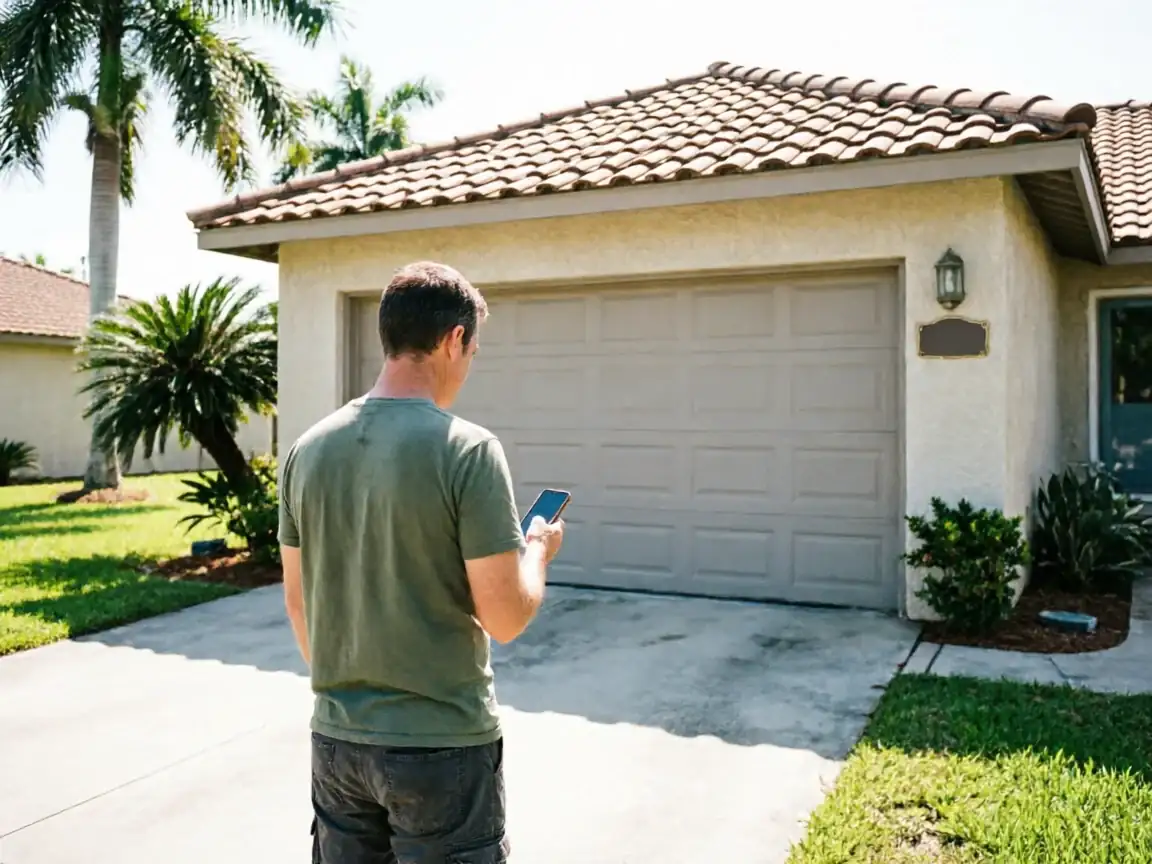
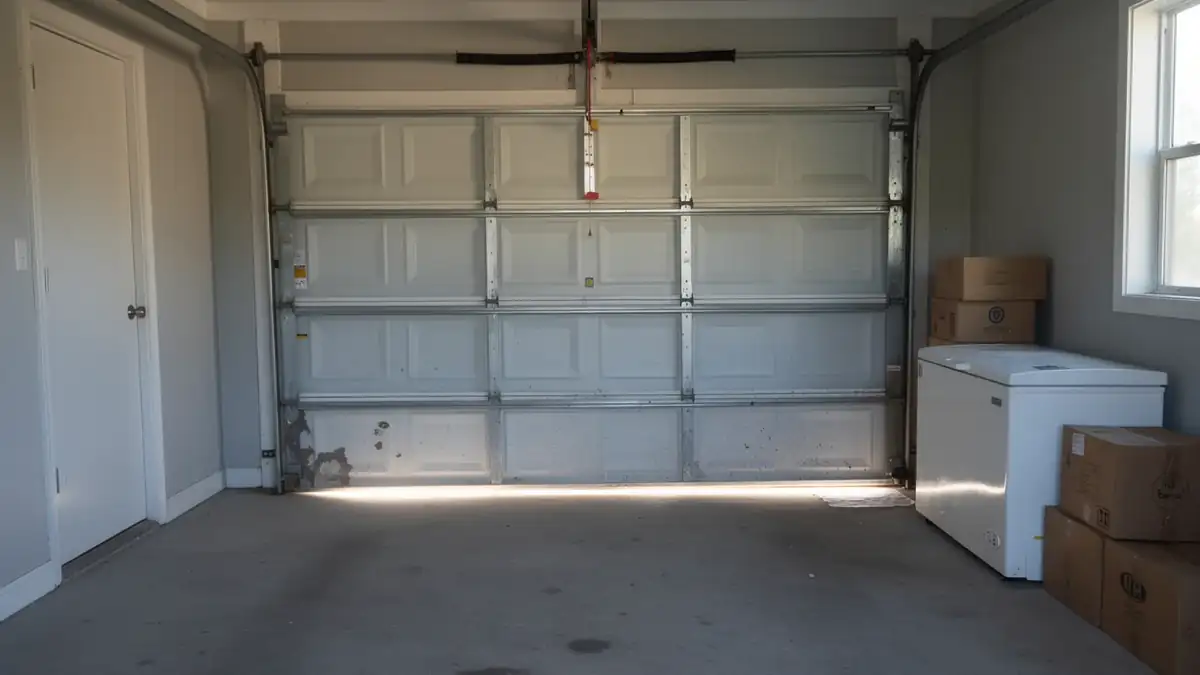
Housing in this service area went up mostly between 1965 and 2021, with the median build year landing around 1978 - squarely in the decades before insulation requirements applied to garage doors as a matter of code. That means a meaningful share of the 46,915 owner-occupied houses across this area still carry whatever door came with the original build: single-layer steel, no thermal break, no backing. Riviera Beach, four miles off, and Lake Park, five miles out, sit in the same build window. These aren't rare outliers - they're the typical door for a house of that era here. Nobody retrofitted insulation into a garage door panel the way they might've added attic insulation during a reroof. The door either got swapped at some point for a newer insulated model, or it's still the original steel slab doing the same job it did when the house was framed. There's no way to tell which one you've got without looking at it, and the two perform very differently.
Leaving It Alone
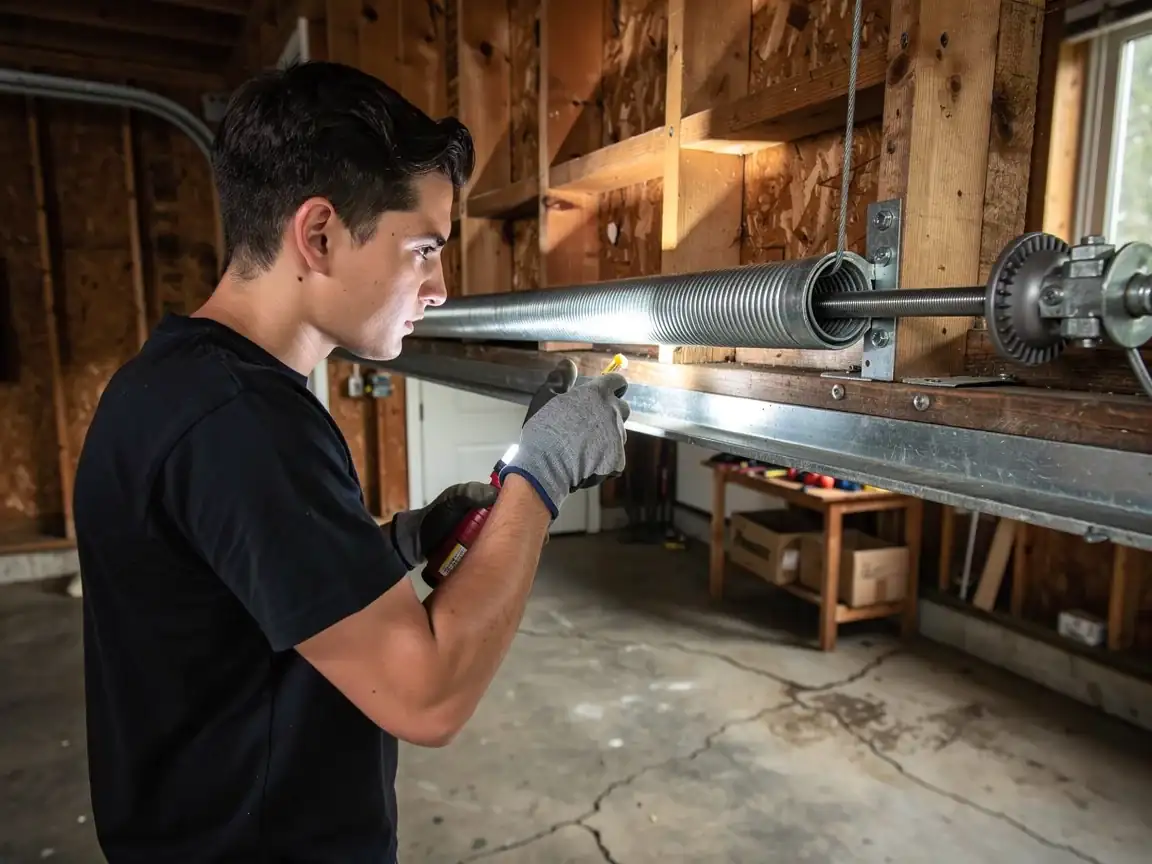
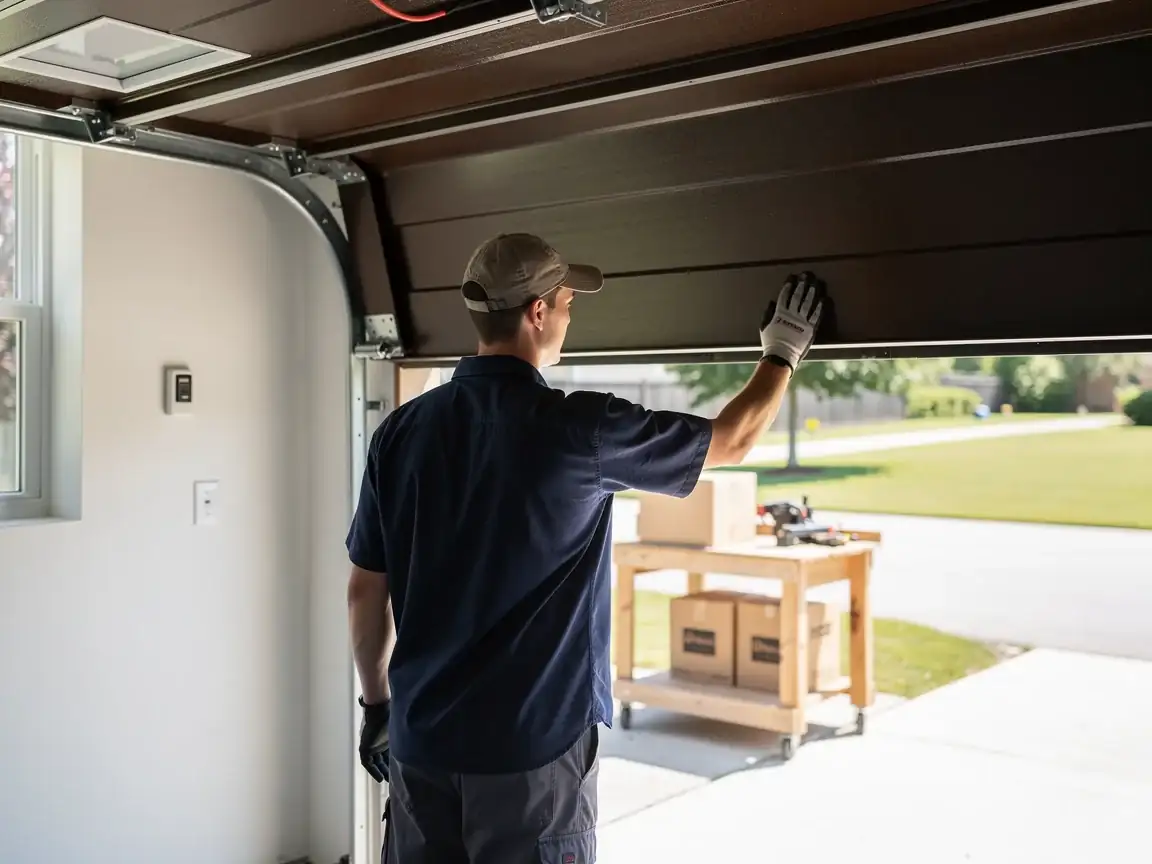
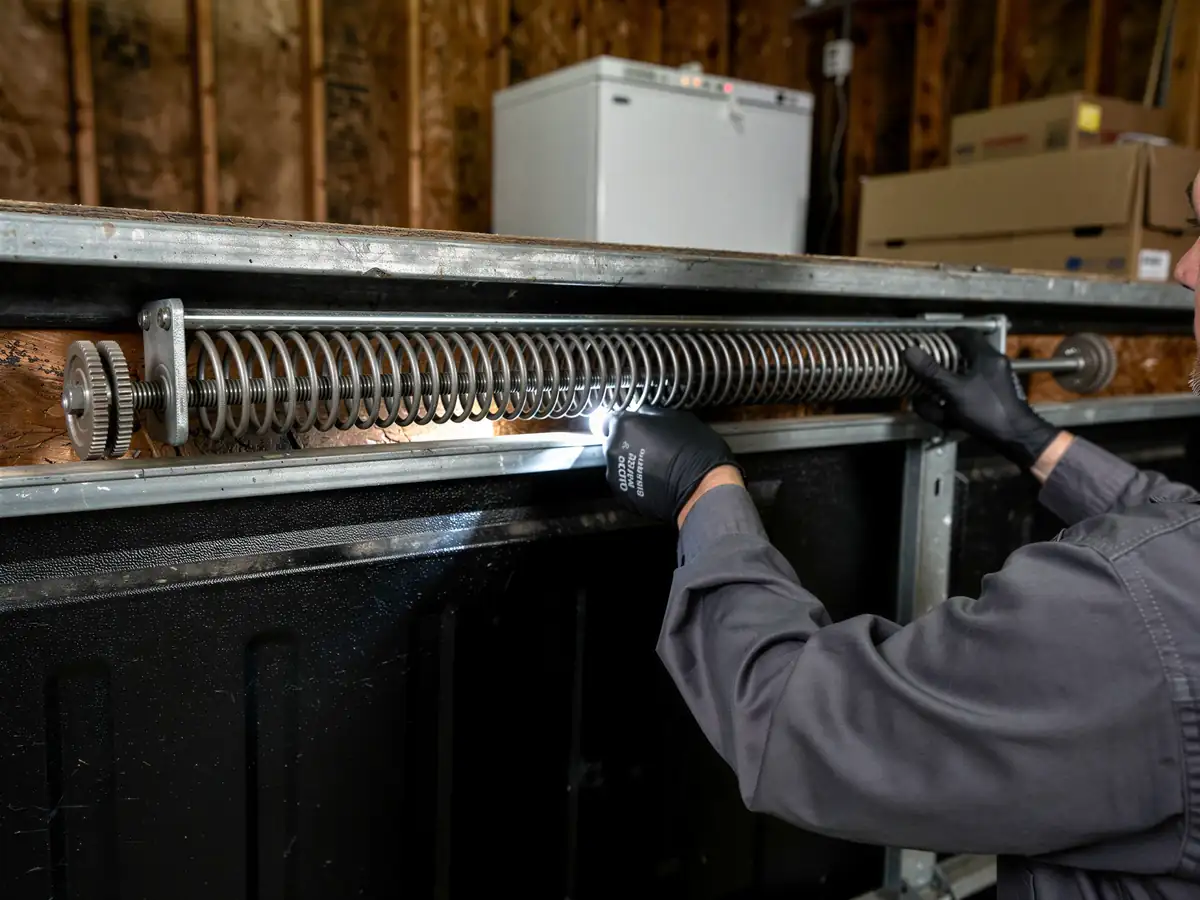
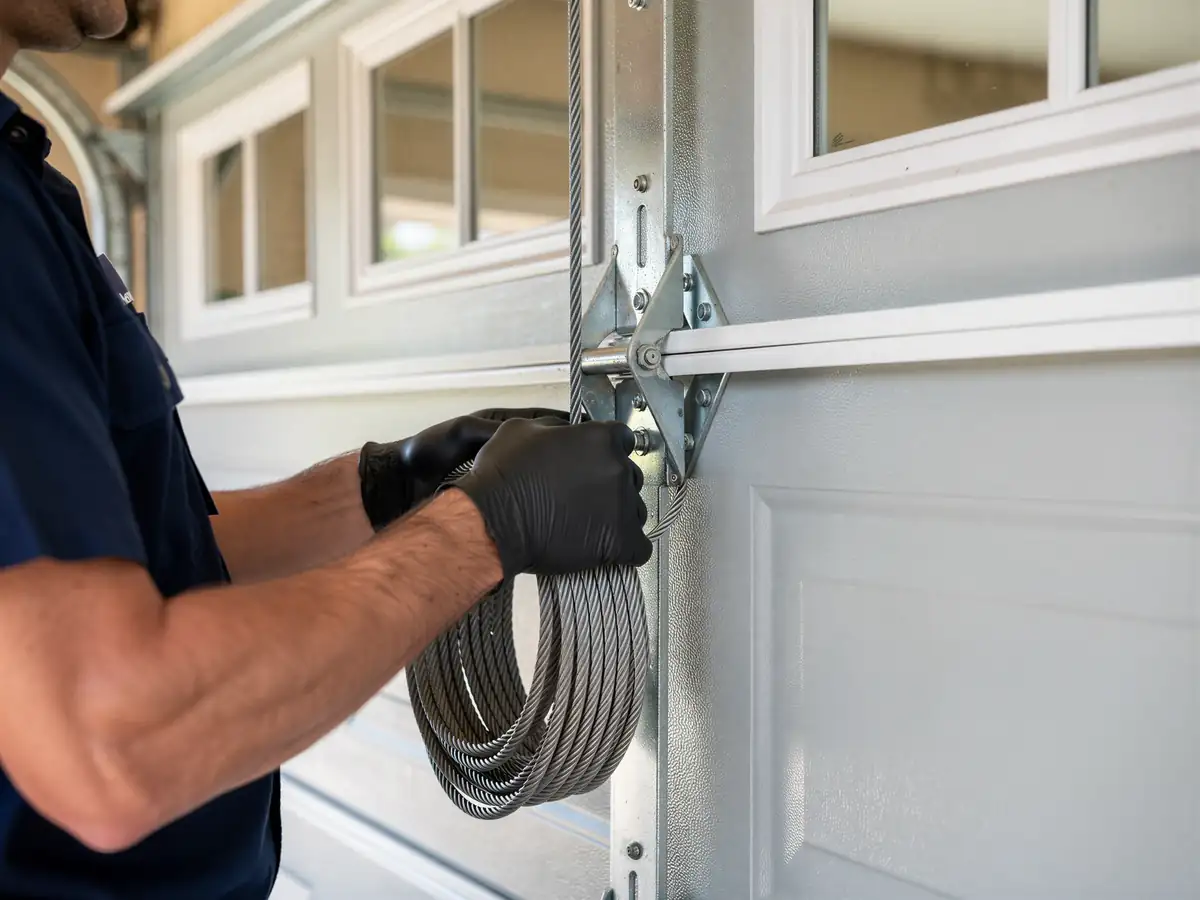
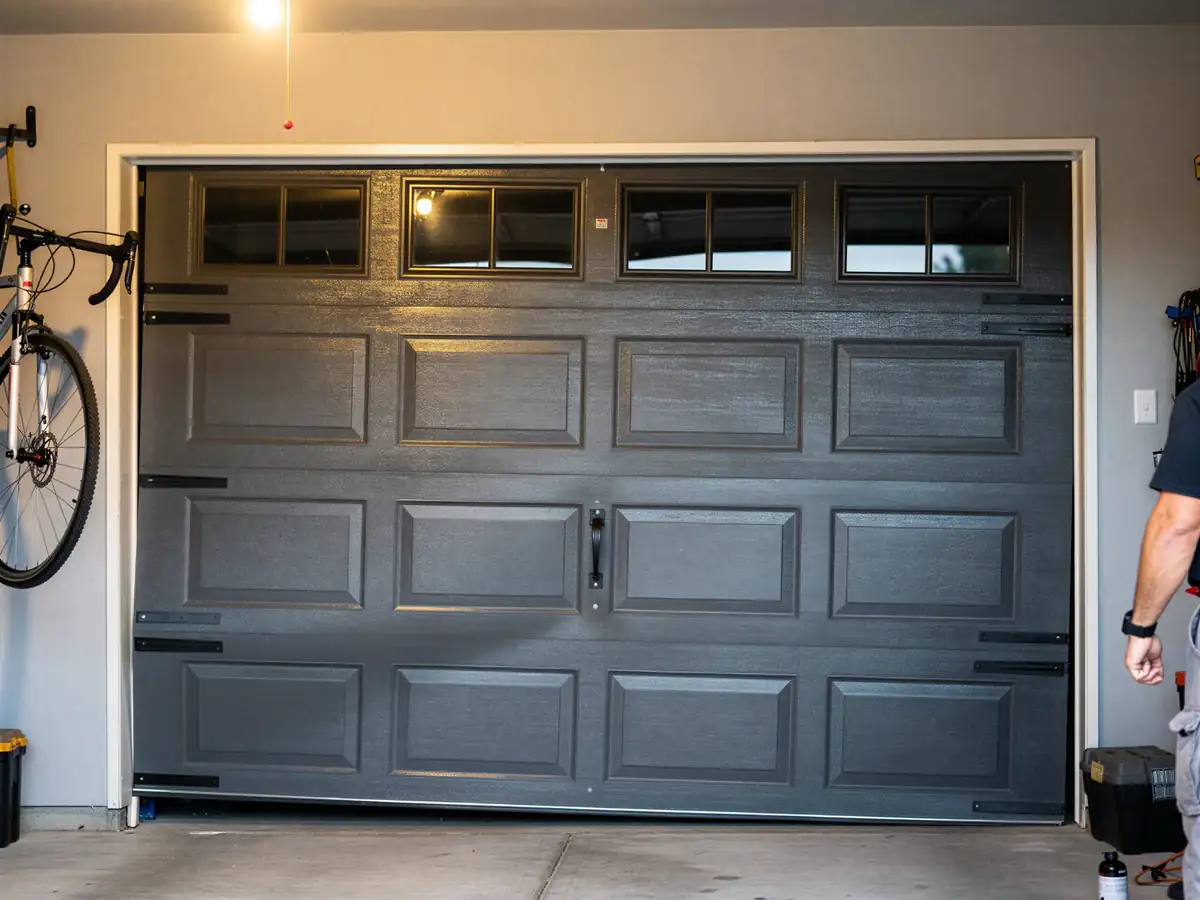
Here's the honest limitation: if your door still opens, closes, seals reasonably well, and isn't rusted through, there's no hard reason tied to insulation alone to replace it. An uninsulated steel door on a garage that isn't climate-controlled space doesn't cost you much - it's a door, not a wall of the house. Where it matters is if the garage sits under conditioned living space, or if you're using the garage as a workshop or storage for anything temperature-sensitive. In those cases the lack of insulation is doing real work against you every day, not just on a bad-weather week. If the door is original to a 1978-median-era build and still tracks straight, don't replace it just because it's old. Replace it when the panels are bowed, the seams are rusted past the surface, or the springs are the original torsion hardware that nobody stocks parts for anymore. Age alone isn't the failure point. Condition is.