What to Check
Start at the rollers
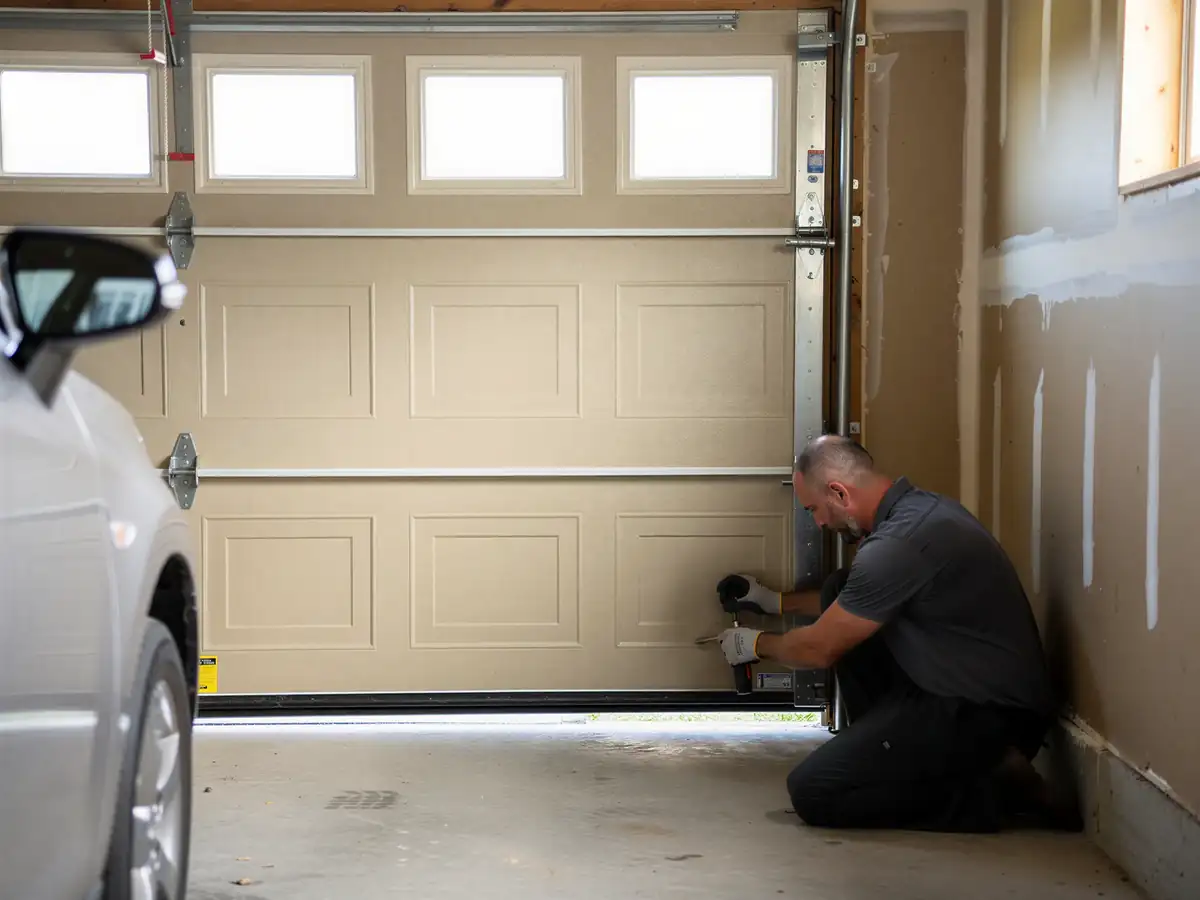
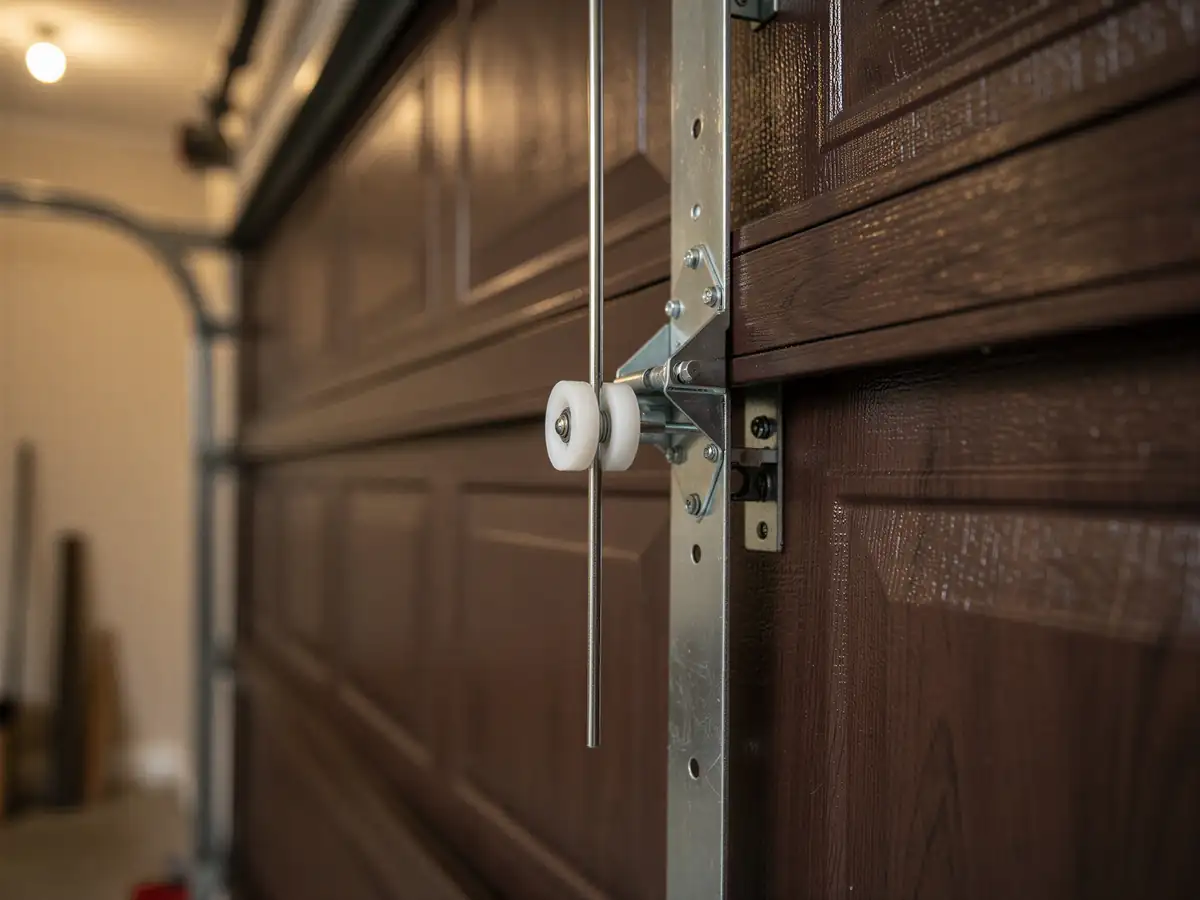
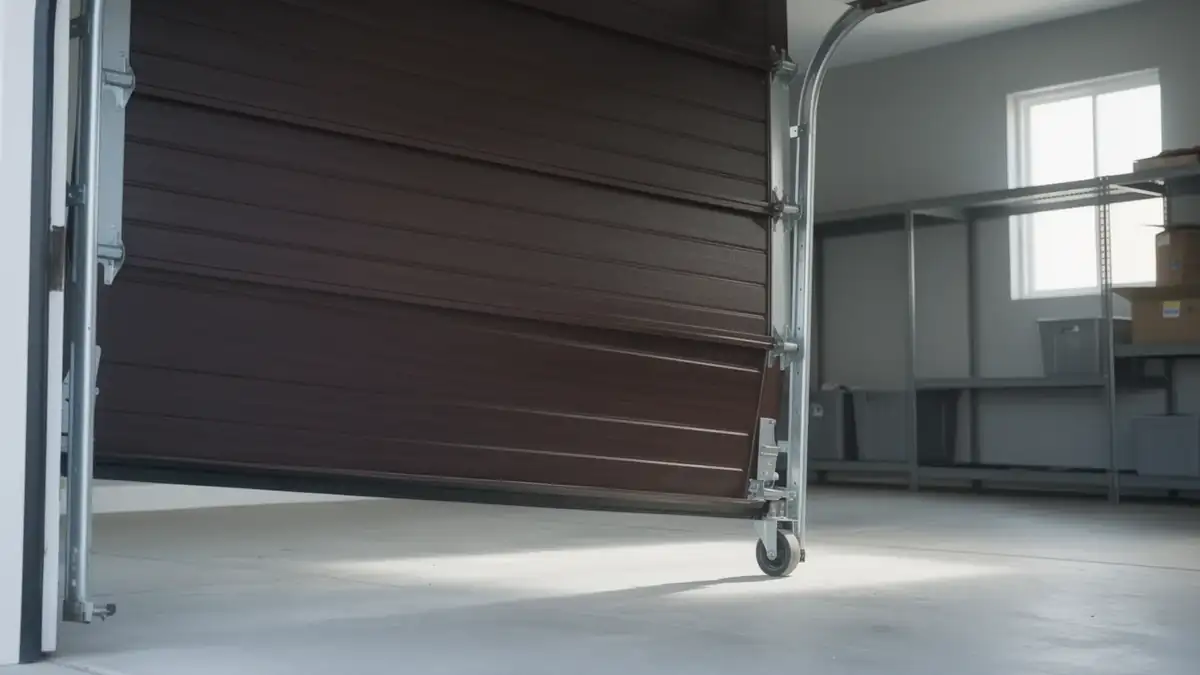
On a lot of the doors we see around West Palm Beach, the rollers are original or close to it, because a good share of this area's houses went up between 1965 and 1978 and the hardware never got swapped out. Look at where the roller sits in the track at the bend - the curved section where the track turns from vertical to horizontal is where most derailments start. If the roller has popped out of that curve, or the track itself is bent or pulled away from the wall bracket, that's your off-track door.
Check the brackets next
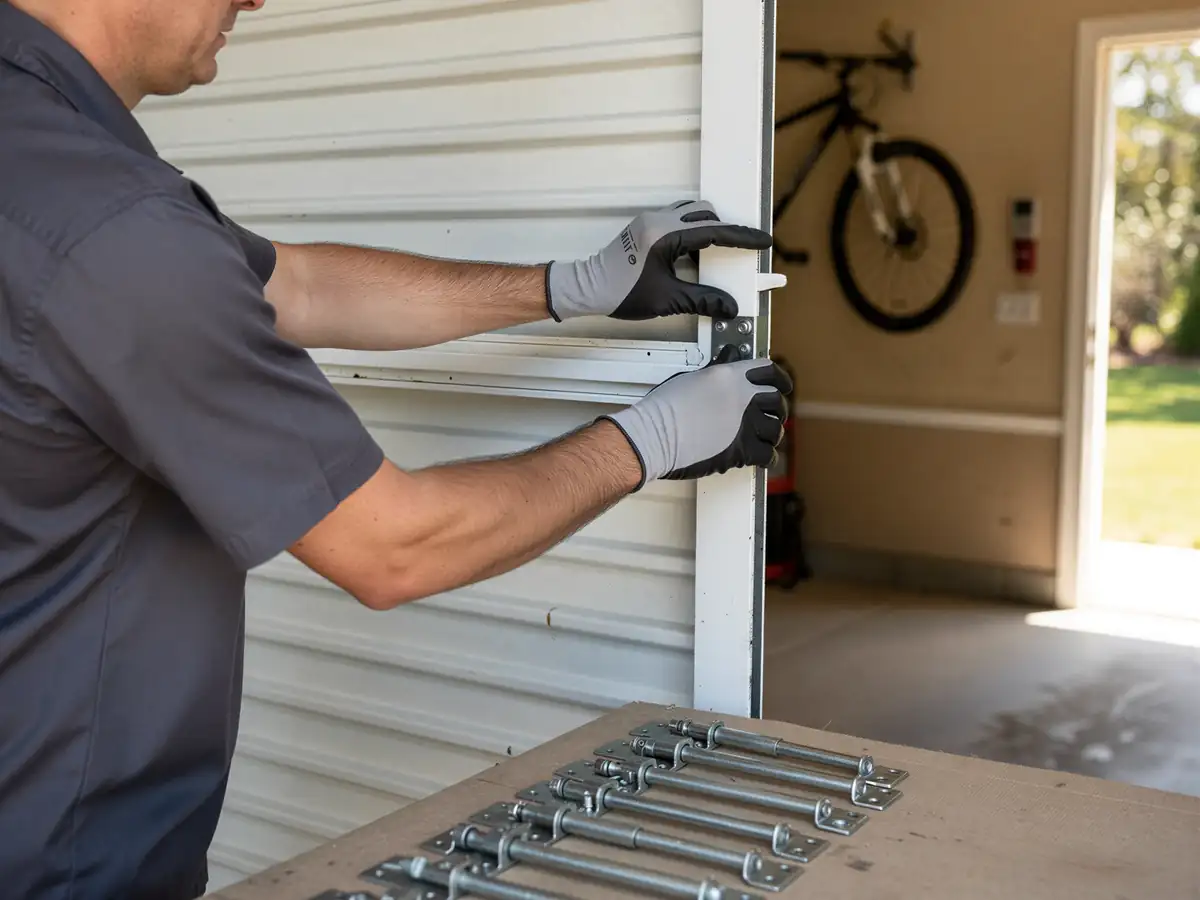
Older installs around here used fewer mounting points than current code calls for, so a bracket working loose over the decades is common, not rare. Give the track a shake by hand with the door down and the opener disconnected - any wobble at a bracket means a fastener has backed out or the wood behind it has gone soft. Don't force the door up on the opener if it's visibly off track. That bends the track further and can pull the section itself out of square.
The Situation
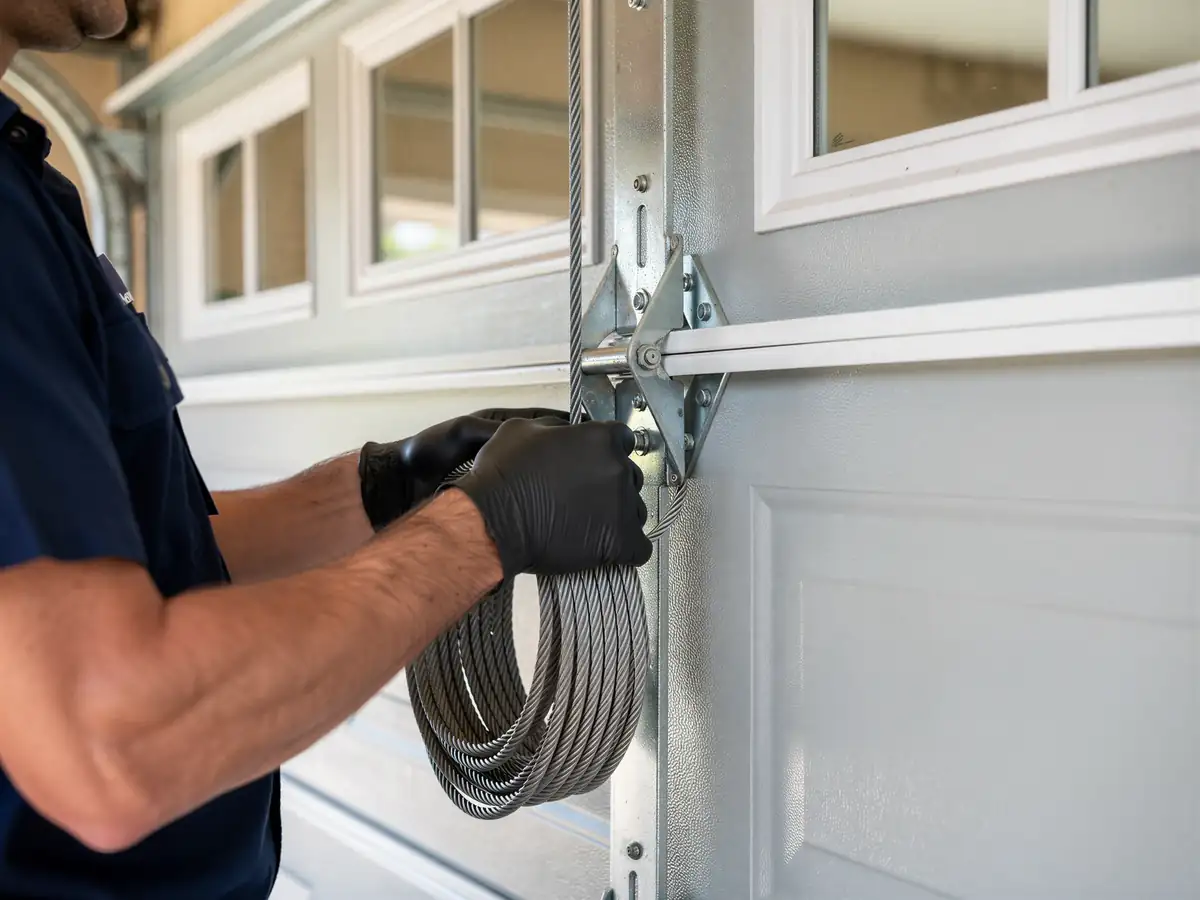
A door that's off track almost never did it in one shot. It's usually the end of a slow drift that started with a bent track section or a roller that's been grinding instead of rolling for months. Because so much of the housing stock here dates to 1965 through the late 70s, we're often looking at galvanized track that's outlasted its roller bearings, or a bottom bracket cable that's stretched just enough to pull one side of the door down crooked every time it runs.
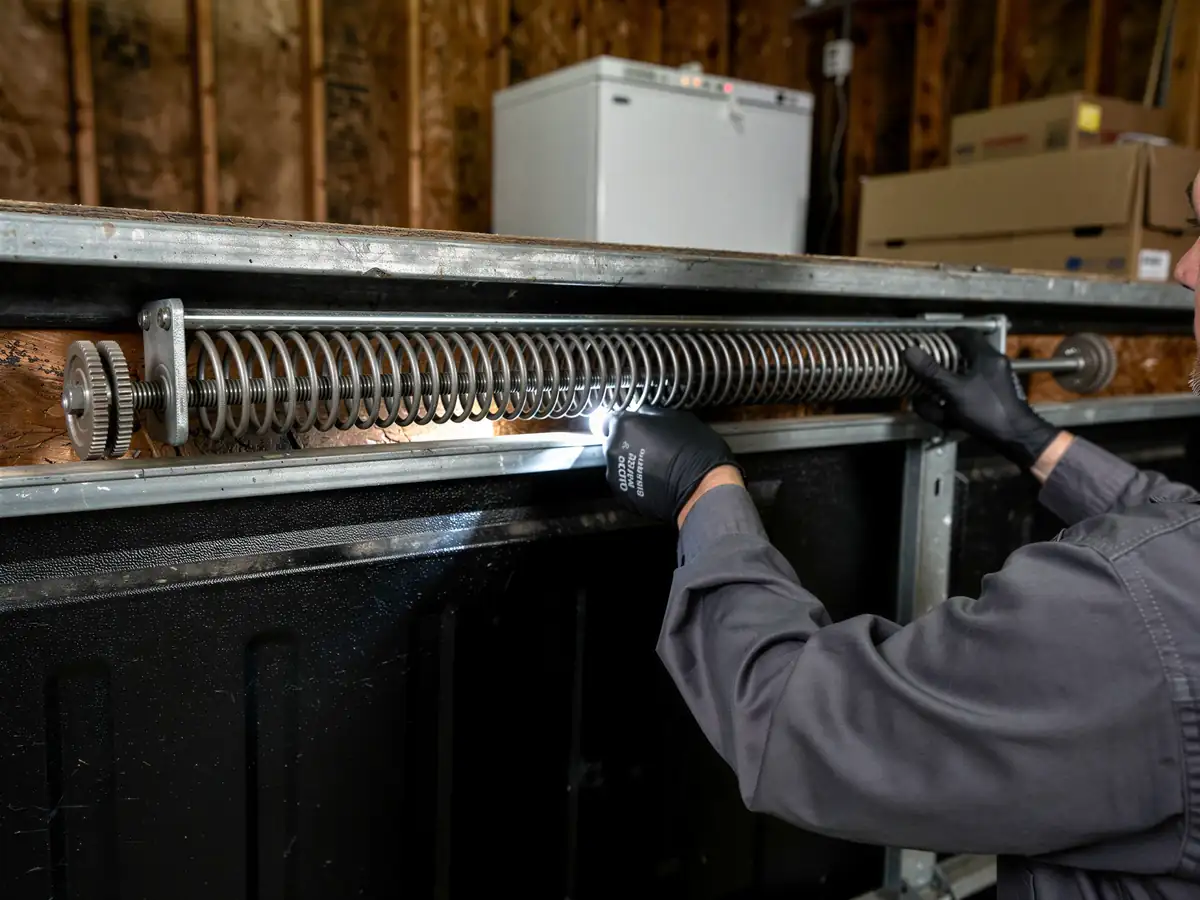
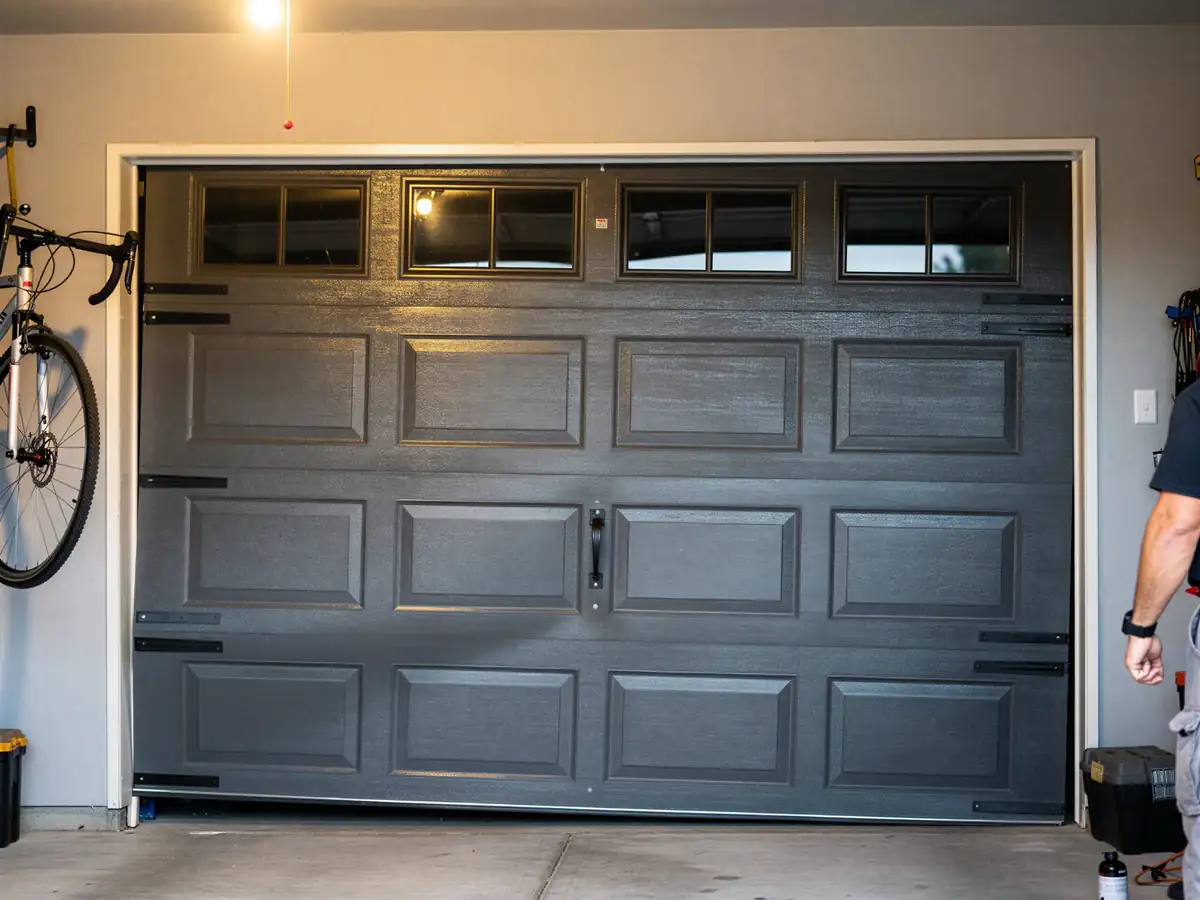
Once a door is pulled off square, every cycle after that makes it worse - the opener keeps trying to move a door that isn't tracking straight, which stresses the opposite track, the opposite roller, and eventually the spring system. What starts as a two-roller fix on one side can turn into a full track replacement on both sides if it runs another few weeks misaligned. That's the real cost of leaving it: not the repair itself, but what it drags down with it.
Leaving It Alone
We won't tell you every off-track door is an emergency, because it isn't. If the door is down, sitting flush, and just won't cycle - leave it down and leave the opener unplugged. A door that's resting shut isn't going anywhere. What we don't recommend is forcing it up by hand to get the car out and then forgetting about it for a month. Once a track is bent, it doesn't straighten itself, and running the door on a bent track wears the roller and the opposite-side hardware faster each time.
Honest limit here: if the track is bent badly enough that it's pulled away from more than one bracket, straightening it rarely holds. At that point a new track section is the cheaper path over the next few years, even though bending it back looks like the quicker fix today.
What the Weather Here Does to It
West Palm Beach sits in a mild, humid climate rather than a freeze-thaw one
So you're not dealing with ice forcing a track out of alignment the way colder regions do. What you get instead is slower and less obvious: galvanized track and steel roller stems holding moisture in that humidity year-round, which lets corrosion creep into roller bearings and bracket bolts over decades rather than winters. On a track installed back when most of this area's houses were built, in the 1965-1978 window, that's a long time for salt-laden coastal air to work on untreated fasteners.
The result is bolts that back out quietly instead of snapping
And rollers that seize instead of freezing. Both end the same way - a door walking off true until one hard cycle pulls it off the track entirely. Routine bracket checks matter more here than cold-weather maintenance ever would.