How It Shows Up
Wellington's median household income runs $110,294
Well above the $92,382 median across the rest of our service area. That number matters more than people expect, because it's usually the first thing that decides whether a spring job stays a spring job or turns into a conversation about replacing the whole door. In a lot of towns we cover, a cracked panel or a worn-out opener next to a broken spring tips the owner toward tearing the whole thing out. Here, with more room in the budget, we see more owners choose to fix the spring and leave a door that's otherwise sound alone, rather than bundle it into a bigger job.
The failure itself looks the same as it does everywhere
A door that won't lift, a loud bang from the garage, a door that slams down the last foot of travel because the spring isn't holding tension anymore. Wellington's housing stock has a median build year of 1995, close to two decades newer than the 1978 median across the broader area, so you're less likely to be dealing with an original 1960s door and more likely dealing with a spring that's simply reached the end of its cycle count on a door that's otherwise in decent shape.
Getting It Booked In
We run out of West Palm Beach, and Wellington sits about 11 miles out, one of the farther stops on the route compared to towns closer to our yard like Westgate or Riviera Beach. That doesn't change what we bring to the job, but it does mean we schedule Wellington calls in blocks rather than fitting them in one at a time, so give us a little lead time when you call rather than expecting a same-hour fix.
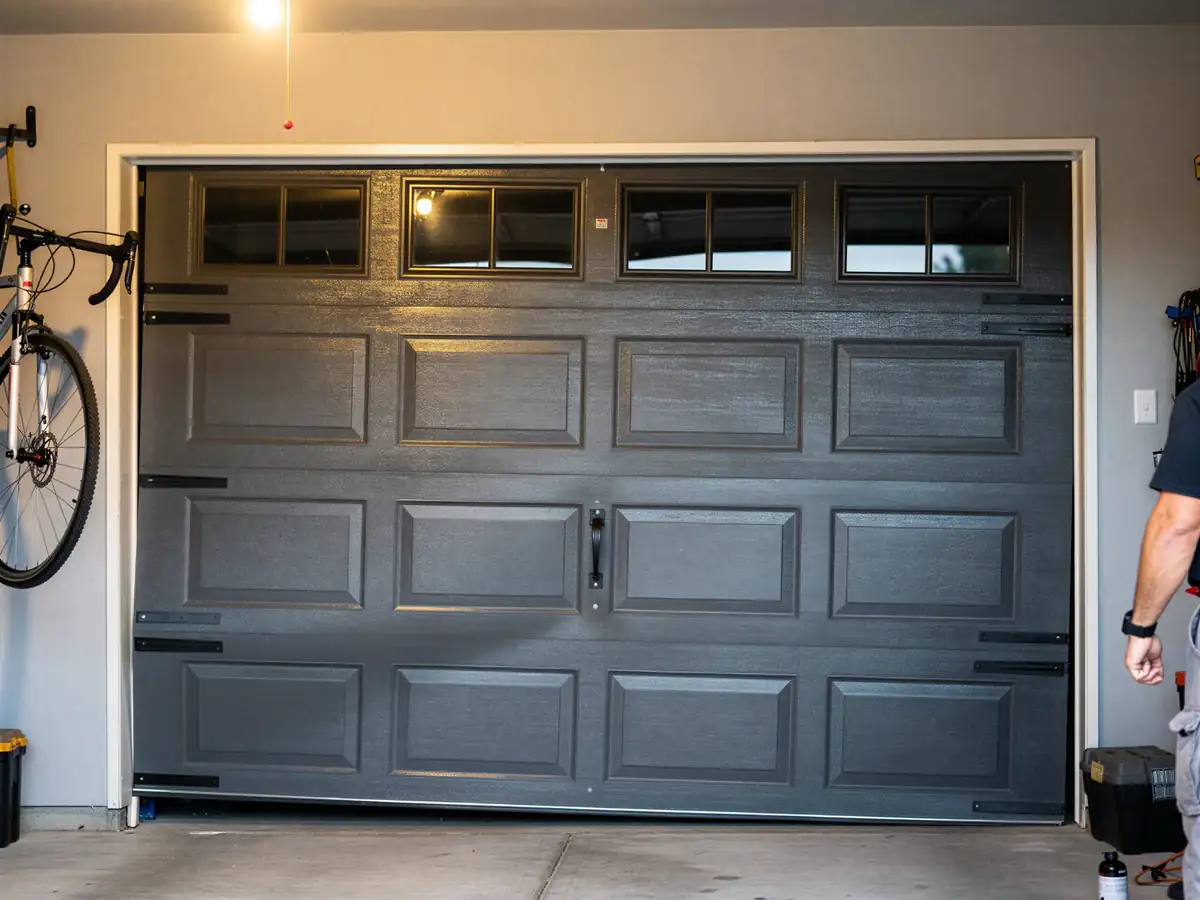
When you reach out, tell us what the door is doing: won't open, opens partway then stops, one side hangs lower than the other, or you heard a bang and now nothing moves. That tells us whether we're looking at one broken torsion spring, a pair that need replacing together, or something else entirely, like a cable that came off the drum at the same time. We'll ask the make of the opener too, since that affects whether the door can be hand-cranked open for now while you wait for the appointment.
The Complications
With 21,604 households in Wellington and a build era centered on the 1990s, most of what we run into is standard torsion spring hardware on doors that were installed correctly the first time and have simply worn out. That's good news, in a way. It means fewer surprises than you get in older housing stock where a previous owner swapped in mismatched extension springs or non-standard winding cones.
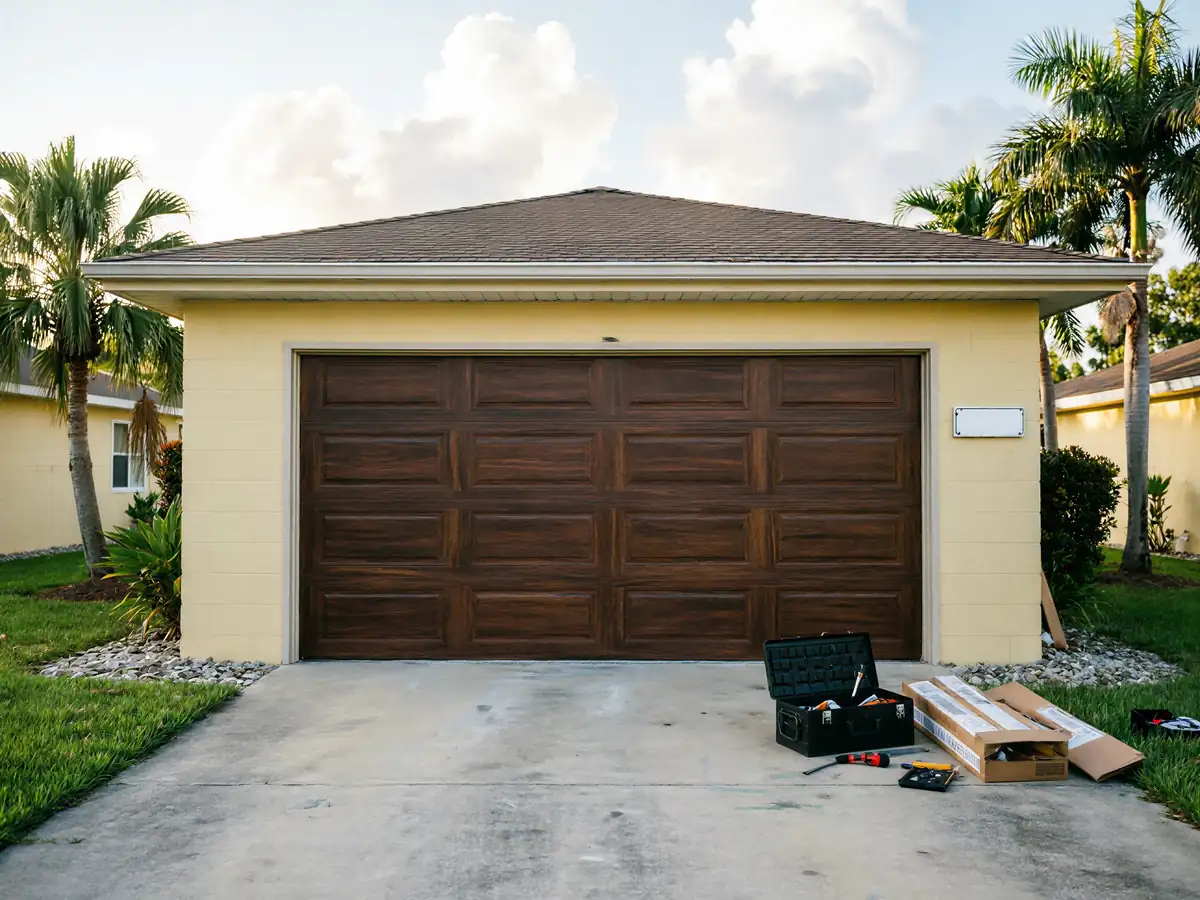
The complication we do see here is scale. Wellington has a lot of larger two-car and three-car garage doors on bigger lots, and a heavier door needs a spring rated for that weight. If someone replaced a spring years back with the wrong size to save money, the door will have been working harder than it should, which shortens the life of everything else attached to it, the cables, the rollers, the opener's drive gear. We check all of that before we touch the spring, not after.
How We Fix It
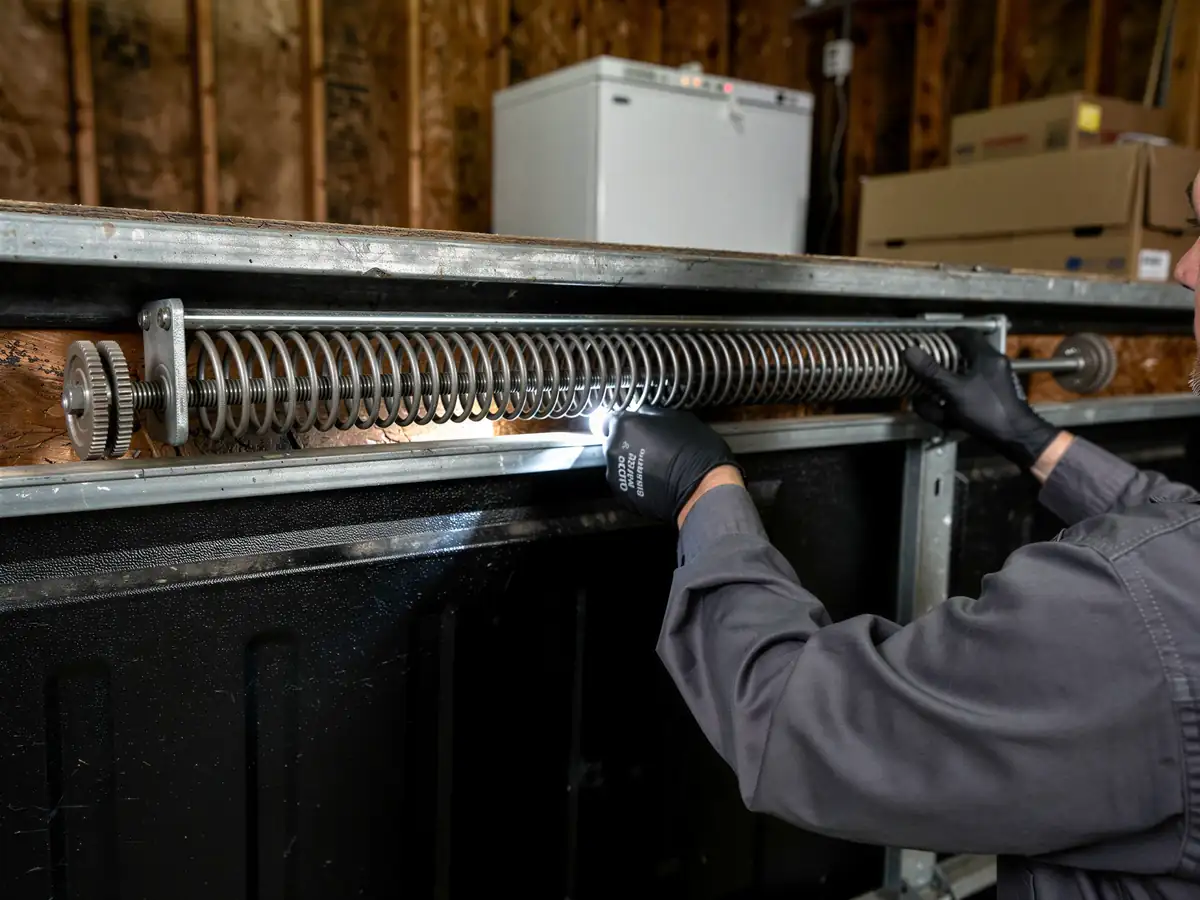
We size the new spring to the door's actual weight and the track it runs on
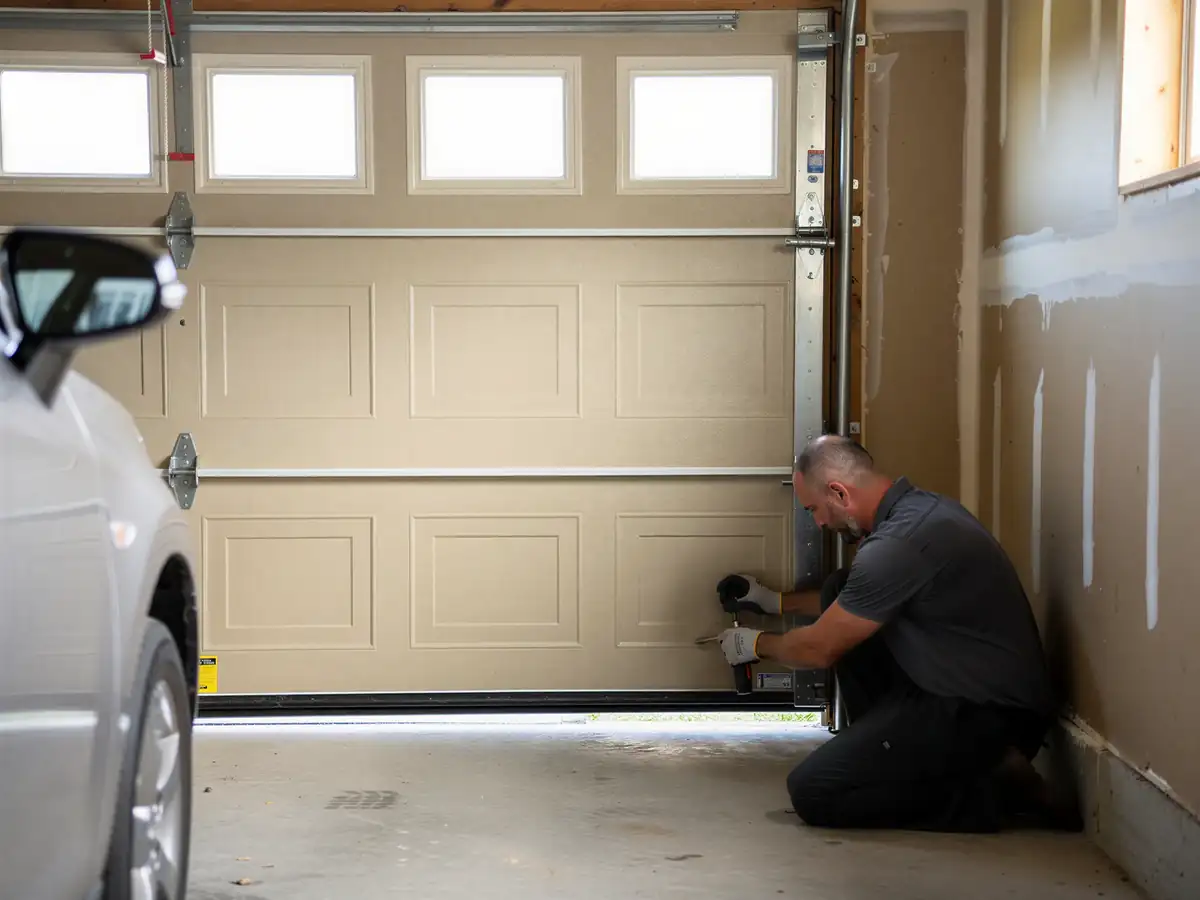
Not just what's currently hanging there. If the old spring was undersized, swapping in a correctly rated one is part of the job, not an upsell. We replace springs in pairs on most double doors even when only one has broken, since the second one is usually close behind it and a mismatched pair puts uneven tension on the door.
We test the door's balance by hand after the spring is set
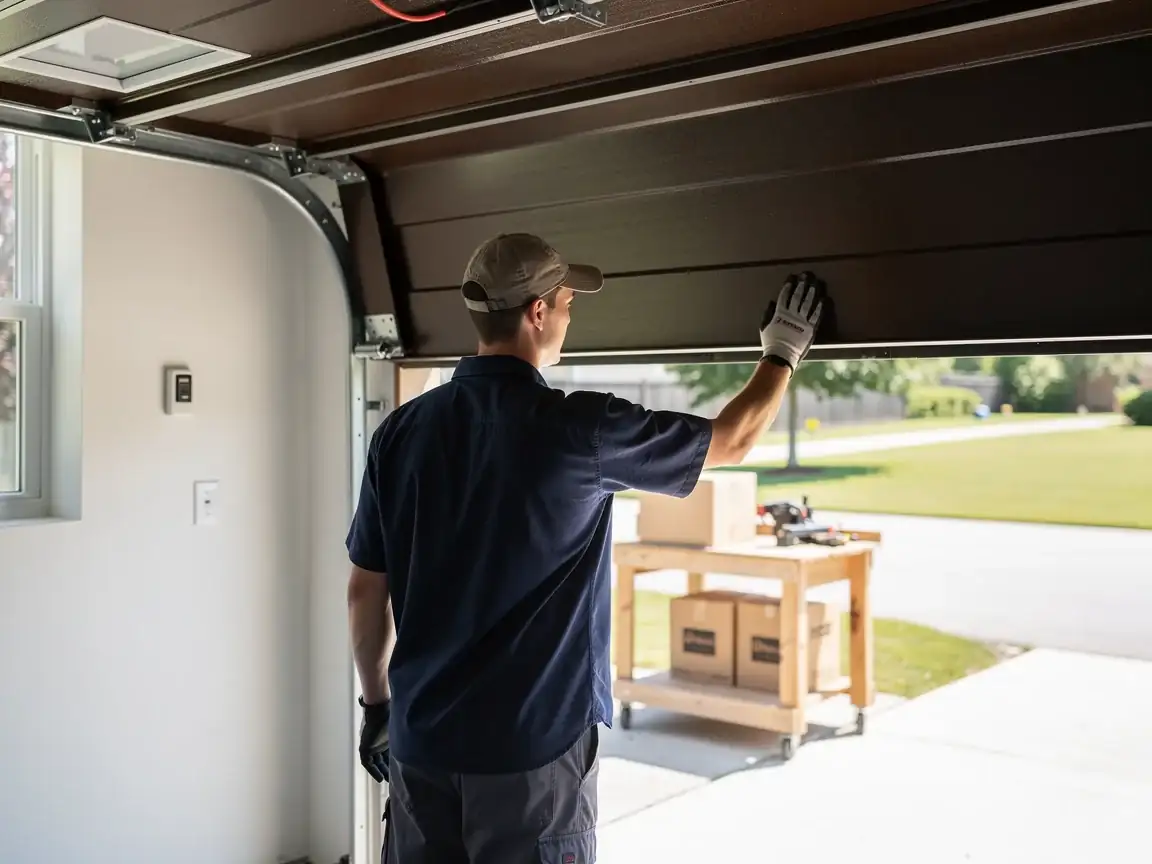
Checking that it holds position partway open without the opener fighting it. That one check tells you more about whether the repair worked than whether the opener button runs the door up and down. We also look at the cables and drums while we're in there, since a spring job is the easiest time to catch a fraying cable before it becomes its own call.
The DIY Question
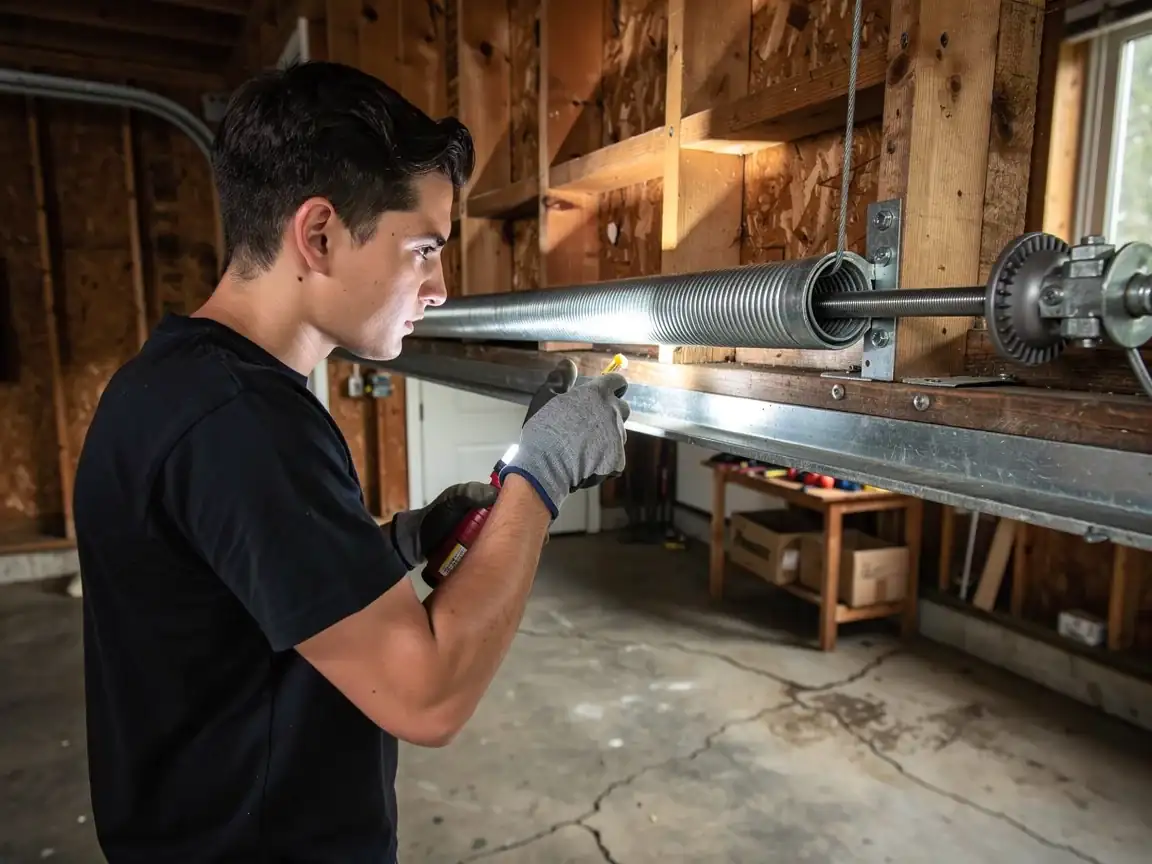
A torsion spring is under enough tension to cause real injury if it lets go while you're working on it, and that doesn't change whether the house is from 1965 or 1995. We don't recommend doing this one yourself, and we're not going to walk you through it over the phone. If you've got a winding bar and you know exactly what you're doing, that's your call, but most people calling us have already decided against it after watching one video and realizing how much force is stored in that coil.
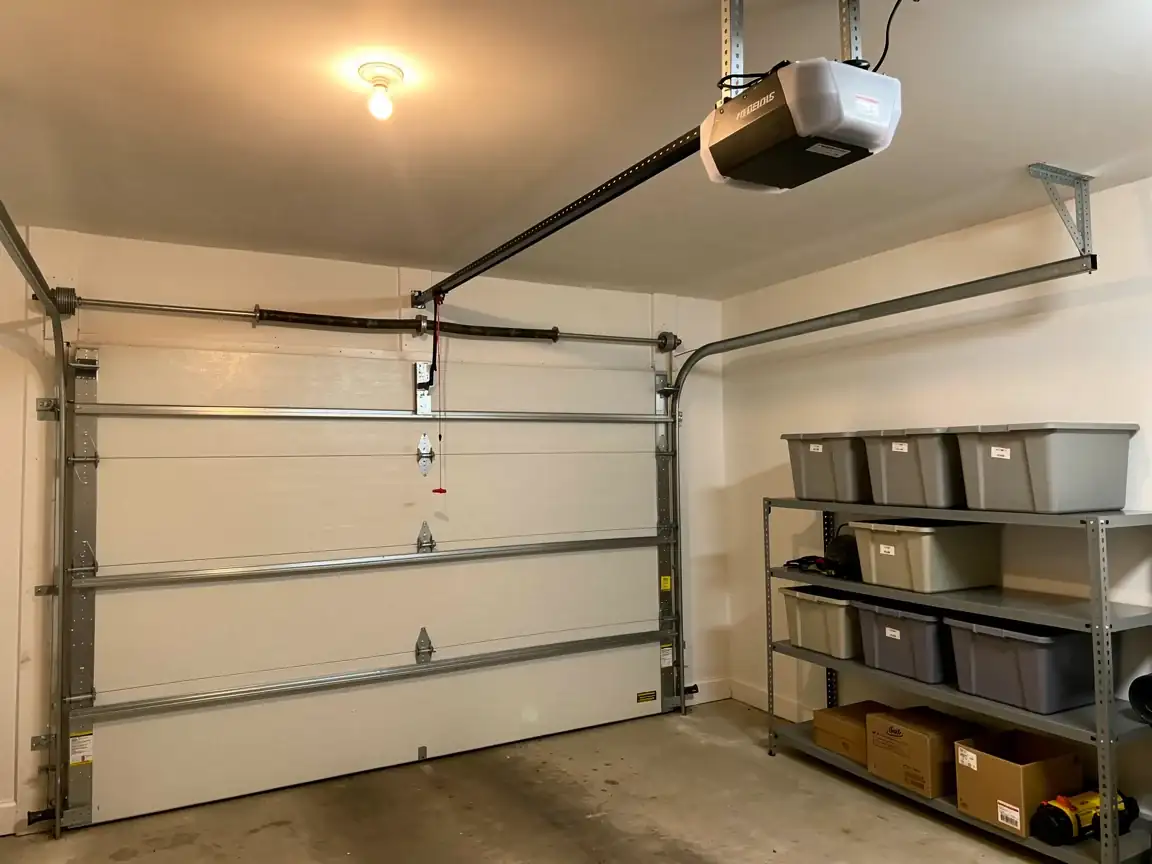
What you can safely check yourself: whether the door is an older single spring over the center or a newer double-spring setup, and whether the opener is still trying to run when you press the button. That information speeds up the call. Past that, leave the spring itself alone.
Parts We Carry
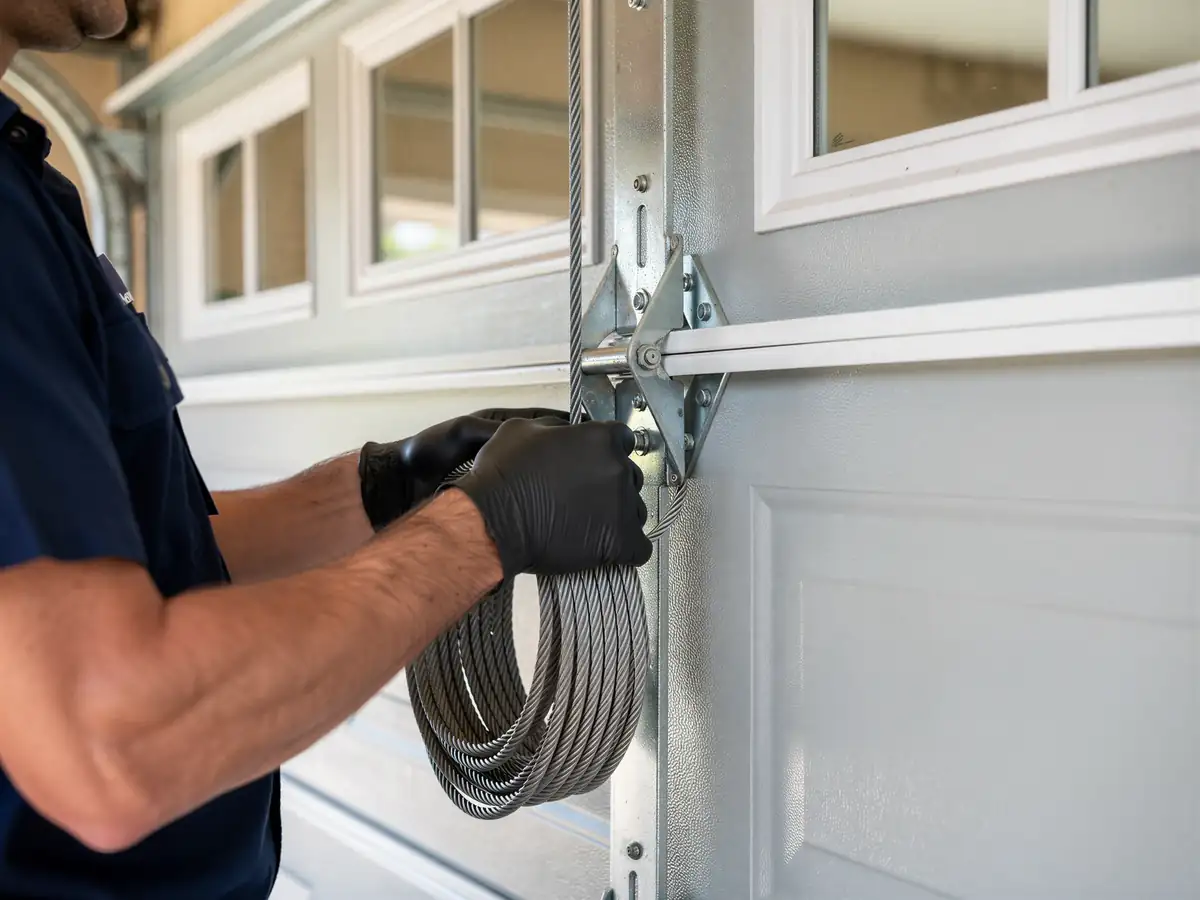
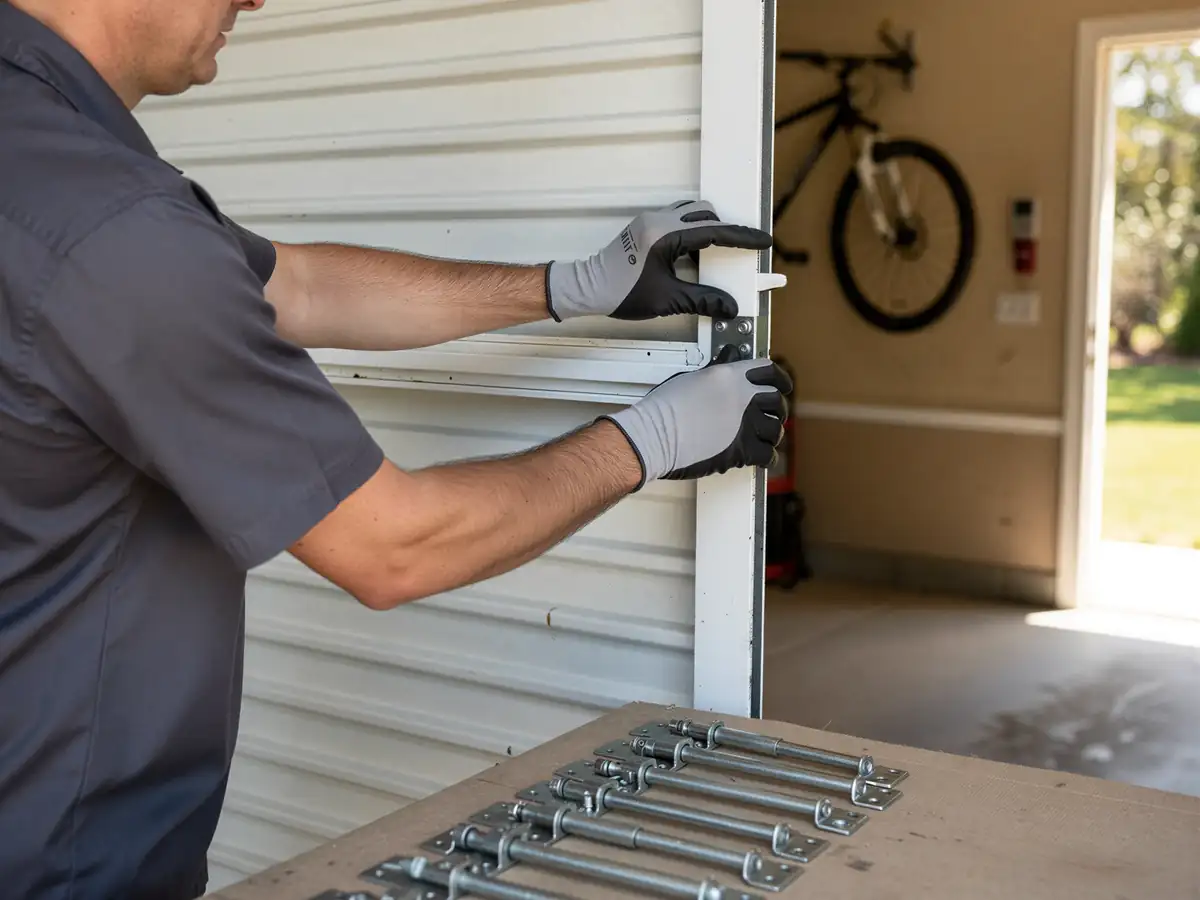
We stock standard torsion springs sized for the residential doors common on homes built through the 1990s and 2000s, which covers most of what's in Wellington. We also carry the cables, drums, and end bearing plates that tend to go along with a spring job, since those parts take the same wear and it's inefficient to make a second trip for them.
Where we run into lead time is unusual or oversized springs for custom doors, taller-than-standard openings, or discontinued opener parts on units that are no longer made. Those aren't common here given the housing age, but if your door was custom-built or modified from the original, tell us on the call so we can check stock before we come out, rather than finding out on-site.