What to Check
Start with where the sound happens
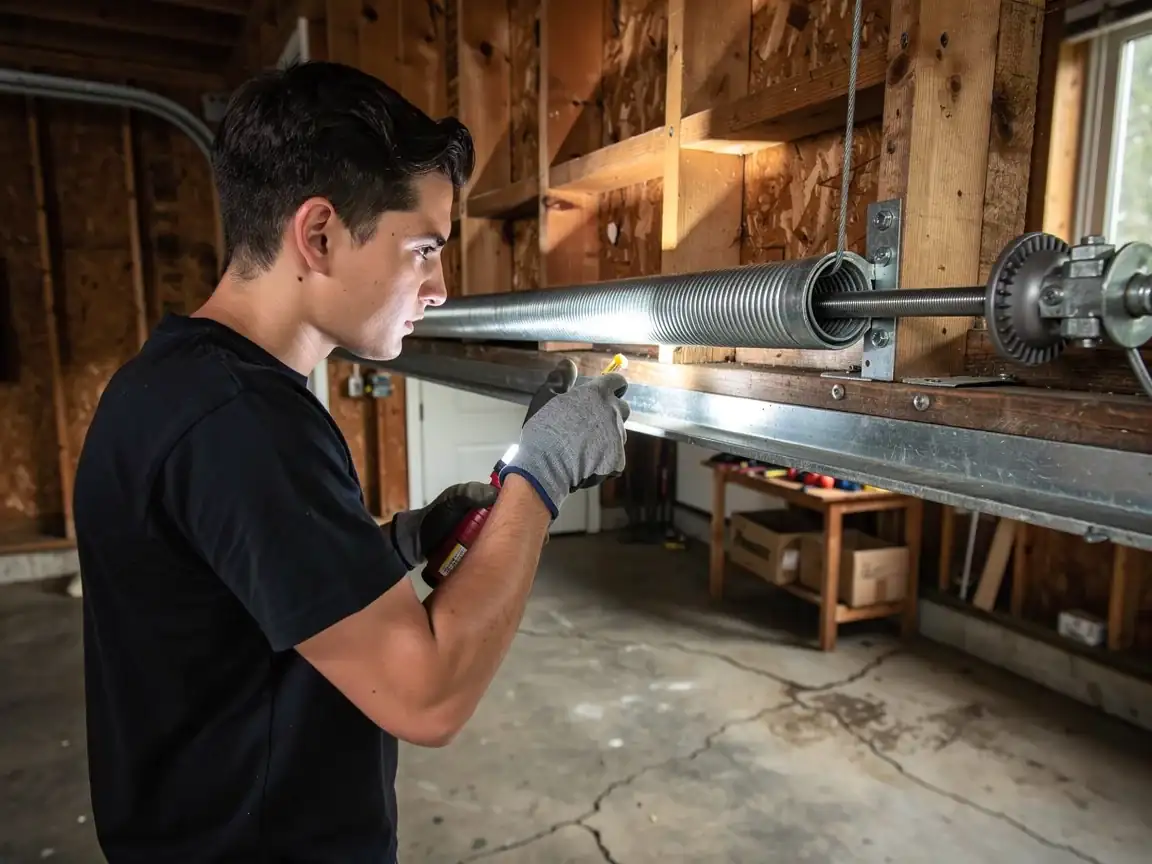
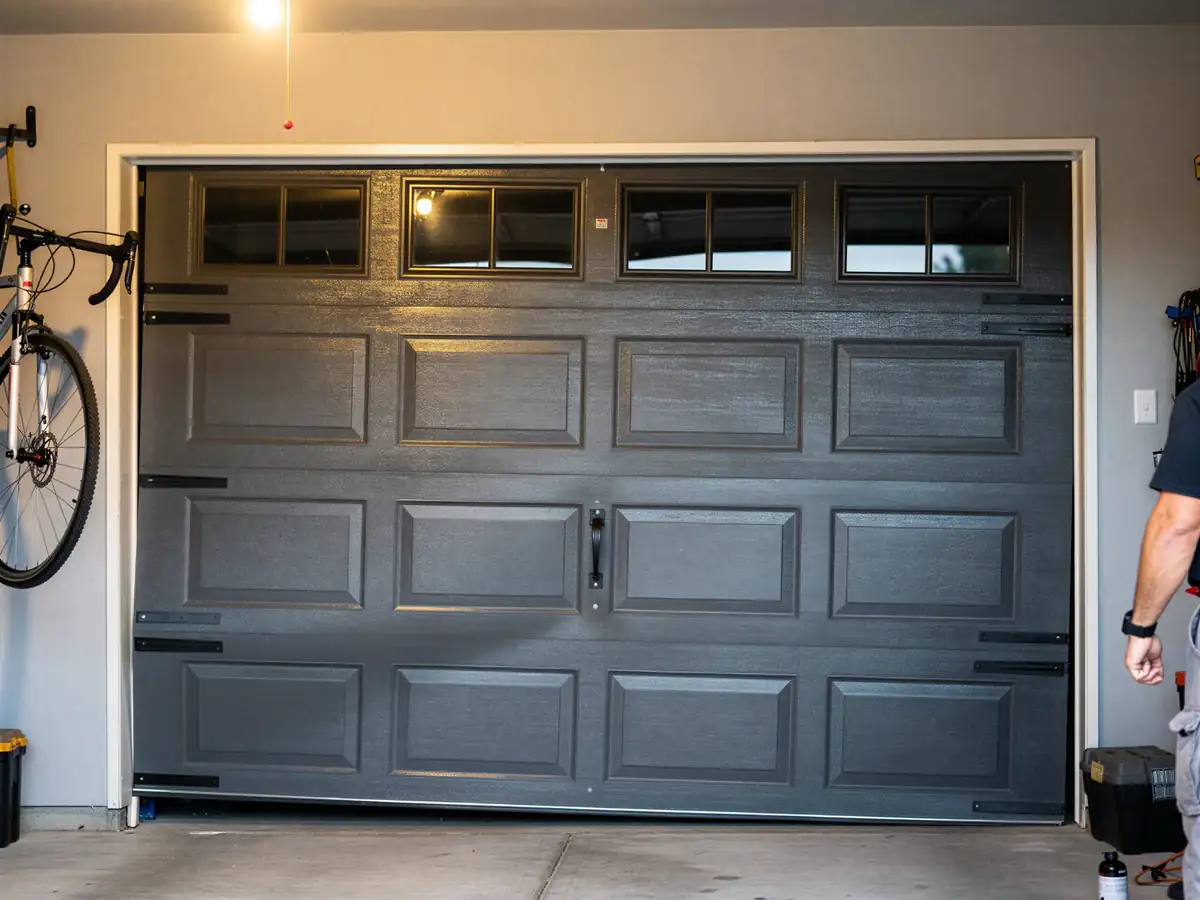
A door that screeches only at the top of its travel usually points to a dry roller or a bent top section hinge. A metallic snap followed by the door refusing to lift almost always means a broken torsion spring - common on doors from the 1970s and 80s that are still running original hardware. Across West Palm Beach's 21 named service areas, most houses went up between 1965 and 2021 with a median build year around 1978, so a lot of the doors we see are either original equipment pushing fifty years old or a first-generation replacement that's now overdue.
Run through this before you call anyone
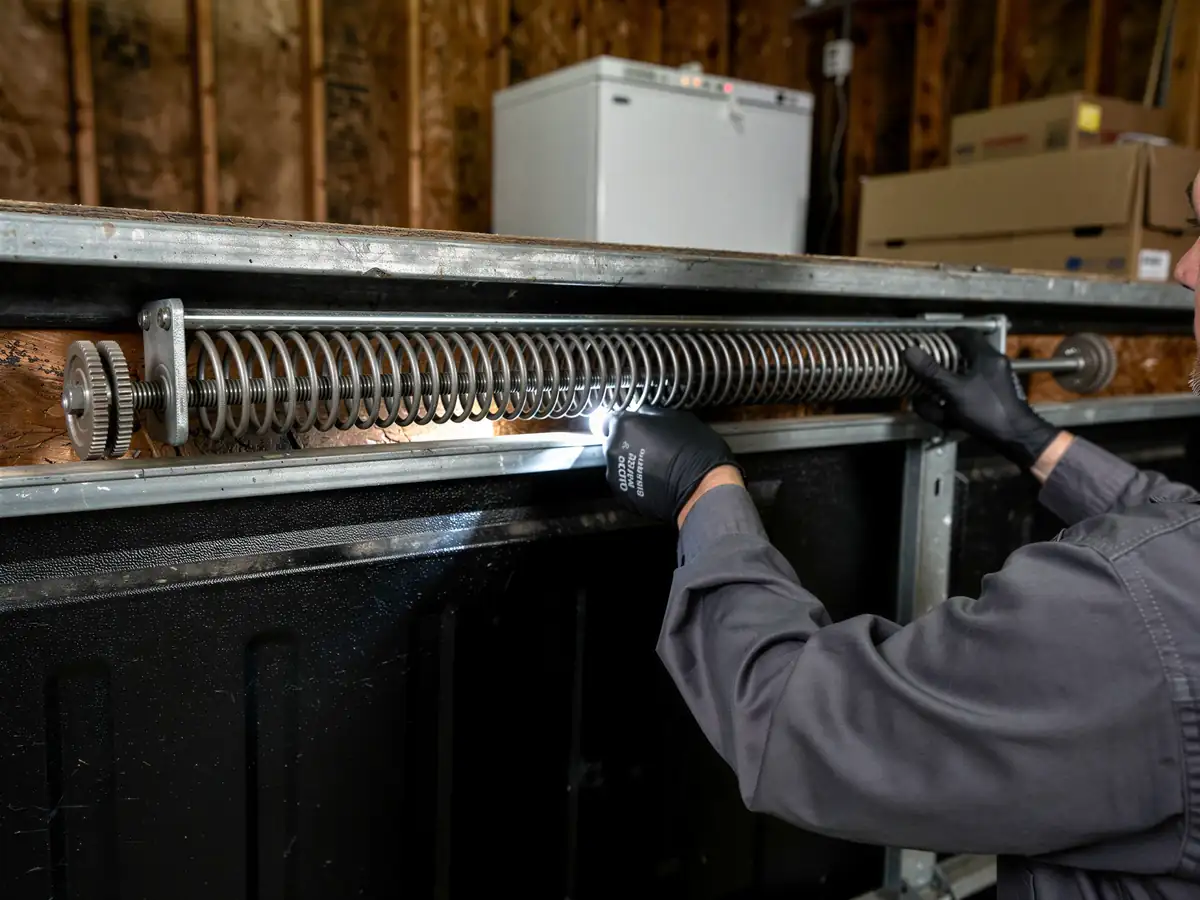
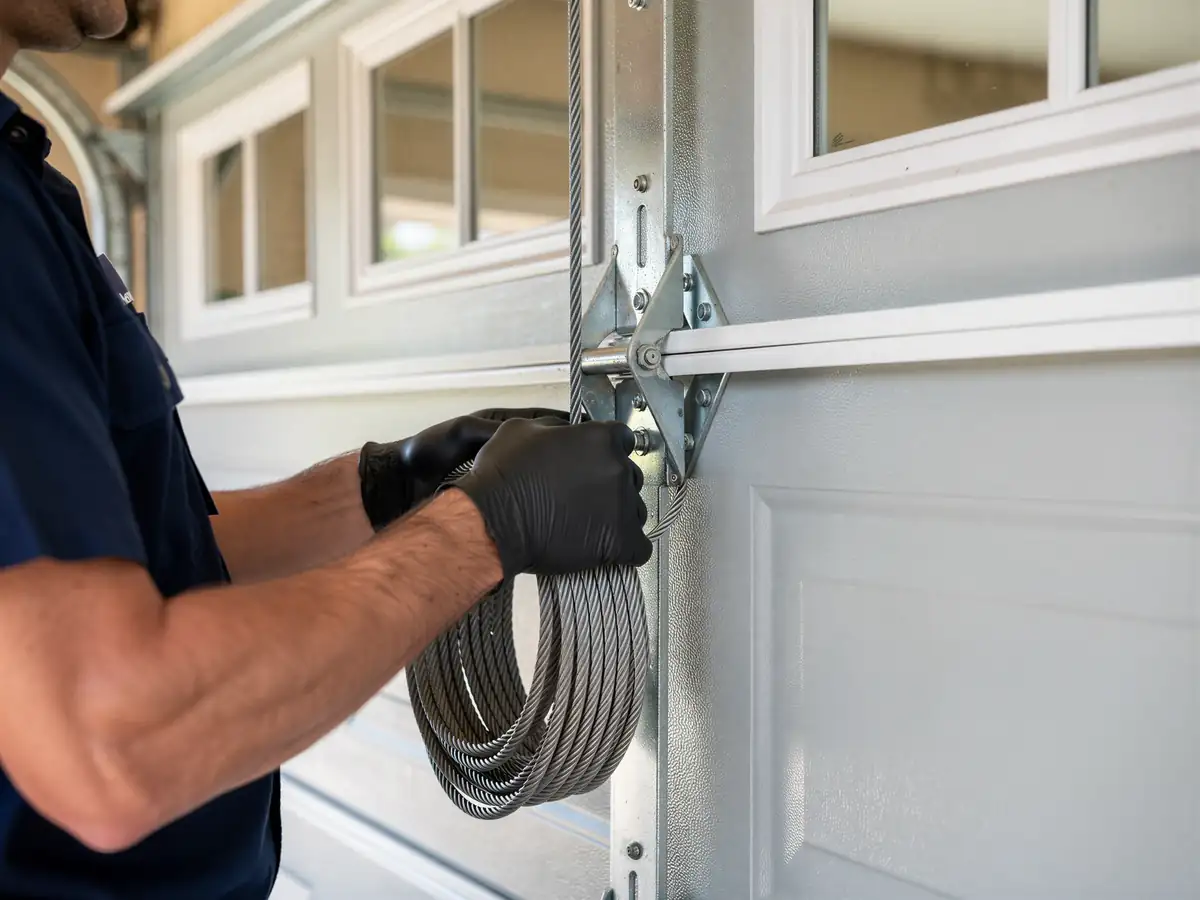
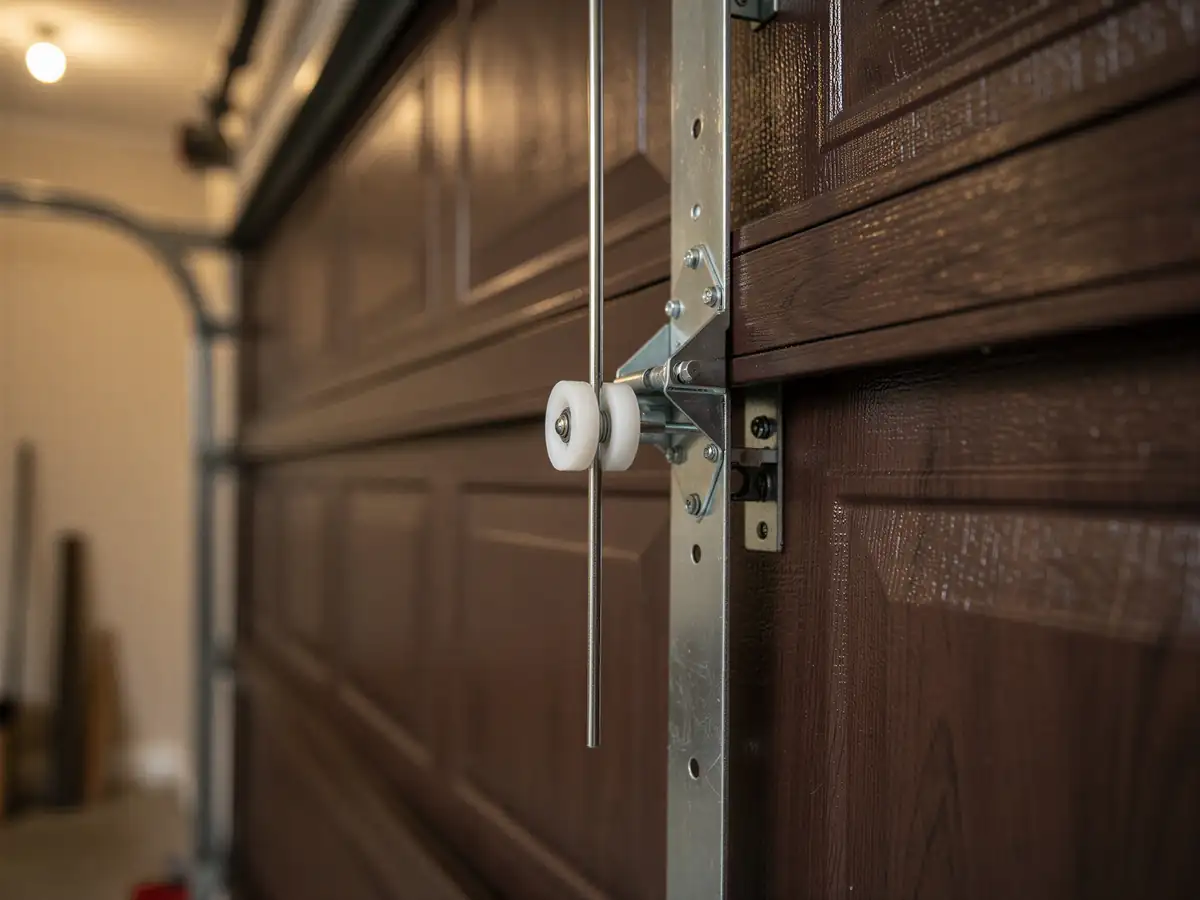
Look at the springs above the door for a visible gap (broken), check the bottom rollers for rust streaks or flat spots, and watch the cables at the bottom brackets for fraying. If the door shudders unevenly as it closes, one cable is likely stretched more than the other. None of this requires tools, just eyes and a flashlight. If you hear grinding from the opener motor itself rather than the door, that's a different problem and usually means the gears inside the unit are worn, not the door.
The Situation
With 46,915 owner-occupied houses across this service area, a good share of them built in the 1960s and 70s, the hardware age problem is widespread, not rare. Original torsion springs were rated for a set number of cycles, and a door that's opened twice a day for fifty years has used up that rating many times over. The spring doesn't announce it's close to done - it just goes, usually on a day you didn't expect it to.
Median household income here runs $92,382, and we see owners split fairly evenly between fixing a noise the day it starts and letting it ride for months because the door still technically works. Both are reasonable choices depending on the noise. A squeaky roller is a maintenance item. A door that bangs on the way down, or an opener that strains and reverses, is a safety item - the kind of noise that means a cable or spring is close to letting go, and letting go with a 150-plus pound door is not a minor failure.
Leaving It Alone
Some noises are fine to live with for a while. A hinge pin squeak that lubricant quiets down isn't urgent. A slightly noisy opener chain on a door that still opens smoothly and reverses correctly on contact isn't an emergency either - that's a maintenance call, not a same-day one.
What isn't fine to leave alone: a door that's gotten noticeably louder over a few weeks, one that jerks or hesitates partway through its cycle, or any sound that's new and sudden rather than gradual. On the houses from the 1965-1978 era that make up a lot of this area's stock, the springs and cables are original often enough that a sudden new noise is more likely a part reaching the end of its life than a loose screw. We'll say it plainly: if your door is from that era and has never had the torsion spring replaced, the noise it's making now is probably the spring telling you it's close. We don't recommend waiting on that one out to see if it gets worse.
What the Weather Here Does to It
West Palm Beach sits in a mild temperate band
No hard freezes, no winter contraction and expansion cycling that cracks hardware the way it does further north. That's a real advantage for garage door longevity here; steel doesn't fight frost heave or ice-jammed tracks. But mild and dry isn't what this coast is. Humidity and salt air do their own version of damage, working corrosion into springs, cables, and roller bearings from the outside in, often well before the metal would otherwise be due for replacement on cycle count alone.
That means the noise pattern here skews toward rust-related friction rather than cold-stiffened grease
A grinding roller that would just need oil in a drier climate may actually have pitted bearings here. We check for corrosion on every service call for that reason, not just wear. One honest limit: we can't predict exactly how fast a given set of hardware will corrode, since that depends on how close to the water the house sits and how it's maintained, so a spring or cable estimate is always based on what we find in person, not a guess over the phone.