Worn rollers on houses built since the 1960s across West Palm Beach wear fast in salt-heavy humidity. We carry nylon and steel rollers and explain what drives the cost.
We can't quote a number here without seeing the door, but we can tell you what moves the price. A full set of rollers (usually 10 to 12 per door) costs more in nylon than in plain steel, and nylon is what we recommend for anyone within a few miles of the coast. If the rollers failed because a track got bent or a bracket pulled loose from the jamb, that's extra labor beyond the roller swap itself. Houses built in the 1960s and 70s stock in this area often have the original tracks, which are narrower than current spec, so sometimes a roller job turns into a track job once we're up on the ladder looking at it. We'll tell you that before we start, not after. One honest limit: if your rollers are original to a door from that era and the track is pitted or rusted through, replacing rollers alone is a short-term fix. We'd rather say that up front than sell you a part that fails again in a year. Steel rollers with open bearings are the cheapest option but also the loudest and the first to seize in salt air, so most owners end up asking us to go straight to sealed nylon.
Parts We Carry
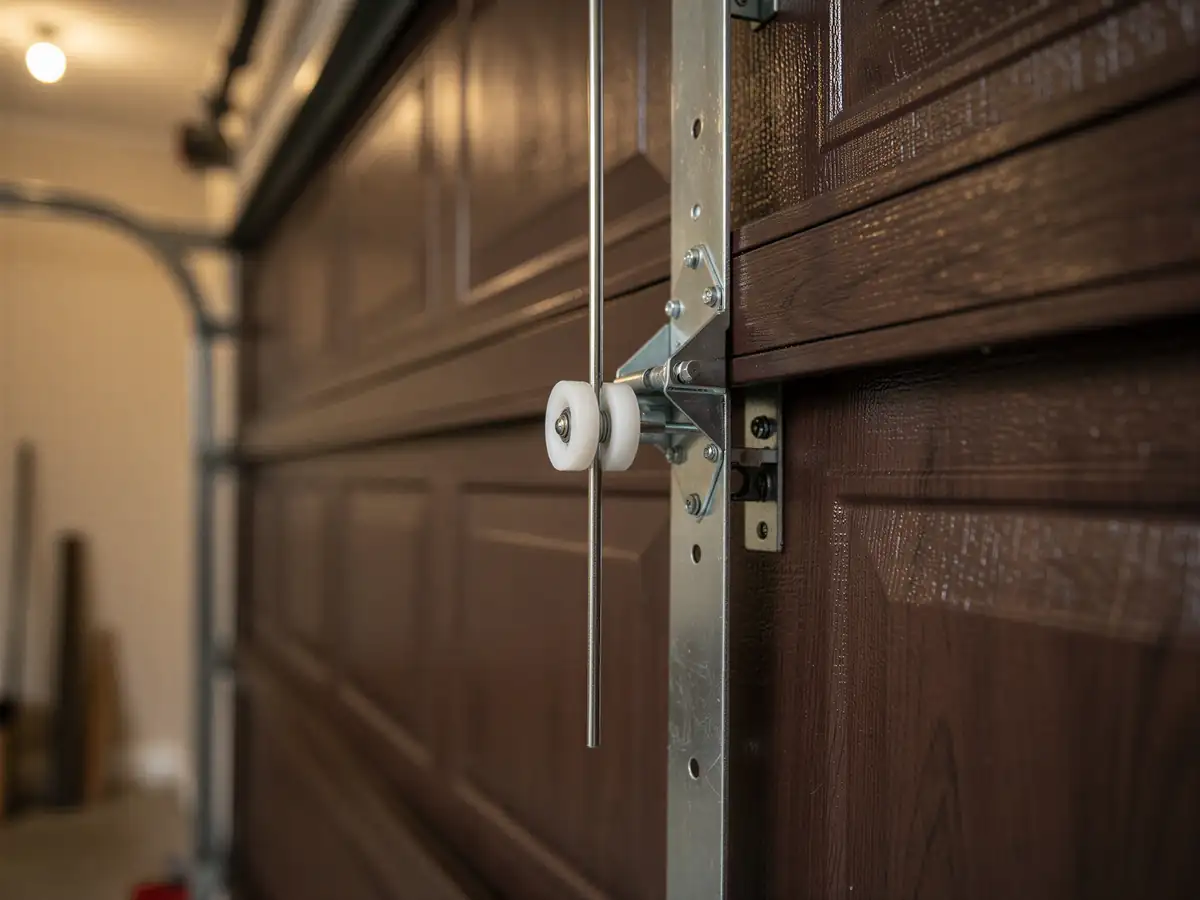
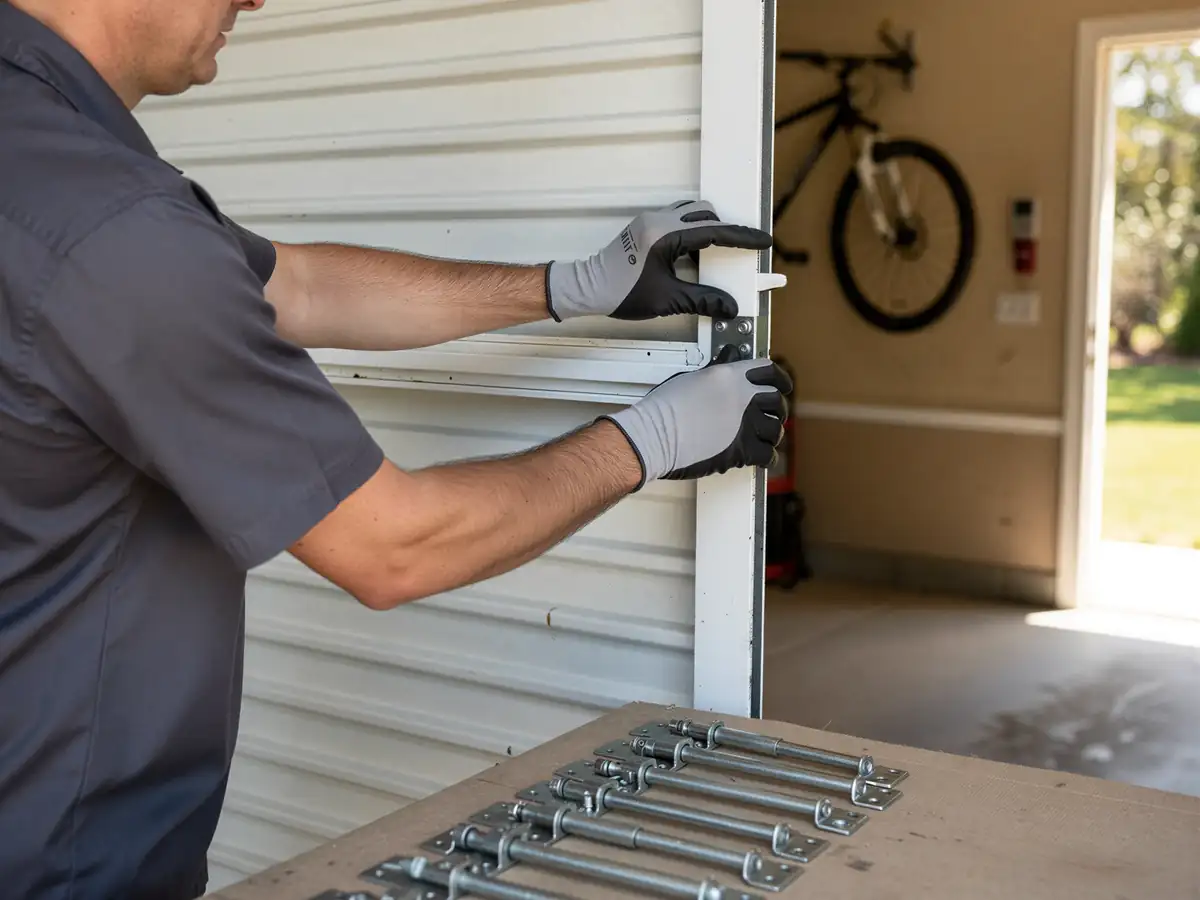
We carry sealed nylon rollers in the stem lengths and diameters used across the 21 named areas we work in, plus steel ball-bearing rollers for owners who want the lower-cost option on a door that's not opened often. Sealed bearings matter here because the mild, humid air that sits over this part of the coast gets into open bearings and dries out the lubricant faster than it would in a drier climate. We also stock the brackets and hinges that roller work usually turns up as needing attention at the same time, since a roller rarely fails alone - the hinge or bracket it rides in is usually worn too. We don't carry every proprietary roller from every door brand ever installed in a house built between 1965 and 2021, which is the full span of housing stock out here, so on an older or less common door we may need a day to get the exact part in. We'll tell you that on the first visit, not the day of the job.
How It Shows Up
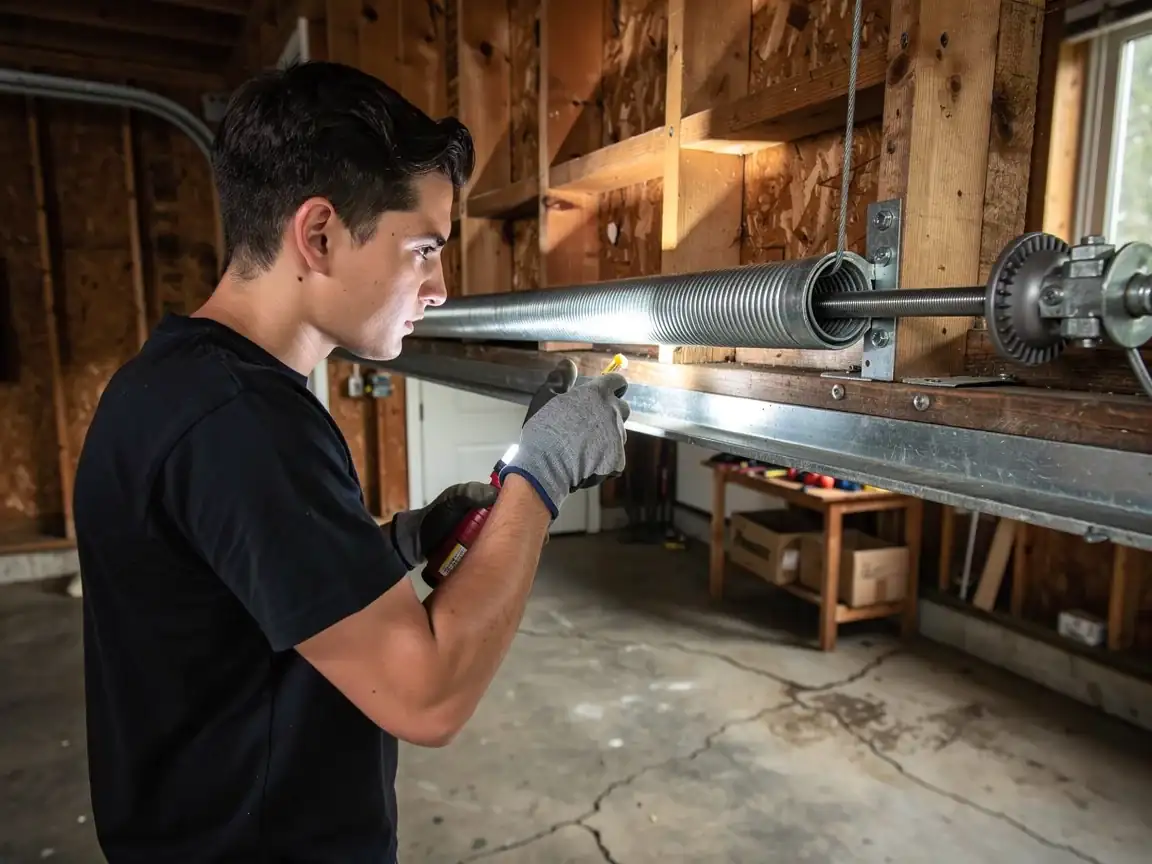
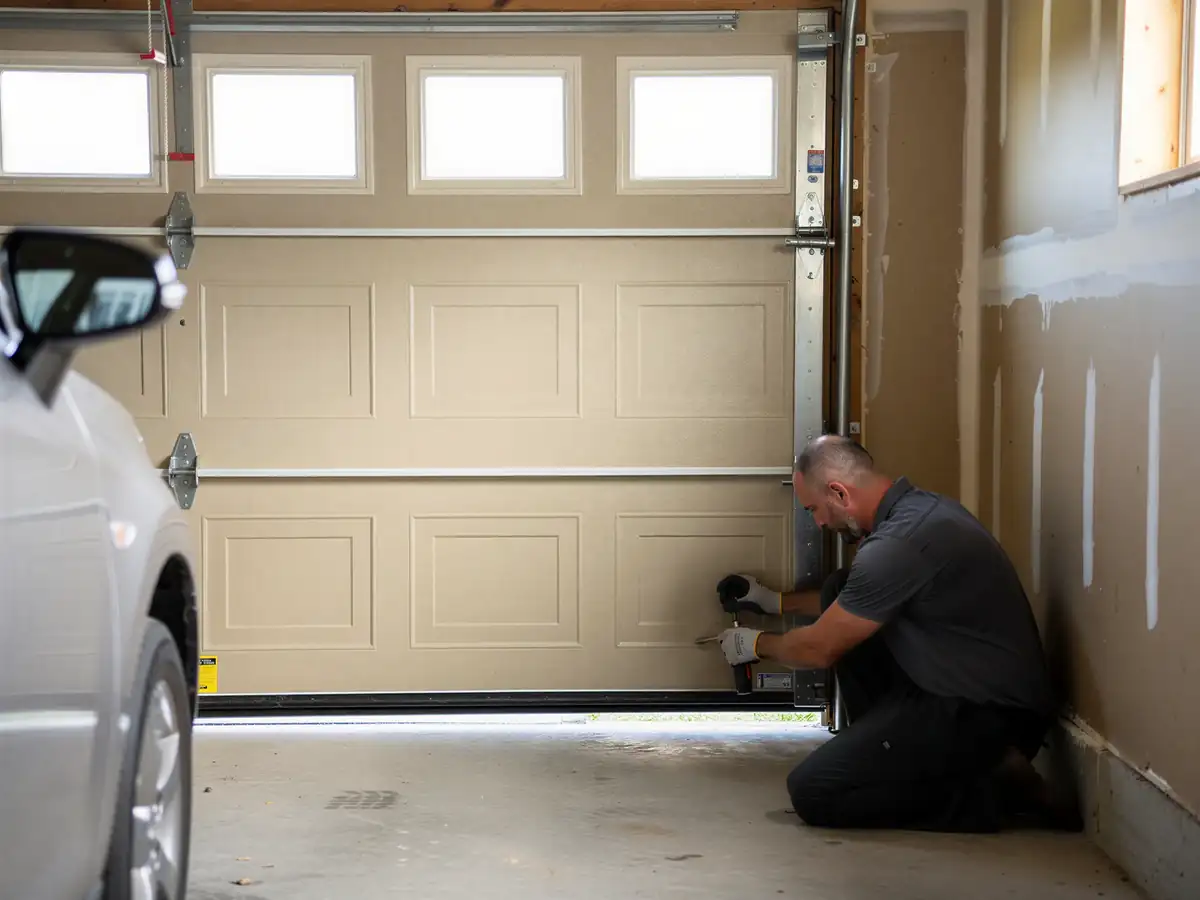
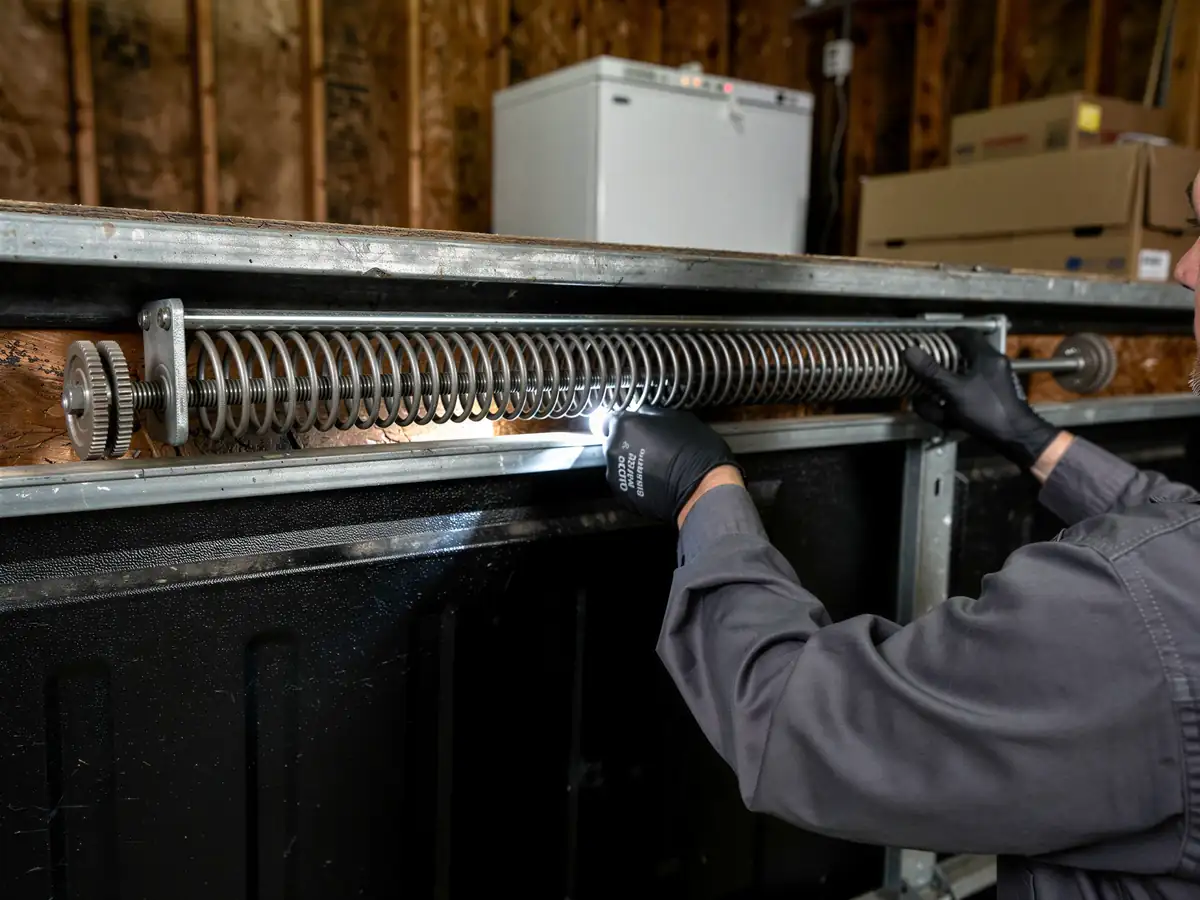
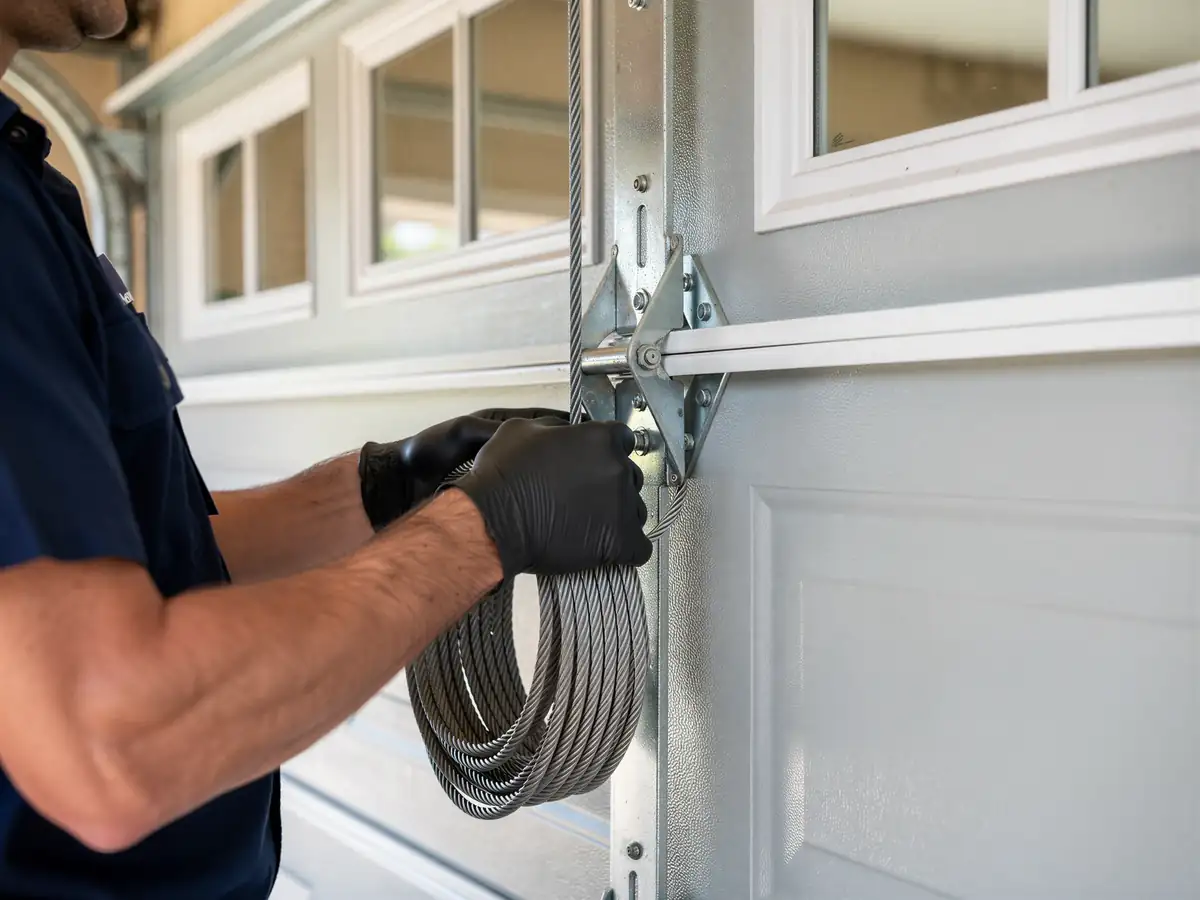
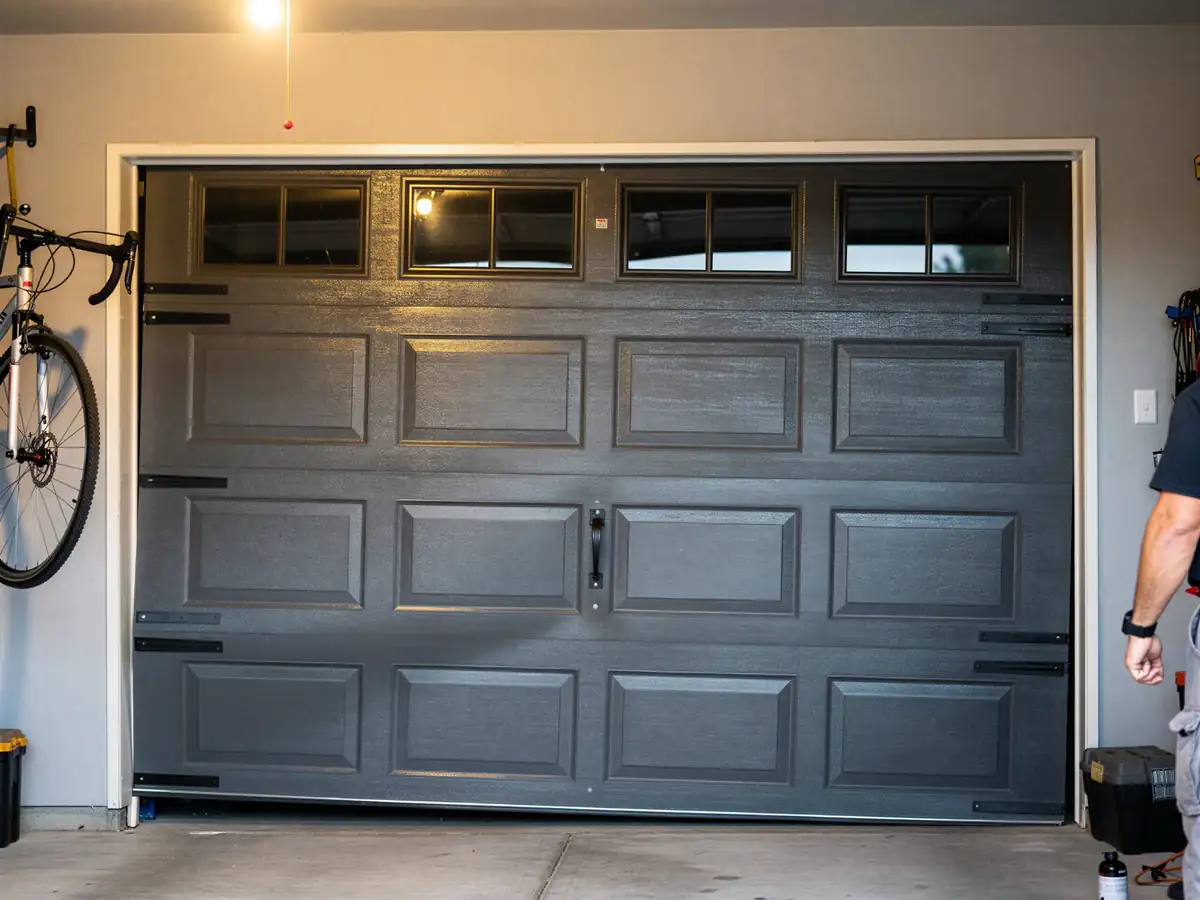
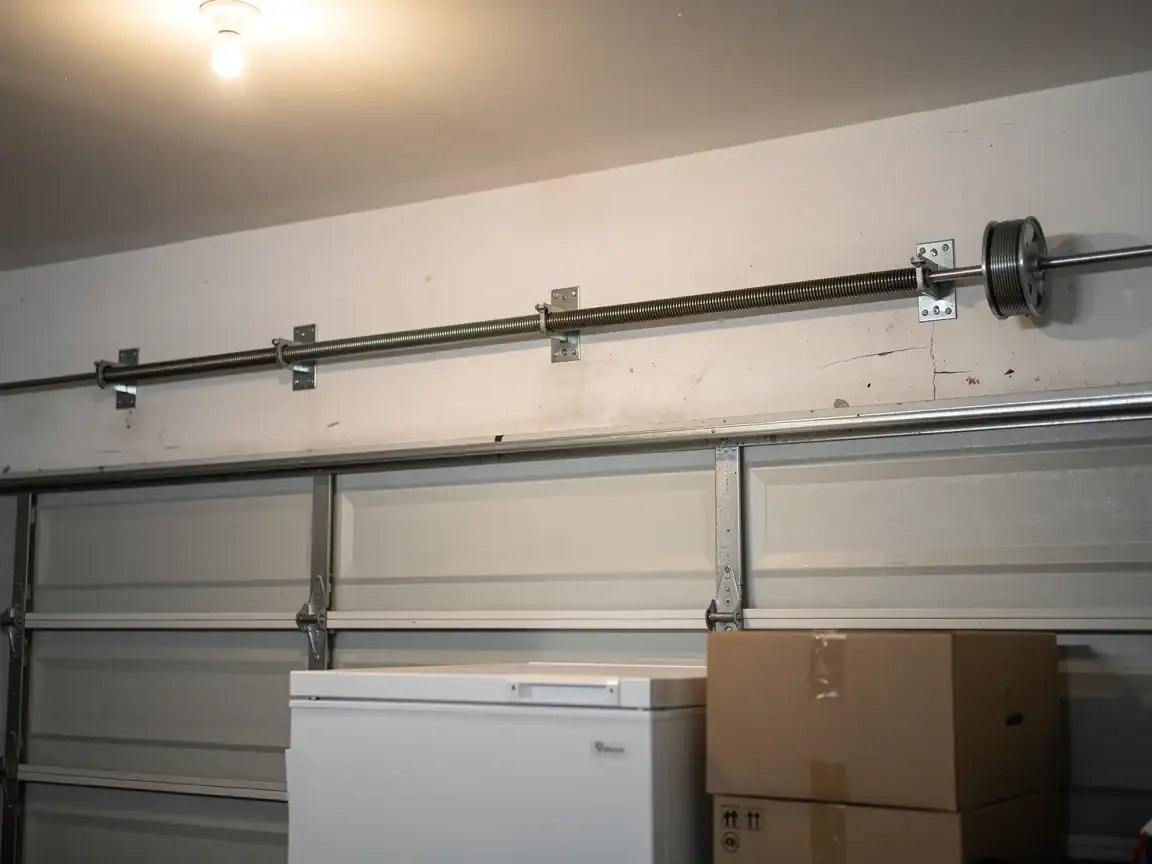
The first sign is usually a grinding or rattling noise when the door opens or closes, worse at the top or bottom of the track where the roller takes the most load reversing direction. Next comes a door that shudders or jerks partway through its travel instead of moving smooth. If you look at the track itself you'll sometimes see a groove worn into the metal, or flat spots on the roller wheel where the nylon or steel has worn unevenly. On older torsion setups common to houses from the 1960s and 70s stock around here, a worn roller puts extra side-load on the spring and cable too, so what starts as a $20 part becomes a bigger repair if it sits for months. Left long enough, a roller can shear its stem and drop the door off the track entirely, usually at the worst possible time - leaving for work, or trying to get the car in ahead of rain.
What Causes It Around Here
Housing in this service area runs from 1965 to 2021 with a median build year of 1978, and the bulk of it - across the 21 named communities we cover - went up in the 1960s and 70s on standard steel tracks and roller hardware that hasn't changed design much since. That hardware wasn't built for 40-plus years of coastal, mild-temperate humidity, and it's the humidity more than heat that does the damage: it keeps grease from doing its job and lets corrosion creep into the bearing and the stem even on doors that look fine from the outside. Owners in older houses tend to notice roller wear sooner just because the doors have had more years of salt air working on them, while newer builds closer to the water can see the same wear in a shorter span. Either way, a roller replacement here is rarely an isolated fix in a vacuum - it's a maintenance item that this climate accelerates.
How it works
From “it’s stuck” to “it’s fixed”
1
Tell us what’s wrong
Describe the symptom - won’t open, loud bang, opener runs but the door won’t move.
2
On-site diagnosis
A technician tests the door under power and by hand and finds what actually failed.
3
Clear, up-front plan
You get the fix that’s needed and what drives the cost - before any work starts.
4
Repaired & tested
The repair is done, the door is set true and tested, and the work area left clean.
Not sure which repair your door needs in West Palm Beach, FL? Describe what it’s doing - every job starts with a diagnosis.
How many rollers does a typical garage door need replaced at once?
Most residential doors have 10 to 12 rollers. If one has failed from age or corrosion, the rest are usually close behind on the same timeline, so we generally recommend replacing the full set rather than one at a time, especially on doors from the 1960s-70s stock common across this area.
Are nylon rollers worth the extra cost over steel here?
In this climate, yes for most owners. Sealed nylon rollers keep salt-humid air out of the bearing and run quieter. Steel rollers are cheaper up front but the open bearings corrode faster near the coast, so they often need replacing again sooner.
Can a bad roller damage anything else on the door?
Yes. A roller stuck in a worn groove or riding unevenly puts side-load on the cable and spring. Left alone for months, that extra strain can shorten the life of parts that cost a lot more to replace than the roller itself.
Do you carry rollers for older doors?
We stock the roller sizes used across the housing built here from 1965 through today. Most original doors from the 1960s and 70s use standard stem and bearing sizes we carry on the truck; less common proprietary parts occasionally take an extra day to get in.
Ready to get your garage door sorted?
Tell us what it’s doing and where you are in West Palm Beach - we’ll take it from there.