How Long It Takes
A cable job on its own
With the spring and drums in decent shape, is usually a same-visit fix once the truck is on-site. What slows it down in Palm Springs is what the cable job uncovers. A lot of these houses date to the late 1970s, and a door that's run on its original drums or a replaced opener but the same cable system for forty-plus years often has a worn drum groove or a bent bottom bracket hiding behind the symptom you called about. We're traveling the 8 miles out from West Palm Beach, so the window is scheduled rather than walk-up, but once we're there, swapping a pair of cables and checking the drums for wear doesn't take long. If the cable snapped because a spring let go first, that's a longer job - the spring has to come off safely before anyone touches the cable.
- 8 miles
What we won't do is quote you a cable repair and then surprise you with a drum replacement charge once we're under the door
If the drum's grooved or the bracket's bent, we tell you before we start, not after.
How We Fix It
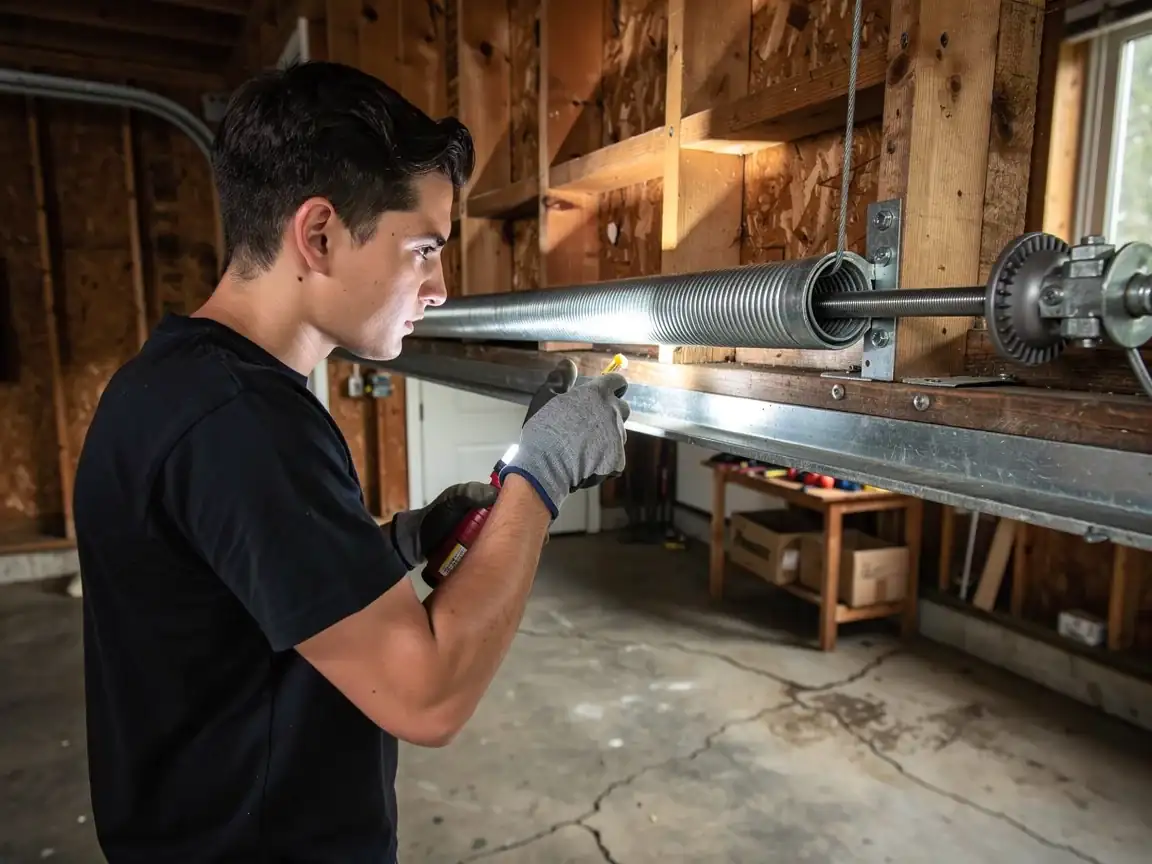
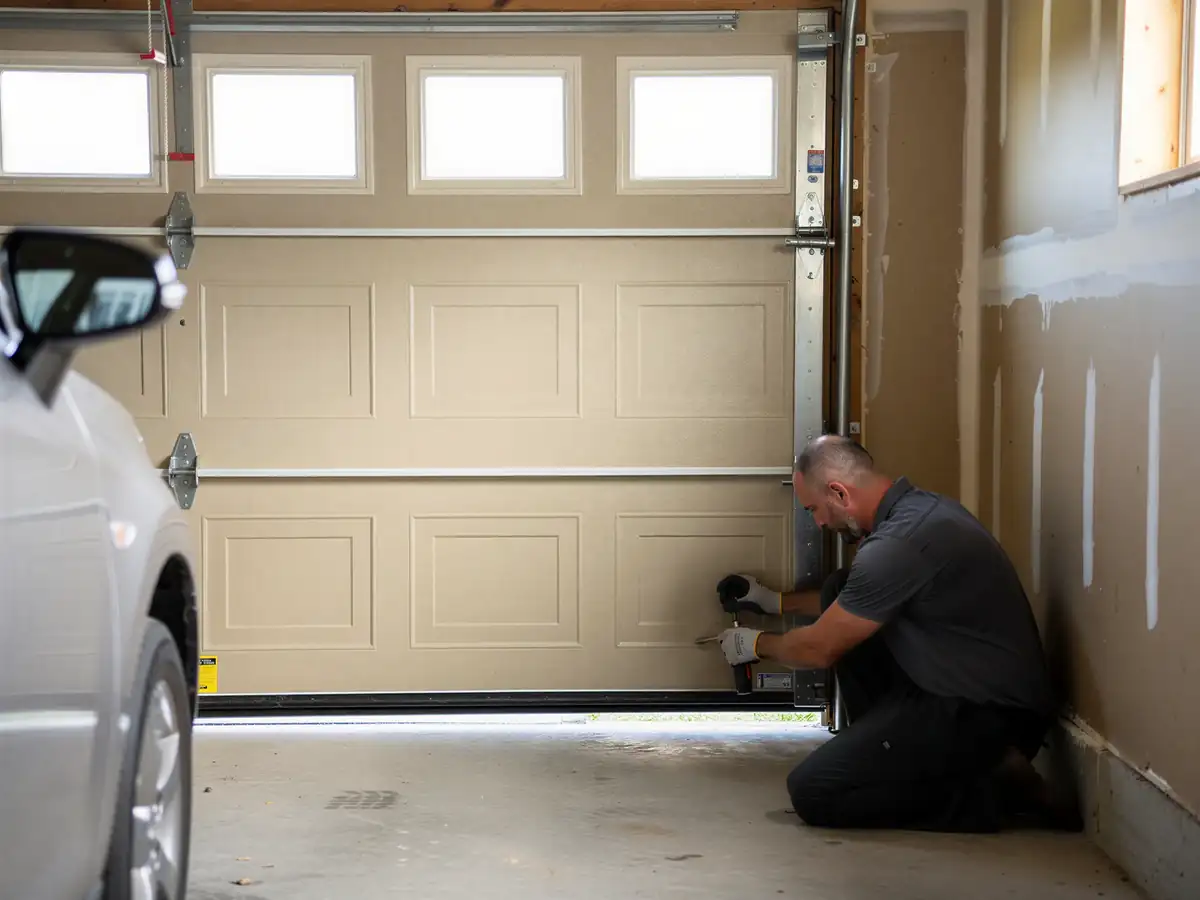
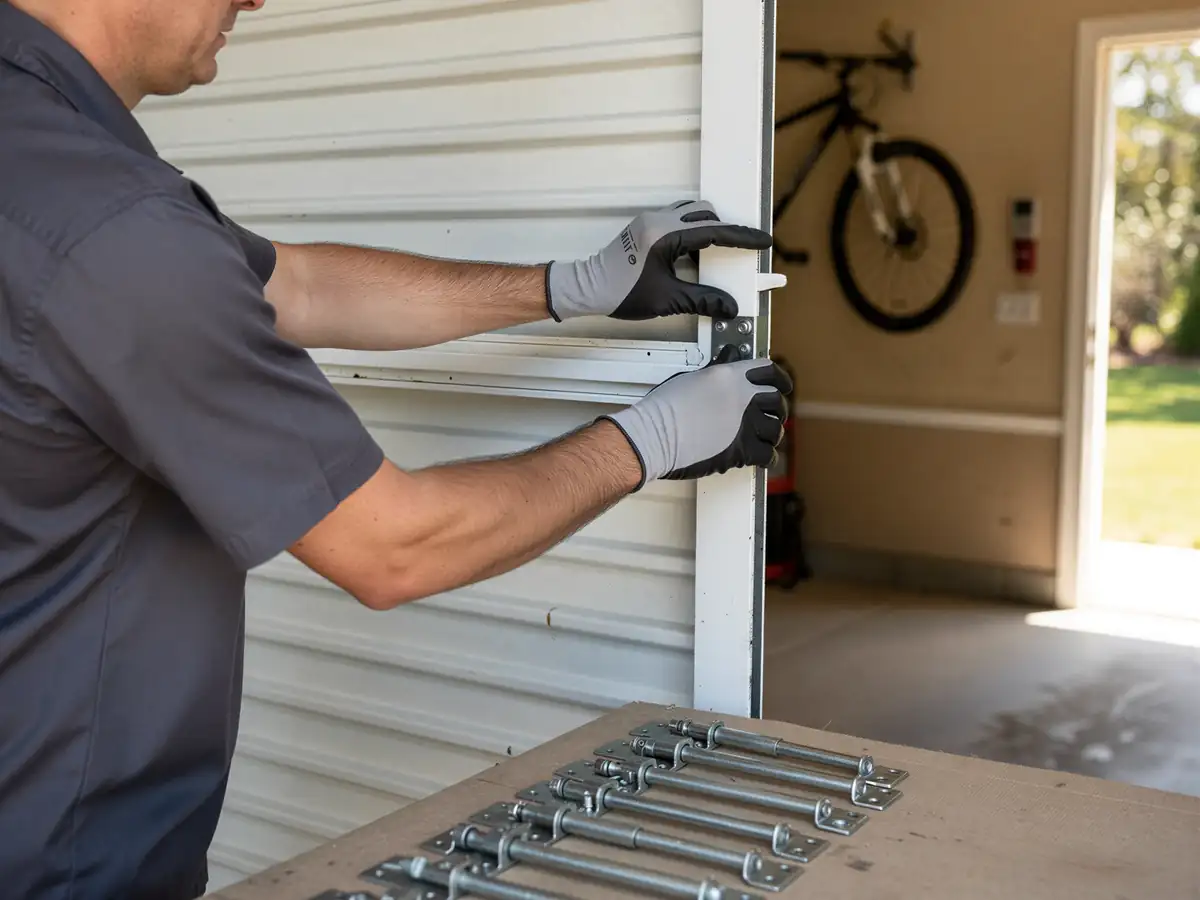
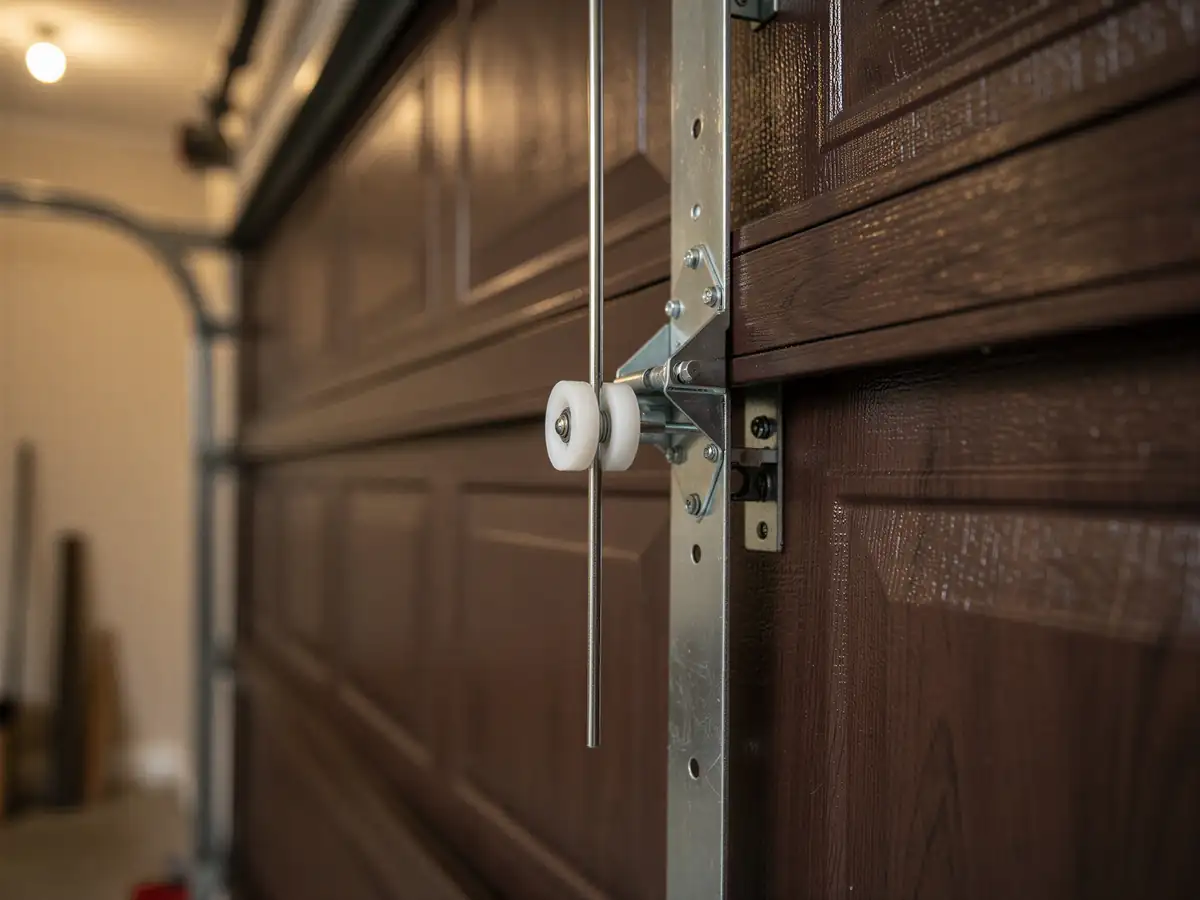
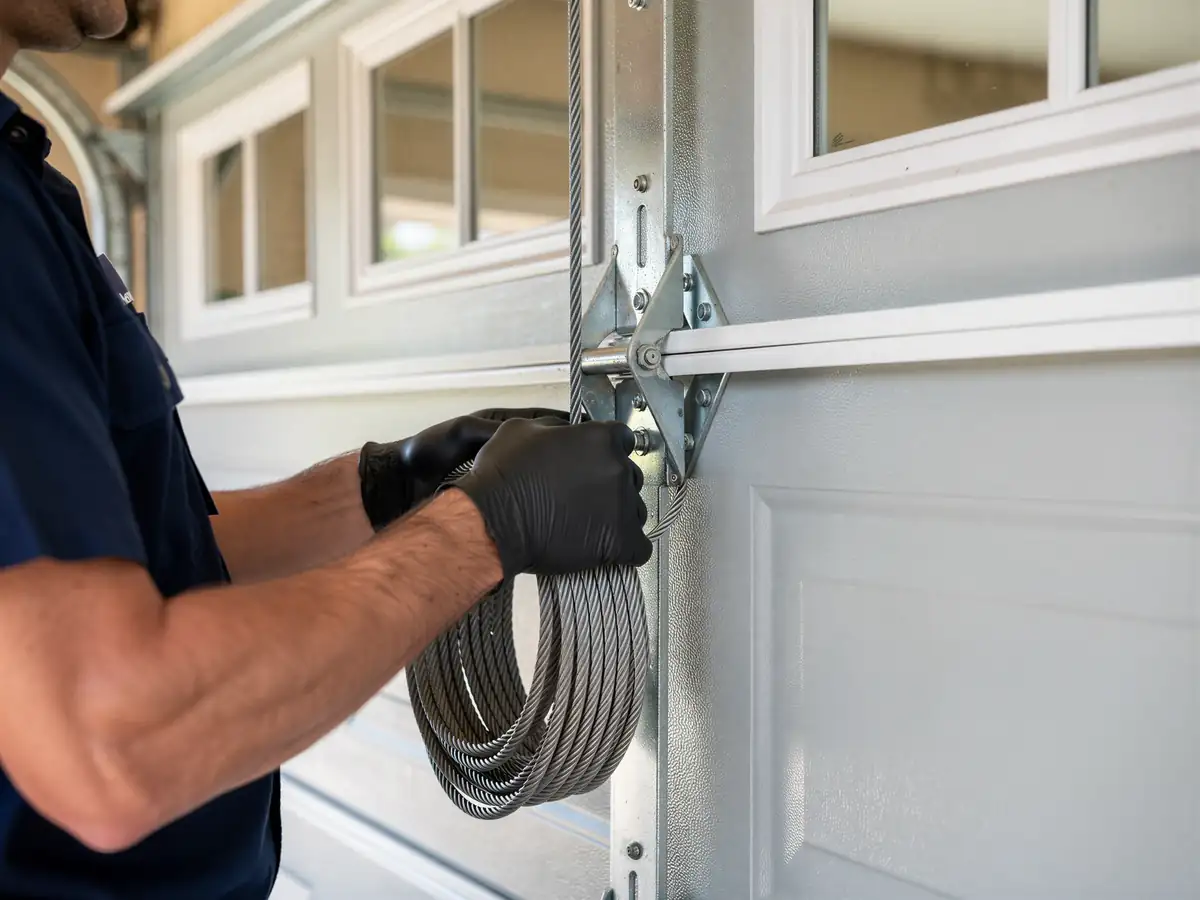
Both cables get replaced as a pair, even if only one has frayed or snapped - the other one is the same age and under the same load, and leaving it is asking for a second call. We check the bottom brackets where the cable loops through, since on older hardware those brackets wear a groove that will fray a brand-new cable in a season. The drums get inspected too: a cable that keeps jumping the drum, rather than just snapping, usually means the drum groove is worn past the point of holding it.
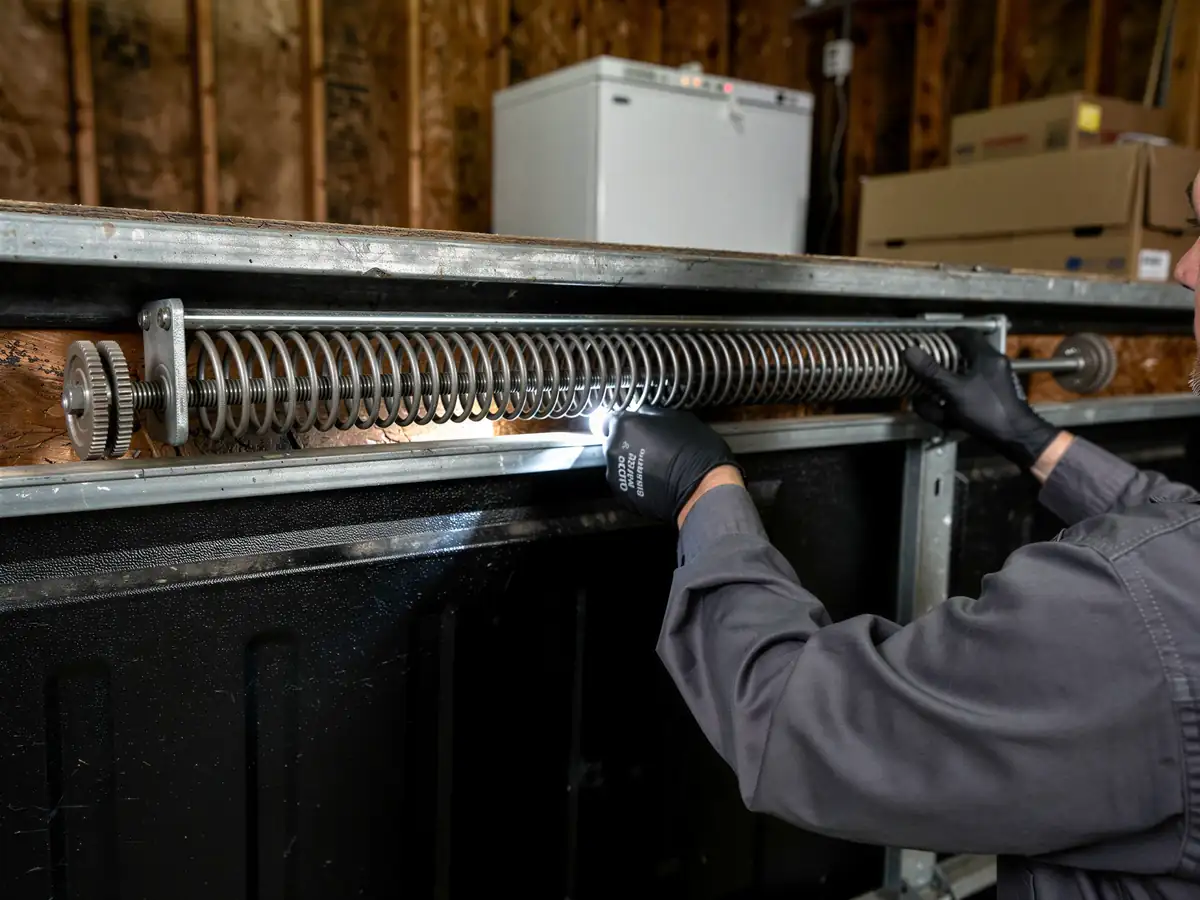
On a torsion-spring door we release spring tension before any cable work starts - that's not optional, it's how the job gets done without anyone getting hurt. On an older extension-spring setup, which still turns up on houses from this era that haven't been converted, the process is different and the safety cables (if they're even present) get checked at the same time. We test the door through a full open-close cycle under its own power once the cables are set, not just by hand, because a cable that looks fine stationary can still bind under real spring tension.
What Causes It Around Here
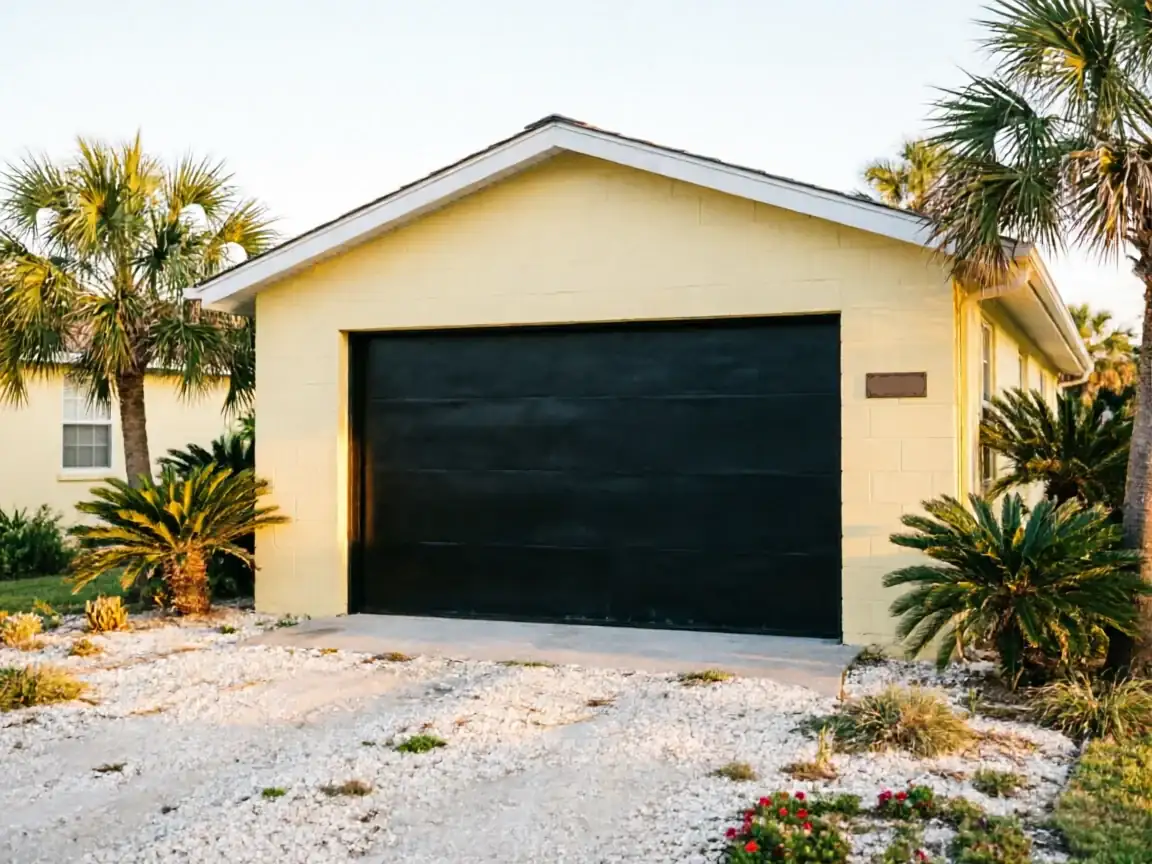
Most Palm Springs houses went up in the late 1970s, right in the middle of the county's main building wave, and a lot of them are still running original or early-replacement cable hardware. Galvanized cable from that era wasn't built to last fifty years, and it doesn't - it frays strand by strand at the drum and at the bottom bracket, usually invisibly, until it lets go under load, often when the door is at its heaviest point mid-travel.
The mild, temperate climate here helps compared to places with real freeze-thaw cycles, but it doesn't stop corrosion. Humidity and salt air work steadily on unprotected steel cable over decades, and a cable that looks solid can be rusted through on the inside of the strand bundle where you can't see it. Combine original-era hardware with that kind of slow corrosion and a sudden snap on an otherwise ordinary day is the most common call we get from this area - not a dramatic failure, just forty-plus years catching up with a part nobody ever thought to replace.
The Complications
The complication isn't usually the cable - it's what the cable was holding together
On a door from the late 1970s, we sometimes find the drums themselves are worn unevenly, which means a new cable installed on an old drum will fail again within a year or two. We also see bent bottom brackets from a cable that snapped under tension and whipped before the door could be stopped; that bracket has to be straightened or replaced, not just reused.
If the opener is newer than the door
Which is common, since openers get replaced more often than cable hardware - the opener's travel limits may be set for the old cable length and need resetting once new cable is installed. None of this is unusual for a house this age, but it does mean a "replace two cables" job can turn into a half-day job once we're actually looking at the hardware. We'll always tell you what we find before doing extra work, not after the invoice.
The DIY Question
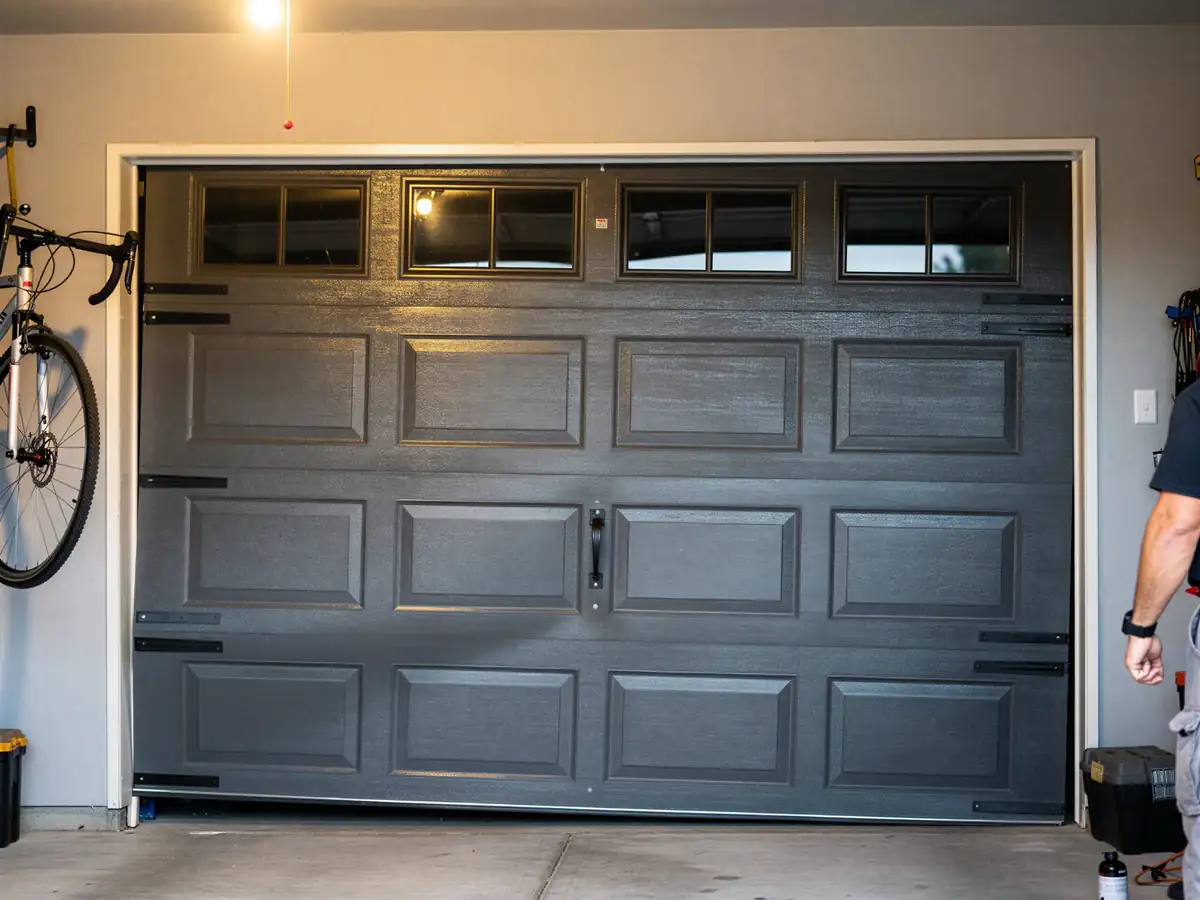
A broken garage door cable under spring tension is not a safe DIY repair, full stop. The cable is attached to a system storing enough force to snap a drum or whip a bracket across a garage, and on a torsion system that force doesn't go away just because the cable broke - it's still sitting in the spring. If a cable has snapped, the safest move is to leave the door down, unplug the opener so nobody tries to run it, and call it in rather than reaching for the cable yourself.
There's also not much to gain by trying. Cable itself is inexpensive, but the labor is in diagnosing whether the drum or bracket is also compromised, and that's hard to judge without taking the door apart - which is the dangerous part. If your door is still opening and closing on a frayed-looking cable, that's one case where waiting for a scheduled visit instead of forcing the door through a few more cycles can actually save the bottom bracket, and sometimes the opener, from damage.