How We Fix It
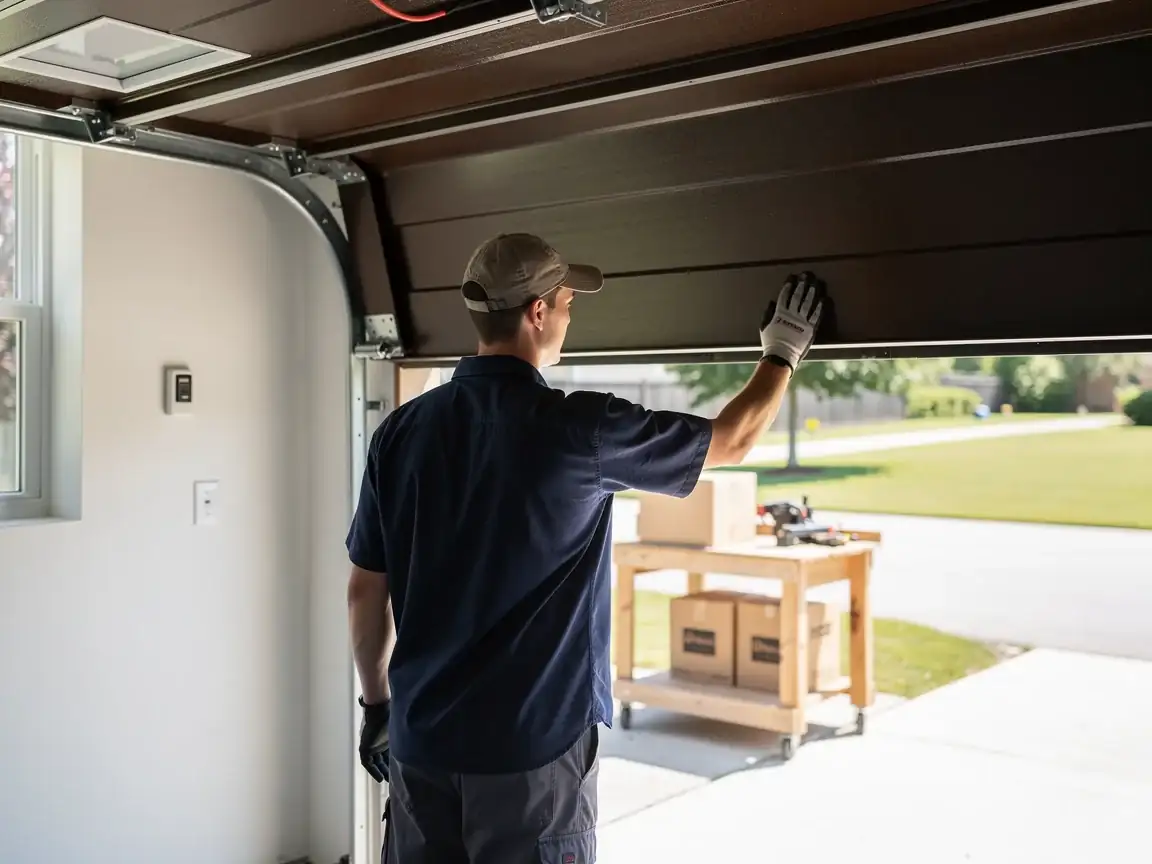
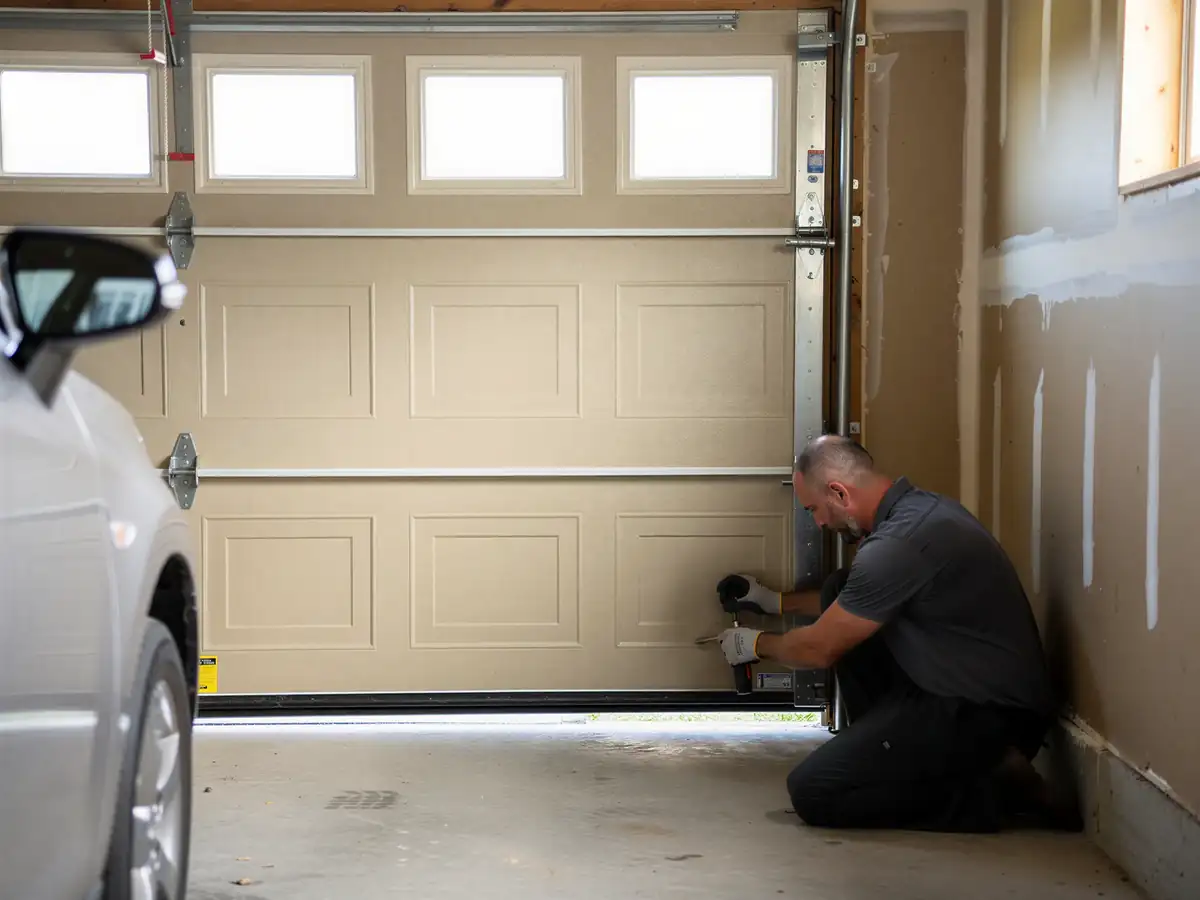
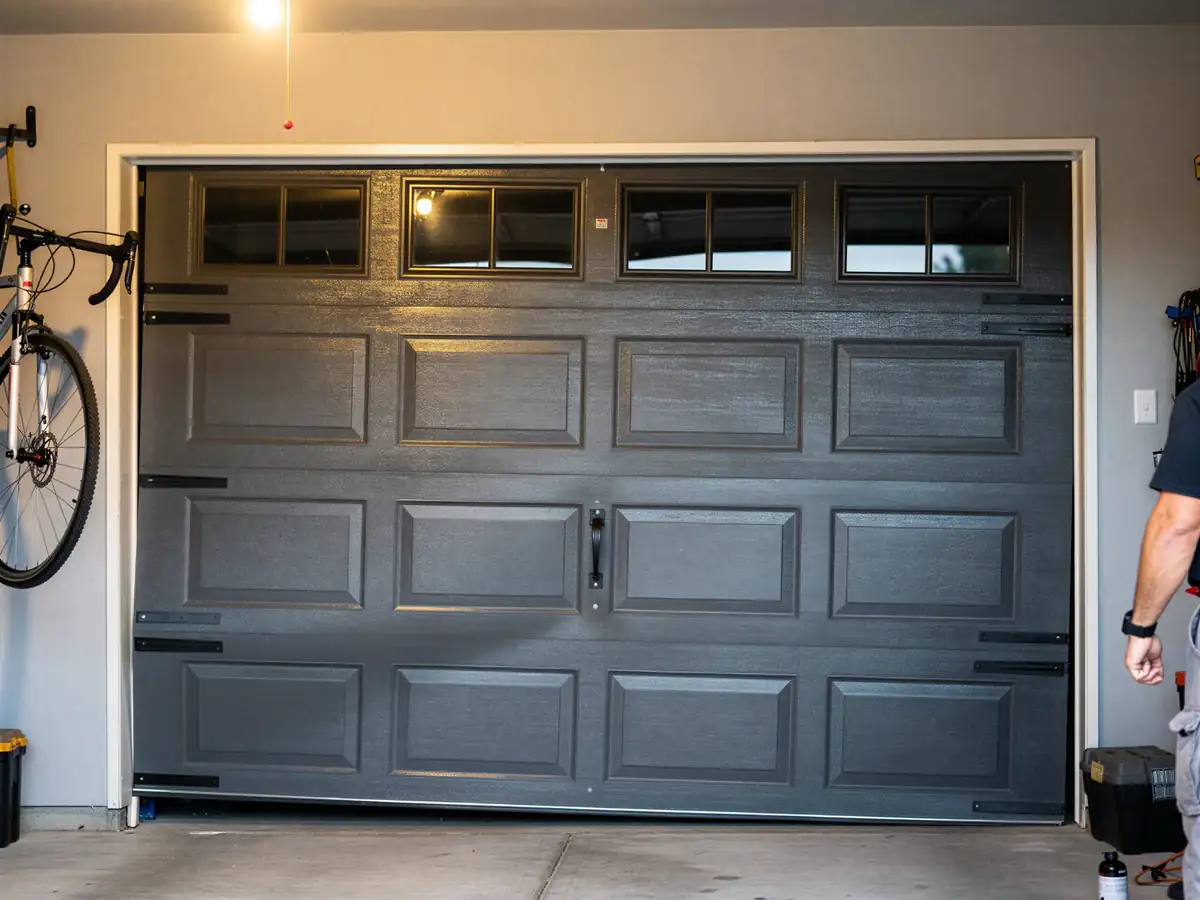
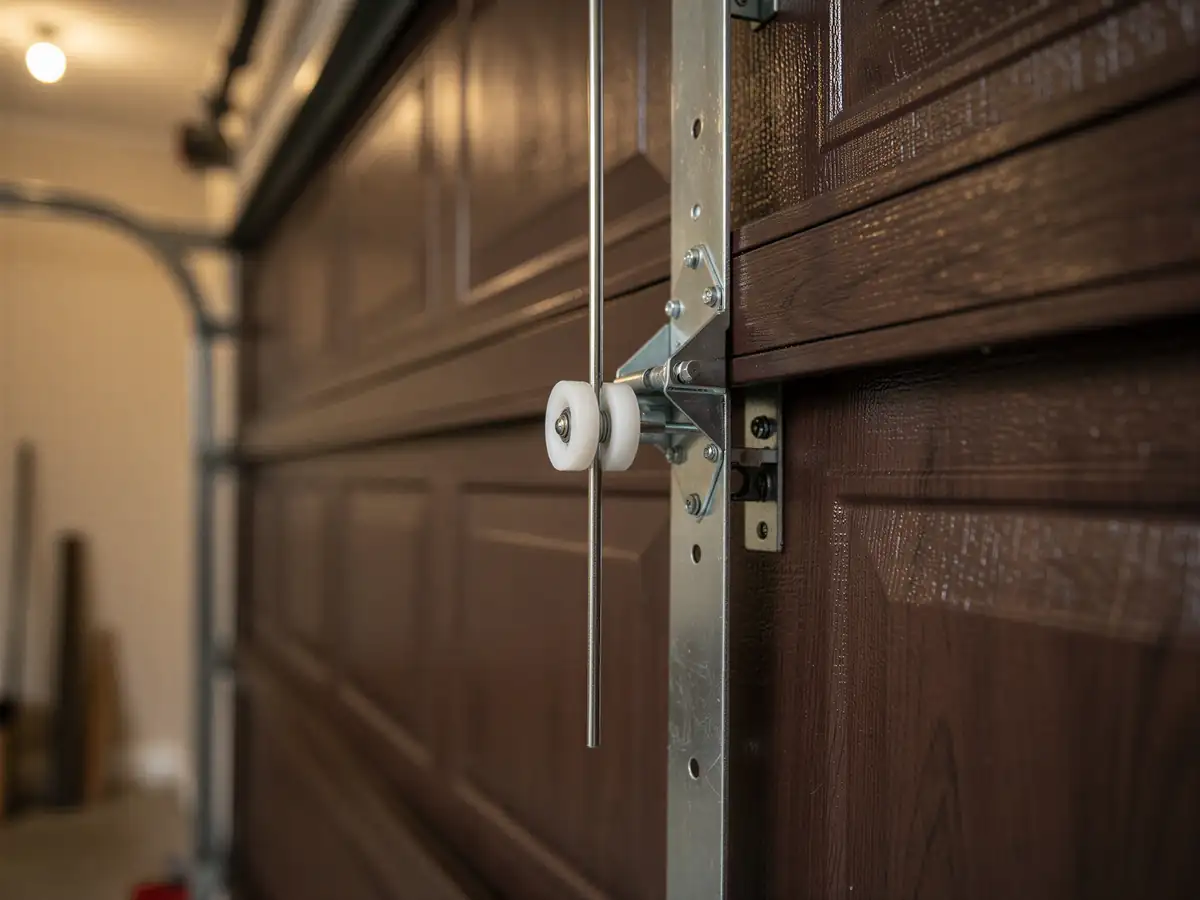
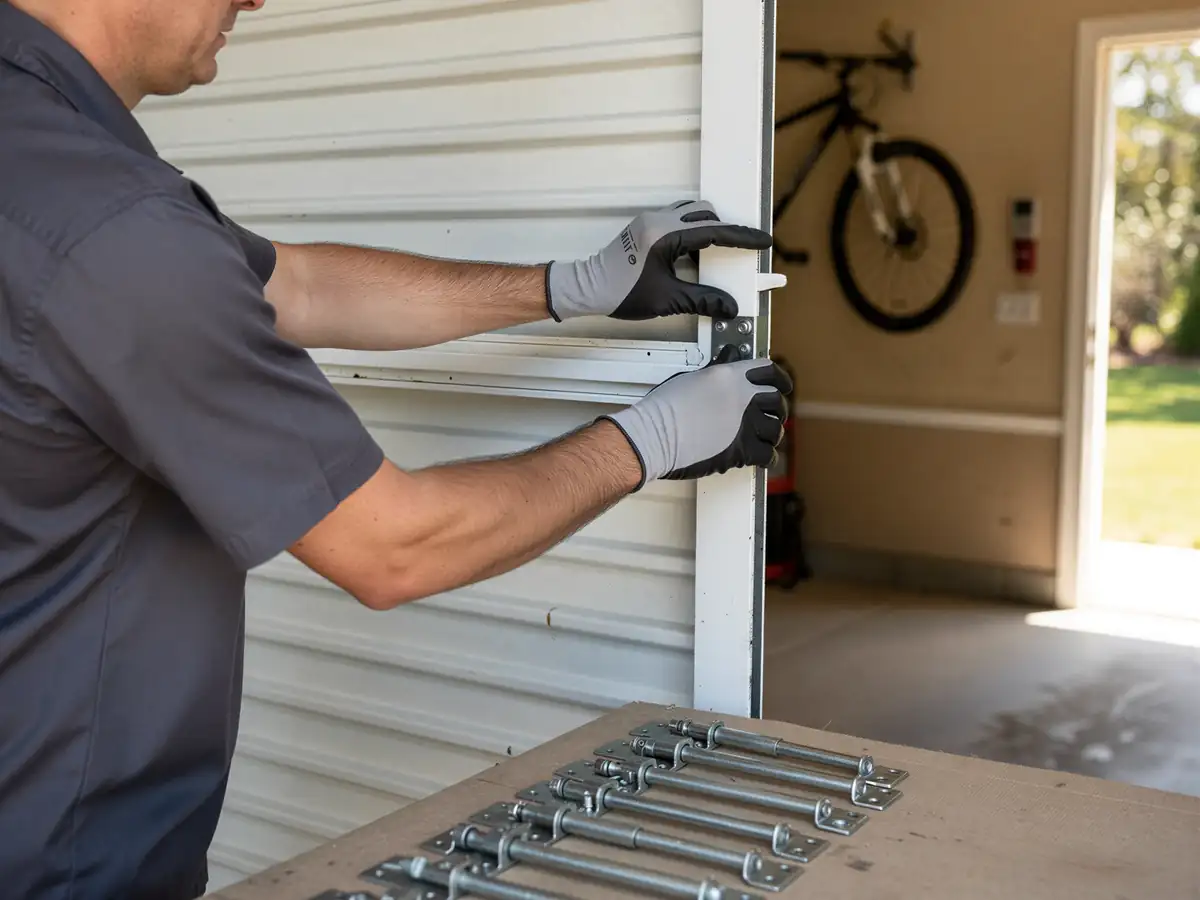
We pull the damaged panel's hardware - hinges, rollers, the end stiles if they're bent - and set them aside to reuse if they're still sound, since a lot of 1970s-era steel is thicker gauge than what's sold new today and holds up fine once the dented section is gone. The new panel goes in, hardware gets reattached, and we check the whole door for square before closing it out. If the track or spring tension shifted because of whatever hit the panel, we address that in the same visit rather than leaving it to find you later. We don't repaint doors to match faded original color - if your door has sun-bleached over the decades, a new panel may look slightly different until the whole door weathers evenly.
What Causes It Around Here
Most of the panel damage we see in Palm Springs comes from the ordinary stuff: a car bumper catching the bottom panel backing out of a carport, a trash can or bike knocked into the door by wind, or a panel that's simply fatigued after four-plus decades in a mild, humid coastal climate. Steel panels from the late 1970s weren't always galvanized to today's standard, so once the paint layer breaks at a dent or scratch, moisture gets under it and the metal starts to bubble and weaken from the inside. That's different from storm damage - we're not dealing with hail here the way colder regions do, but the humidity does its own slow work on older steel over the years.
The DIY Question
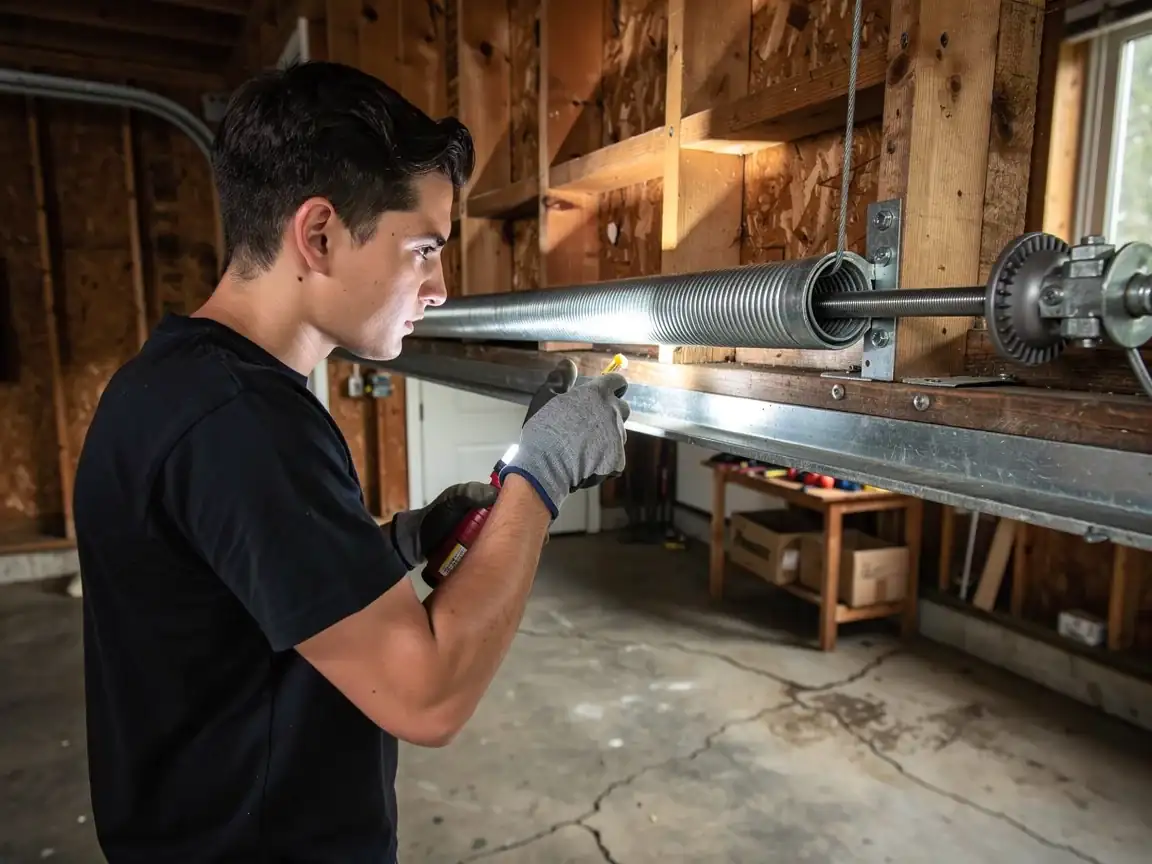
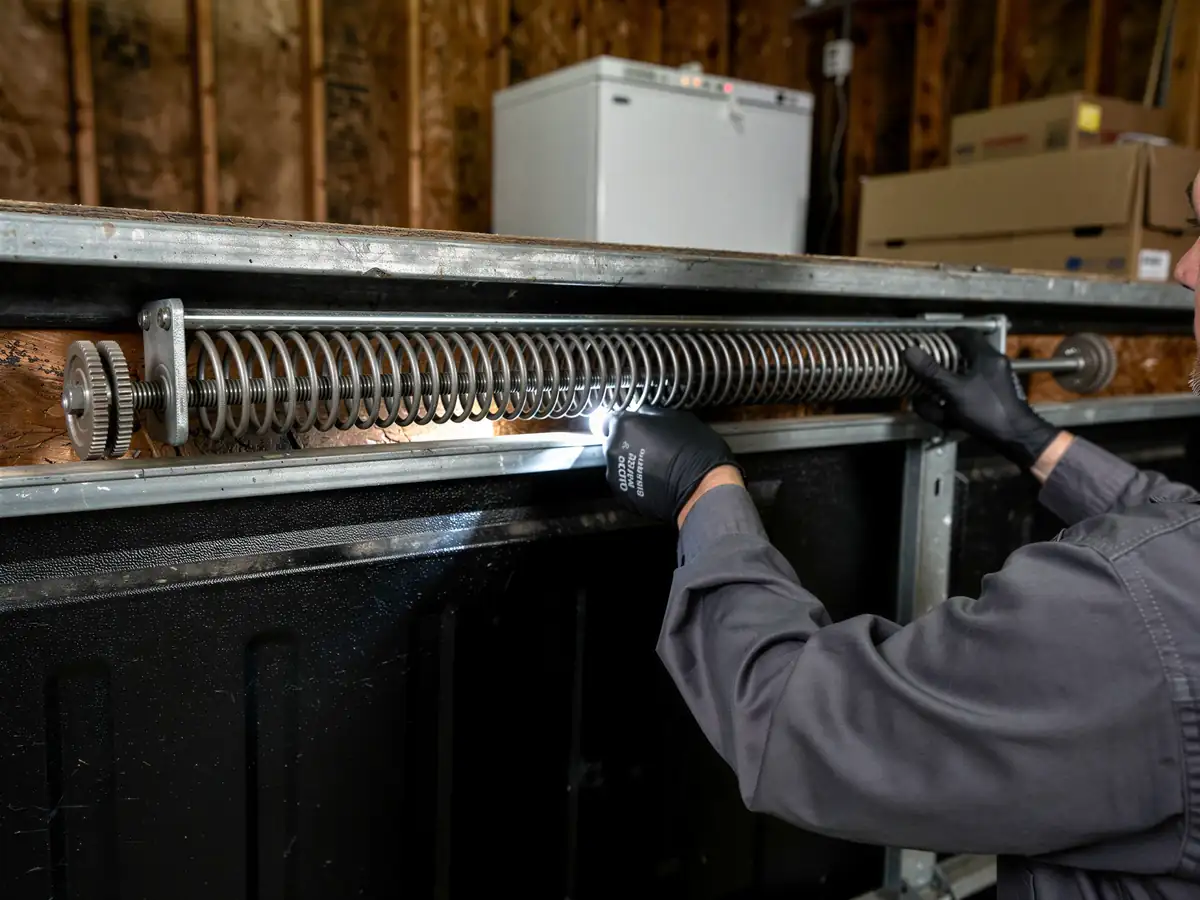
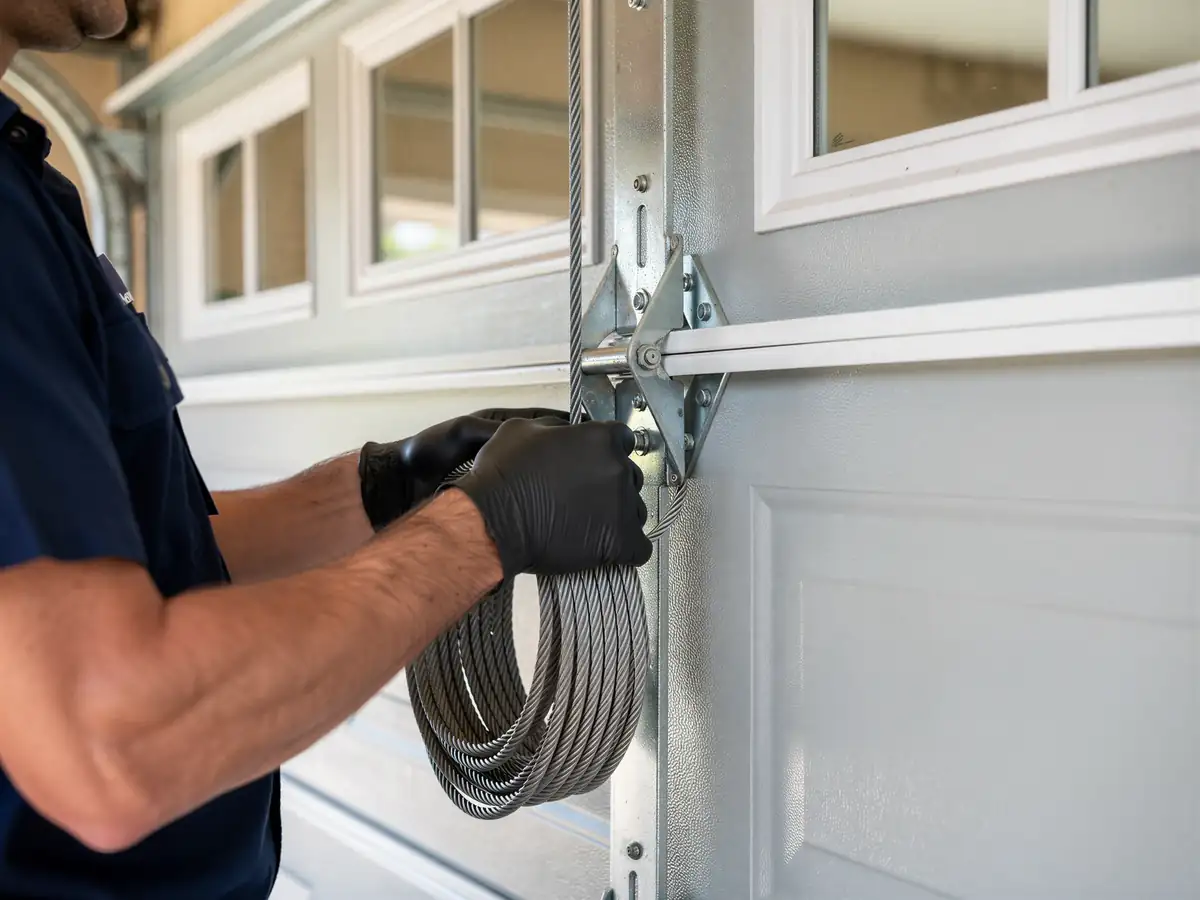
Swapping a single panel yourself is possible if you can find the right part and you're comfortable disconnecting cables and springs safely - torsion springs especially are not forgiving if you don't know what you're doing. Where it gets harder for an older Palm Springs door is matching the panel at all; ordering the wrong width or rib spacing from a big-box store is a common and expensive mistake on doors from this era. If your door is under spring tension and the panel sits anywhere near the bottom section, we'd rather you call than risk it. For top-panel cosmetic damage on a door that's otherwise sound, a careful homeowner can often handle it.