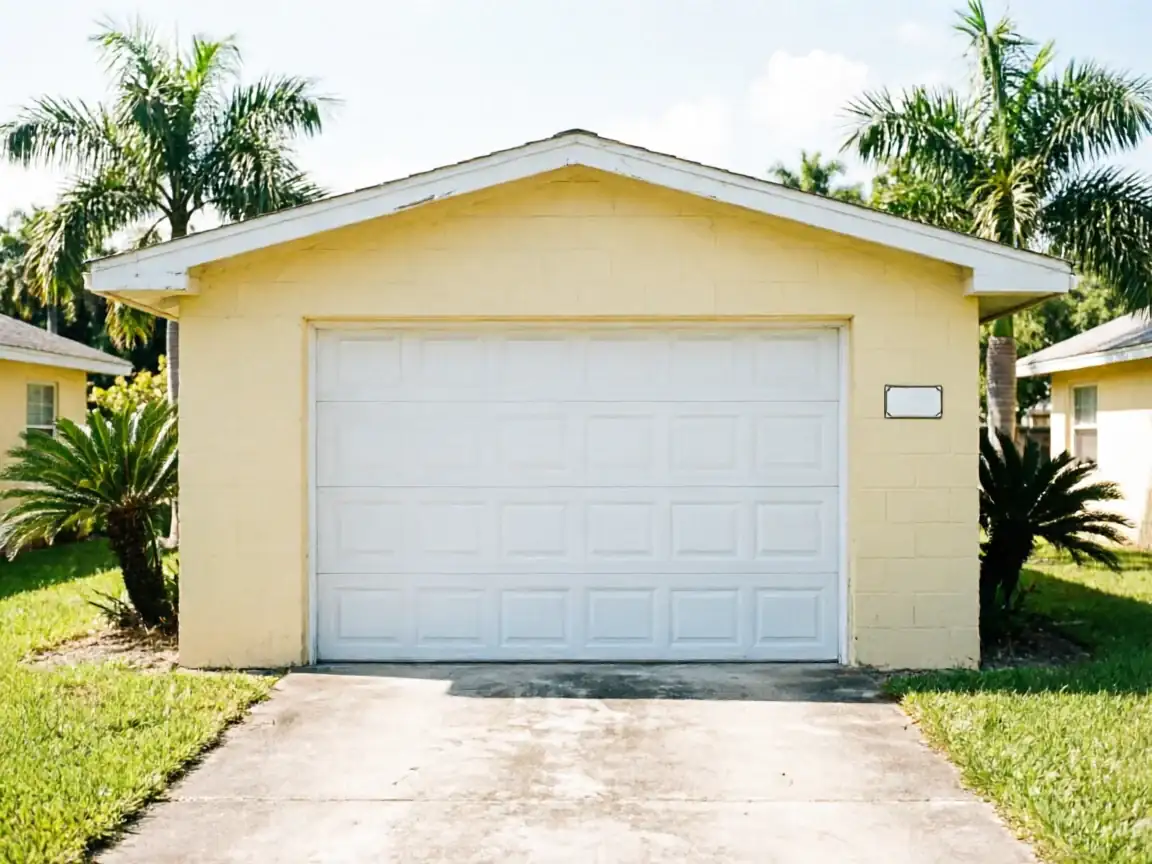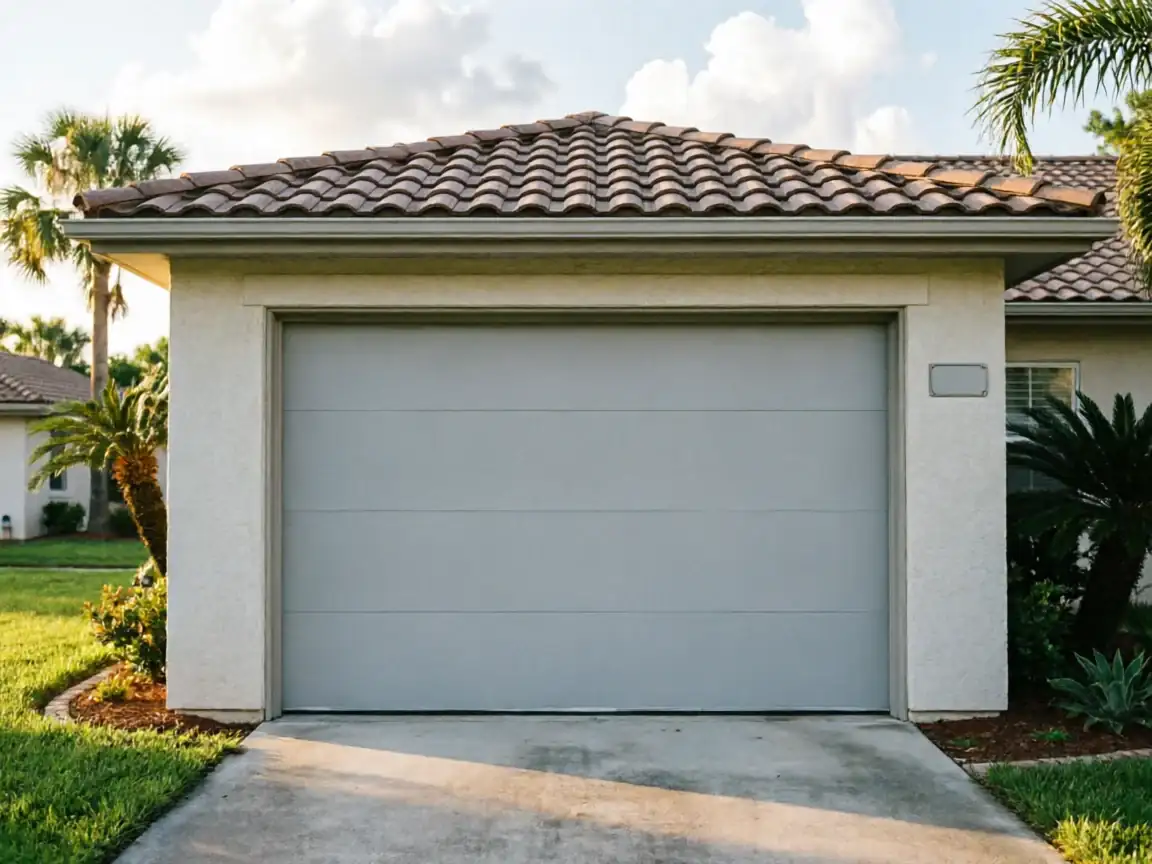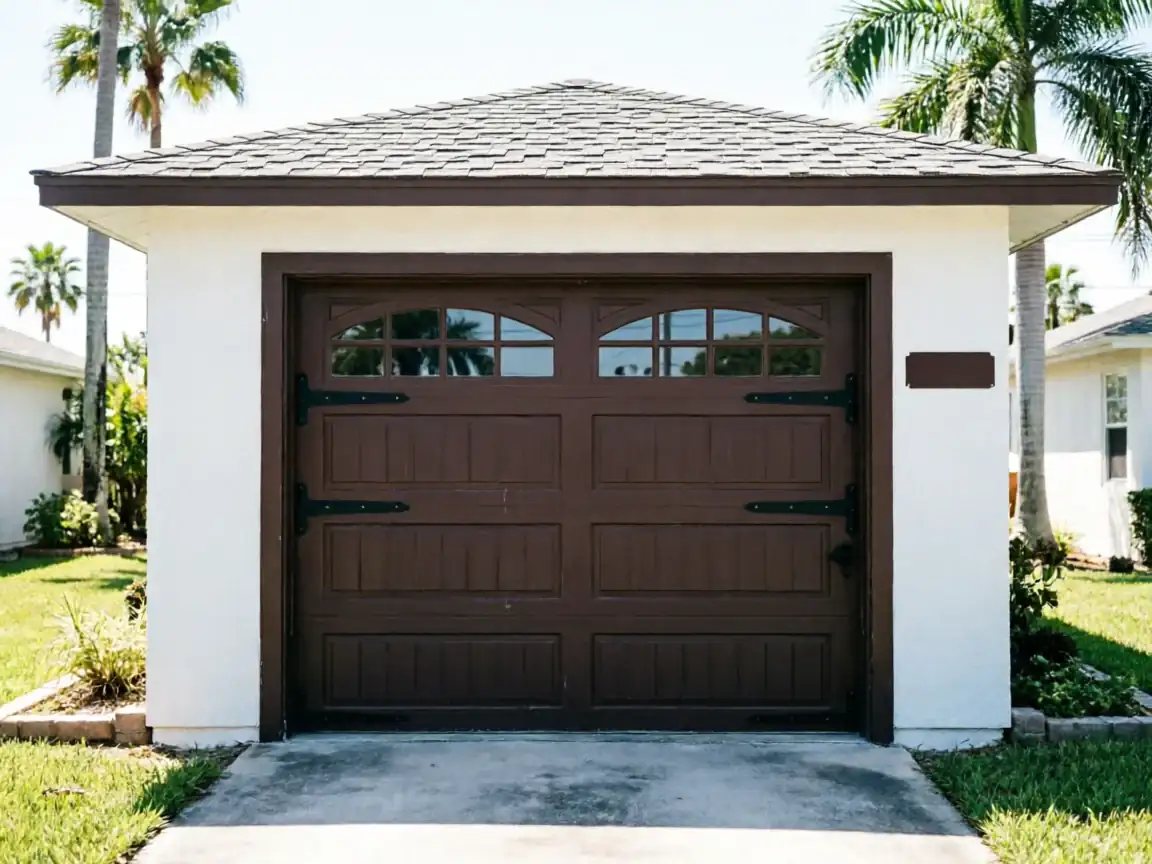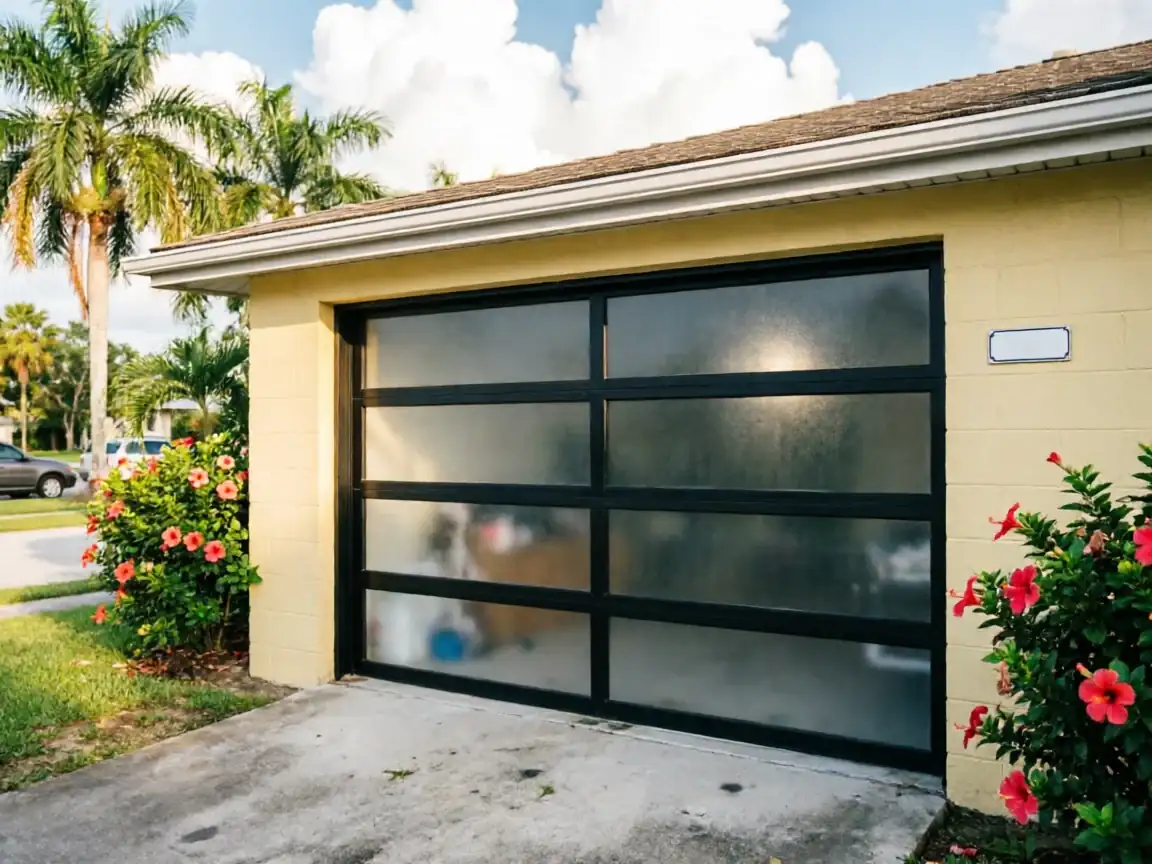
How We Fix It
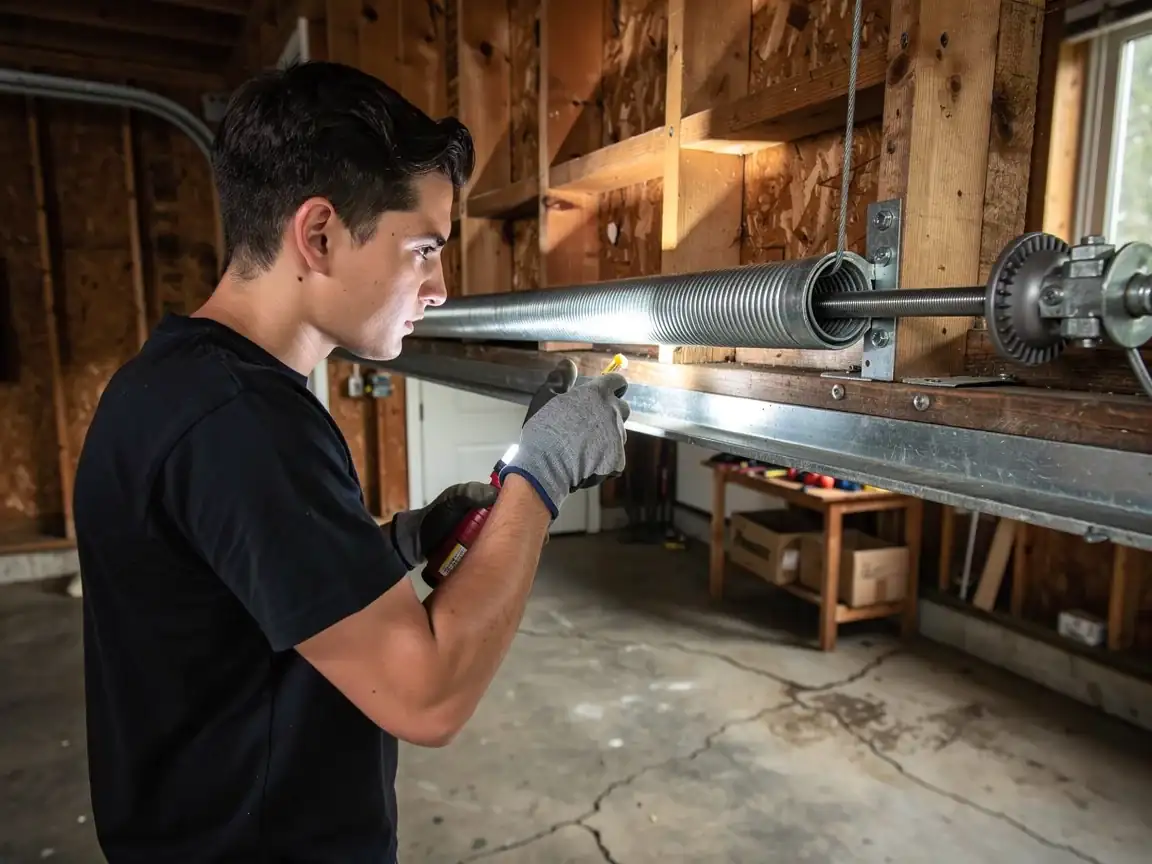
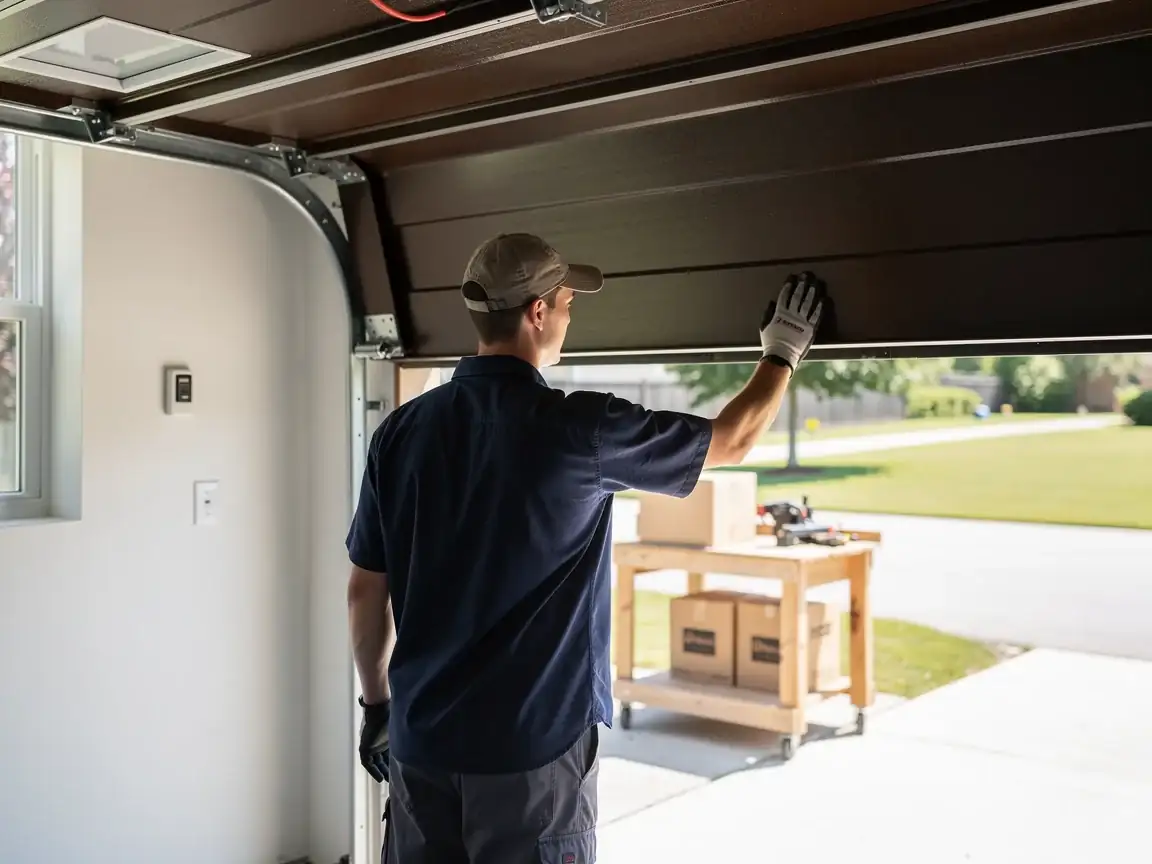
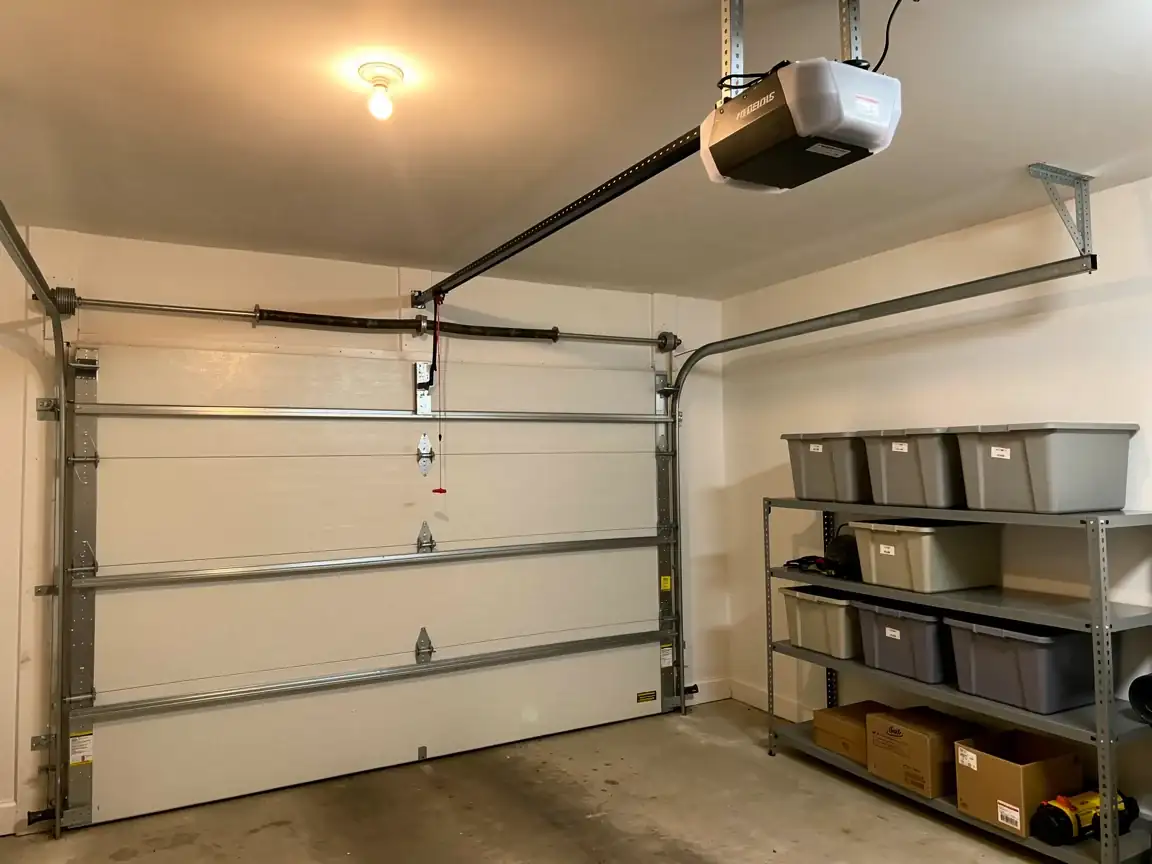
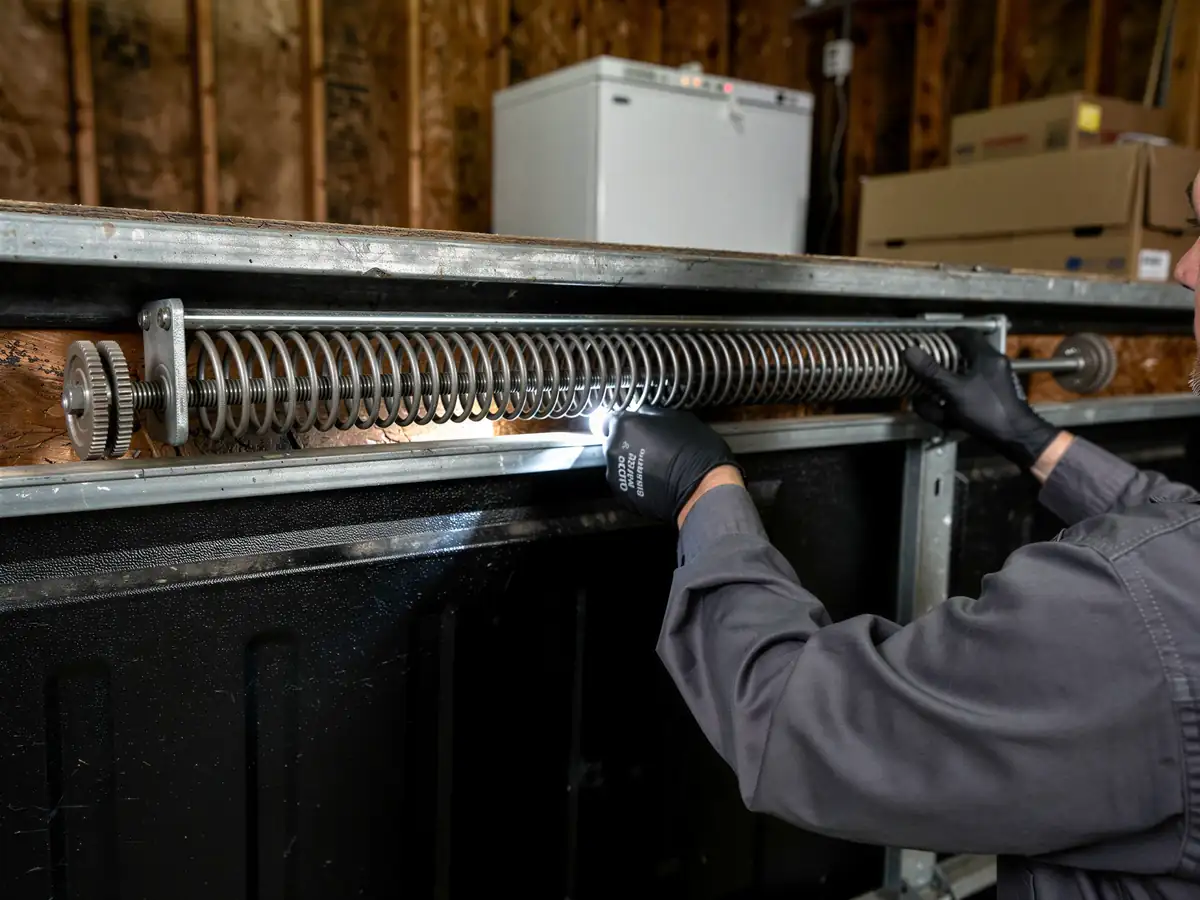
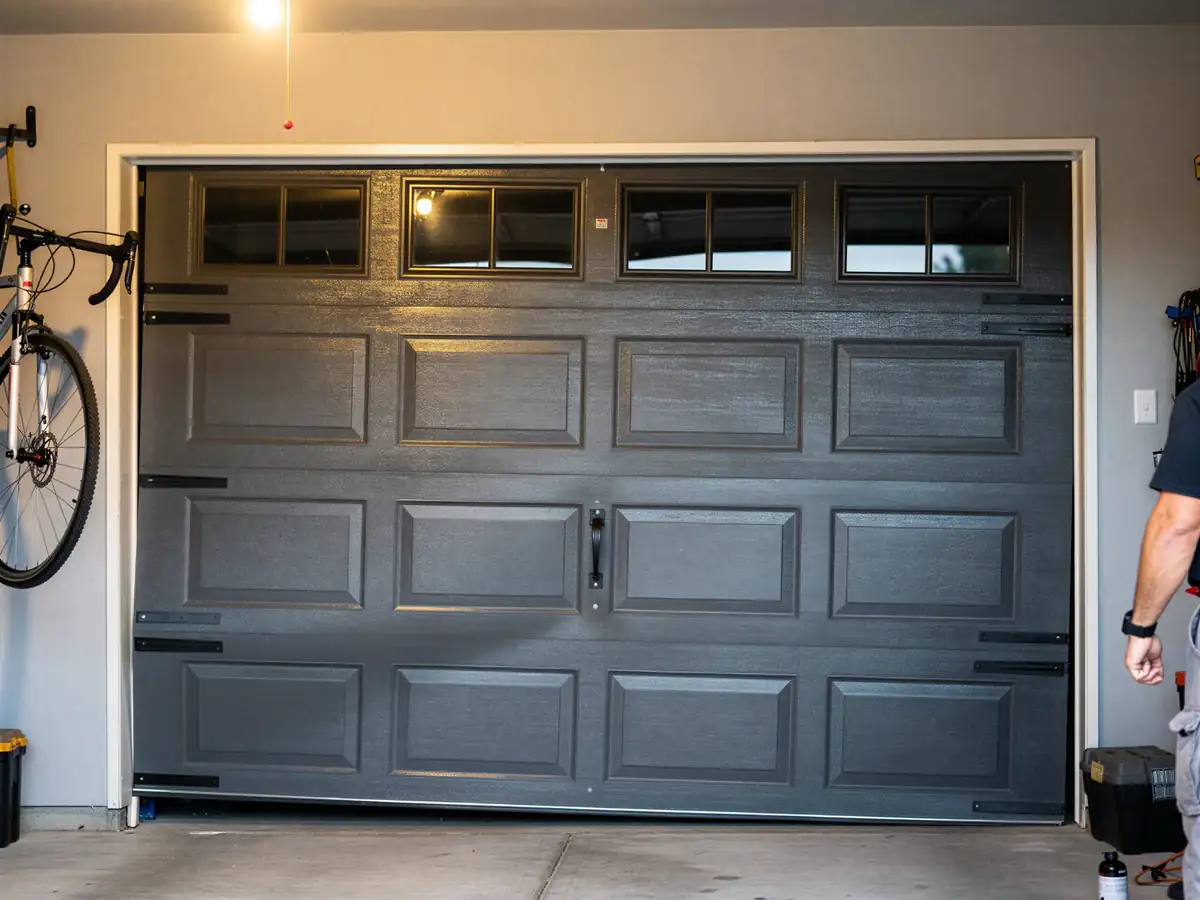
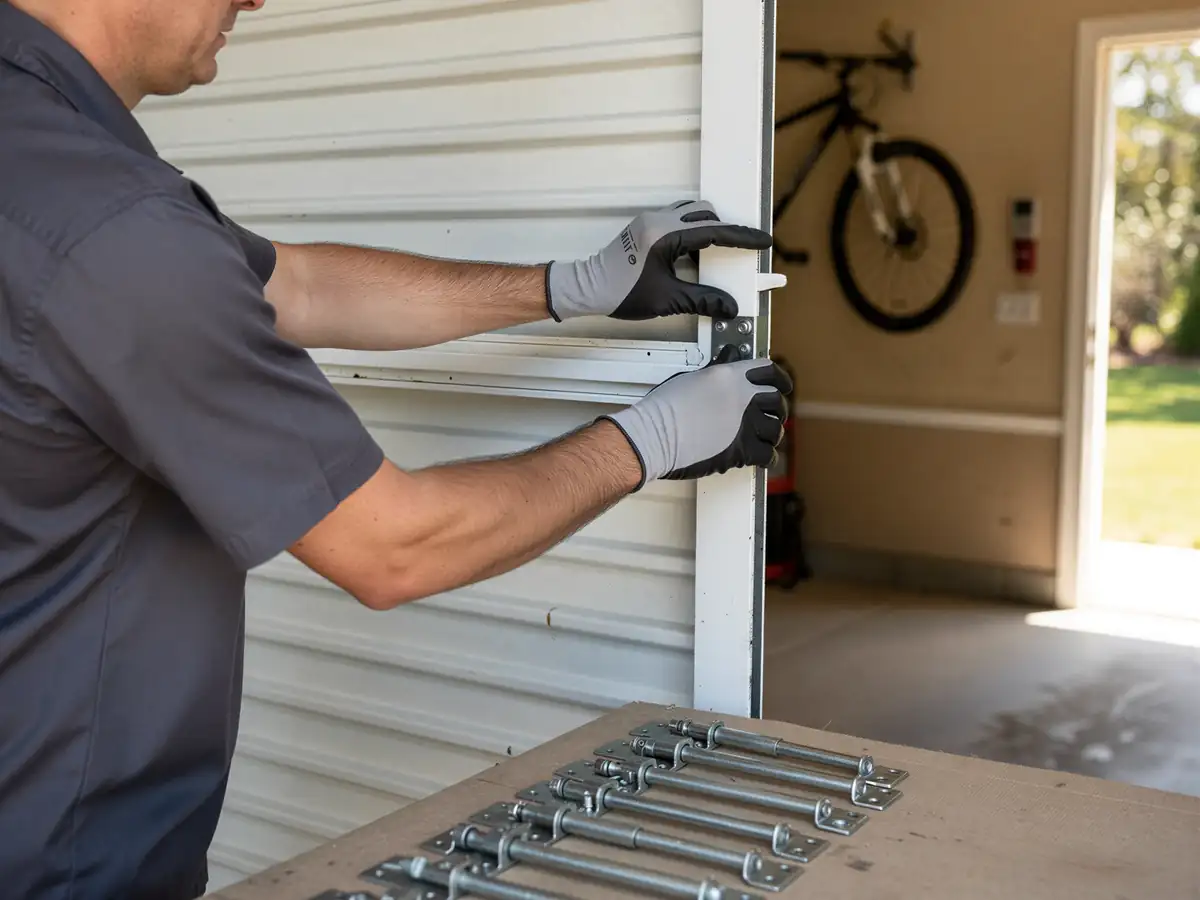
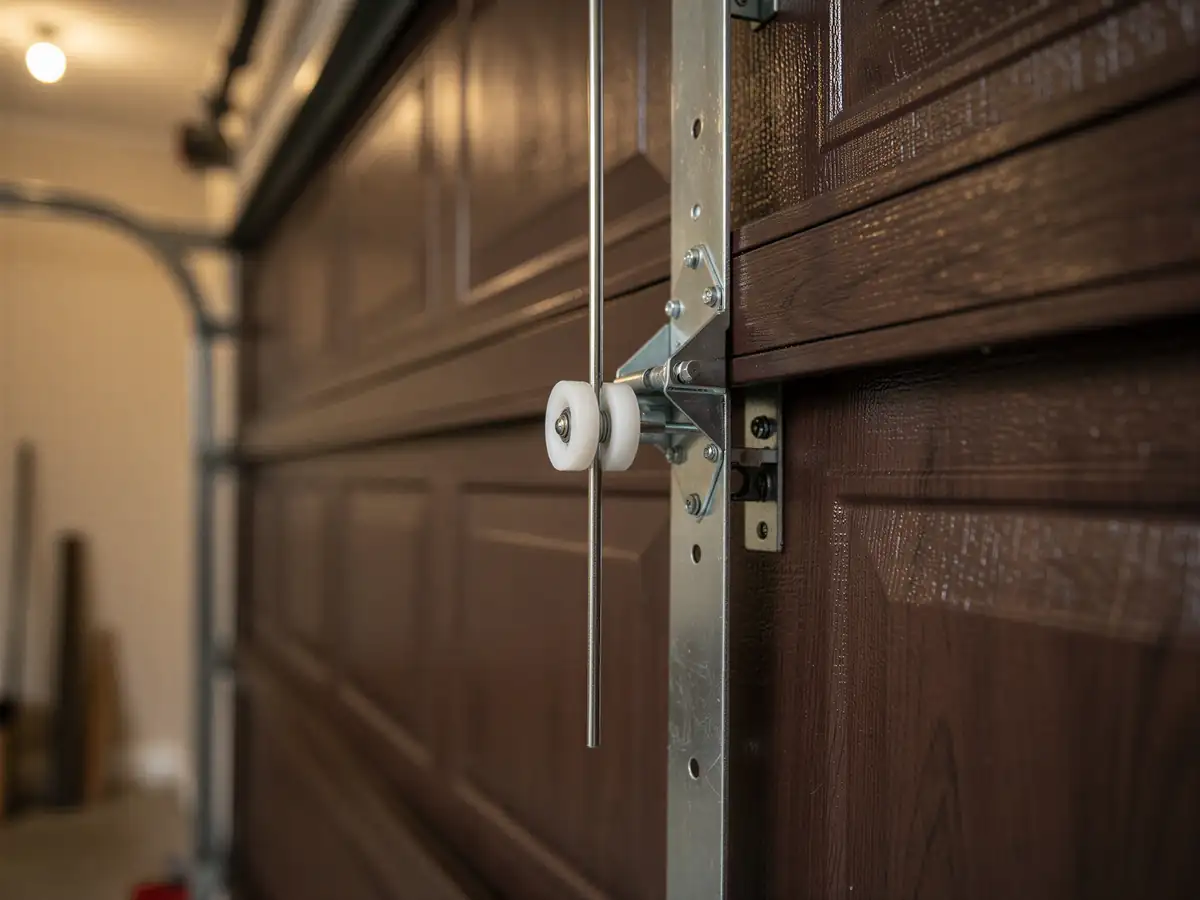
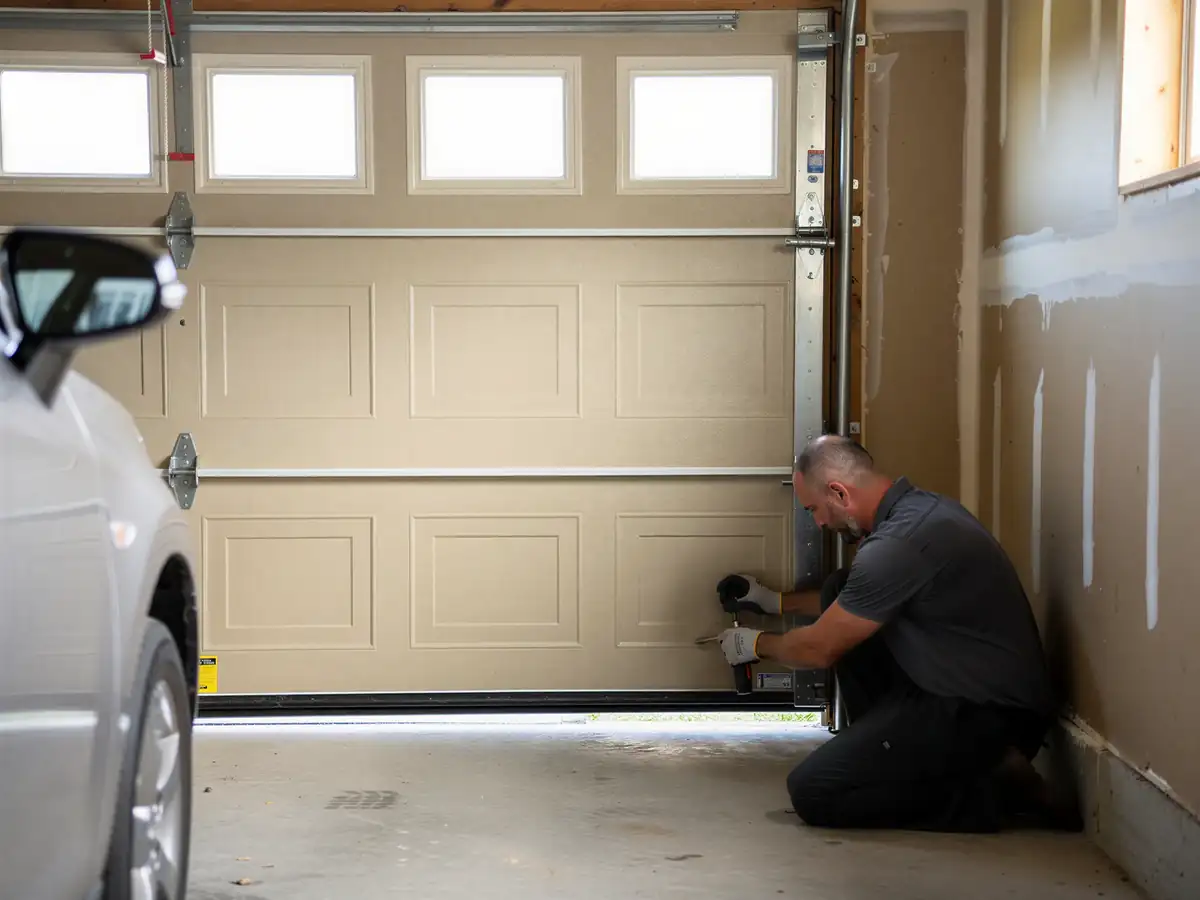
We diagnose before we touch anything - a door that won't lift and a door that lifts crooked are not the same repair, even if both look like "the opener is broken" to the homeowner. For torsion spring failures, we match the spring to the door weight and cycle count rather than grabbing whatever's closest on the truck. For track and roller problems, we check the jamb and header for square first, because a door can look fine and still bind if the frame has shifted over the decades. Opener issues get tested at the circuit board and the sensor eyes before we touch the motor - half the "dead opener" calls we run are a misaligned photo-eye, not a burned-out unit. We don't replace a whole door when a panel or a hinge will do, and we'll say so even when a full replacement would be the bigger invoice.
What Causes It Around Here
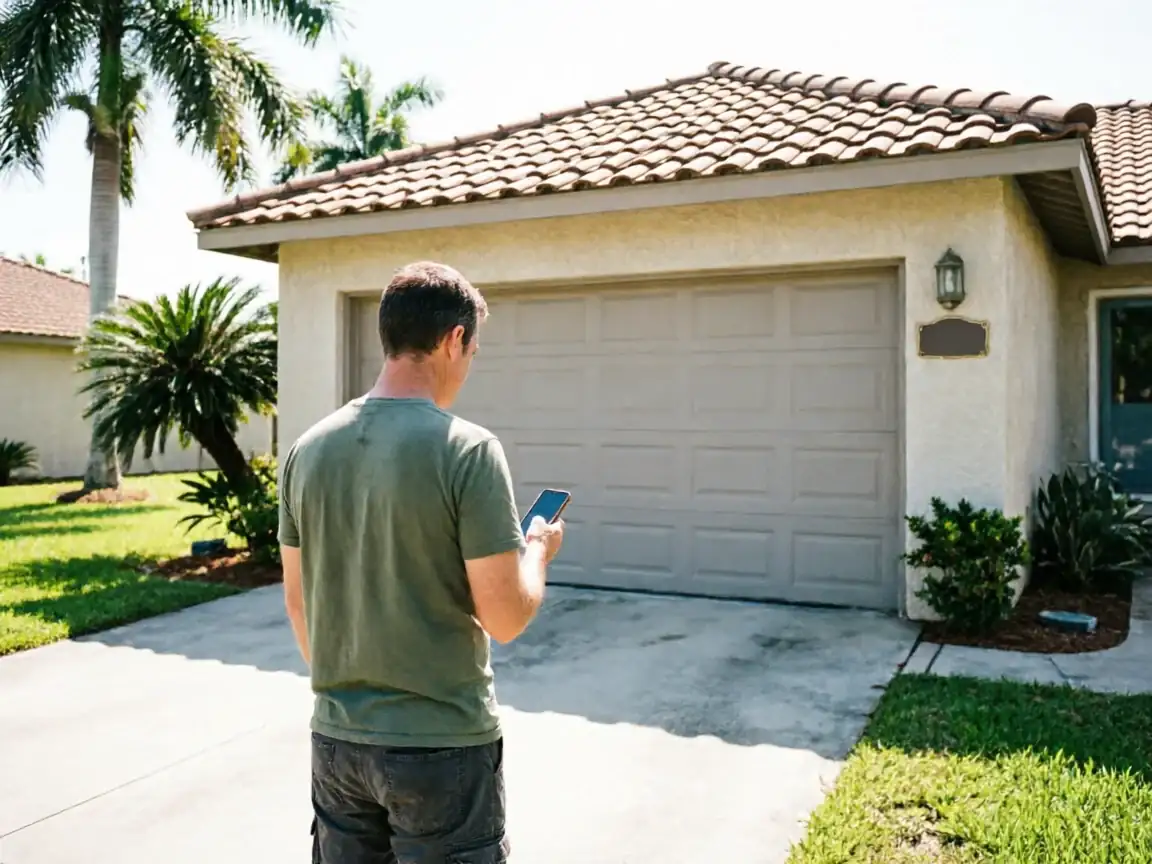
Houses in this part of the county were mostly built in the 1960s and 70s, and Palm Springs itself sits right at that median - 1978. That means a lot of original hardware still in service: torsion springs rated for a door weight and cycle life that ran out years ago, and openers that predate the safety-reversal sensors required on newer units. The mild, temperate climate here is kinder to wood and metal than a harsher region would be, but it's not nothing - humidity and salt-tinged air still work on spring coatings and cable strands over fifty years, and galvanized hardware from that era wasn't built for a five-decade service life. We see more fatigue failures than storm damage in this town: a spring that's done its last cycle, not a door that got hit by weather.
The DIY Question
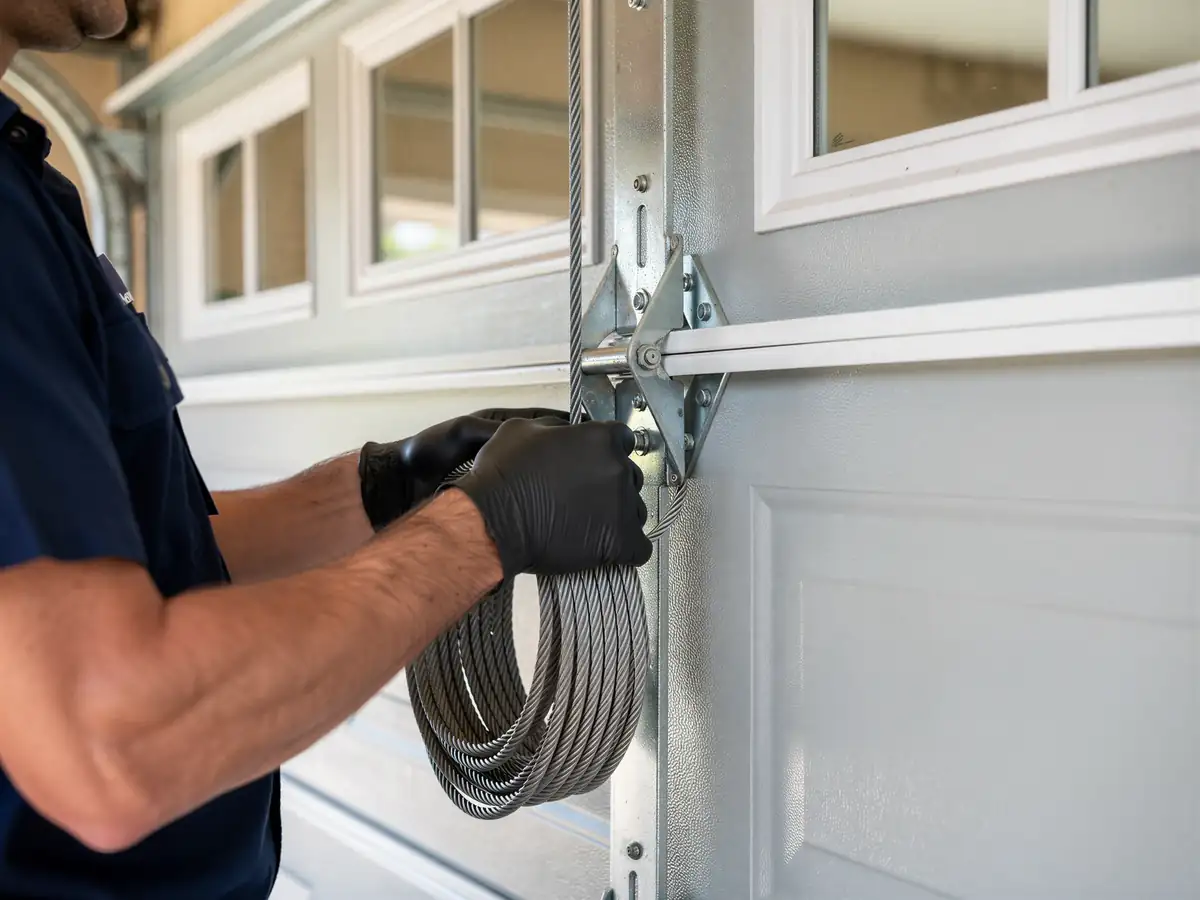
A torsion spring under tension can break a hand or worse, and that doesn't change because the house is in Palm Springs instead of anywhere else - but the age of the hardware here raises the stakes. A door installed around 1978 likely has springs and cables original to a different set of safety standards than what's sold today, and swapping one without knowing the door's exact weight and wind load is a bad bet. Things you can reasonably check yourself: the photo-eye sensors for dirt or misalignment, the weatherstripping along the bottom panel, loose bolts on the track brackets. Springs, cables, and anything involving the torsion bar - leave those to a call. We'd rather talk you out of a $20 part swap gone wrong than bill you for the aftermath.