The Complications
Palm Beach is a small town by household count
About 5,452 of them, packed into a narrow strip of land. That size matters for roller work because it means less variety than you'd find in a sprawling service area: most of the doors we open here were installed around the same stretch of years, on the same handful of track widths and roller styles builders used when the town filled in. We're not guessing at six different eras of hardware on six different streets. We're usually looking at the same roller problem with small variations from house to house.
The complication isn't variety, it's access
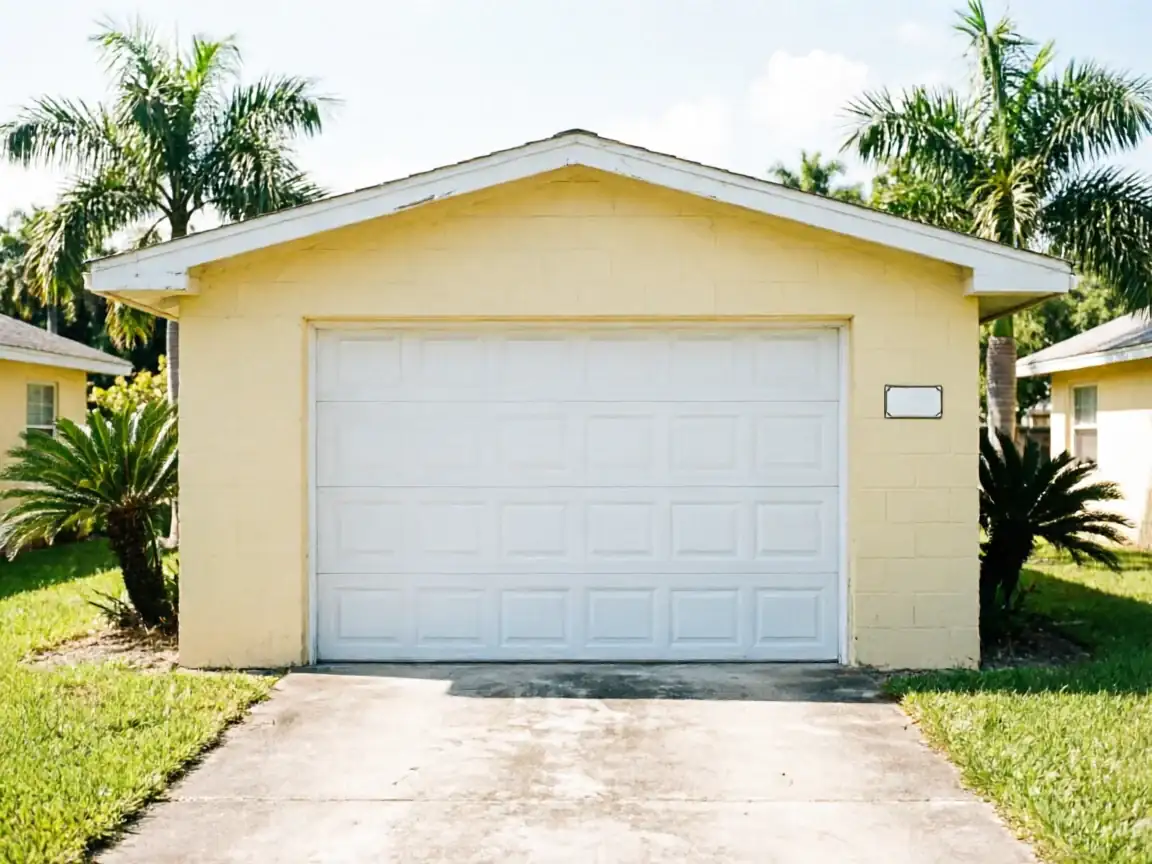
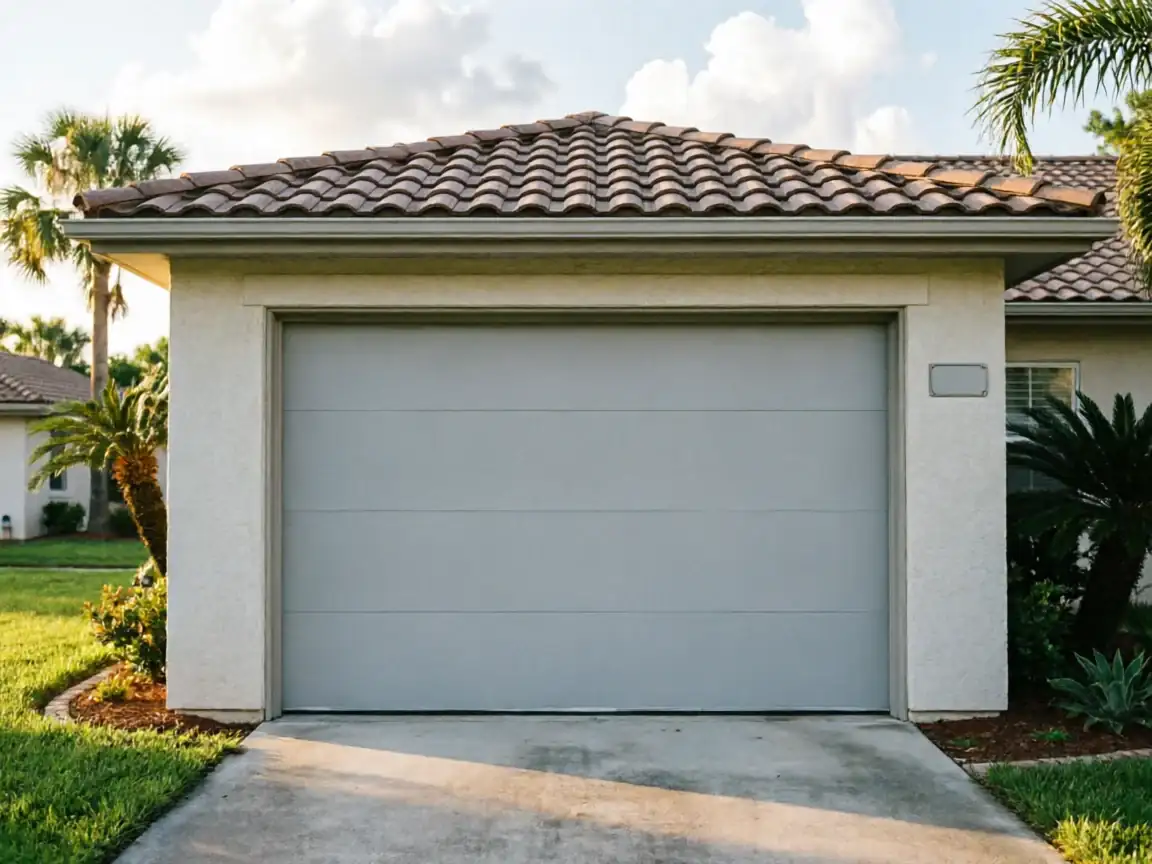
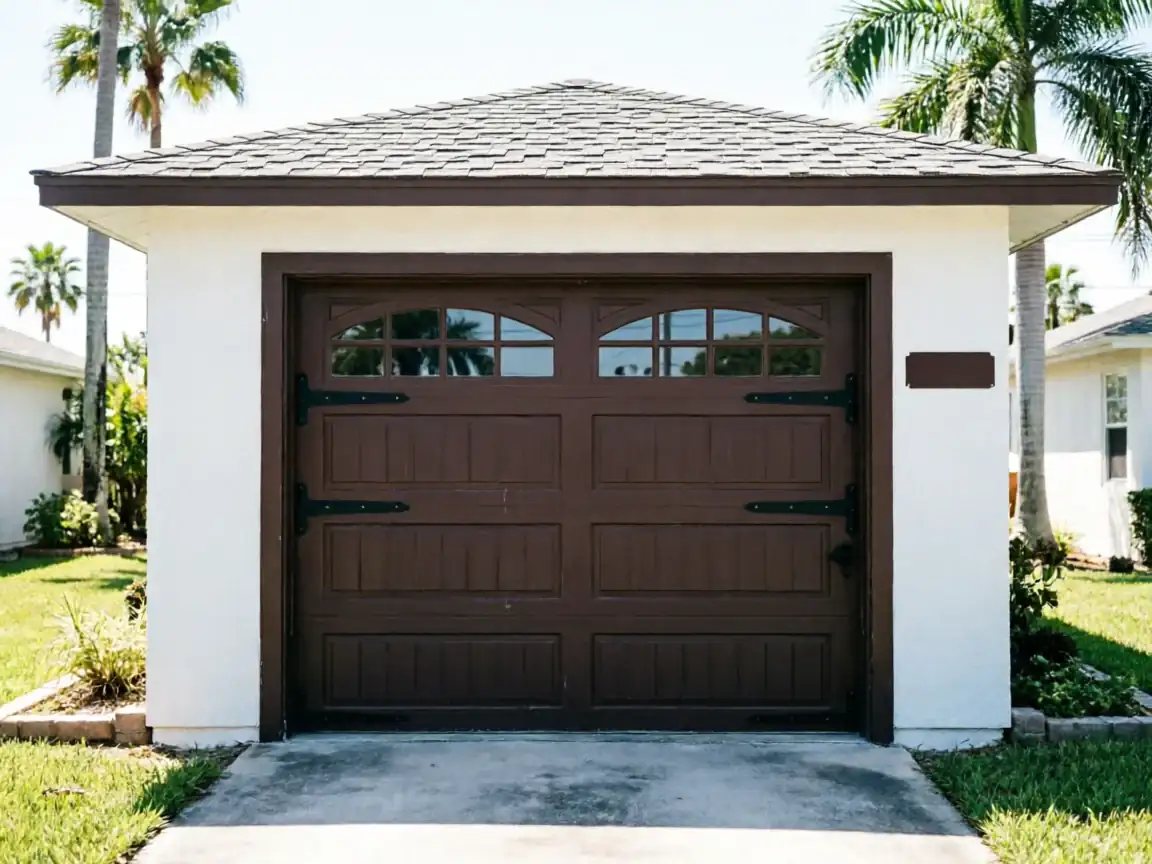
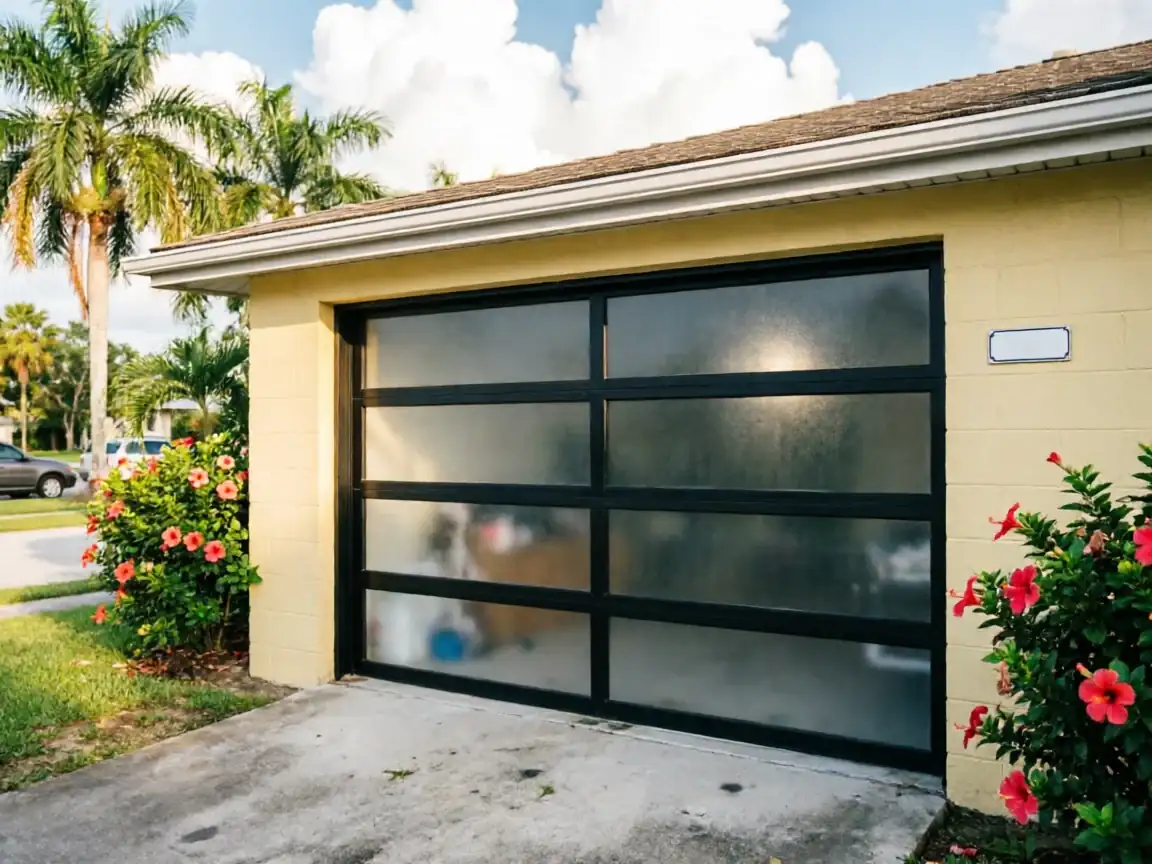
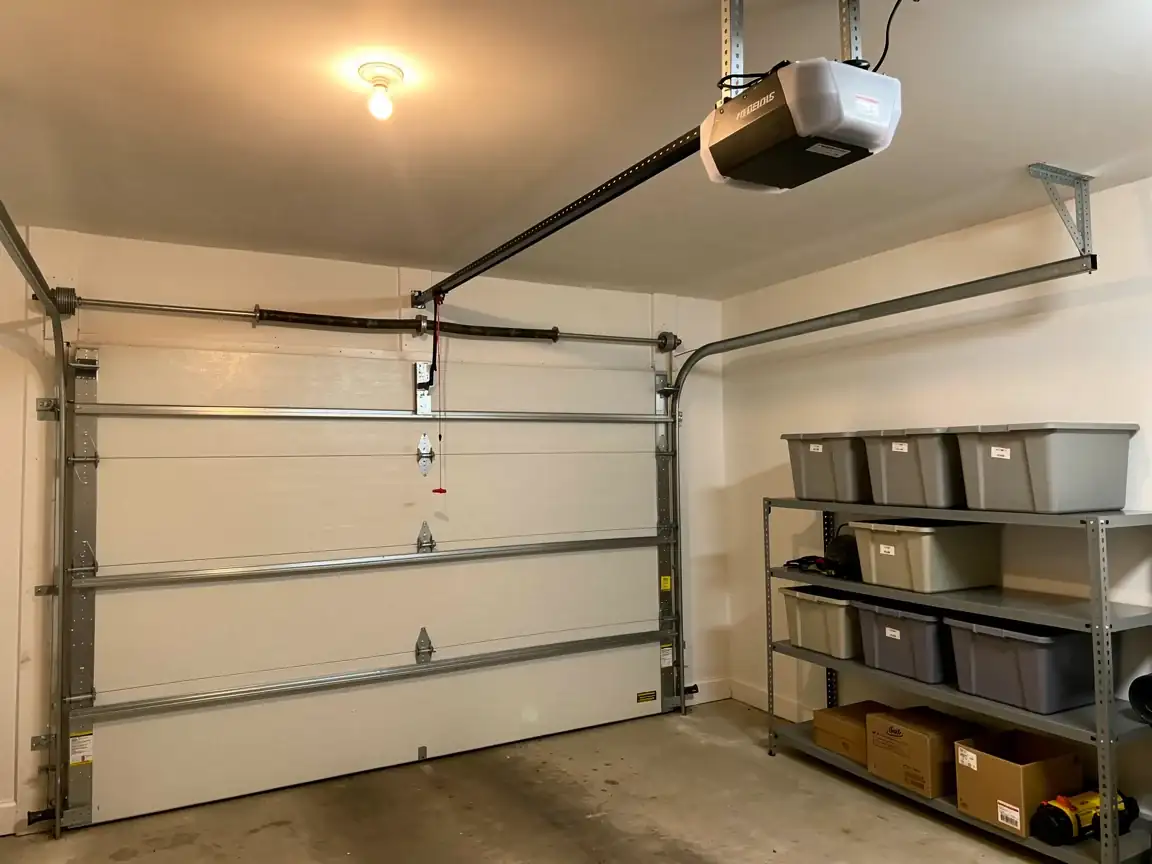
A lot of these homes sit close together, garages tucked against property lines, and some tracks were hung with less clearance than a 2x4-stud-bay modern install would give us. Swapping a roller on a door like that takes more care with the track alignment than it would on a wide-open garage with room to swing a ladder. We also see steel rollers that were never upgraded to nylon, which means more noise and more wear on the track itself by the time someone calls.
What Causes It Around Here
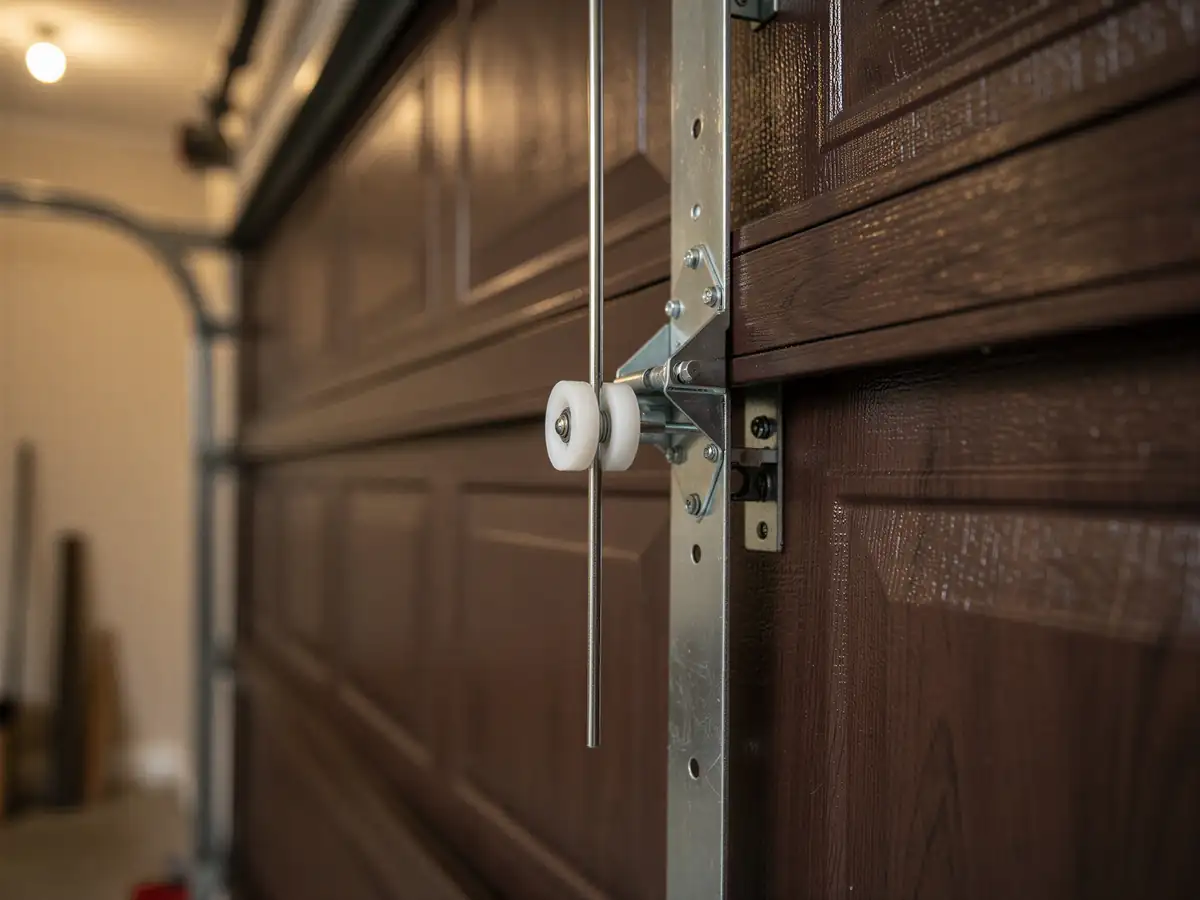
Most garage doors in Palm Beach went up around 1971, which puts the rollers at the end of their practical life whether or not anyone's replaced them since. Steel rollers from that era ride directly on the track with minimal cushioning, so decades of opening and closing wear a groove into both the roller and the track flange. Once that groove deepens, the door starts binding instead of rolling.
The climate here is mild temperate, not the extreme heat-and-freeze cycle that kills rubber and plastic parts fast elsewhere. That actually works in this town's favor - the rollers that fail here usually fail from age and use, not from the material degrading in a hard freeze. What we see more often is corrosion on the roller stem or axle, a slower process but still eventually enough to let a roller seize in its track and strip the opener's drive rather than wear through cleanly.
The Cost of This Job
We don't have a fixed roller-replacement price published for Palm Beach specifically, and we won't make one up here. What we can tell you is that this is a small, bounded job - rollers, not springs or panels - and the price moves mainly with roller count (6 to 10 per door, typically) and whether you want steel or nylon on the new set. Nylon costs more per roller but runs quieter and doesn't need the lubrication steel does.
Palm Beach's median household income runs well above the surrounding area, and we mention that only because it changes the conversation some homeowners have with us: more of them ask for the nylon upgrade and the sealed-bearing option rather than the cheapest steel replacement. That's a homeowner choice, not something we push. A full roller set replacement is one of the lower-cost repairs we do - far less than a spring or opener job - and if your rollers are the only thing wrong, we're not going to talk you into more than that.
How We Fix It
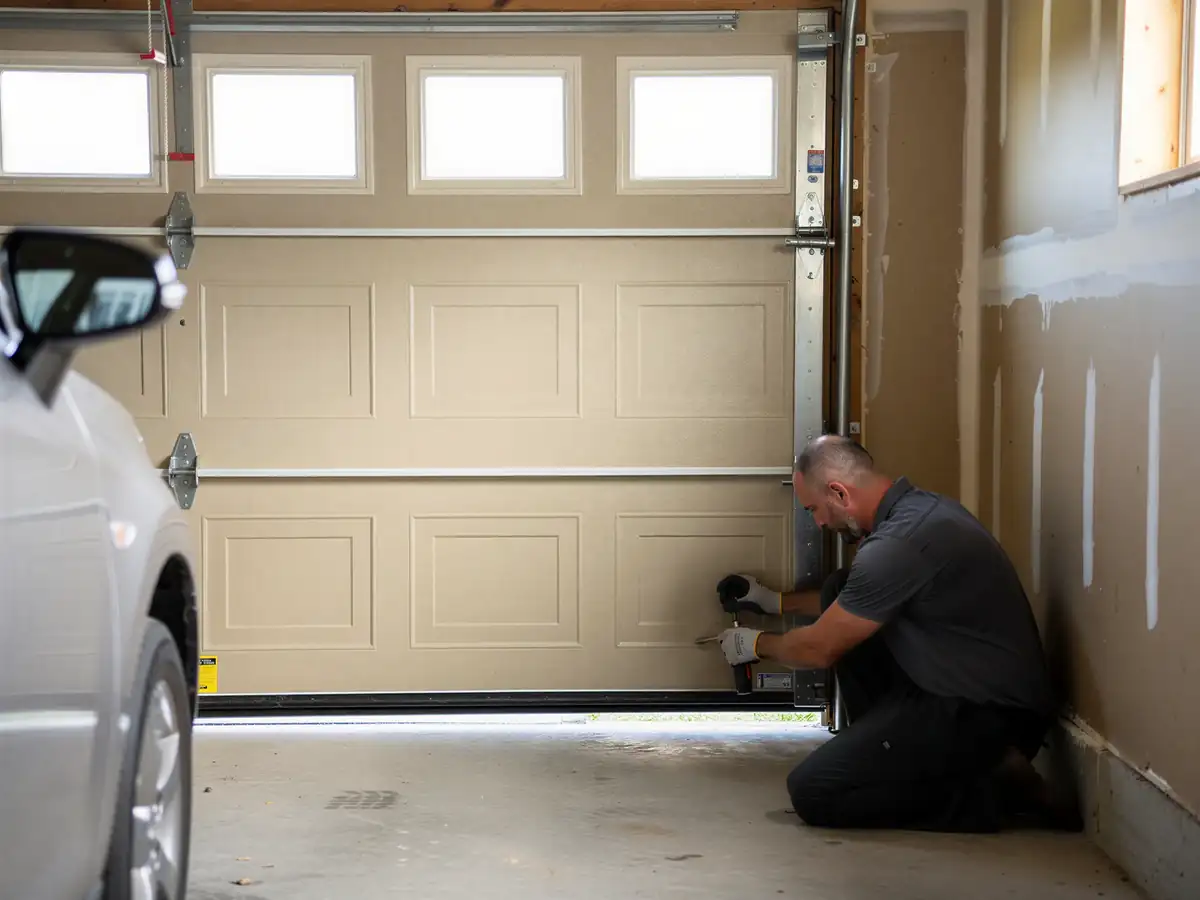
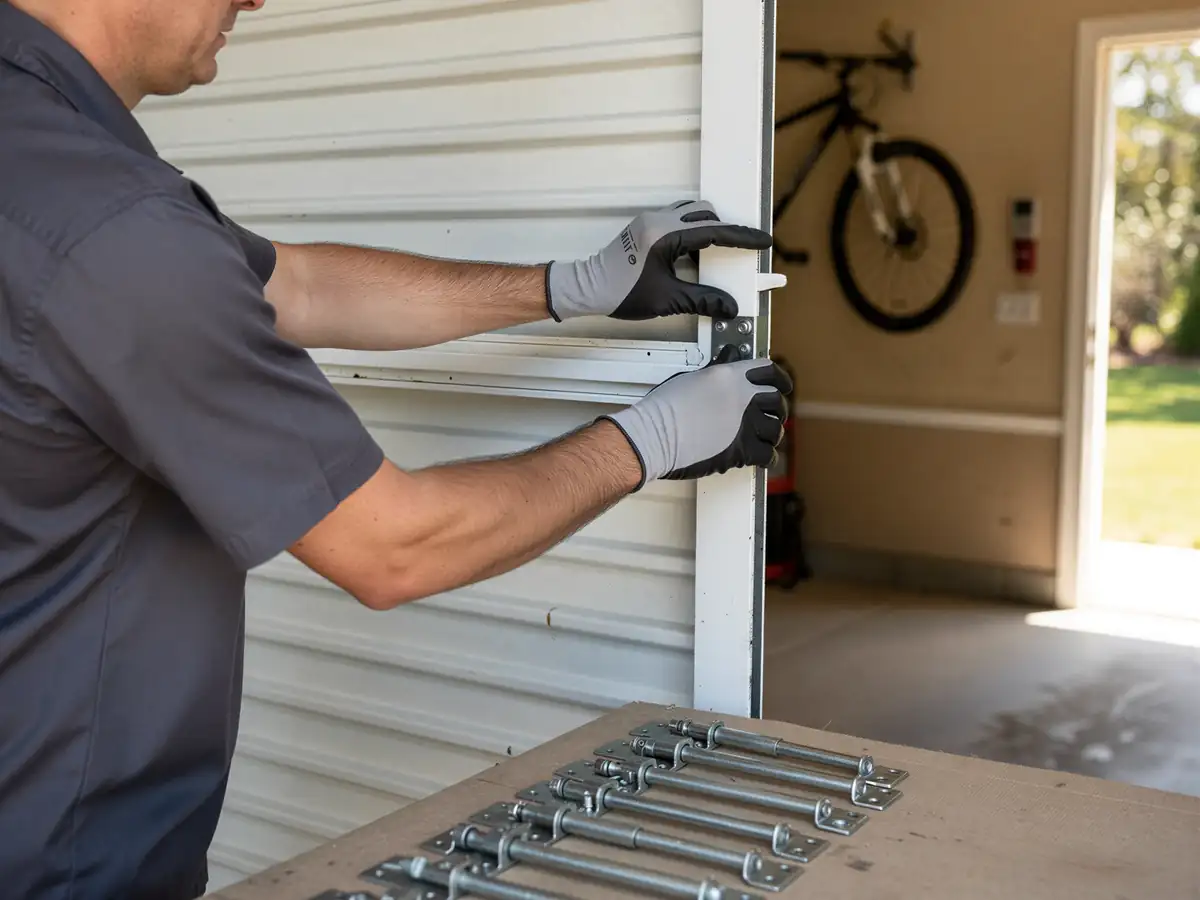
We pull the door, check every roller stem and axle individually rather than assuming they've all worn evenly
And replace the full set rather than mixing new and old - a mismatched roller set wears unevenly and you're back to the same bind within a year. On tracks worn from decades of steel-roller contact, we check the track flange for grooving and straighten or replace sections that have deformed, since a new roller in a damaged track won't fix the noise or the binding.
We travel to Palm Beach from our West Palm Beach location, about six miles away
So we schedule the job rather than drop by on a whim - there's no branch here, just a truck that comes out. Most roller jobs are a same-visit repair once we're on site, parts permitting; nylon rollers with sealed bearings are a common stock item, but if you want a less common axle length or a reinforced bracket to match an older track, that can mean a short wait on the part.
How It Shows Up
The first sign is usually noise - a grinding or popping as the door travels, worse at the top or bottom of the run where the roller hits the curved section of track. On houses built around 1971, we often find the worst wear on the roller closest to the opener's drive point, since that one takes the most direct load every cycle.
After the noise comes the catch: the door hesitates or jerks at one spot in the track every single time, which tells us it's not random debris but a roller that's worn flat on one side. Left alone, a worn roller eventually binds hard enough to stall the opener or pop off the track entirely, which turns a small roller job into an emergency track repair. If you're hearing a new grind that wasn't there a few months ago, that's the window to call before it becomes the bigger job.