The Complications
Across the wider service area the housing stock runs from 1965 to 2021
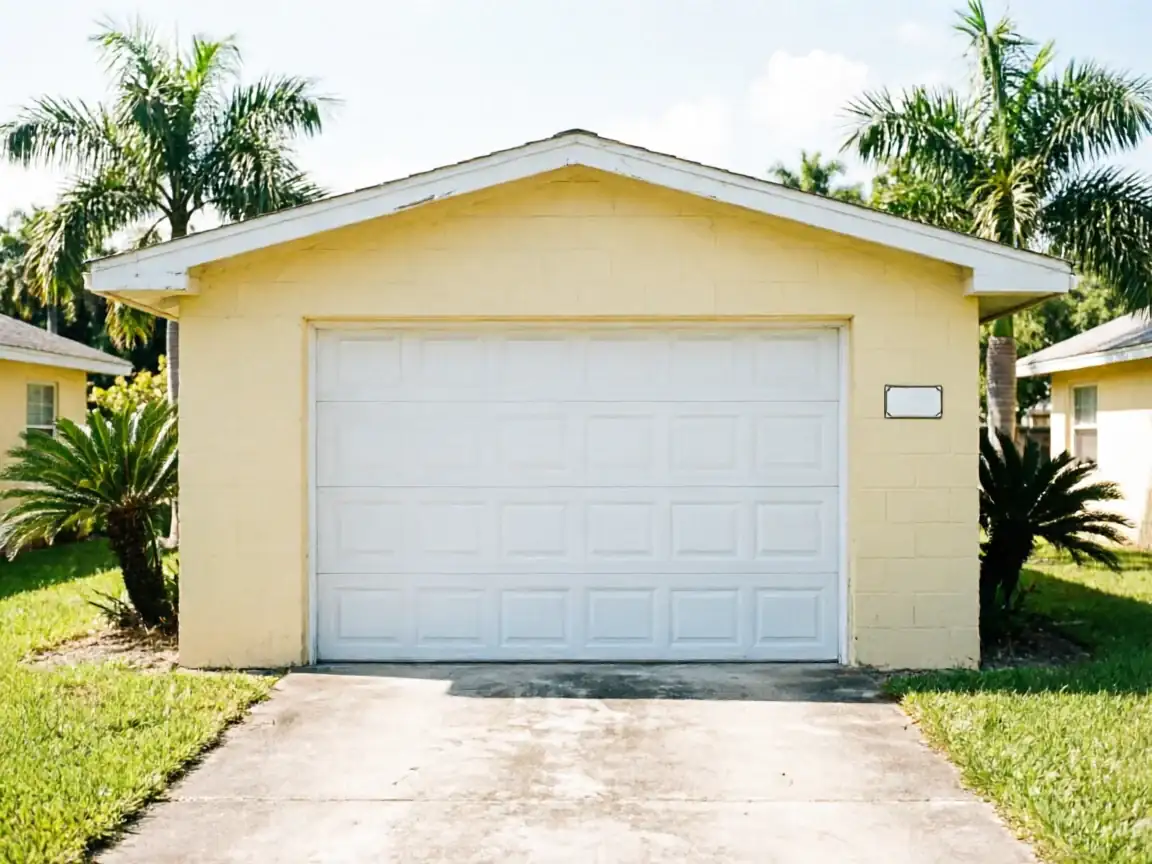
With a median build year of 1978. Palm Beach sits on the older side of that line, with a median build year of 1971. Seven years doesn't sound like much until you're standing in front of the opener. A door installed in 1971 was very likely matched to hardware that nobody has made in decades, and a repair that's routine on a 1990s door can mean sourcing a part that isn't on the shelf.
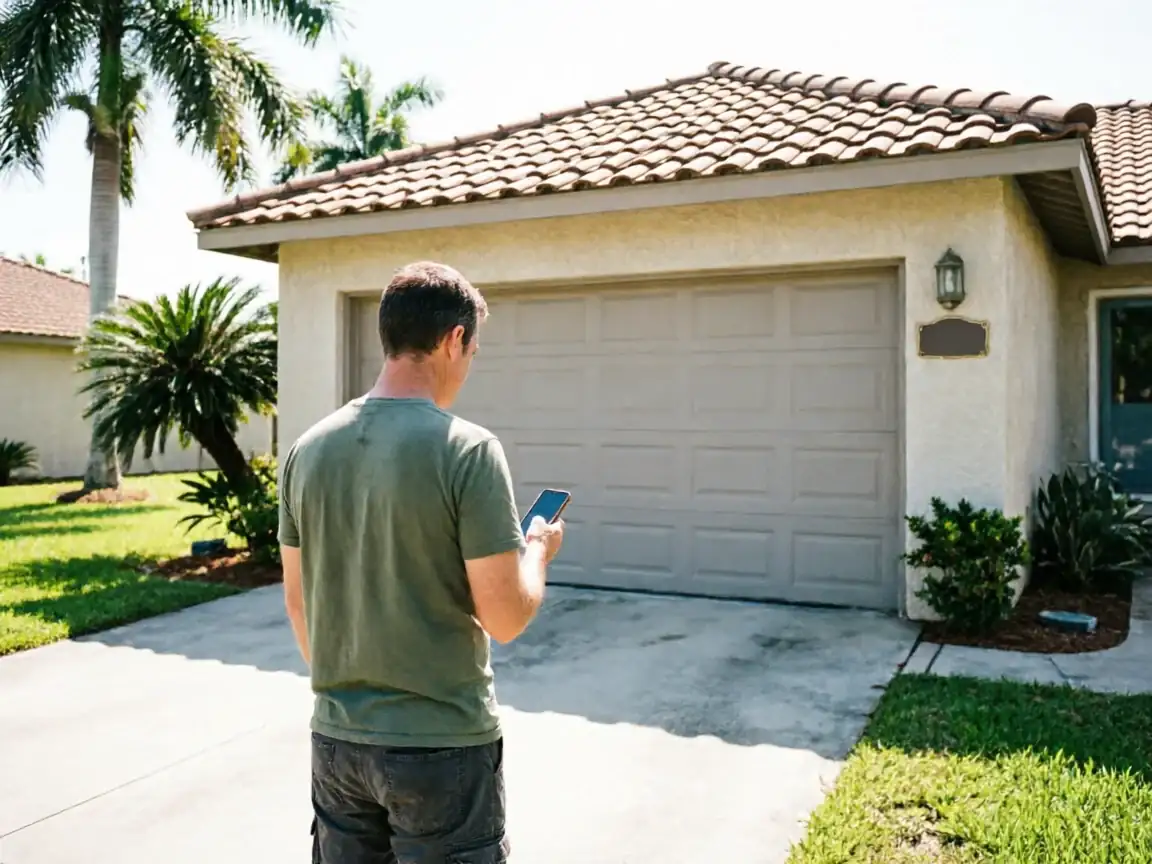
The other complication is that we're coming from West Palm Beach, about six miles out
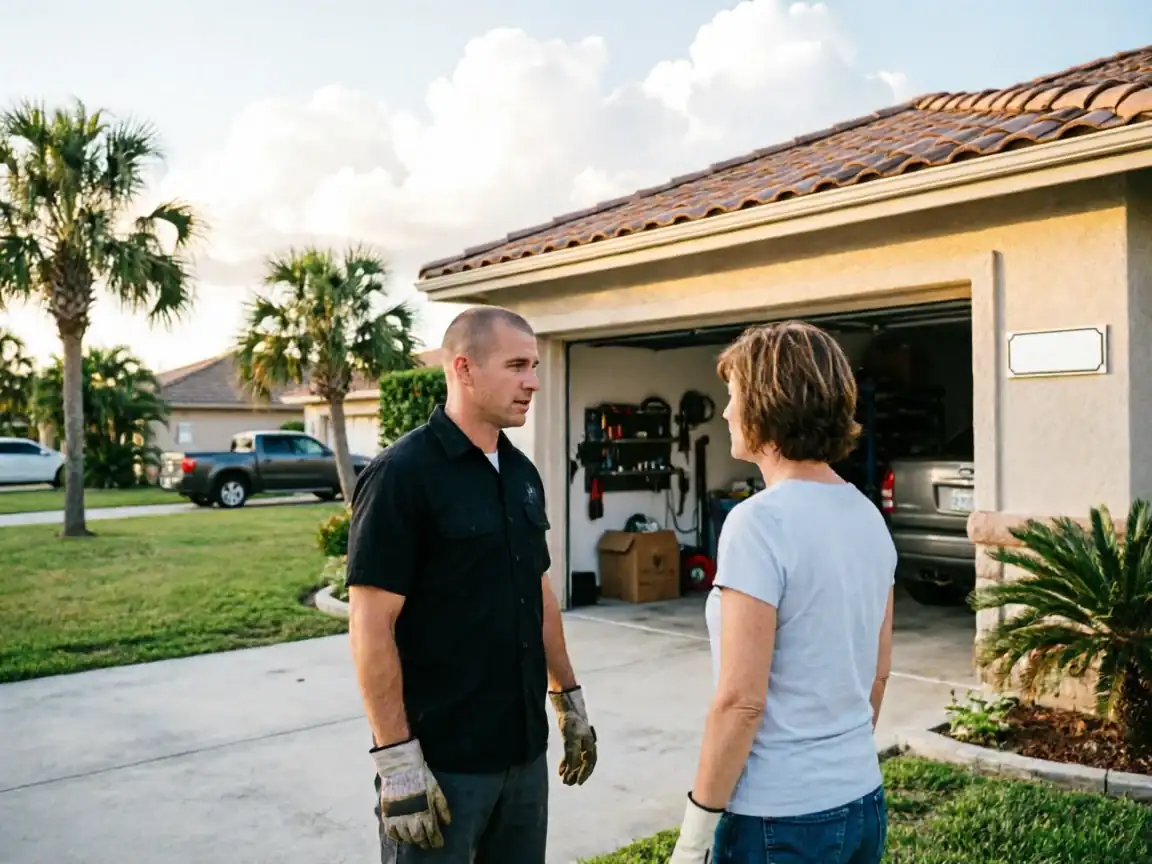
We don't keep a depot on the island, so if a job needs a part we don't carry on the truck, there's a trip back before we can finish. We'll tell you that up front rather than promise a same-visit fix we can't guarantee.
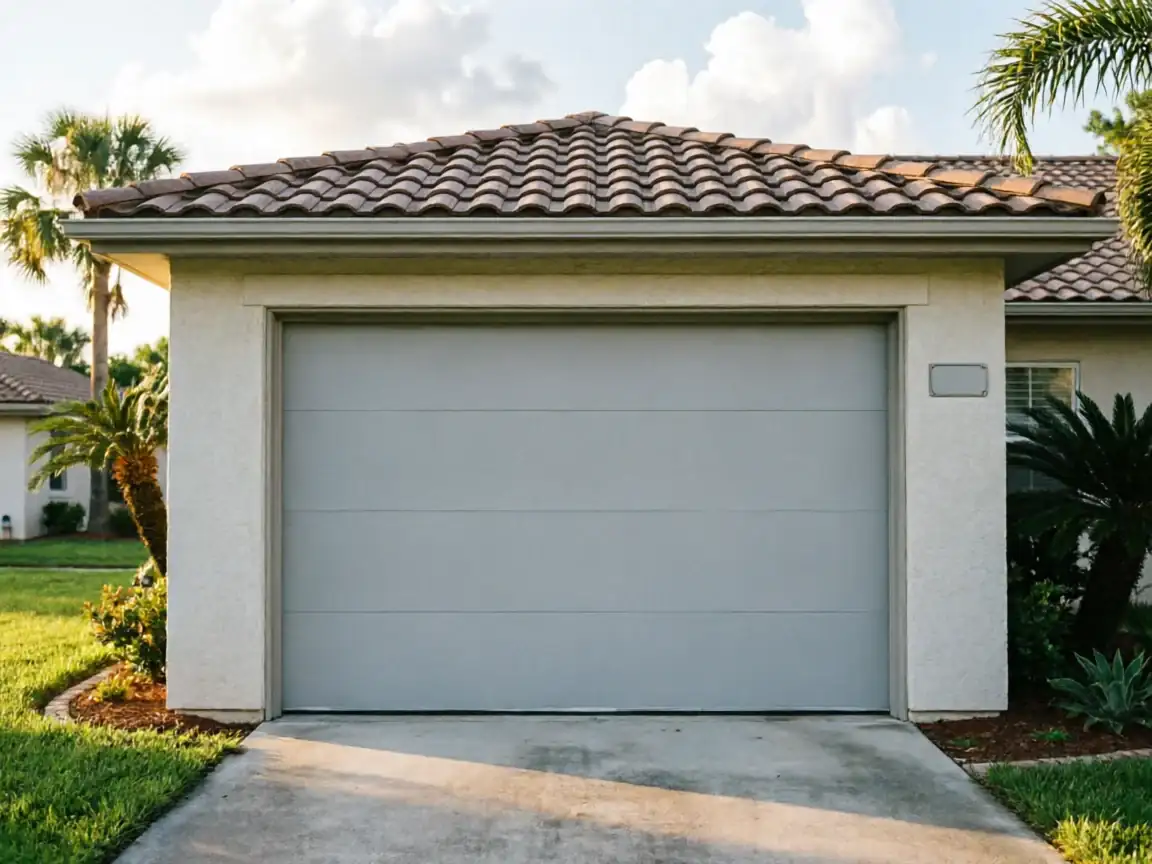
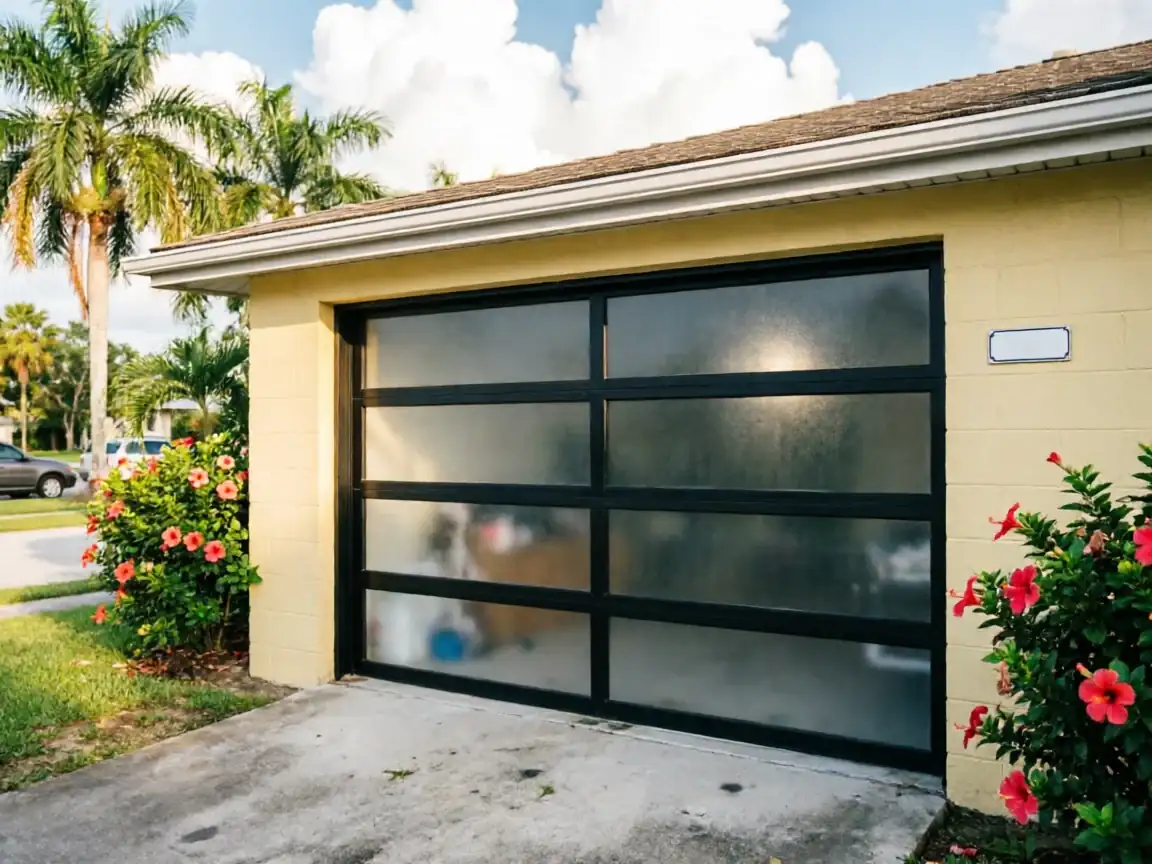
With a median household income of $175,078 locally, a good number of the doors we see are higher-spec units
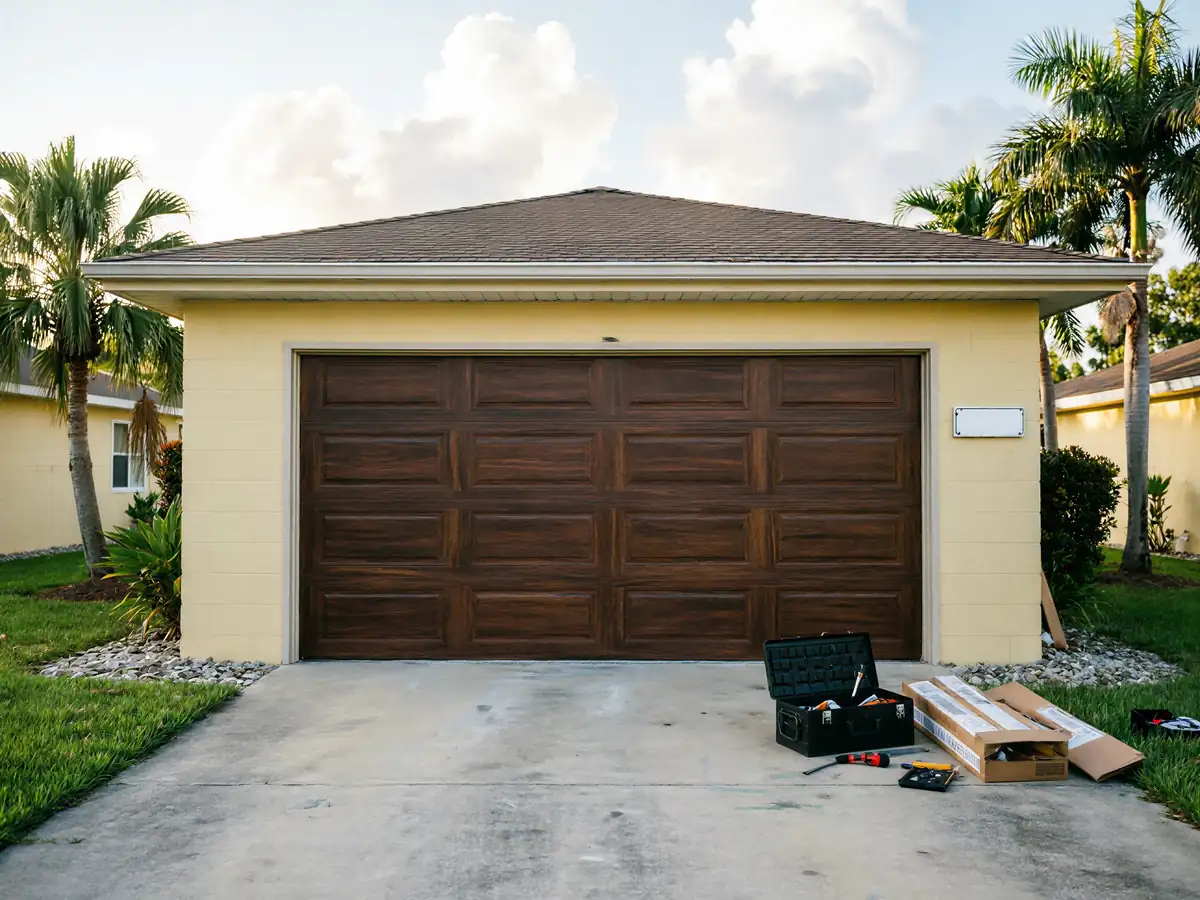
Insulated panels, heavier gauge steel, sometimes custom sizing for wider openings. That's worth knowing before you get a repair quote, because the part itself can cost more than the labor to put it in.
- $175,078 median household income
What Causes It Around Here
The service area sits in a mild temperate climate band, which spares Palm Beach the freeze-thaw cycles that crack hardware up north. What it doesn't spare you is salt-laden, humid air working on metal year-round. On a door that's been hanging since somewhere around 1971, that's fifty-plus years of slow corrosion on springs, hinges, and track bolts that were never built to be stainless.
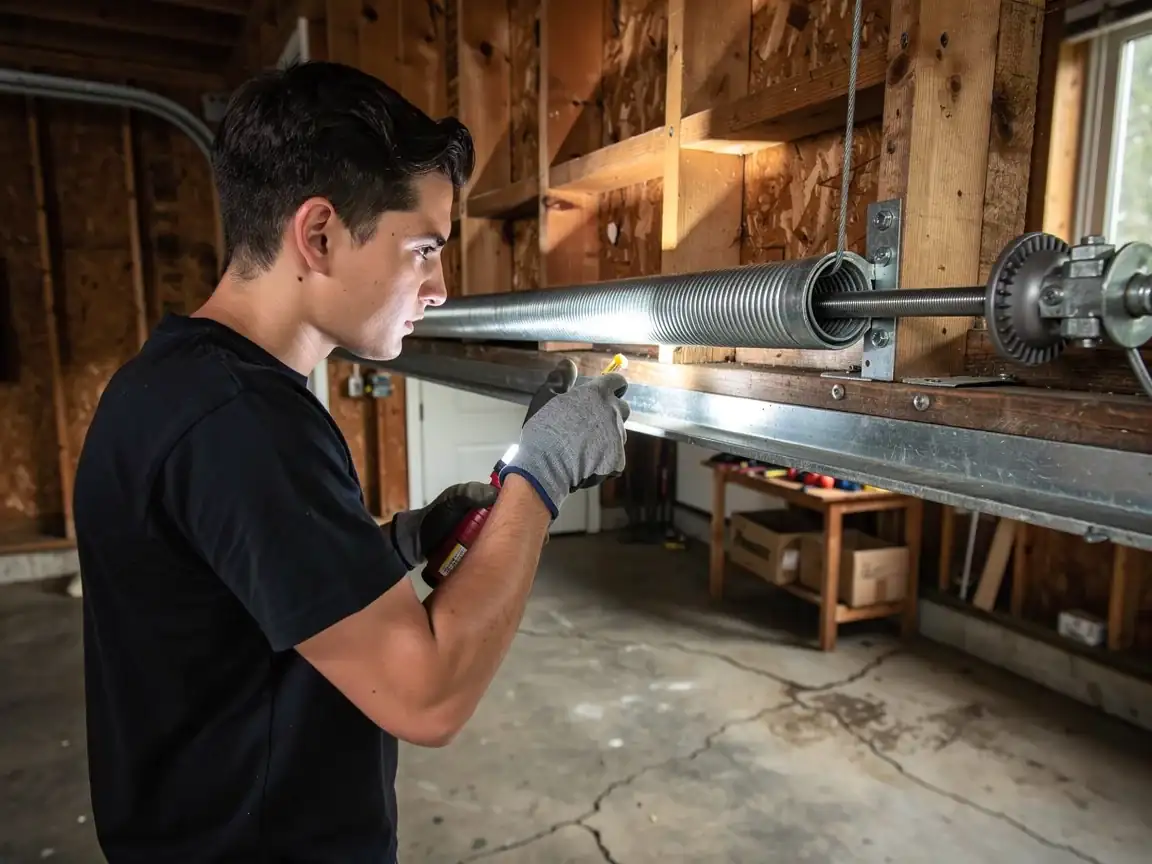
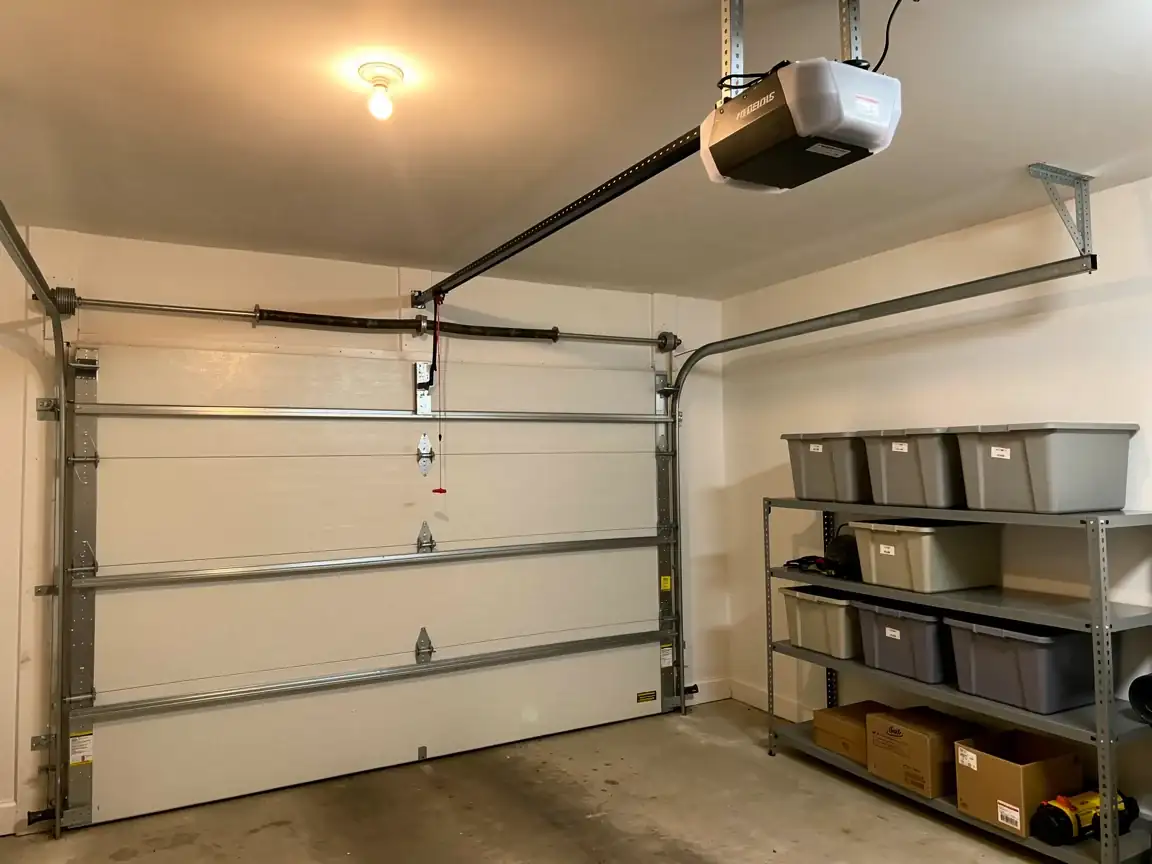
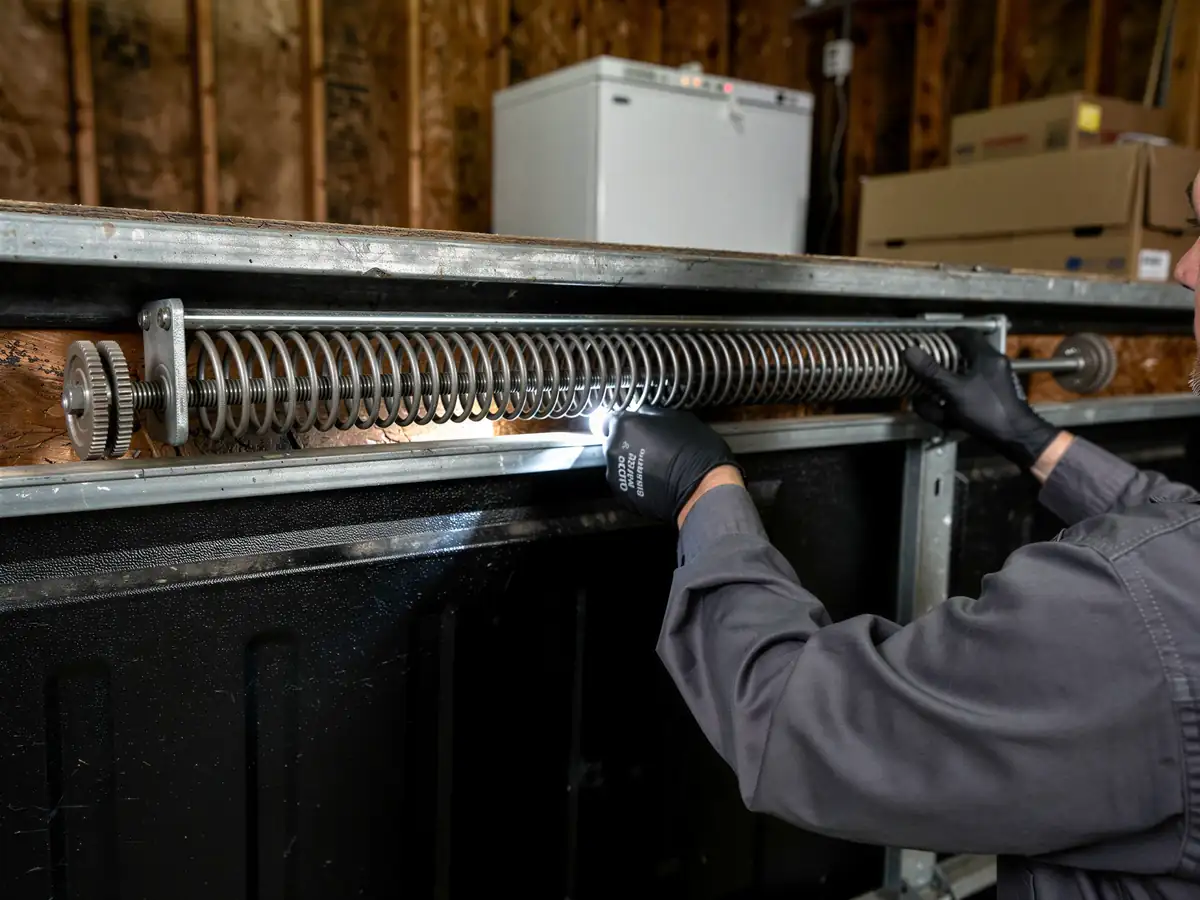
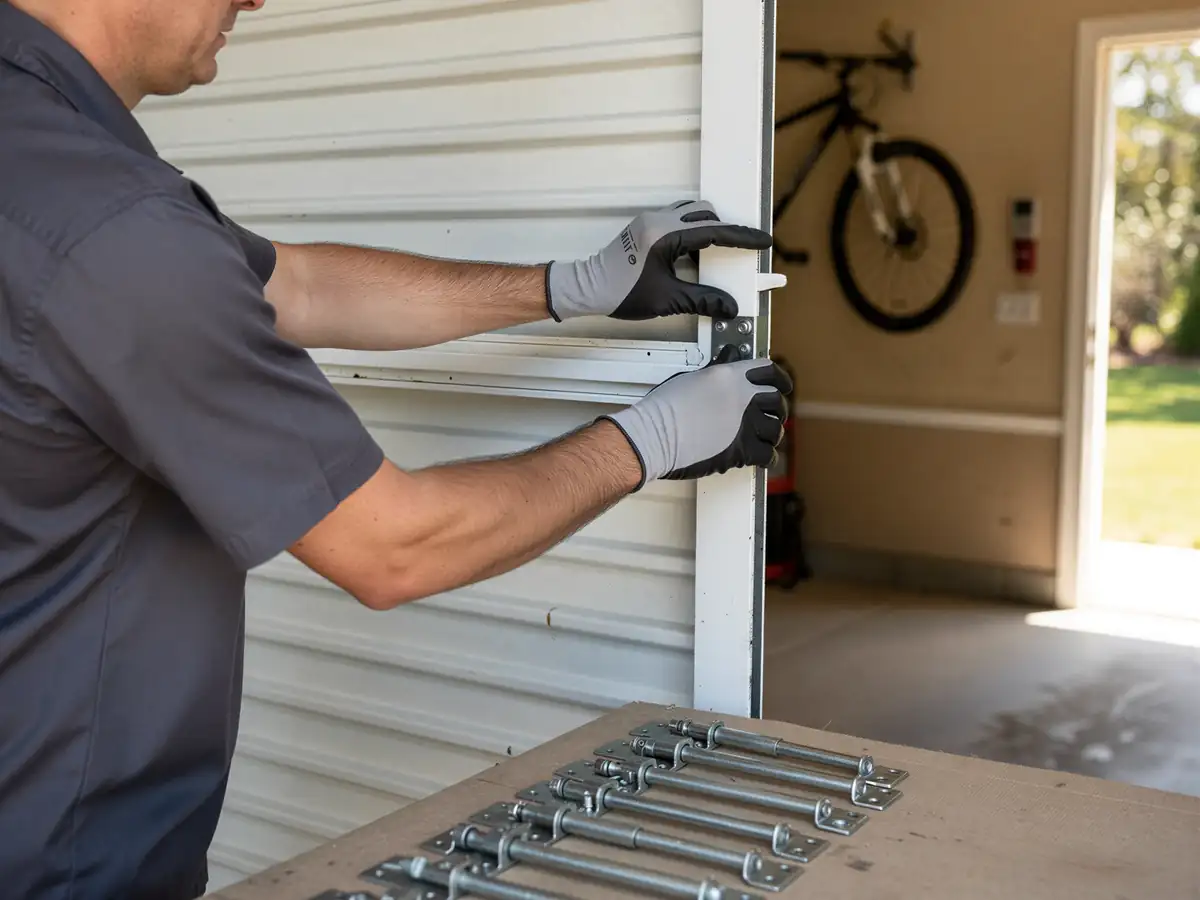
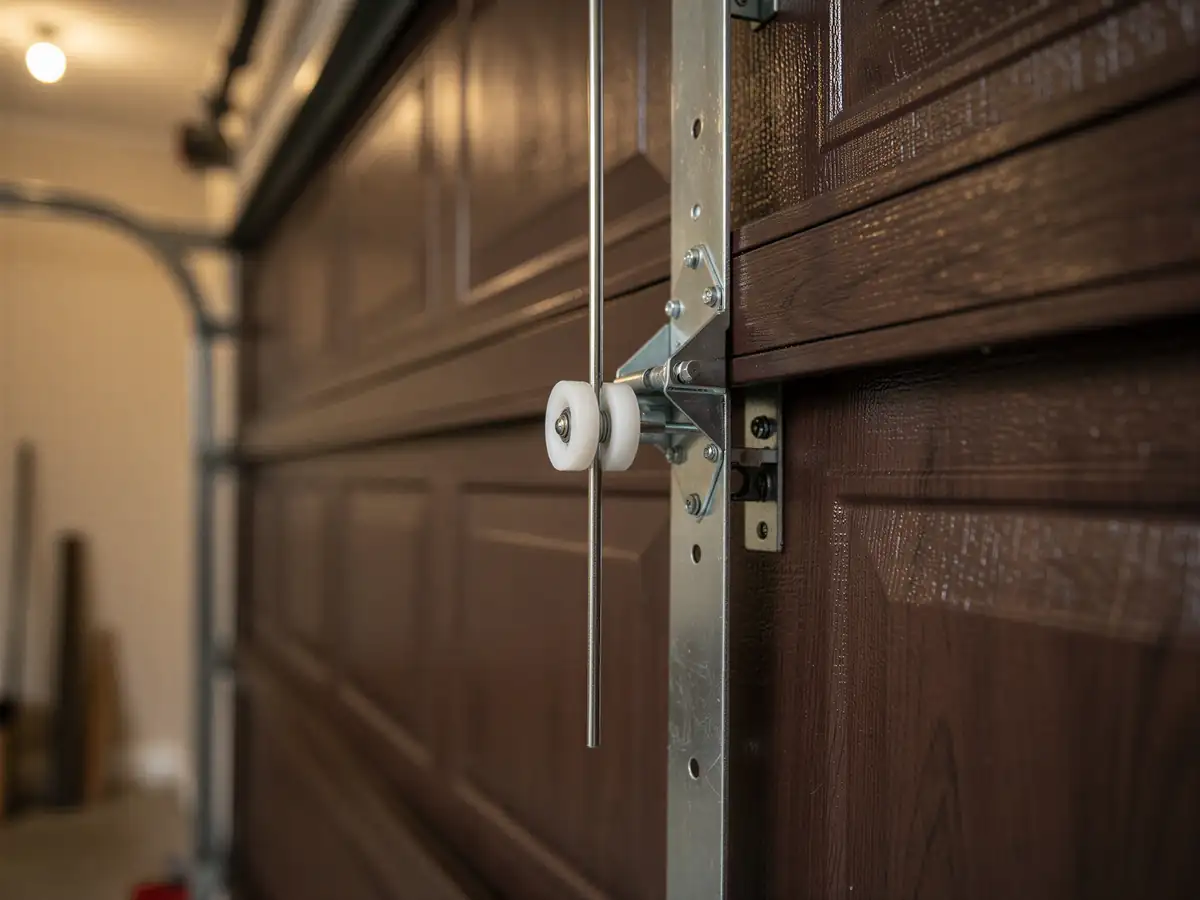
We see galvanized torsion springs that have lost their coating and started rusting from the inside of the coil out - that's the kind of spring that doesn't squeak a warning, it just lets go. We see steel rollers seized in their stems and hinges that have spread at the pivot point from years of humidity swelling the surrounding wood jamb.
Newer openers in the area generally hold up fine against the climate; it's the original mechanical hardware from the build era that takes the hit. If your door is older and still running on its first spring set, that's not a maintenance oversight on your part - it's just overdue.
The Cost of This Job
We're not going to put a number here that isn't backed by a fact sheet, because a price quoted for one door says nothing about the next. What we can tell you is what drives the cost on a Palm Beach job specifically: age of the hardware and spec of the door.
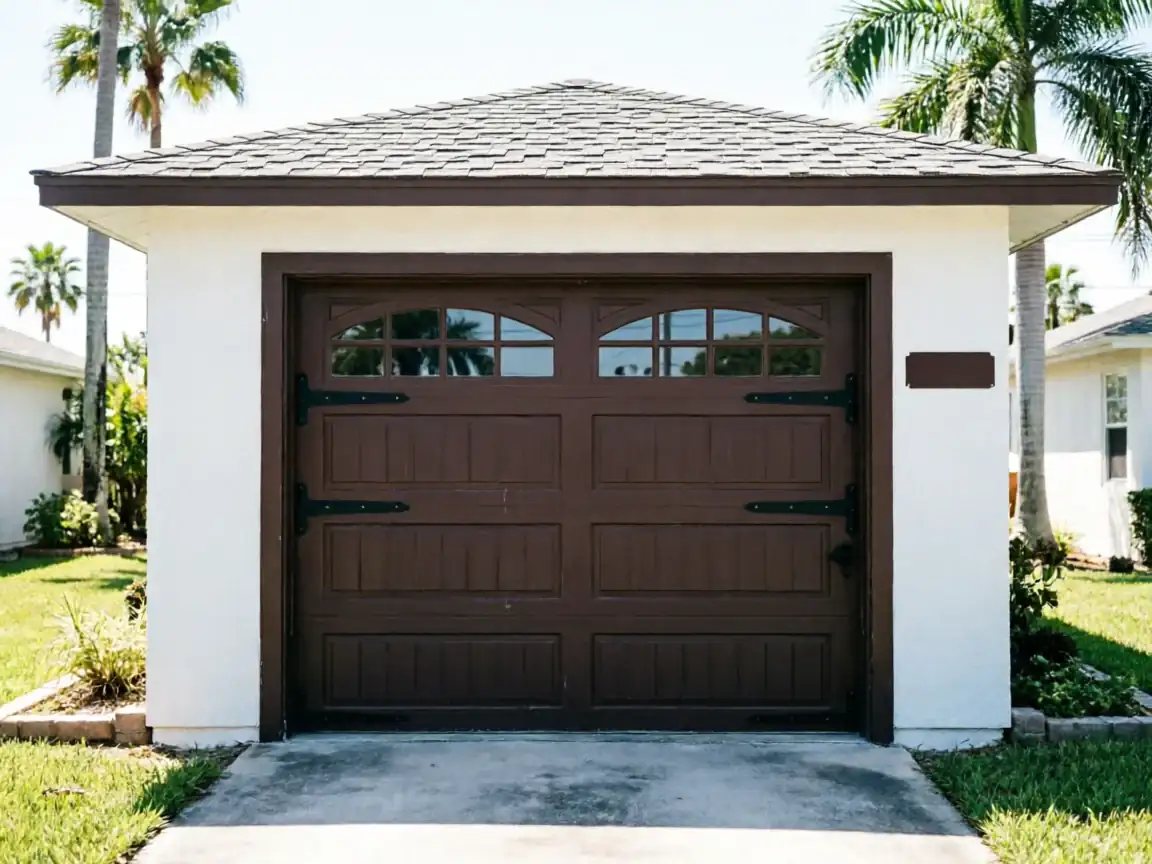
A standard torsion spring swap on a door that matches common sizing is a different job than sourcing a spring for an oversized or custom opening, which is more common here given the income level and the home sizes that come with it. Parts for older or custom doors sometimes take longer to get, and that lead time is the honest limitation we mentioned - we'd rather tell you a part is two days out than guess and be wrong.
We price the job after we've looked at the door, not before, because a 1971-era one-piece conversion and a modern sectional door with a failed cable are not the same repair even if the symptom looks identical from the driveway.
How We Fix It
First thing on site is figuring out what era of hardware we're actually working on
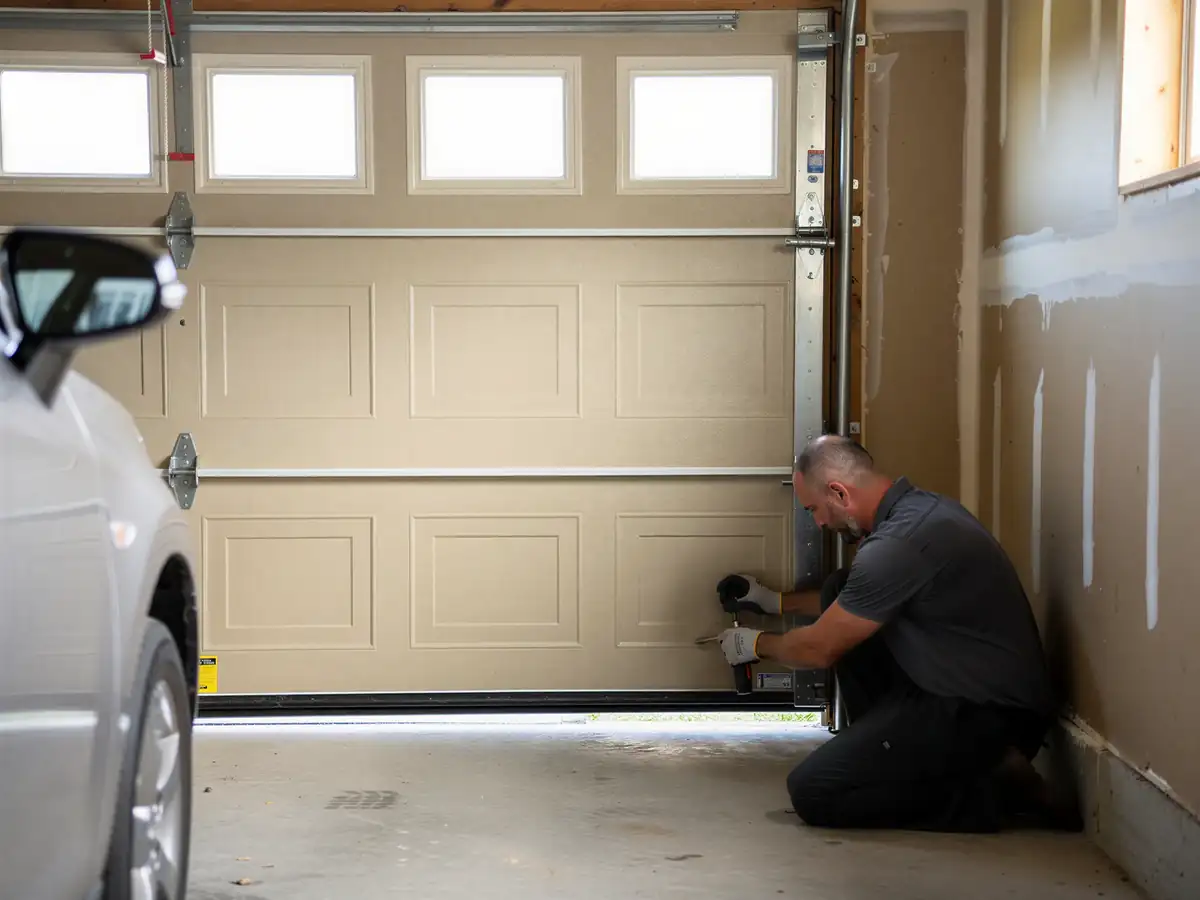
Since that decides what's in the truck versus what we need to go get. For a torsion spring job, that means matching wire size and wind to the original if we're not replacing the whole system - guessing on spring weight is how you end up with a door that slams down or won't stay open.
For openers, we check whether the existing unit is salvageable or whether the housing and gears have degraded past the point where a repair makes sense versus a replacement - on older units that's often the honest call, and we'll say so rather than patch something that'll fail again in six months
Because we're traveling the six miles from West Palm Beach rather than working out of a local branch
We try to diagnose thoroughly on the first call so a second trip isn't needed. If a part has to be ordered, we'll tell you that clearly instead of leaving you guessing about when the door will be fixed.
How It Shows Up
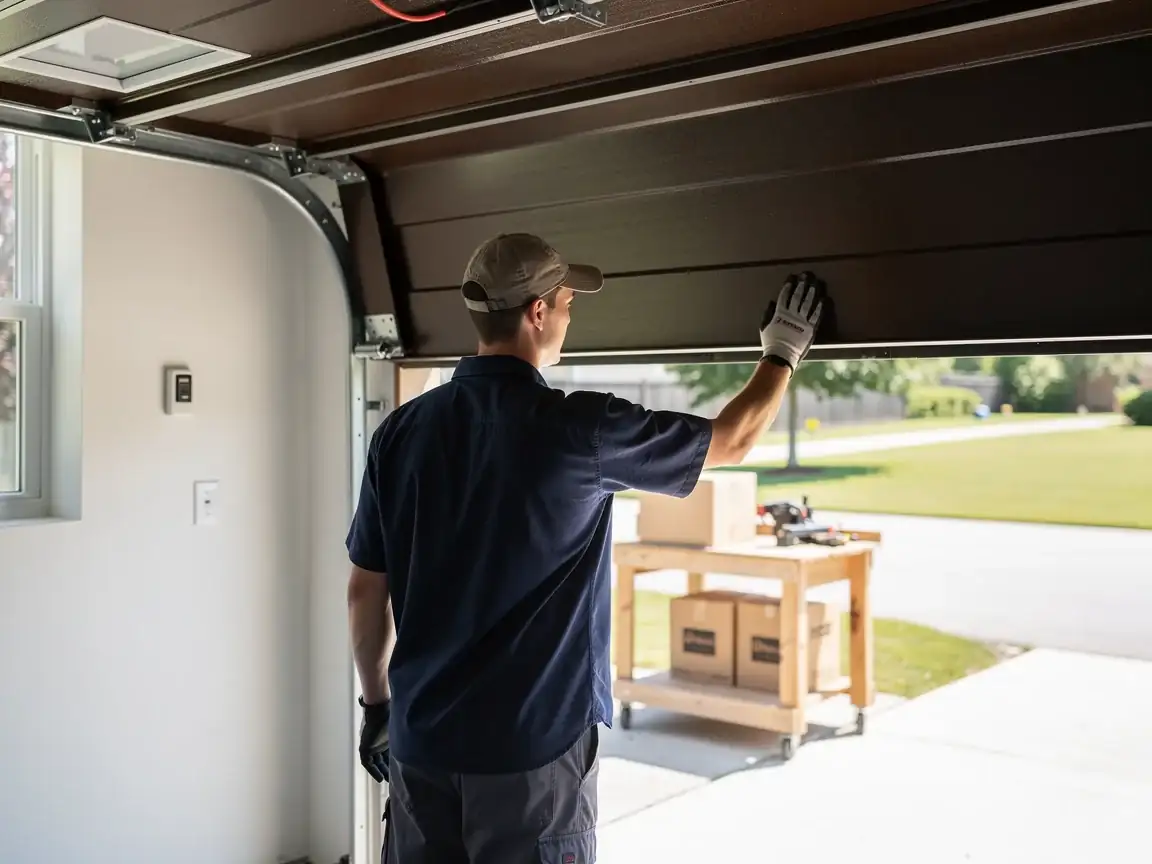
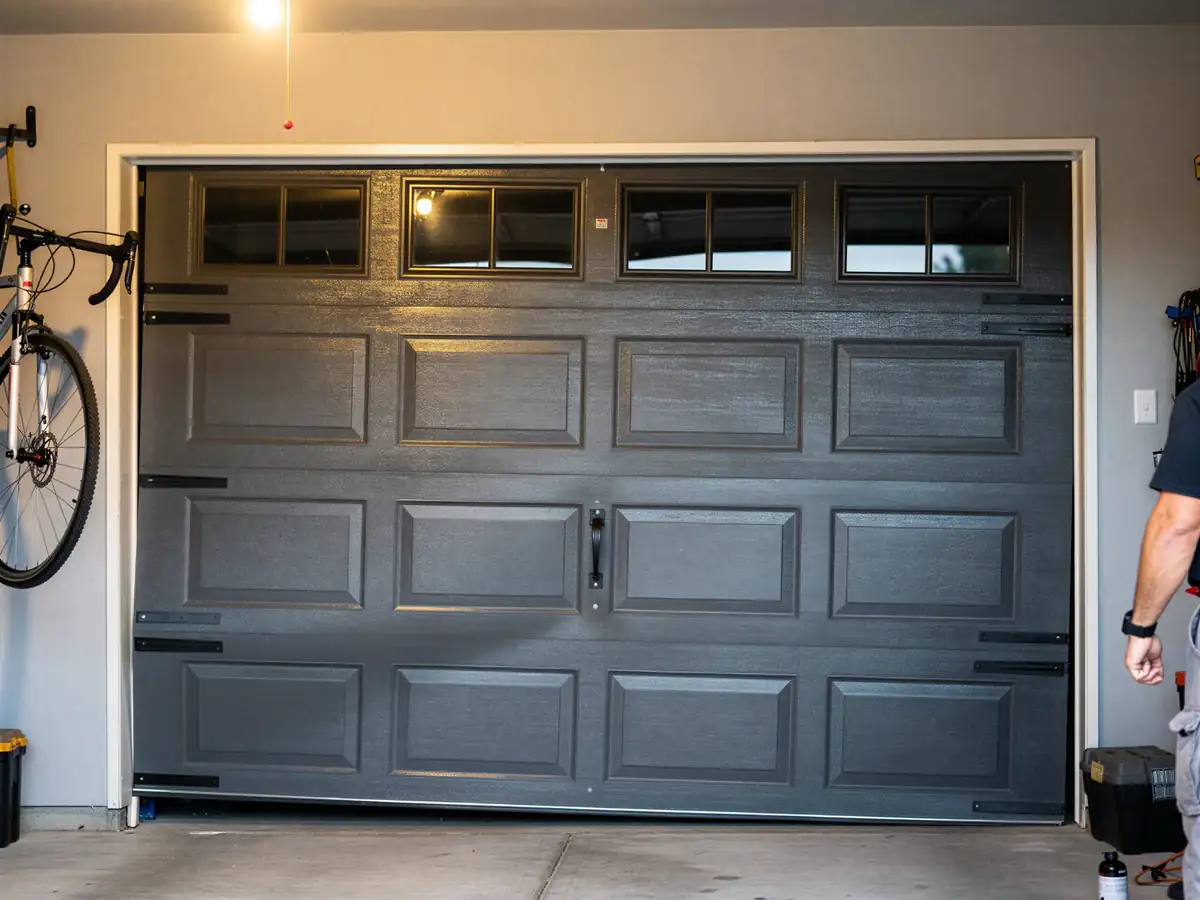
On a door built in or around 1971, the first sign is usually the door hesitating partway up, or coming down a little faster than it used to - both point to a spring that's lost tension, not an opener problem, even though the opener gets blamed first. A door that won't stay up when you pull the release cord is almost always the spring, not the motor.
You'll also hear it before you see it. Grinding or popping from the track on an older door often means a roller that's seized rather than rolling, which puts extra strain on the cable and the opener gear set at the same time. Left alone, that's a two-part failure instead of one.
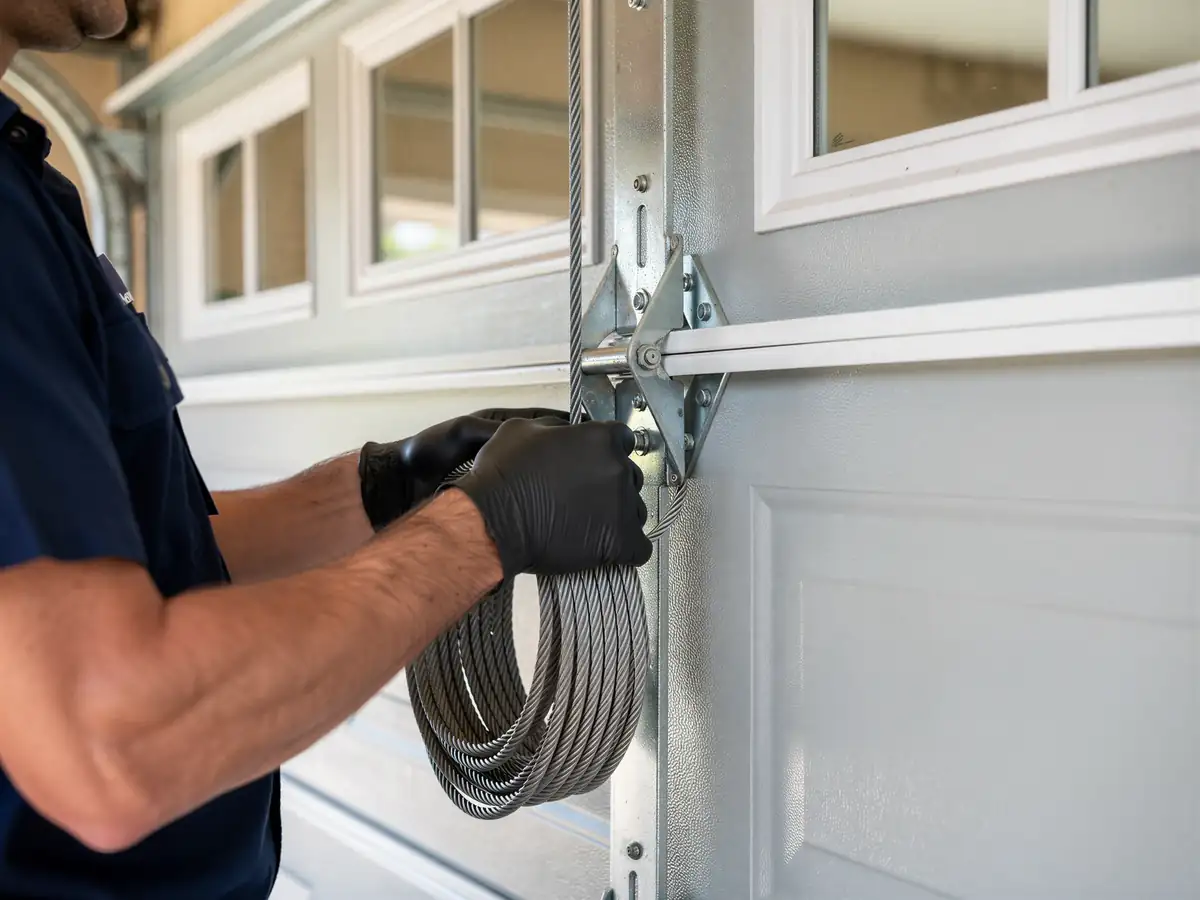
On the custom or oversized doors common in this area, uneven lift - one side rising faster than the other - points to an off-balance spring pair rather than a track alignment issue, and it's worth a call before the cable on the heavier side gives out.