The Complications
The call we get most from Palm Beach isn't a door that won't open
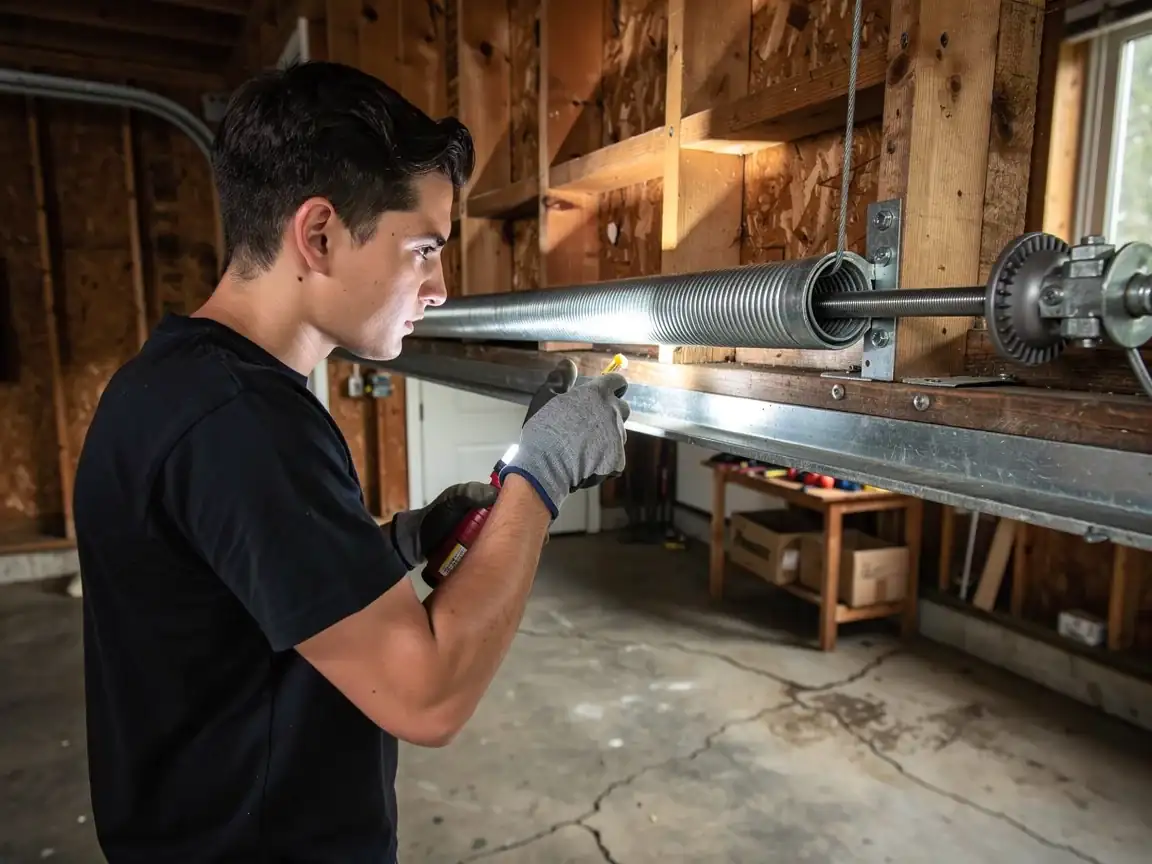
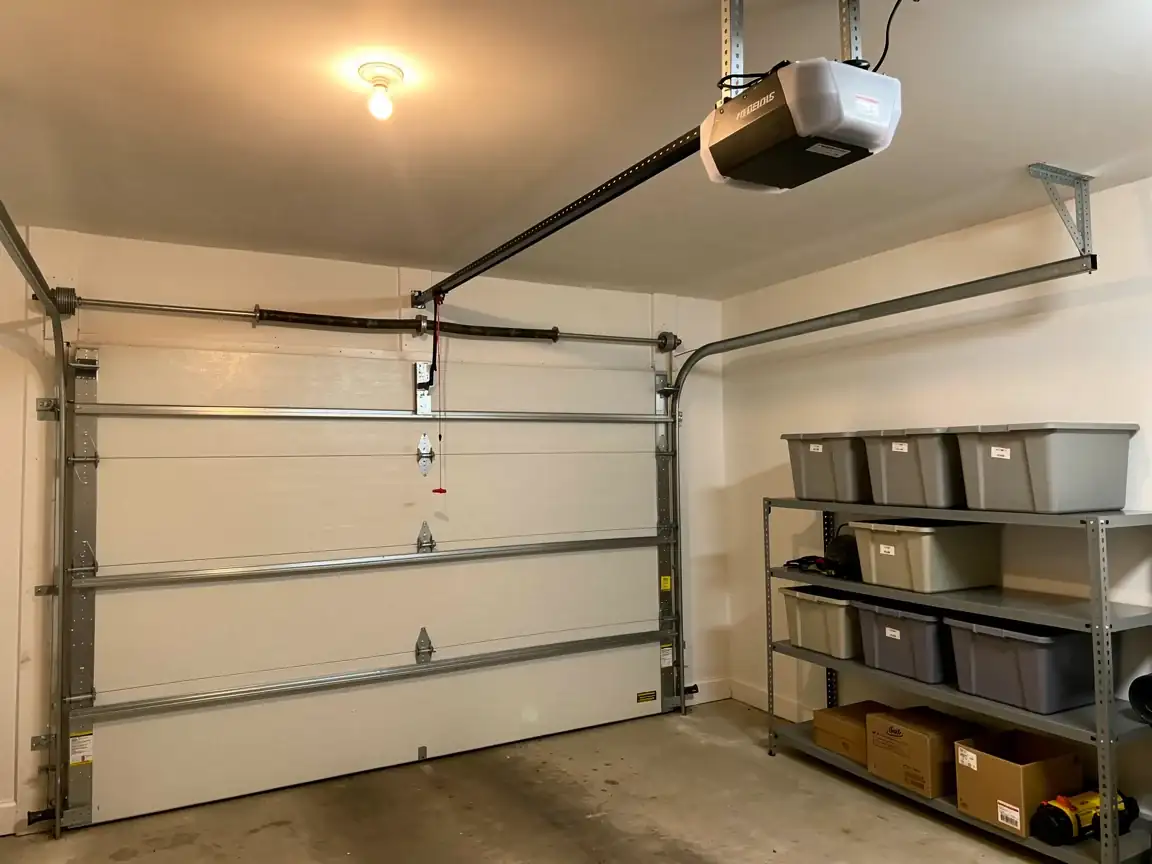
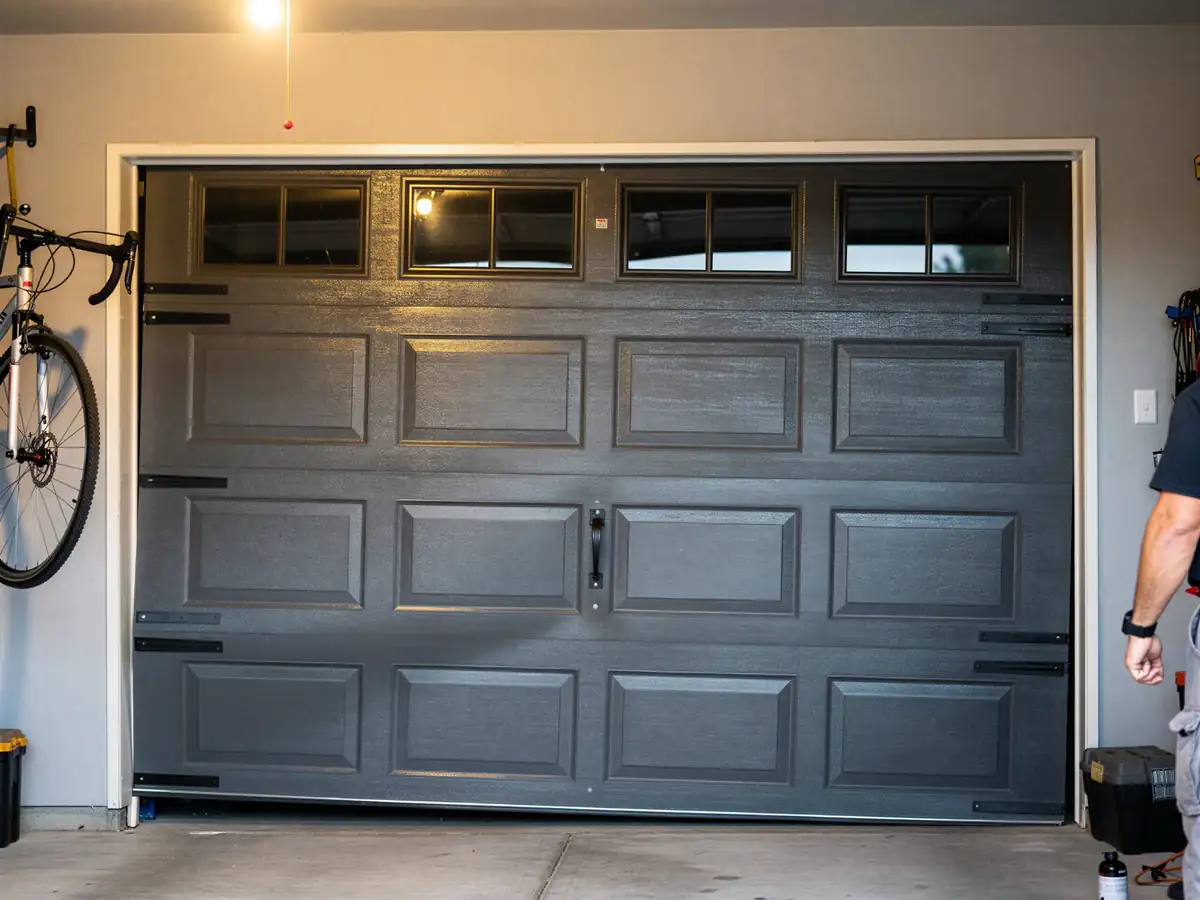
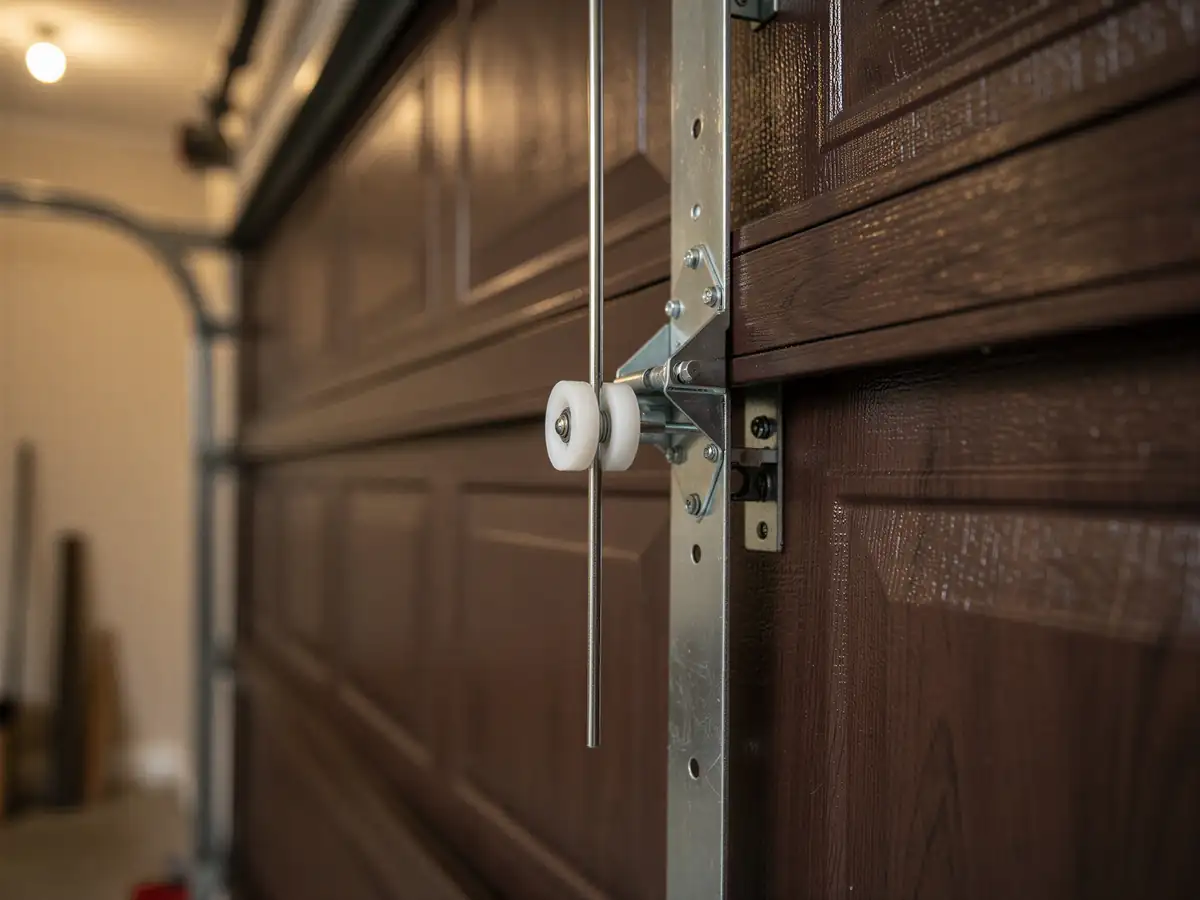
It's a door that opens unevenly, or an opener that strains and clicks before it catches. That pattern points to springs and drums original to the house, not a part installed last year. Most garage doors on this stretch of the island went up with the homes themselves, and the median year built here is 1971. A torsion spring from that era wasn't built to the cycle counts manufacturers rate parts for now, and after five decades of seasonal humidity it's usually past fatigue, not just worn.
What makes Palm Beach different from a newer subdivision isn't the door panel
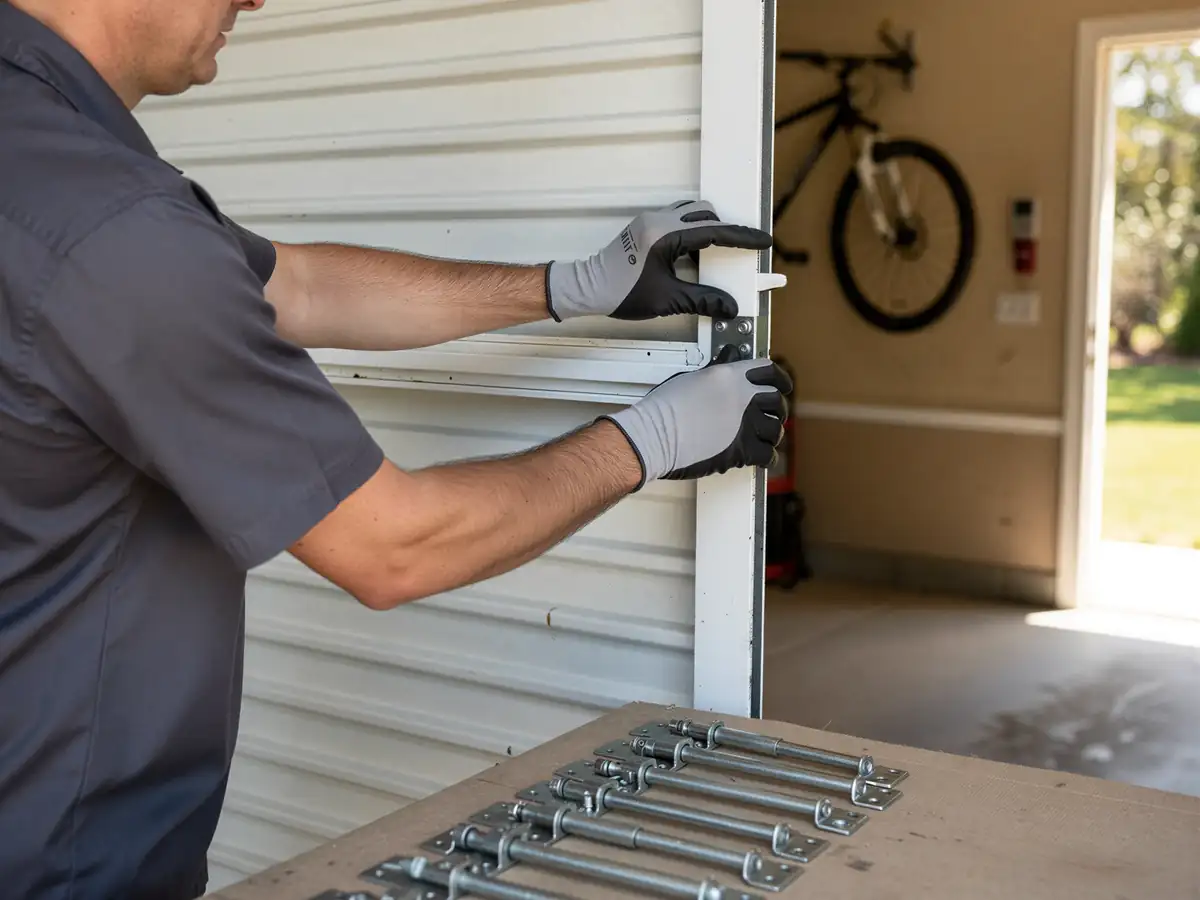
It's what's behind it. Original jamb brackets, older-gauge track, and in some cases openers that predate modern safety reversal sensors. We don't guess at what's back there; we look at the hardware before we quote anything, because a spring swap on 1971 brackets is a different job than a spring swap on brackets from 2005.
What Causes It Around Here
Palm Beach sits in a mild temperate climate band, which spares hardware the hard freeze-thaw cracking you'd see further north - that's the good news. The wear here comes from age and cycles, not weather extremes. A door installed when the house was built in the early 1970s has been through roughly fifty years of daily use, and most of that wear shows up in the torsion spring and the cable drums before it ever shows up in the panel itself.
The other factor is household scale. Palm Beach has about 5,452 households, a small slice next to the roughly 120,625 households across the wider service area we cover. That matters because parts inventory follows volume - a 1971-era bracket pattern that's common doesn't always mean parts are sitting on a shelf nearby. We carry what fits most of what we see, but a genuinely original setup sometimes means a short wait on a specific part rather than a same-visit swap.
The Cost of This Job
We don't post a flat number here because a torsion spring replacement on original 1971 hardware isn't priced the same as a cable job on a ten-year-old opener, and we're not going to pretend otherwise. What we can tell you is what drives the number: whether the drums and bearing plate are original or already replaced, whether the opener needs attention too, and whether the track is still square after decades of settling.
Palm Beach's median household income runs $175,078, well above the $92,382 average across the broader West Palm Beach service area, and we mention that only because it shapes a real decision homeowners here face more often than most: repair versus full replacement. On a door with original hardware throughout, a full spring-and-drum rebuild can approach what a new door costs installed. We'll tell you straight which side of that line your job falls on before any work starts, not after.
How We Fix It
We come from our shop in West Palm Beach, six miles out to Palm Beach
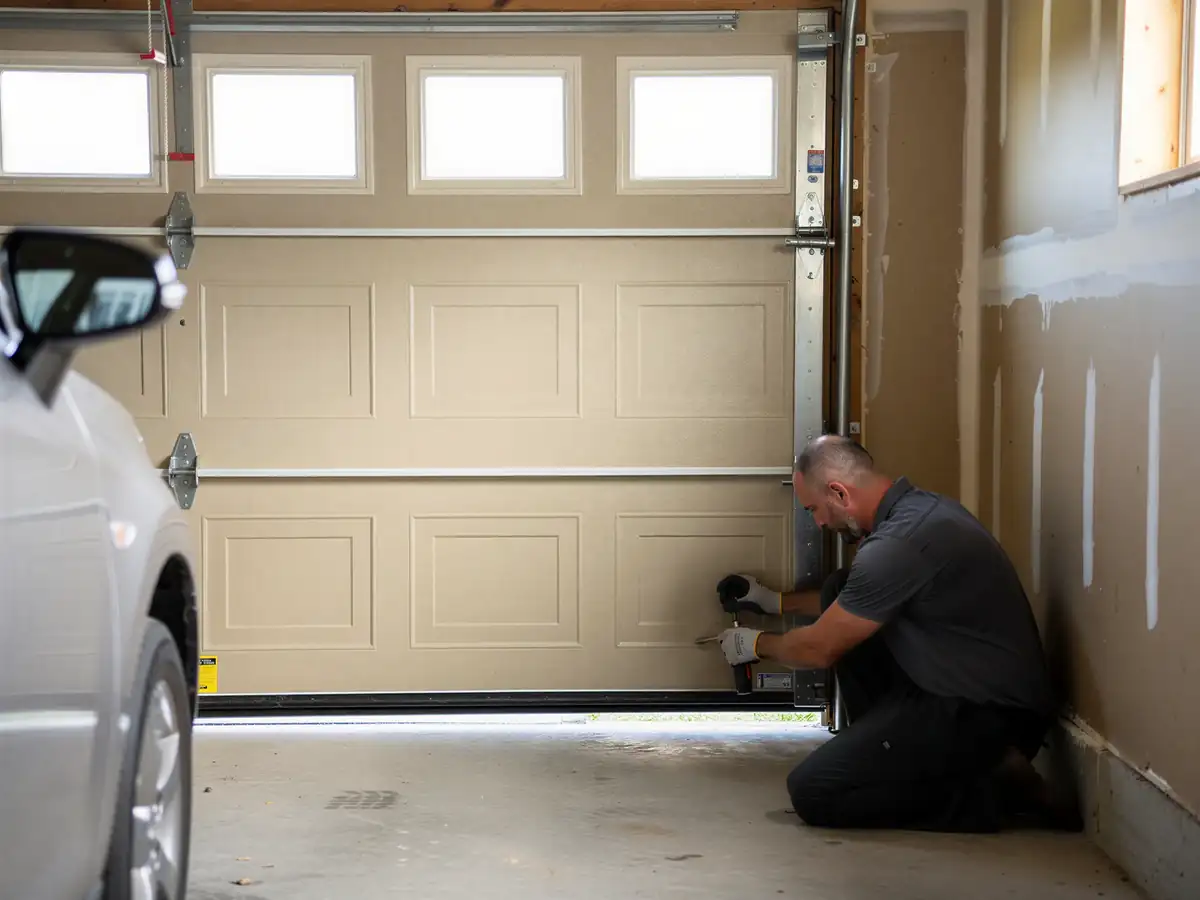
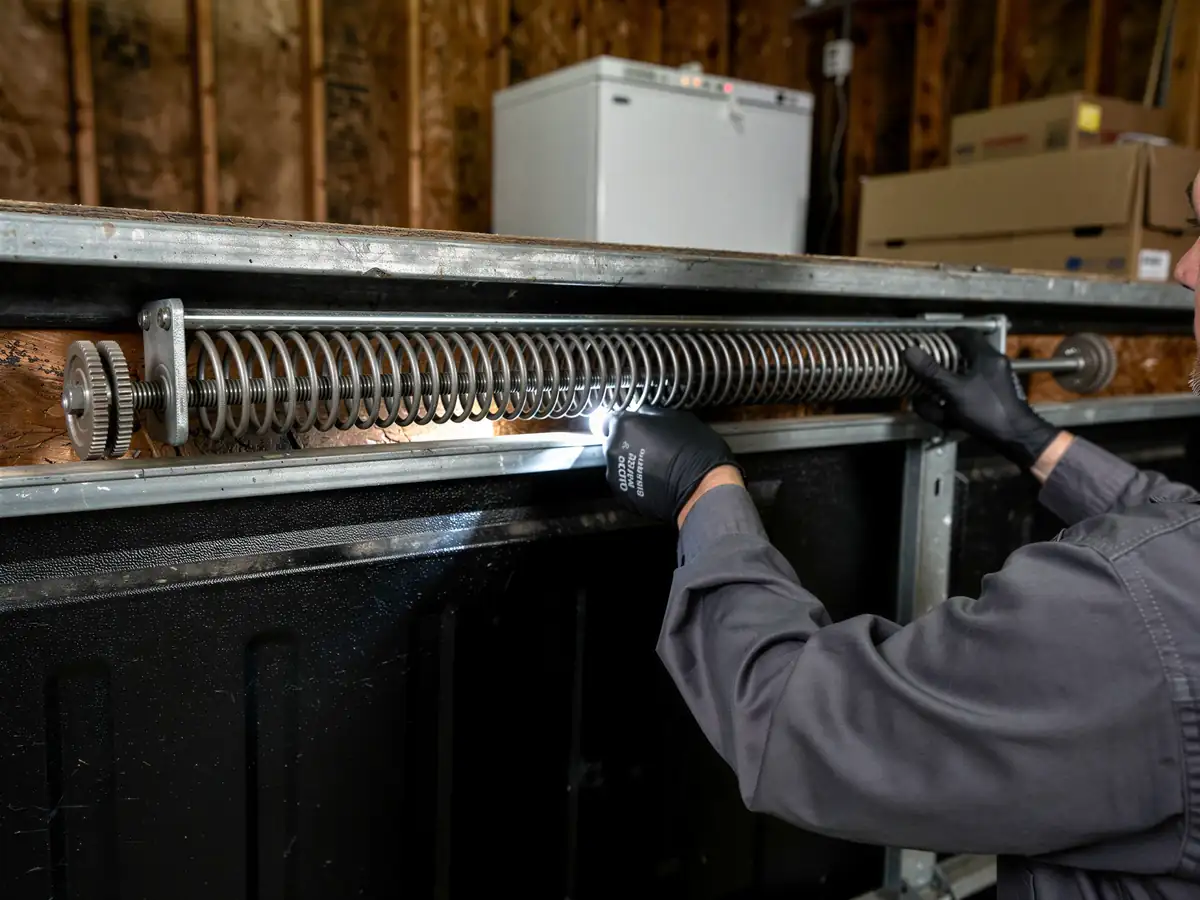
With the torsion bar tools and drum sets that cover most 1970s-era setups along with the newer standard hardware. First thing on site is checking the bracket pattern and spring winding against what's actually there, not what the door's age would suggest - some homes here have already had partial upgrades and some haven't touched the original setup at all.
If the spring and drums are original, we rebuild that assembly to current tension specs rather than patching one failed part next to worn ones
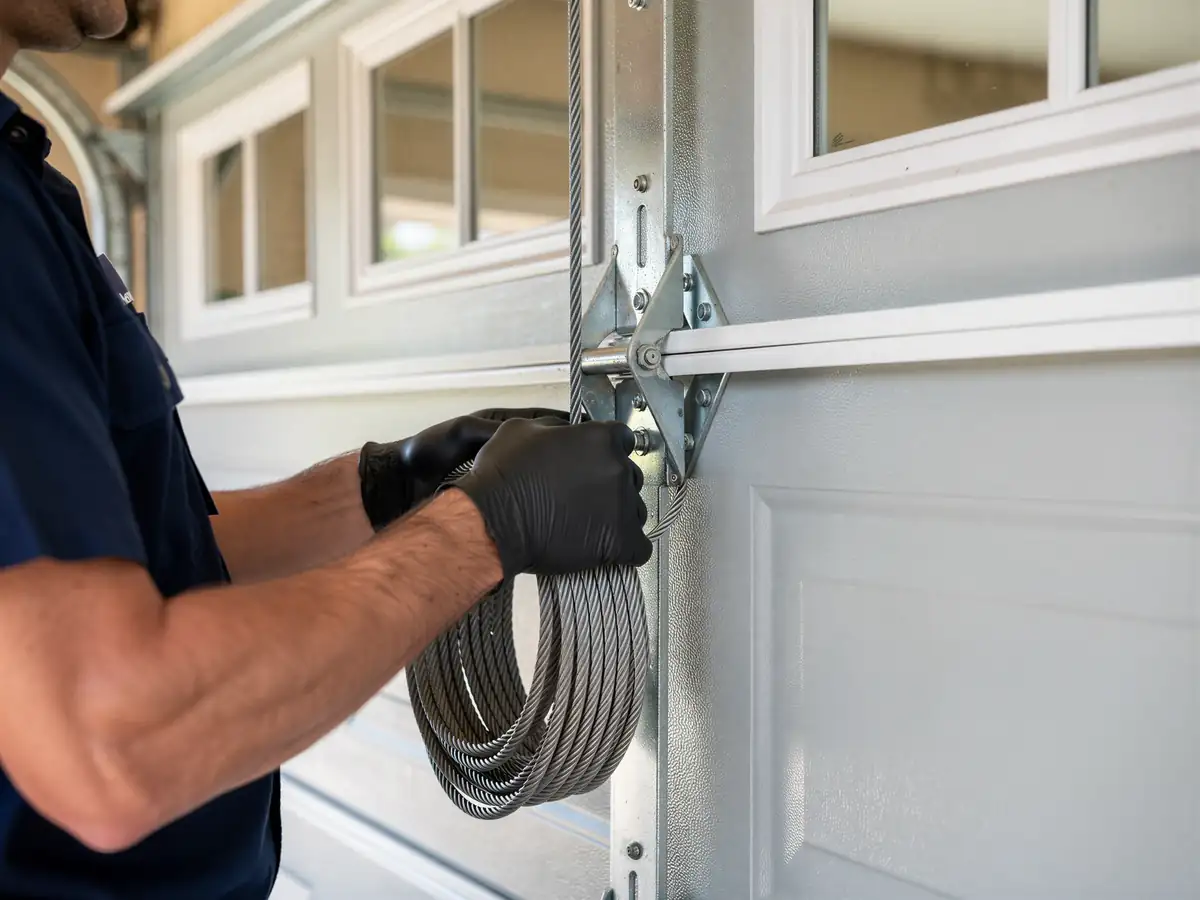
Because mismatched age on a torsion system just moves the next failure down the road a few months. If the opener is original too, we test it separately - sometimes the motor's fine and only the sensor alignment needs resetting. We don't replace what doesn't need replacing, and we don't quote a full door when a drum and cable job solves it.
How It Shows Up
On a 1971-built door, the earliest sign is usually a scrape or shudder partway through the opening cycle, right where a worn drum starts to unspool unevenly. Owners often describe it as the door 'hesitating' rather than failing outright. Left alone, that uneven pull puts more load on the opener's motor, which is often also original equipment on these homes and wasn't built for compensating load.
A second common sign is a door that reverses on its own partway down - not a safety sensor issue, but a spring that's lost enough tension that the opener's force setting no longer matches the door's actual weight. That's a hardware problem, not a setting to bump up. On the smaller side of this town's roughly 5,452 households, we see this pattern often enough that it's the first thing we check before touching the opener's electronics at all.