The Complications
Palm Beach sits about six miles from our West Palm Beach yard
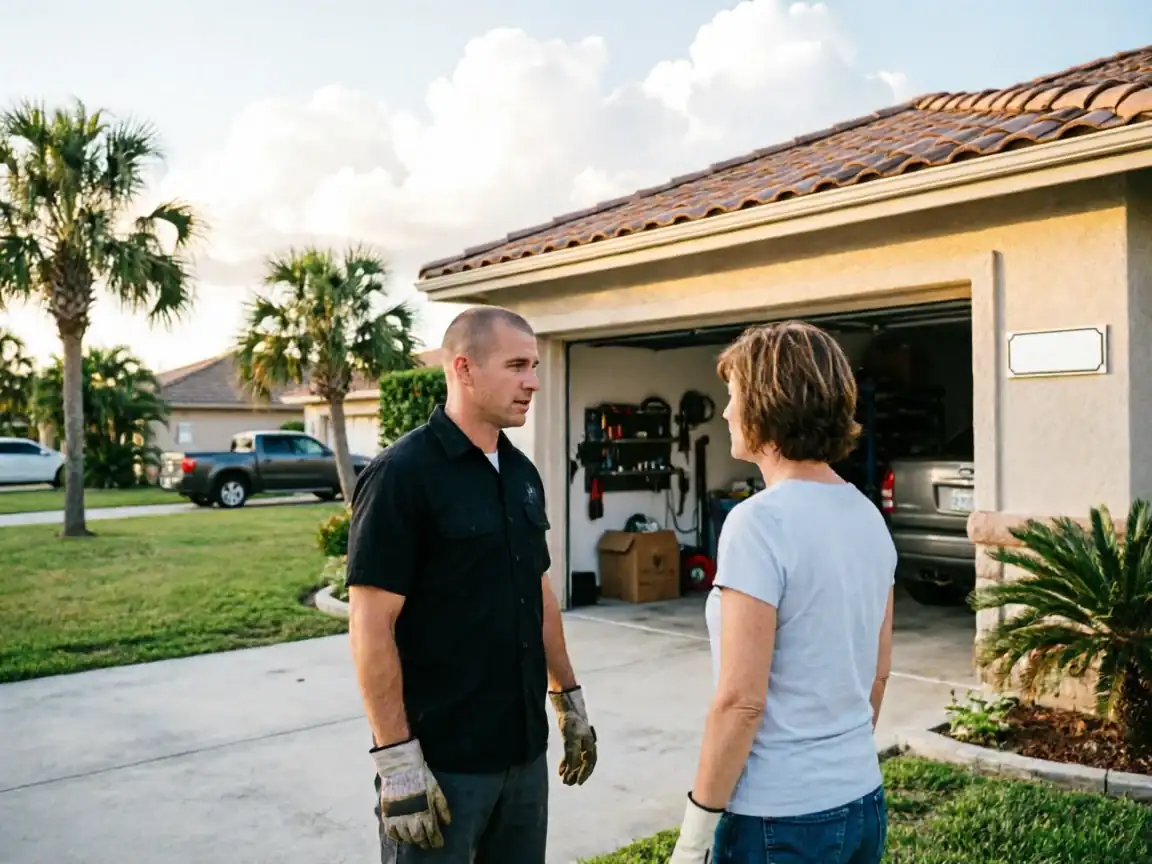
Close enough that a panel job here runs the same day we quote it, not strung out over a week of back-and-forth scheduling. That short drive matters more than it sounds, because panel work almost always means a second trip is possible - one visit to measure and confirm the section profile, a second to install once the part is in hand.
The real complication isn't the distance, it's the door
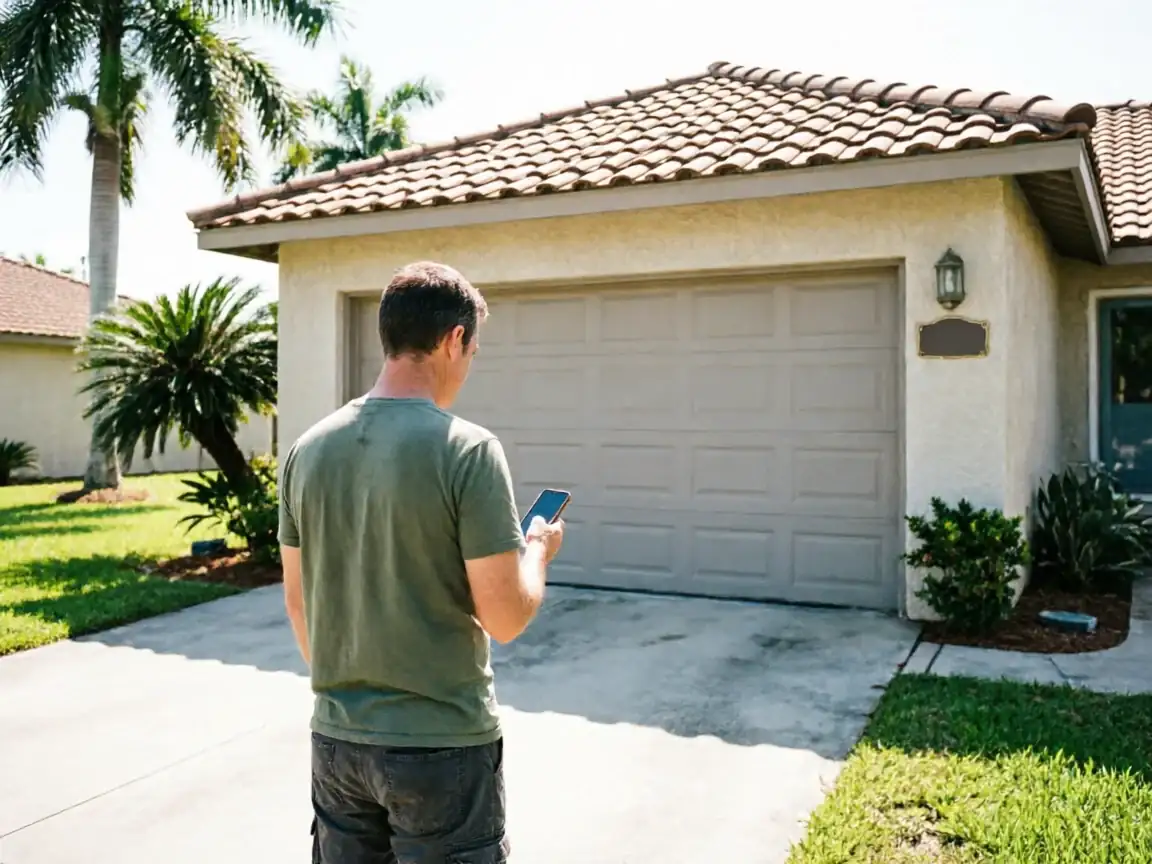
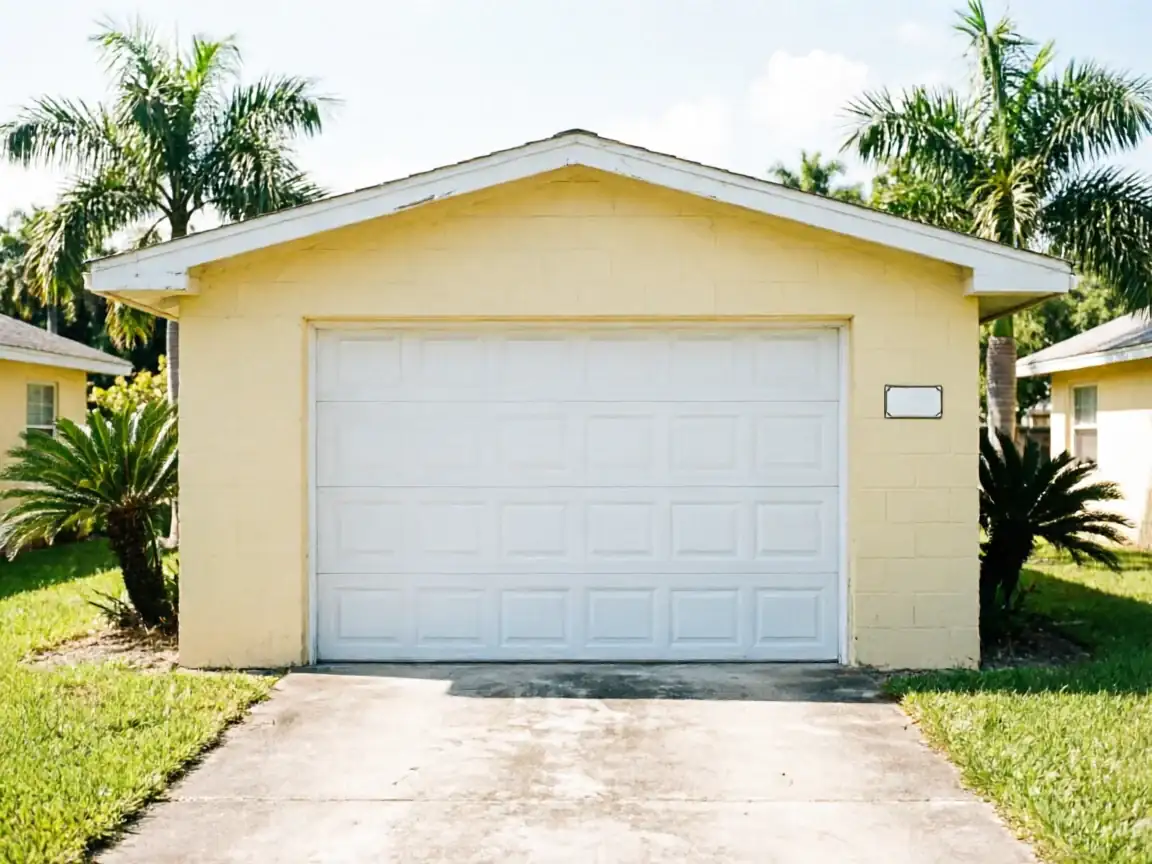
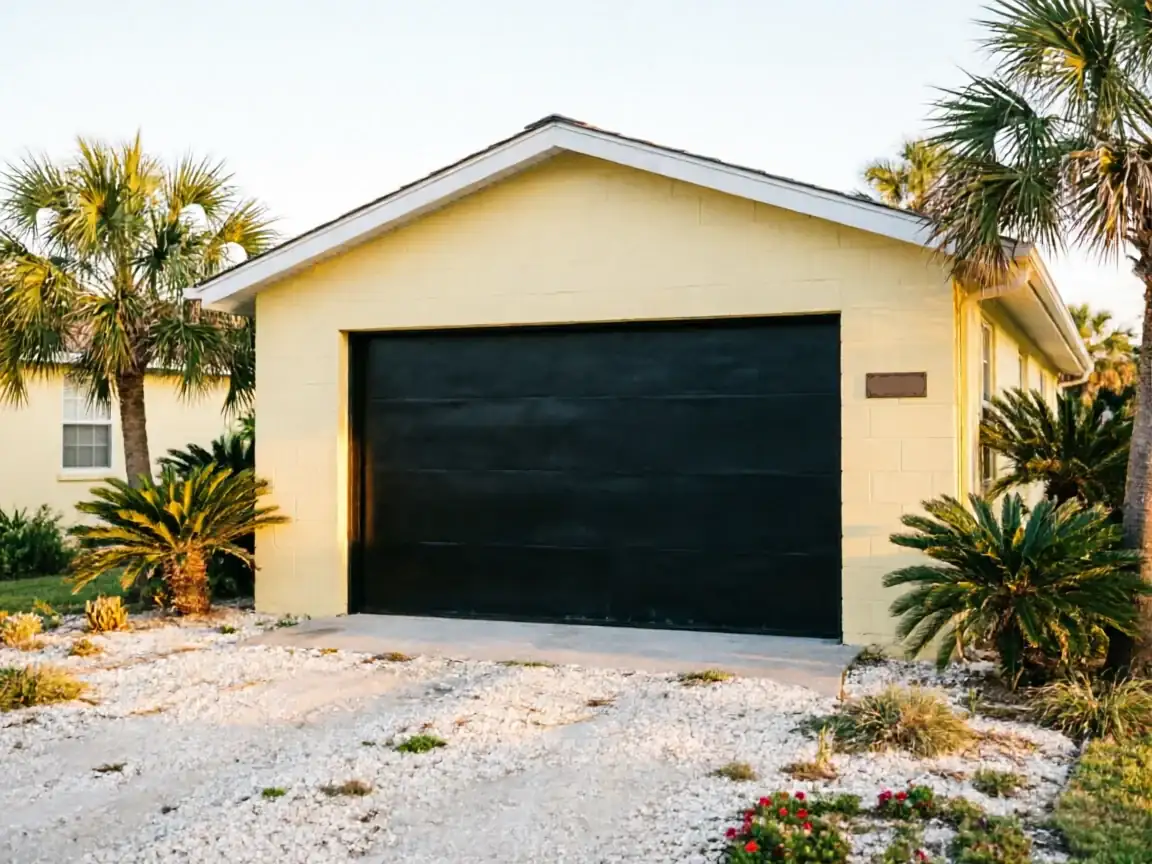
Most homes in Palm Beach went up around 1971, years before steel panel doors with foam cores became the standard build. A lot of what's still on these garages is early steel or wood-composite construction with panel heights, rib spacing, and seam styles that current manufacturers don't carry off the shelf. Swapping one damaged section on a door like that isn't a catalog lookup - it's matching grain, color, and panel depth by eye and by model number, if the model number is even still legible on the end stile.
We also see doors here that were upgraded once already, somewhere in the last few decades
Which means the panel style on the door in front of us may not match what the original builder put in. We check before we order, not after.
What Causes It Around Here
This area sits in a mild temperate climate band, so you don't get the freeze-thaw cycling that cracks panel seams and pops fasteners the way it does in colder parts of the country. That's the good news. The panels we replace here mostly fail from physical impact - a car bumper catching the bottom section, a bike or cooler left in the swing path, a hard knock from yard equipment - and from long-term sun exposure that fades color unevenly across a door's face, so a single new panel can stick out even when it's structurally a perfect match.
On the older 1971-era doors, there's a third cause: age itself. Steel panels from that period weren't galvanized to the standard used today, and decades of mild, humid air still take a slow toll even without hard freezes - surface pitting, thinning at the bottom section where water sits longest, and seams that have worked loose from thousands of open-close cycles.
We don't see storm-related panel damage drive the bulk of these calls the way it might in a more exposed coastal stretch. Most of what comes in is wear, impact, or a single bent section that's been slowly working loose from the rest of the door.
The Cost of This Job
We don't post a flat number here because panel replacement cost swings on two things we can't know until we're looking at the door: how many sections need replacing, and whether we can source a matching panel at all. With a median household income here near $175,078, more of the doors we replace panels on are custom wood or heavy-gauge steel than the builder-grade steel common elsewhere in the service area, and custom material costs more to source and fit than a stock panel off a distributor's shelf.
On the 1971-era doors, discontinued profiles are the other cost driver. If we can't match the exact panel, the honest options are a close substitute that won't be invisible, or replacing more of the door than the damage strictly requires so the whole face reads consistent. We'll tell you straight which one you're looking at before any work starts - we're not going to quote a single-panel swap and then come back asking for more once the door's half apart.
We price the job after we've seen the door and identified the part, not off a phone description. That's slower than a flat-rate number, but it's the only way we give you a figure that holds.
How We Fix It
We start by identifying what's actually on the door
Manufacturer, panel height, rib or raised-panel style, and whether the section runs full-width or is split into two sashes side by side. On the older Palm Beach stock, that step alone can take longer than the repair, since model tags fade or go missing over the decades.
Once we've got a match
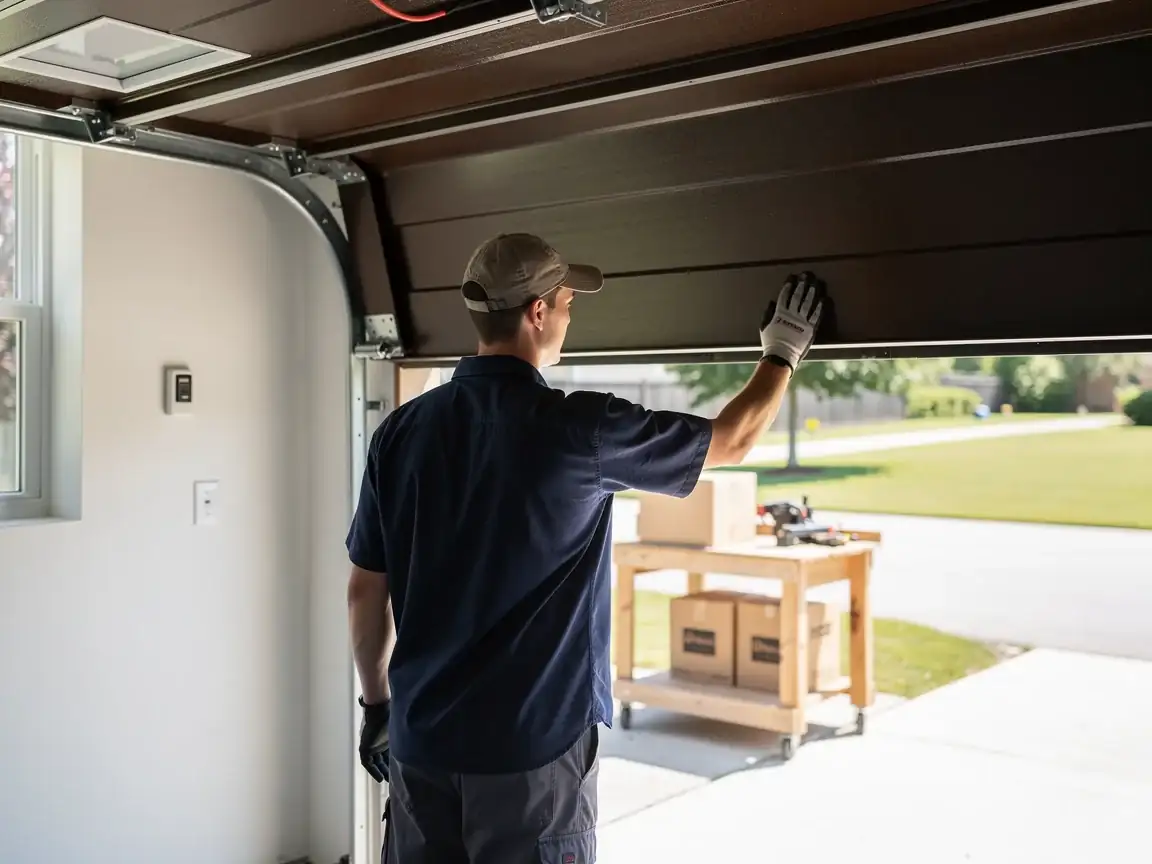
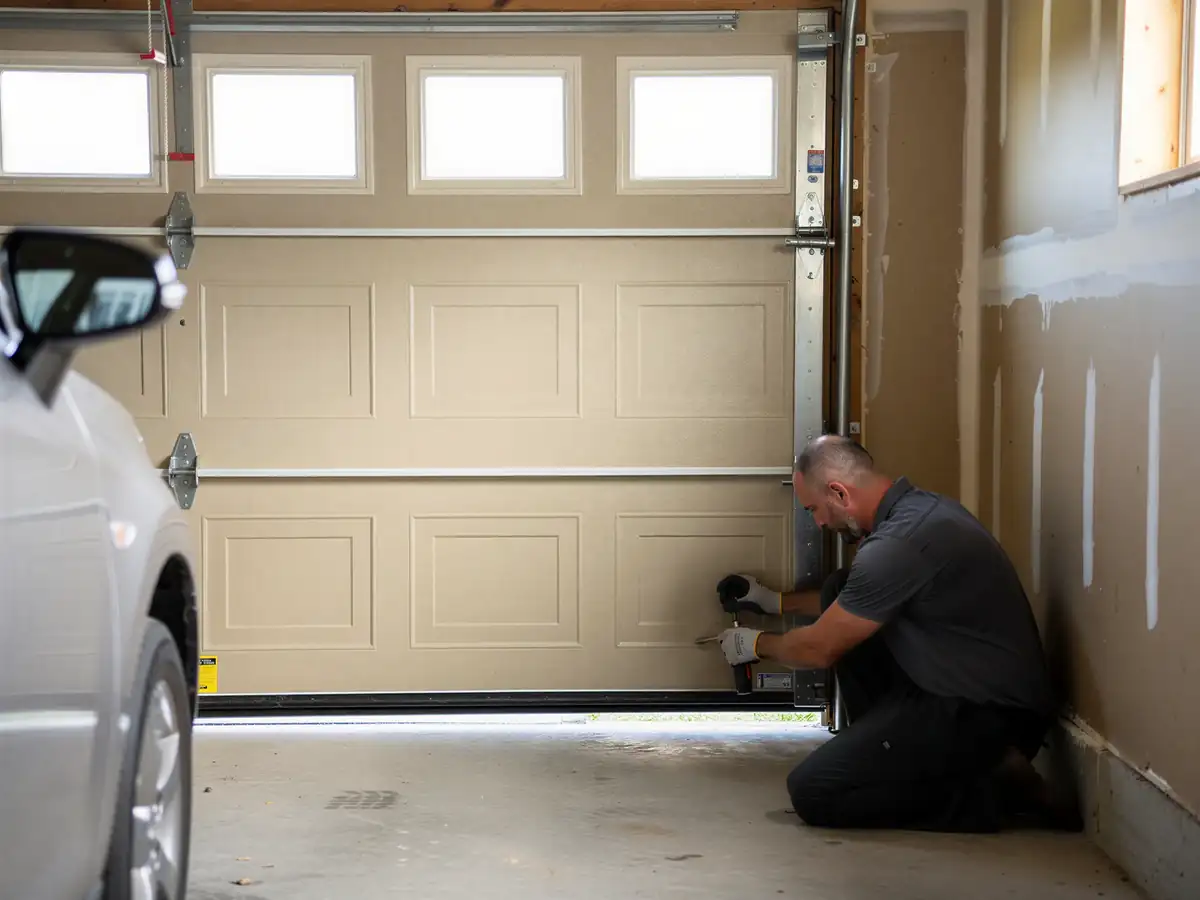
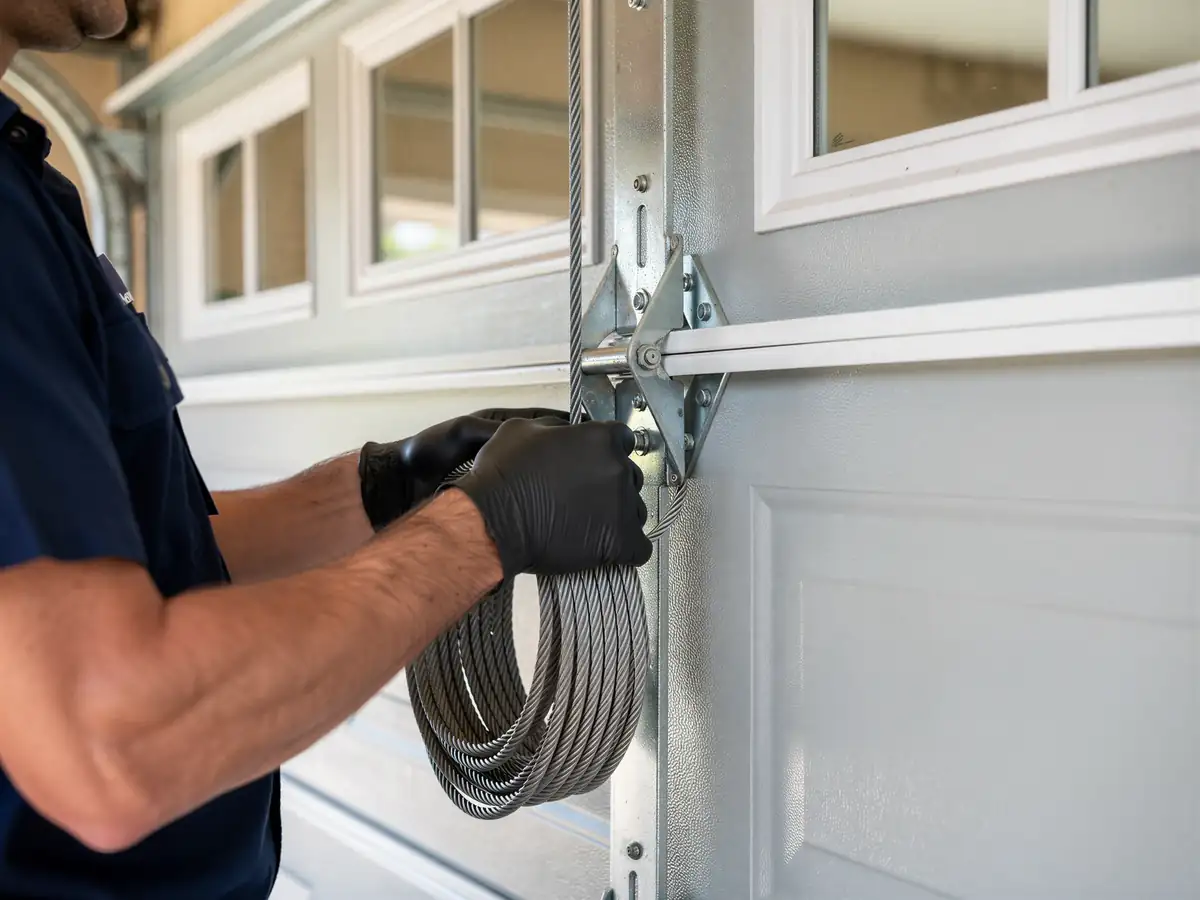
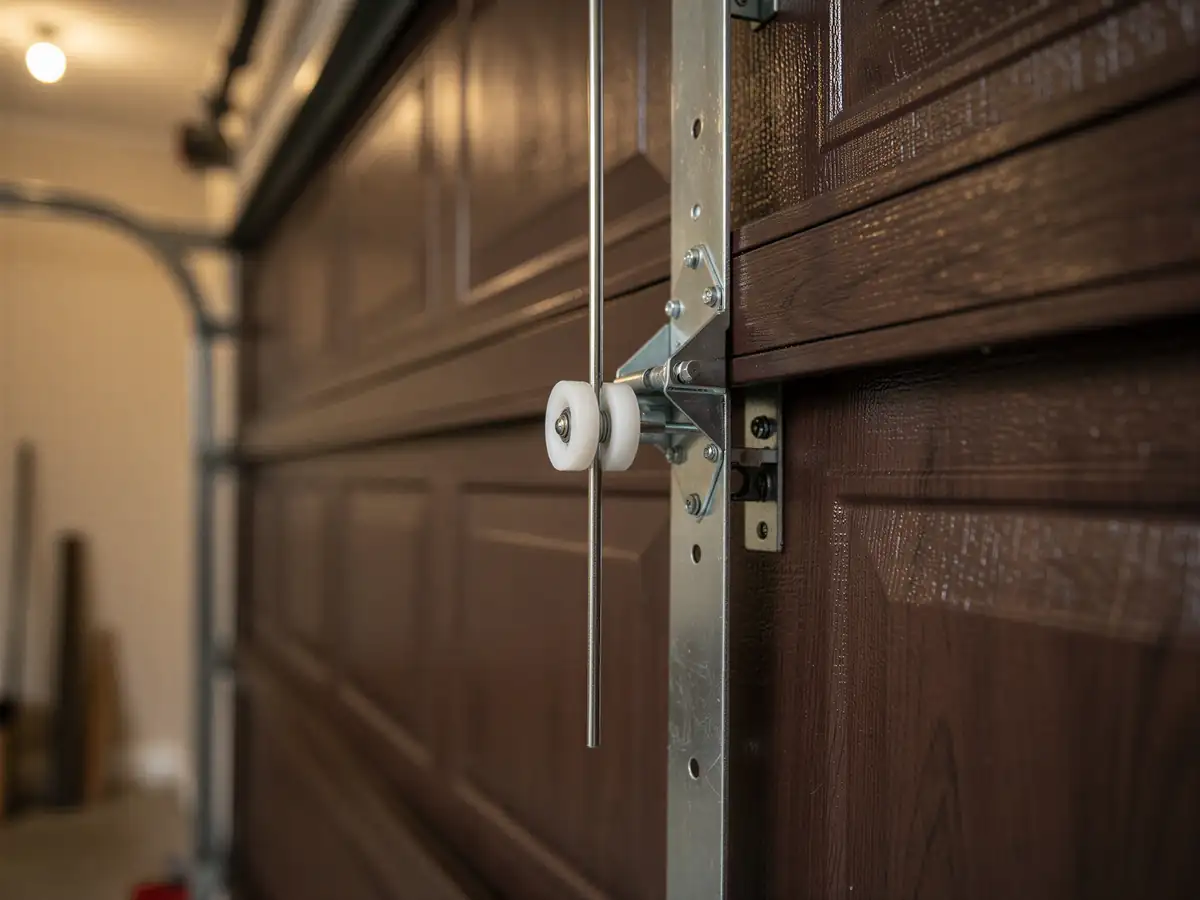
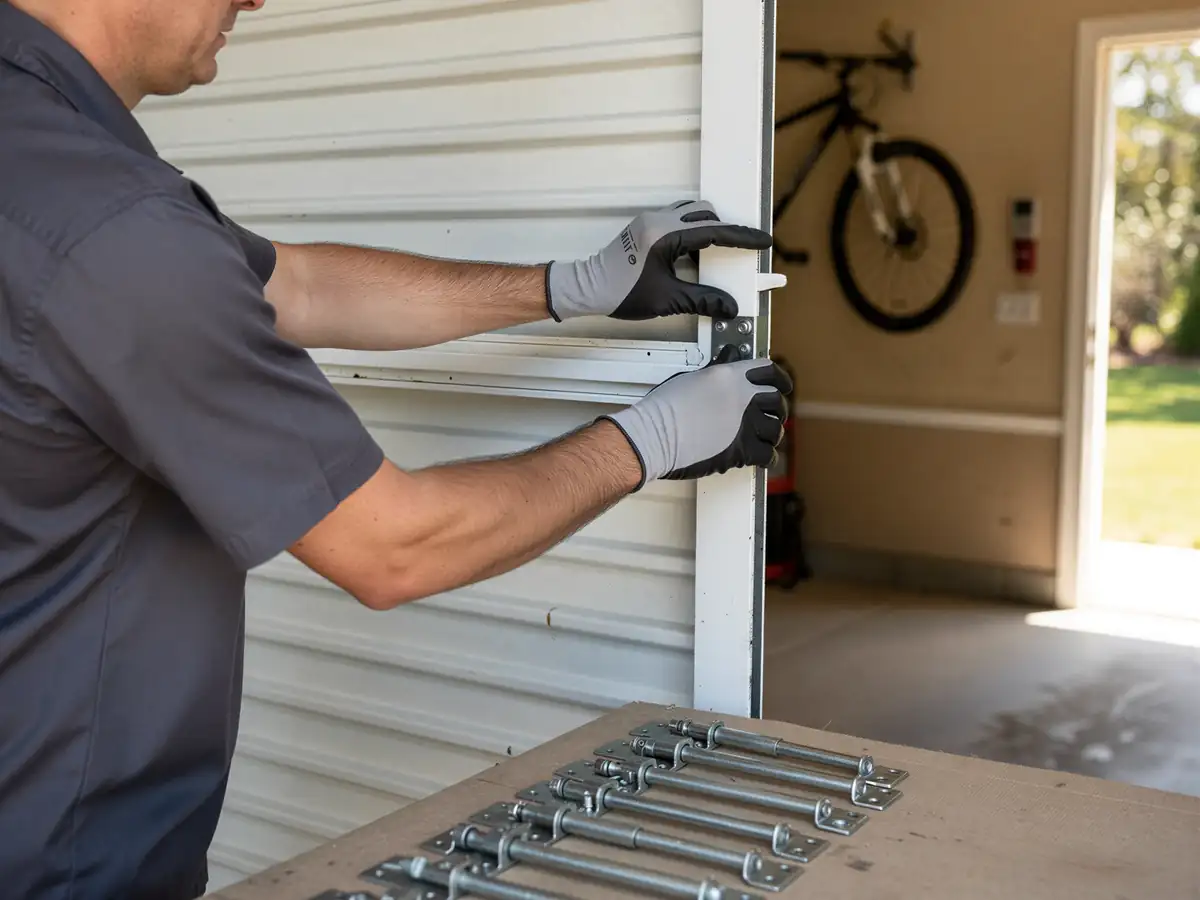
Or the closest substitute available, we source the panel and schedule the install. The physical swap itself is straightforward: disconnect the opener arm if the damaged section sits near the top, remove end hinges and rollers from the affected panel, lift it free of the track, and set the replacement in with the same hardware reused where it's still sound.
We check hinge alignment and roller travel across the whole door afterward, not just the new section
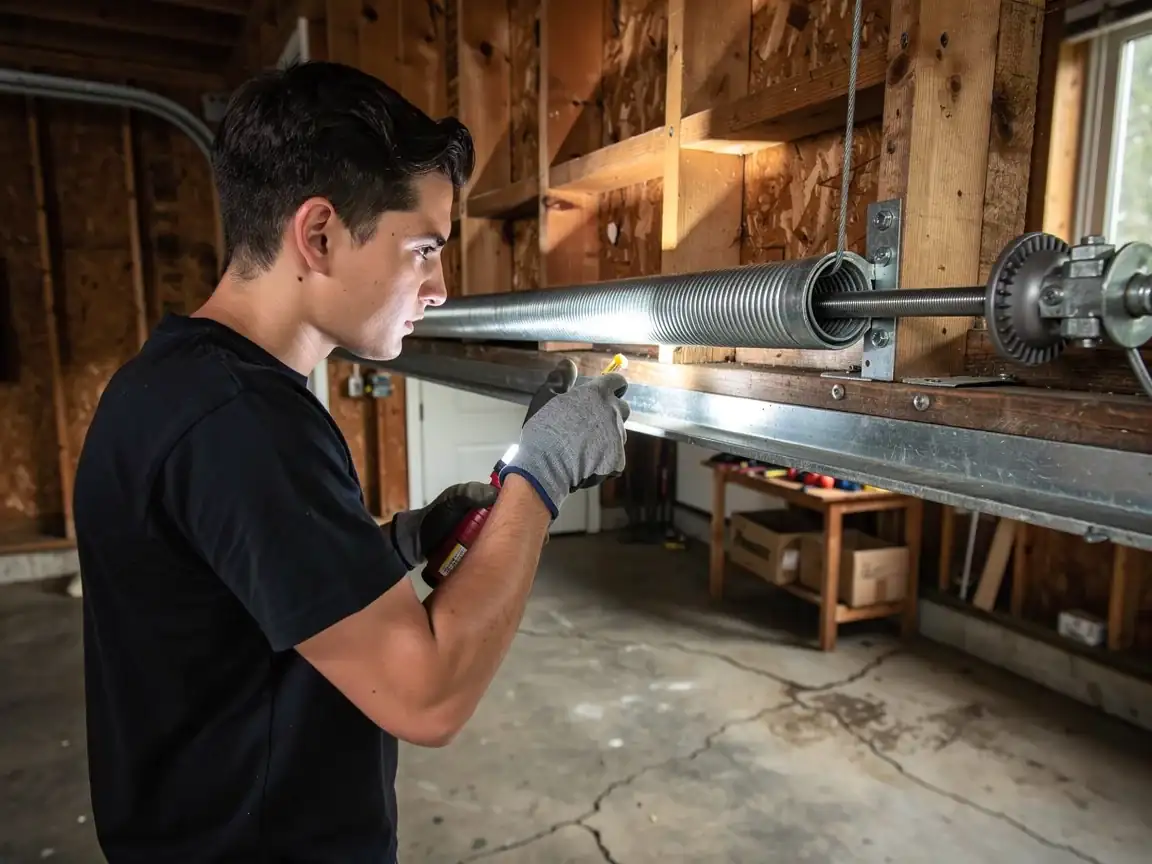
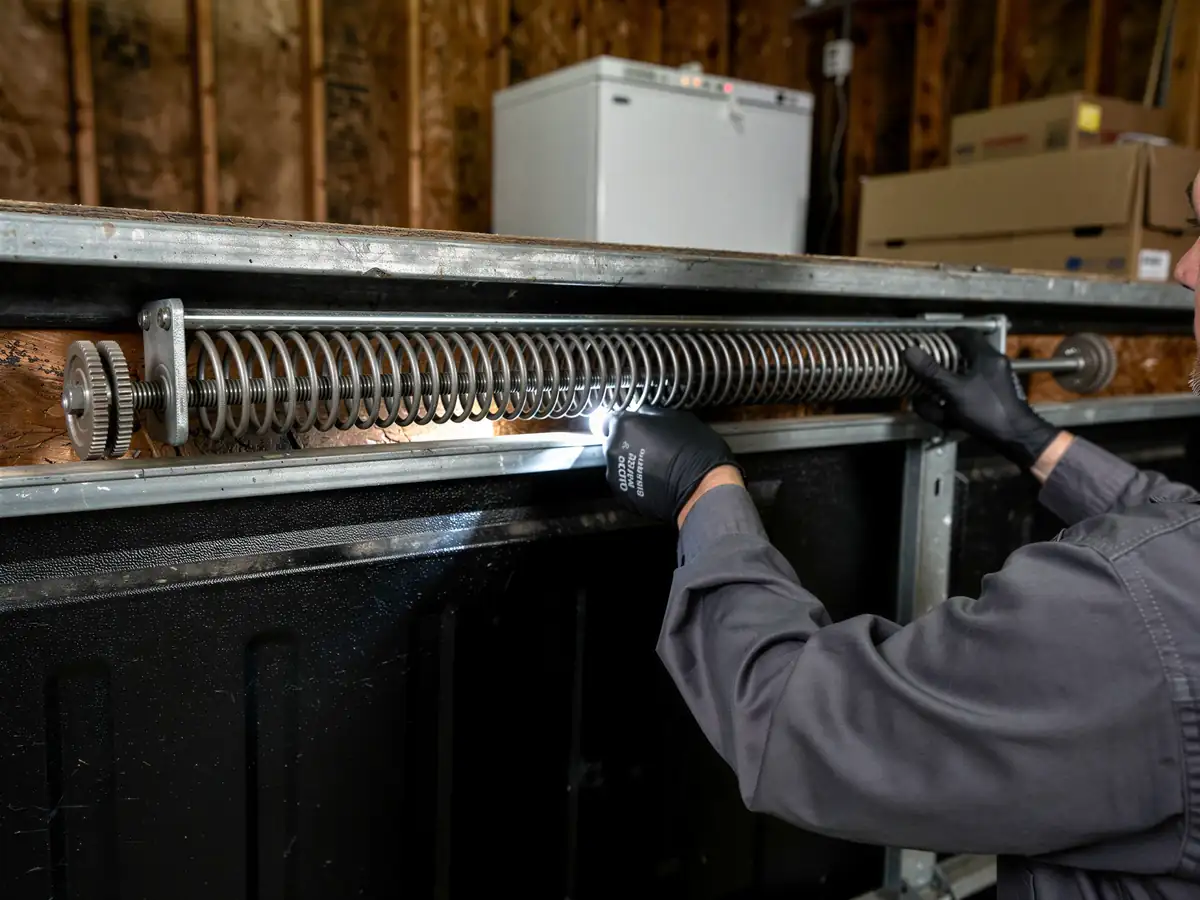
Because a mismatched panel thickness or weight can throw off balance on doors this old. If the springs are already working harder than they should because of that imbalance, we'll flag it - that's a separate repair, and we won't fold it into a panel quote without telling you first.
Because we're running the six miles out from West Palm Beach rather than keeping a stocked branch in town
Panel sourcing happens before the install visit, not during it.
How It Shows Up
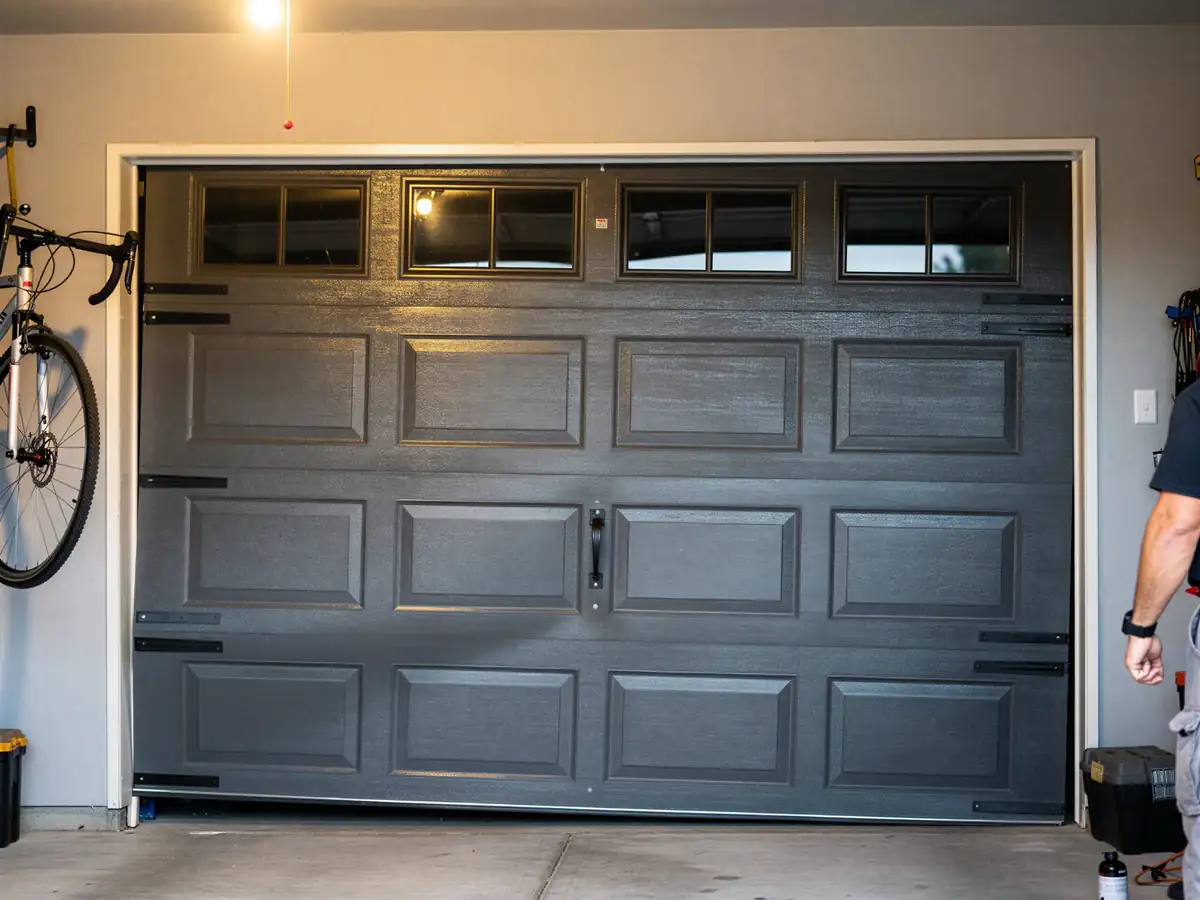
A damaged panel on a door this age doesn't always announce itself with a dent you can see from the driveway. Look for a section that's bowed outward when the door's closed, a seam where daylight shows through that didn't used to, or a spot where paint or finish has worn through to bare steel faster than the panels around it. On wood-composite doors from the early 1970s, swelling or soft spots near the bottom section are the early sign - the panel still closes, but it's absorbing water it shouldn't.
You'll also hear it before you see it, sometimes. A loose or cracked panel rattles differently on the way up and down, a hollow sound that's distinct from a healthy door's quieter roll. If the door starts binding at one spot in the track every cycle, that's often a section that's warped just enough to catch, not a track or opener problem.
One thing worth saying plainly: if more than two or three sections show this kind of wear, a single panel swap is a short-term fix on a door that's telling you it's near the end of its run. We'll say so rather than keep selling you one panel at a time.