How We Fix It
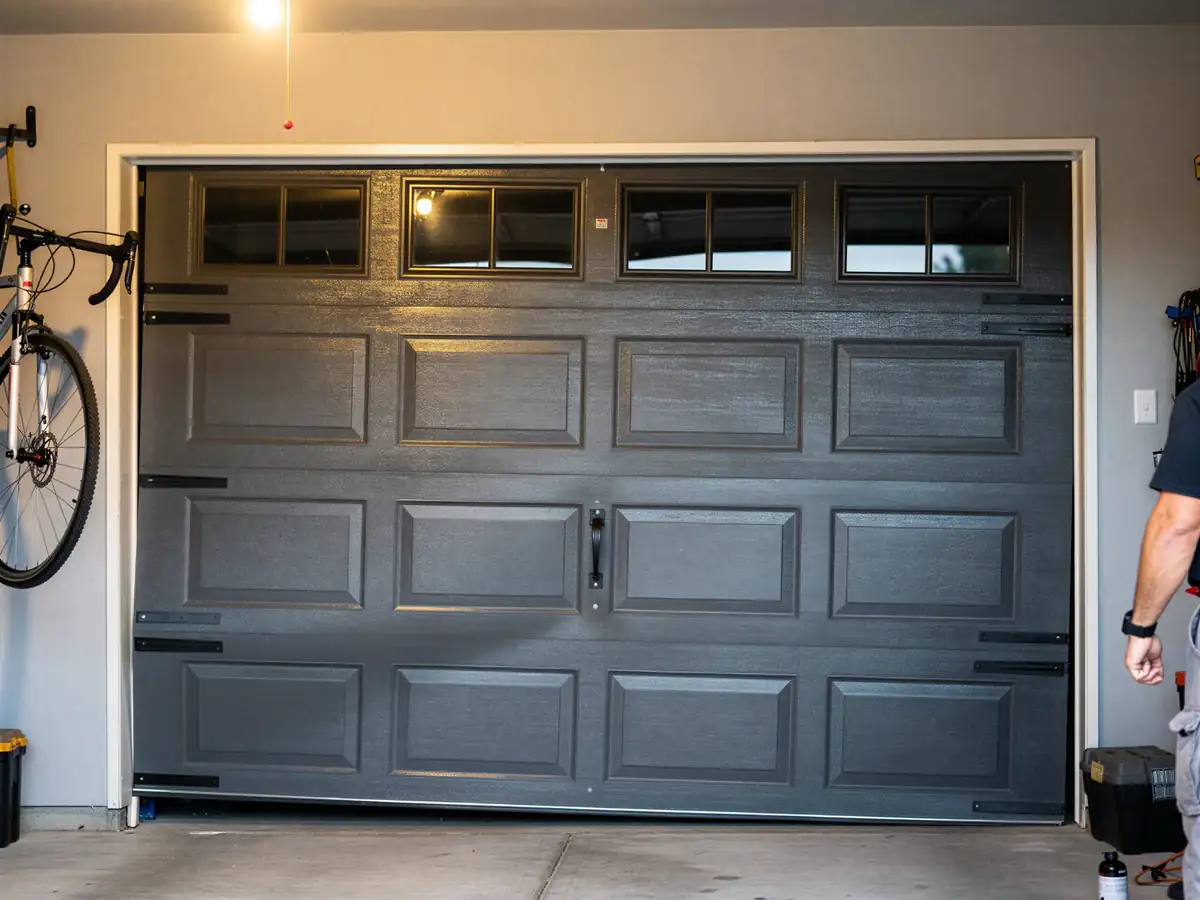
Most of the damage calls we get from this side of the service area involve one bent or cracked panel on an otherwise sound door
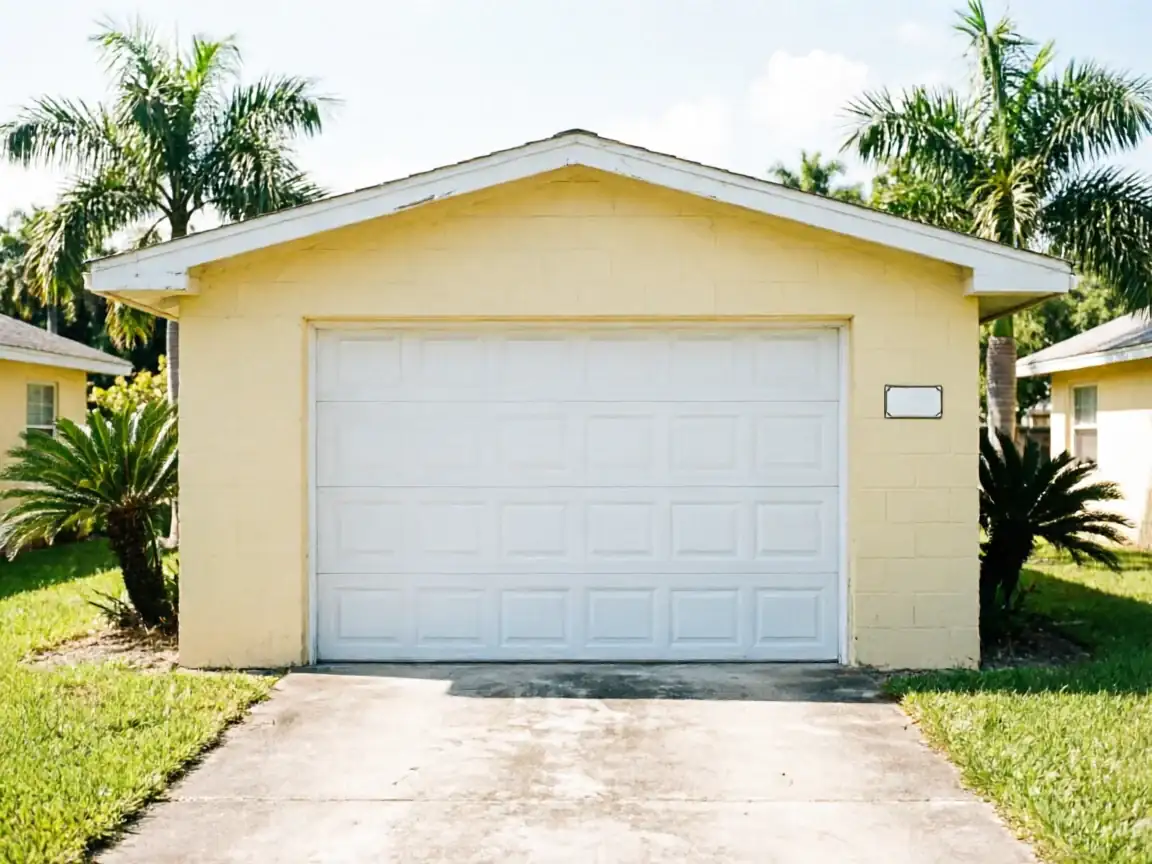
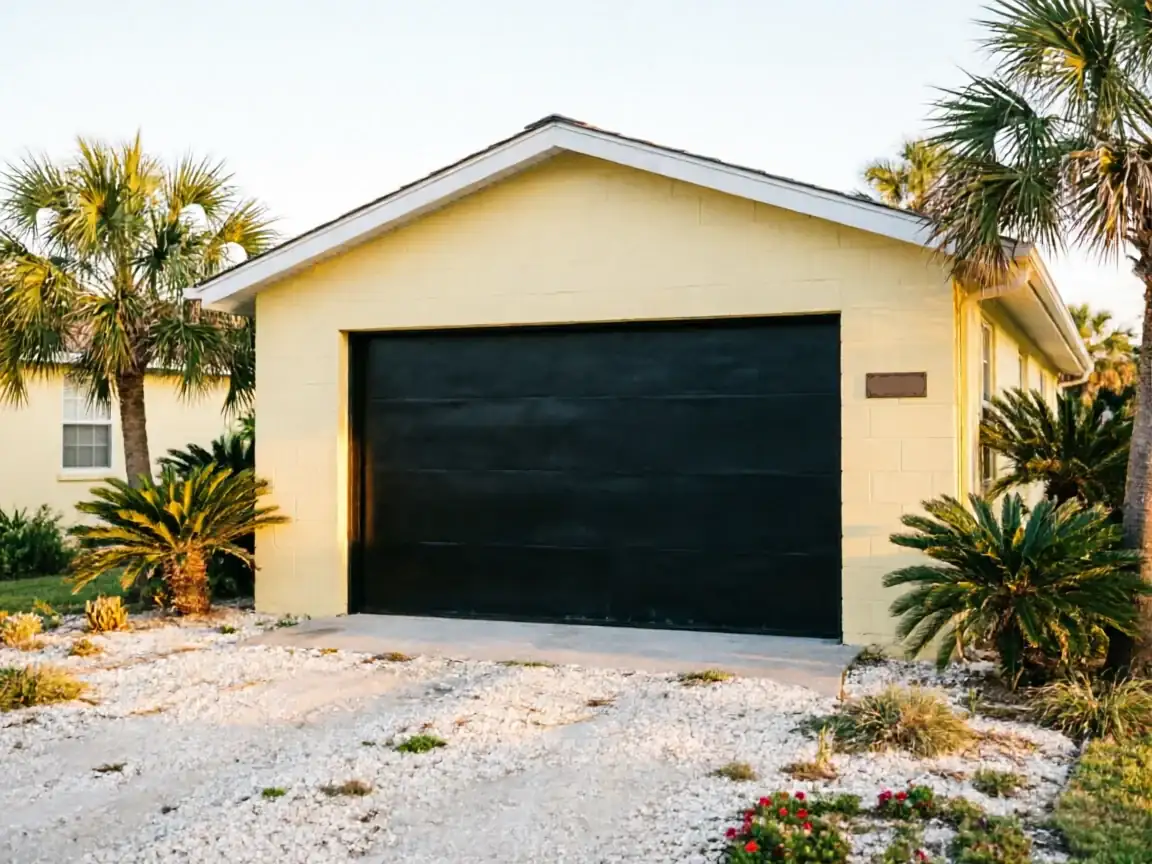
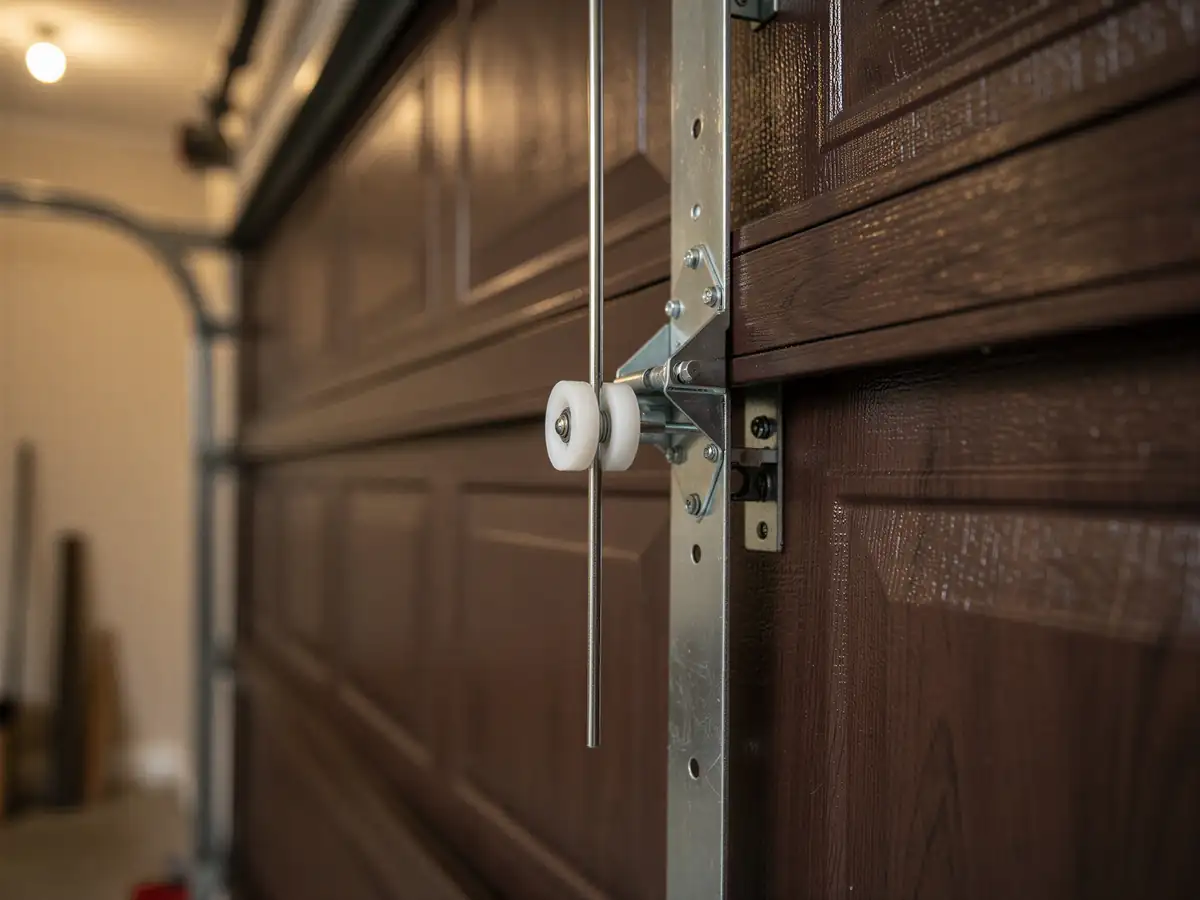
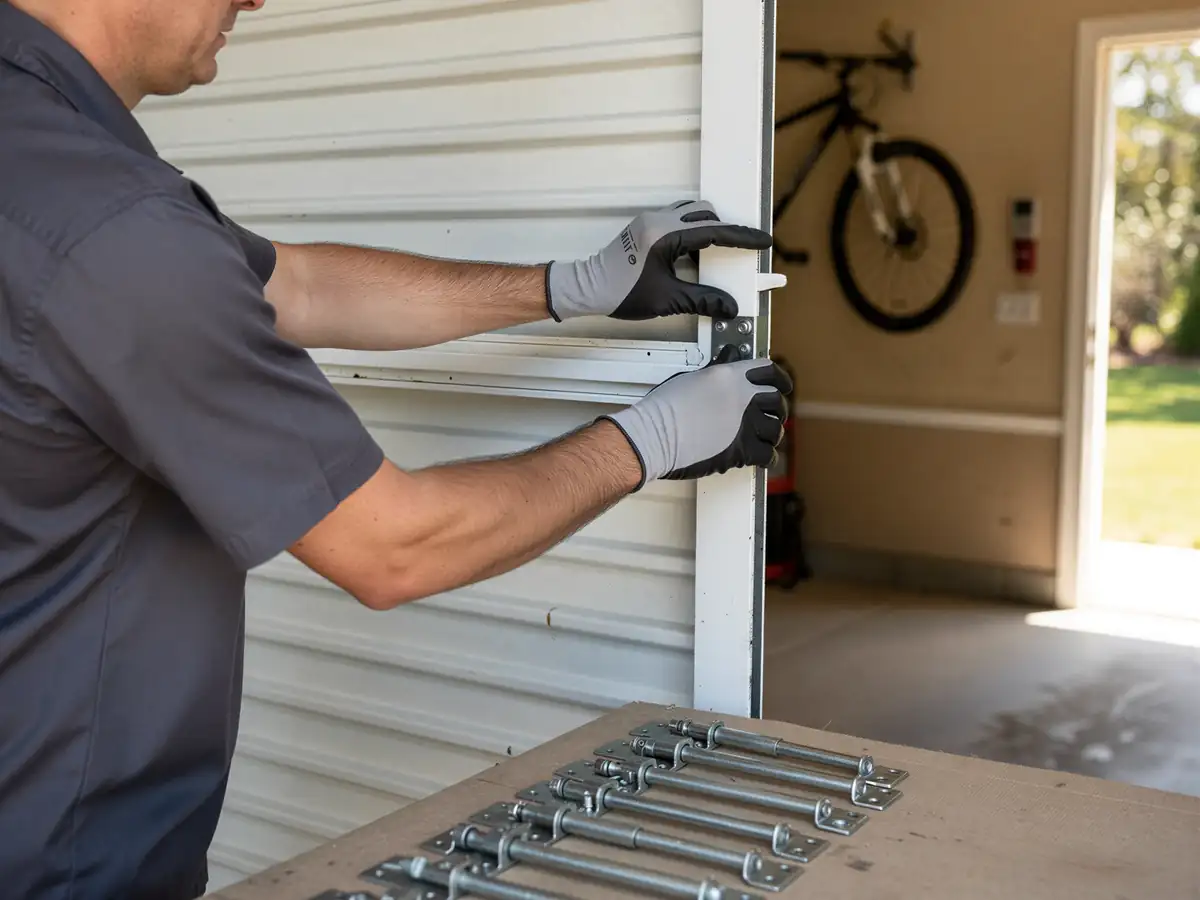
Not a door that needs replacing outright. That's because the housing stock here centers on 1980, a good fifteen years after the one-piece doors that still show up closer to West Palm Beach's older blocks. By 1980, sectional steel doors with bolted panel sections were the standard build, which means the section that took the hit from a trailer hitch or a wayward basketball can usually come off its hinges and get swapped without touching the rest of the door.
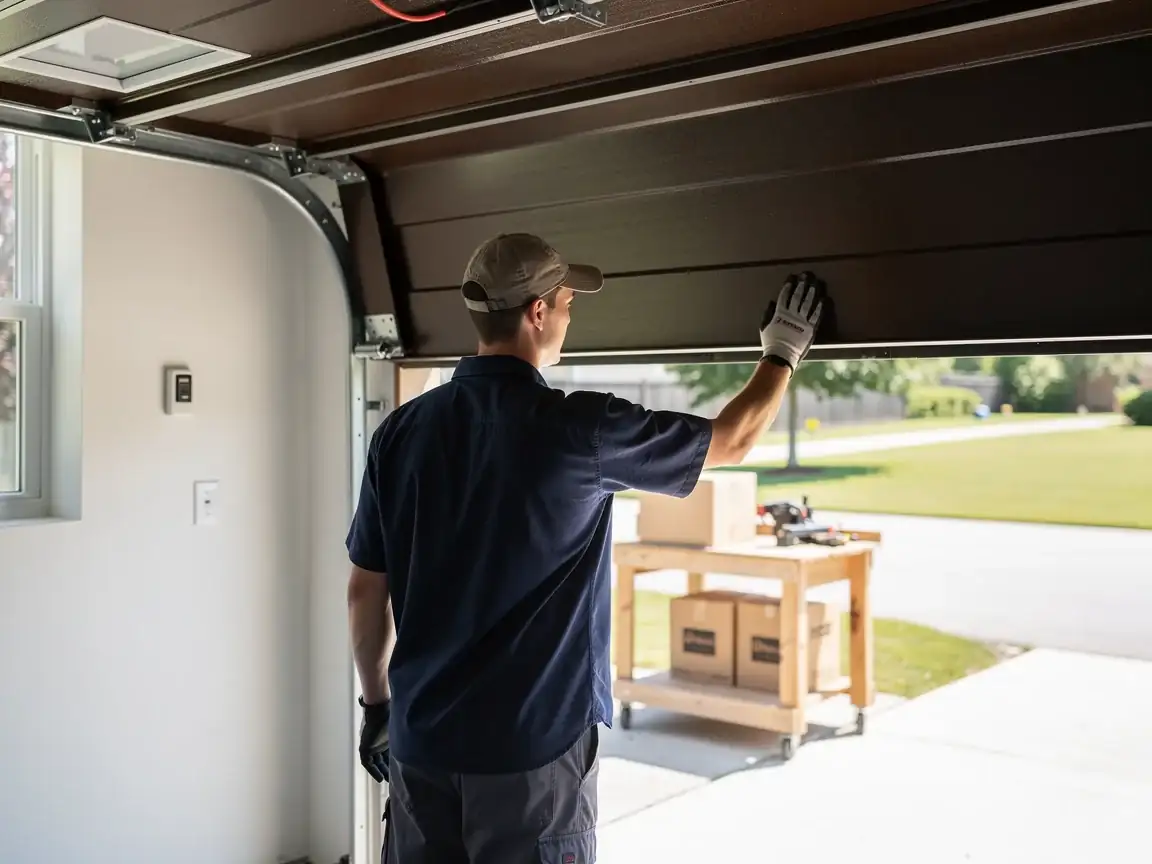
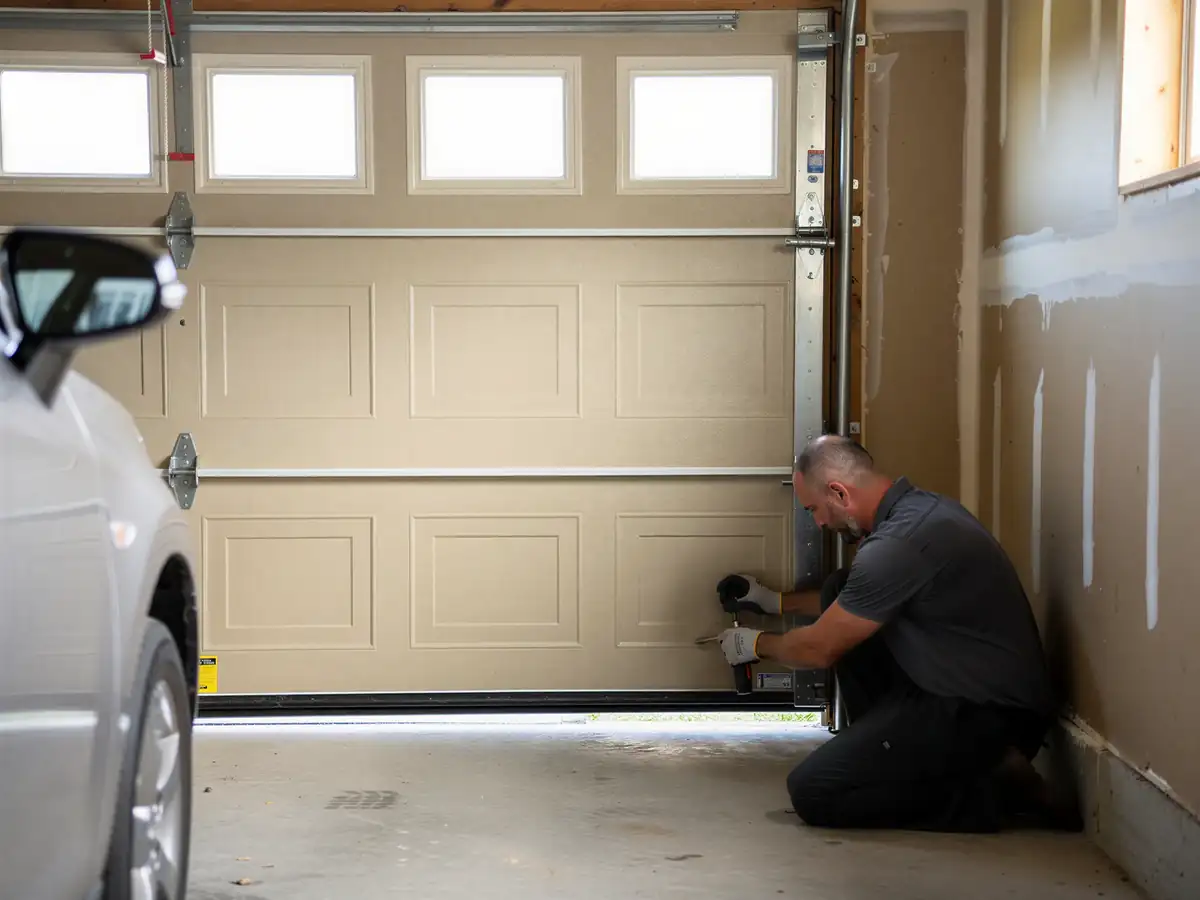
We pull the damaged section, match the bolt pattern and panel profile as closely as the door allows
And reset the hinges and rollers on that section before running the door through a full cycle to check balance. If the track or the opposing panel took damage too, we deal with that while we're in there rather than sending you a second bill in six months.
This only works if the rest of the door is in decent shape
A door that's been flexing on a bad spring for years will show stress at more than one panel, and at that point patching one section is a short-term fix at best.
The DIY Question
A single bolted panel sounds like a bolt-and-swap job, and sometimes it is. Where it gets harder is color and texture match. A panel ordered new today will not weather-match a door that's been sitting in Florida sun since 1980, even under this area's mild temperate climate, which is easier on doors than harsher regions but still fades steel finish unevenly over four decades. Order the wrong ribbing profile and the new section sits there looking like exactly what it is.
The honest limitation here: we can't always get an exact factory match on an older door. Some manufacturers from that era aren't making the same profile anymore, and we'll tell you straight if the closest match is going to be visible. For some owners that's fine, they want the door working and don't care about a slight mismatch on the bottom panel. For others, full door replacement ends up being the better call once they hear the alternative.
What we don't recommend is pulling a panel yourself and ordering a generic replacement online. Panel gauge and hinge spacing vary enough between eras that a wrong-spec panel can throw the whole door out of balance.
The Cost of This Job
Median household income across this part of the service area runs around $62,152, noticeably below the broader area's $92,382, and that gap shows up in which repair homeowners choose. A single panel swap is almost always the cheaper path compared to a full door replacement, which is part of why it's worth asking for a panel quote before assuming the whole door needs to go.
We don't post a flat price here because the job varies: a basic steel panel on a standard double door costs less to source and fit than a wider panel, an insulated panel, or one with a factory finish that's hard to track down for a 1980s-era door. What we can tell you is that the panel itself, not the labor, is usually the bigger swing factor in cost. If a panel has to be special-ordered because it's no longer a stock item, that adds time and cost before we even start the swap.
We'll give you the actual number for your door after we see which panel, which hinge spacing, and whether the track needs any attention at the same time.
What Causes It Around Here
The mild temperate climate here is kinder to garage doors than a lot of the country, no hard freeze-thaw cycle
No snow load. But it isn't nothing. Humidity sits on steel hardware at the hinge points between panels year-round, and on doors built around 1980, four decades of that moisture exposure shows up as surface rust at the bolt holes before it shows up anywhere else on the panel. That rust weakens the hinge seat, and a panel that's already loose at the hinge is a panel that dents easier on the next impact.
The other recurring cause is simple impact
A car bumper, a bike, a basketball backboard mounted too close to the door. On a sectional door, that impact usually stays contained to one panel rather than warping the whole frame, which is exactly why panel replacement is the right fix more often than not in this area.
We don't see the one-piece door failures that show up on older West Palm Beach blocks
Because this area's housing mostly postdates that construction style.
Parts We Carry
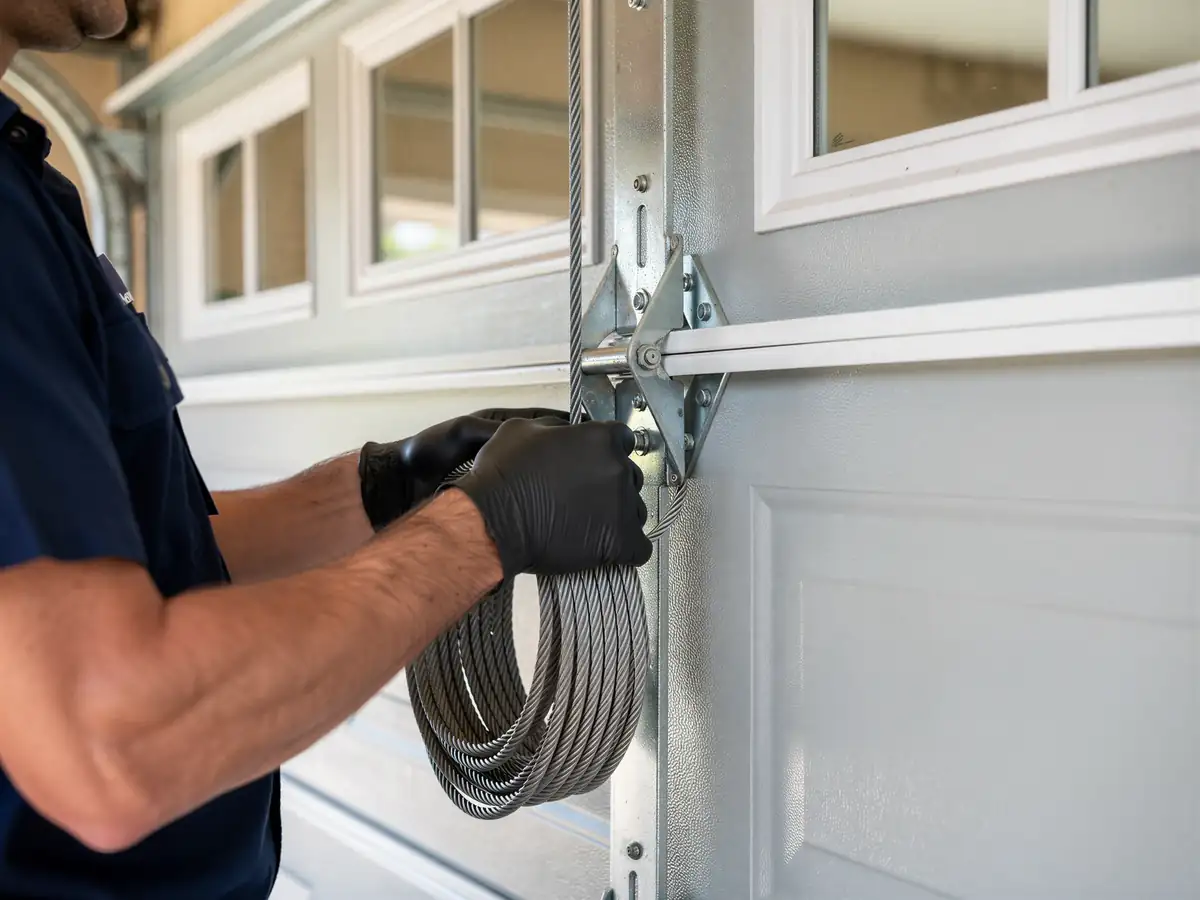
For 1980s-era sectional doors we keep stock on the hinge and roller hardware sized for that bolt spacing, since those wear out faster than the steel panel itself in a humid coastal climate. Panels are a different story. Steel panel sections in common widths and standard (non-insulated) profiles we can usually source quickly. Insulated or foam-core panels, and anything with a discontinued finish from an older manufacturer, take longer to track down and sometimes can't be matched exactly.
We also carry the end hinges and center hinges separately from full hinge sets, because on an older door it's common for only the hinge at the impact point to need replacing while the rest of the hardware on the door is still sound. Weatherstripping between panel sections wears from UV and humidity exposure over the decades and we stock that in standard widths too.
What we don't stock is every discontinued panel profile from every manufacturer that built doors in this area forty years ago. If your door needs one of those, we'll tell you upfront what the lead time looks like before we order it.
The Complications
The complication that comes up most on these jobs is color and profile mismatch, covered above, but a close second is doors where more than one panel has taken damage over the years and only one of them got fixed. We'll find the old repair, usually a slightly different shade or a hinge pattern that doesn't quite match the rest of the door, and have to decide whether to work around it or recommend addressing both panels at once.
Foam-core insulated panels from this era can also be sealed in a way that makes a clean section swap harder, since the foam sometimes bonds to the steel skin in a way that complicates removing just the damaged section without affecting the panel next to it.
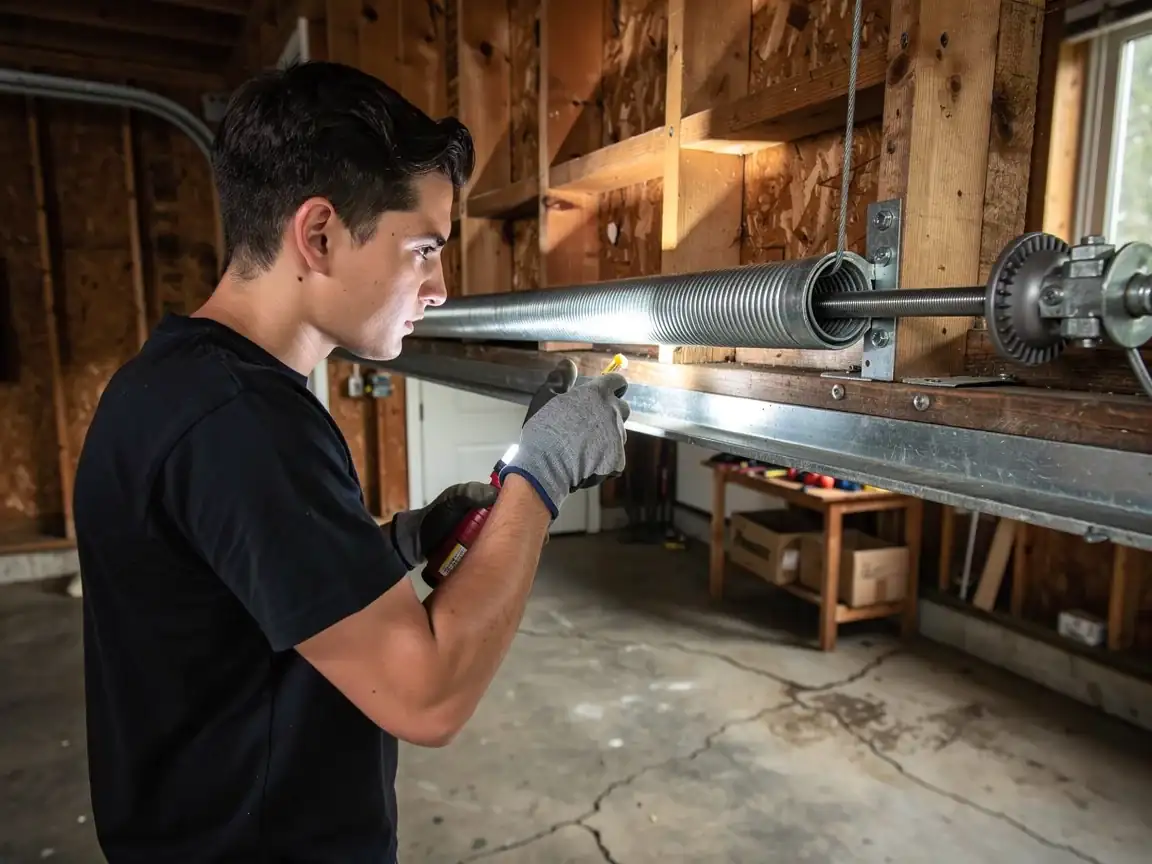
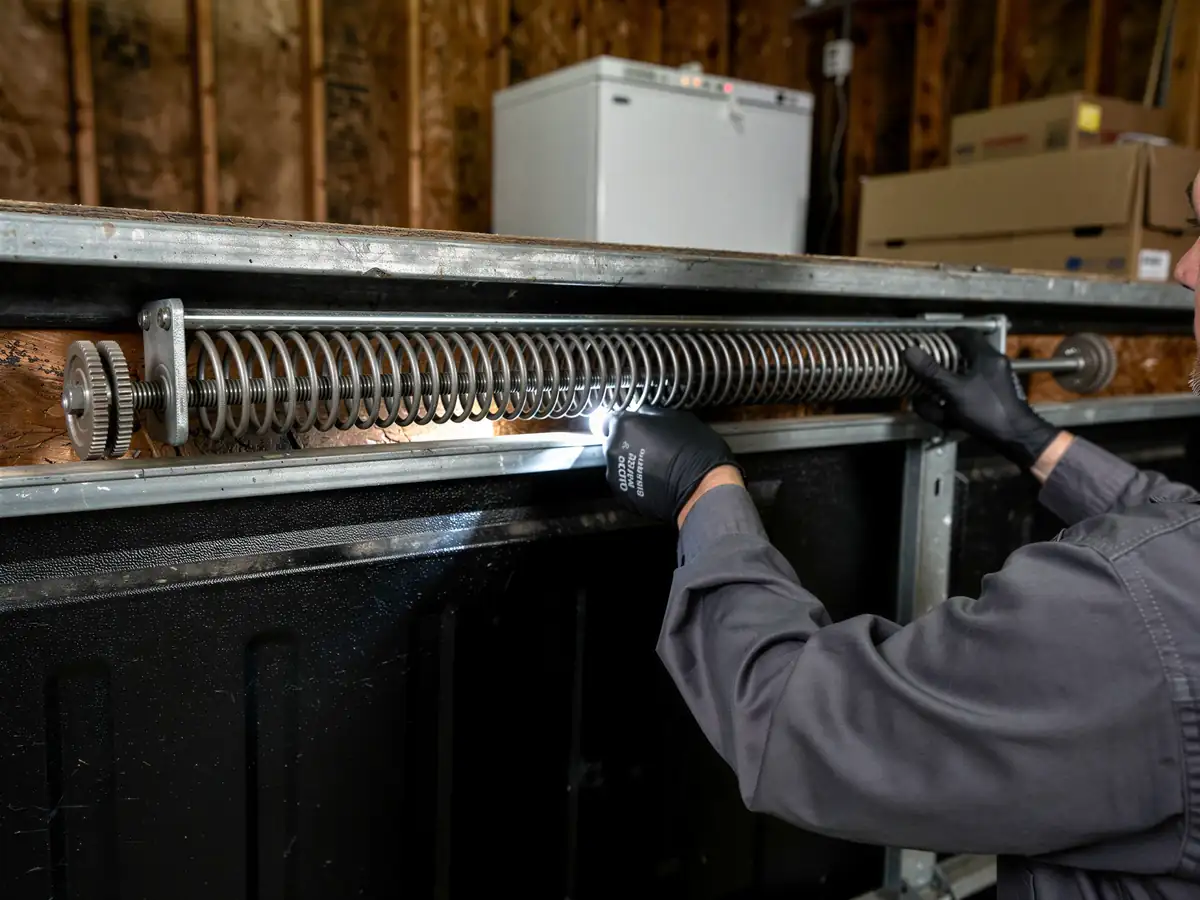
And on a door where the track or opener has been compensating for an out-of-balance panel for a long time, swapping the panel alone sometimes isn't enough, the whole door needs a rebalance and sometimes a spring check before it runs right. We'll flag that before we start, not after, so there's no surprise line item once the panel's already off.